
California Penalizes Dickey's for Franchise Disclosure Violations
California shifts to public enforcement strategy against Dickey's for deceptive franchise disclosures, signaling stricter state-level franchise oversight.
Franchising
Sep 10, 2026
California shifts to public enforcement strategy against Dickey's for deceptive franchise disclosures, signaling stricter state-level franchise oversight.
Sep 10, 2026
Paul Brown temporarily steps away from Inspire Brands as Scott Murphy assumes interim CEO role during confidential IPO filing process targeting late 2026.
Sep 10, 2026
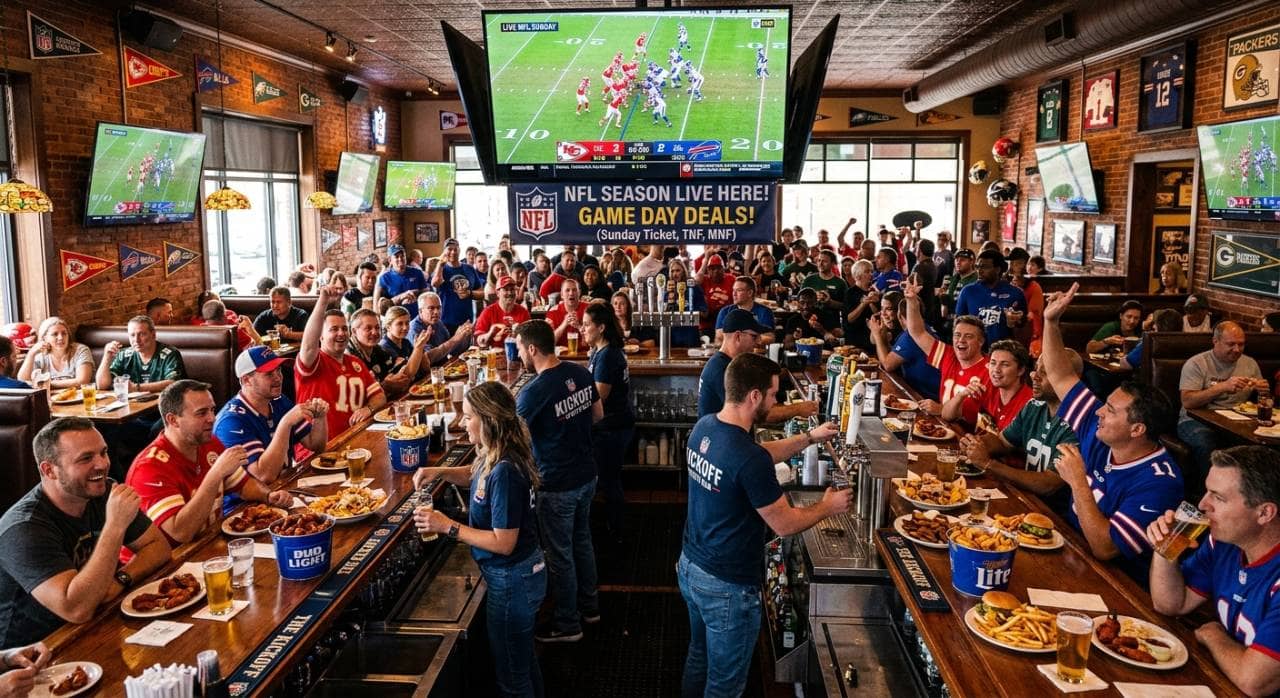
Prepare your restaurant for NFL season with smart menu planning, staffing, marketing, technology, and atmosphere strategies that boost season-long revenue.
Sep 9, 2026
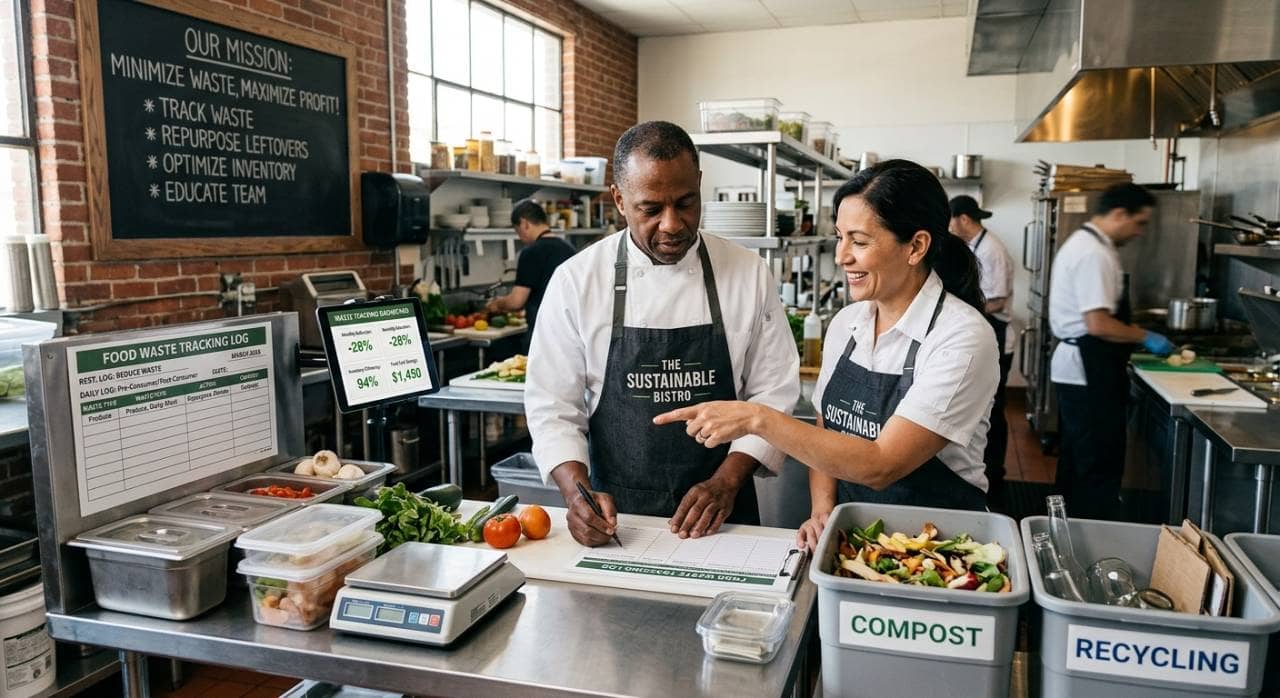
Learn how to reduce food waste in restaurants through smarter purchasing, storage, preparation, and service strategies that cut costs.
Sep 9, 2026
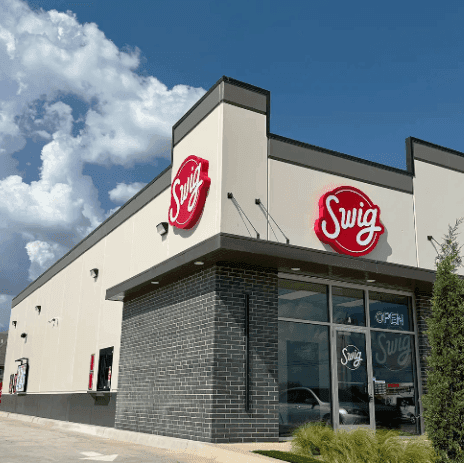
Swig signs franchise agreement for 11 South Denver locations, marking Colorado entry and validating its national expansion strategy.
Sep 8, 2026
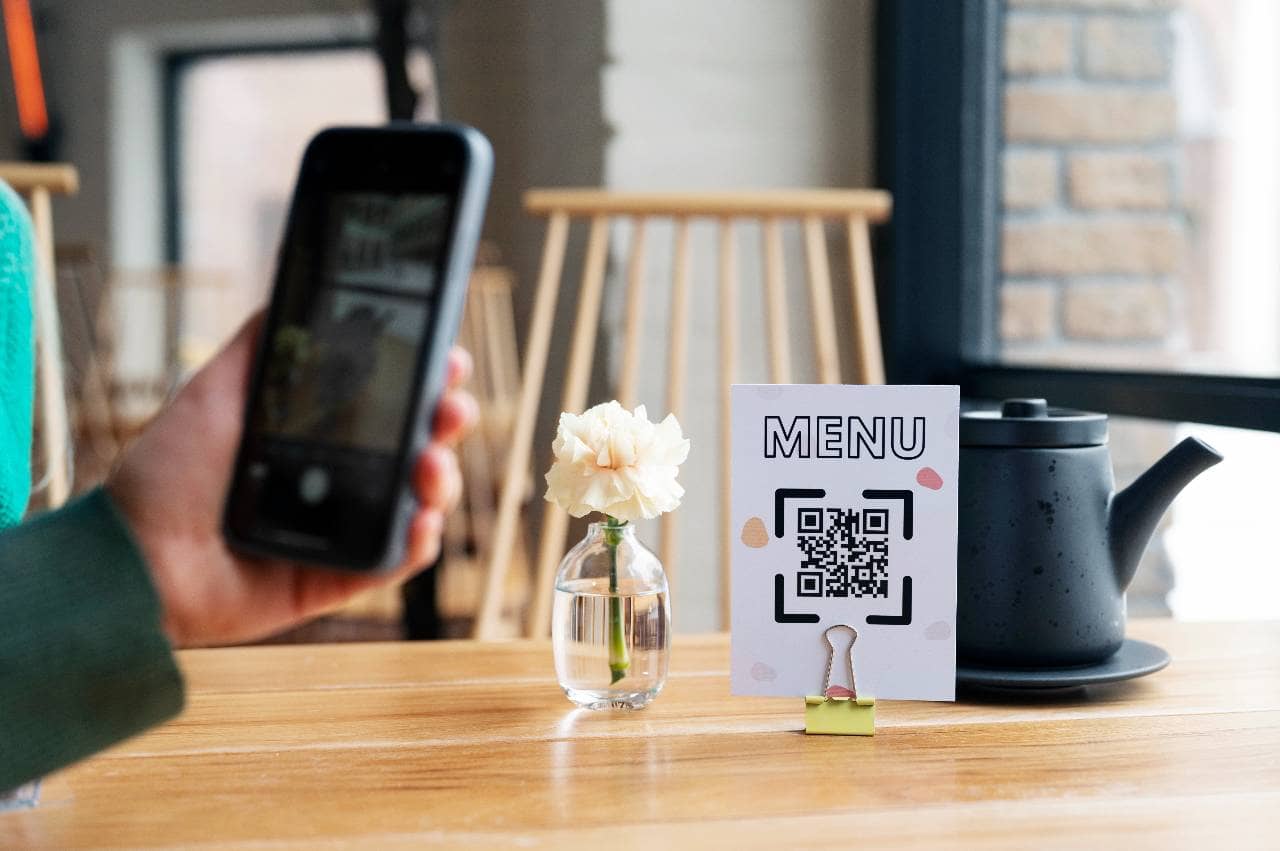
QR code menus let restaurants replace paper menus digitally, enabling instant updates, contactless browsing, ordering, and payment through simple smartphone scanning.
Sep 7, 2026
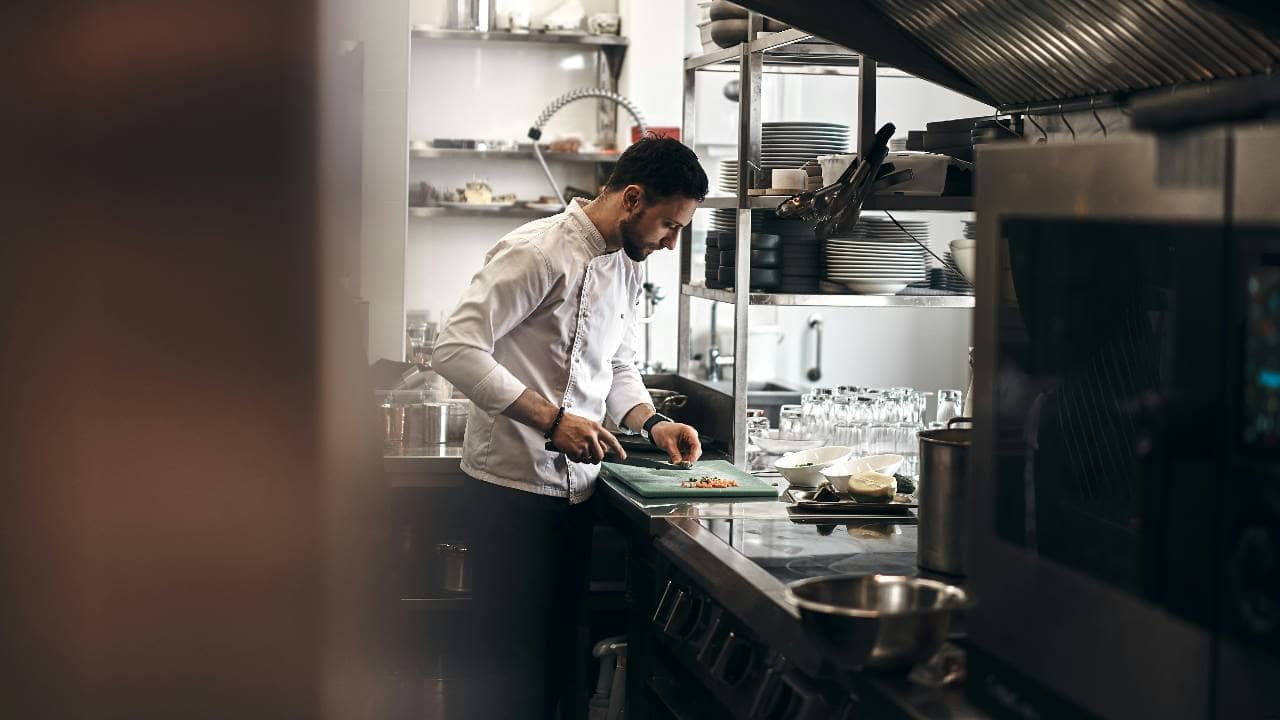
Complete guide helping restaurant owners choose essential kitchen equipment - covering cooking, refrigeration, prep, sanitation, ventilation, safety, and long-term maintenance planning.
Sep 7, 2026

Avoiding common restaurant payroll mistakes - misclassification, tip credit errors, overtime miscalculations - protects businesses from costly penalties, back pay, and compliance risks.
Sep 4, 2026
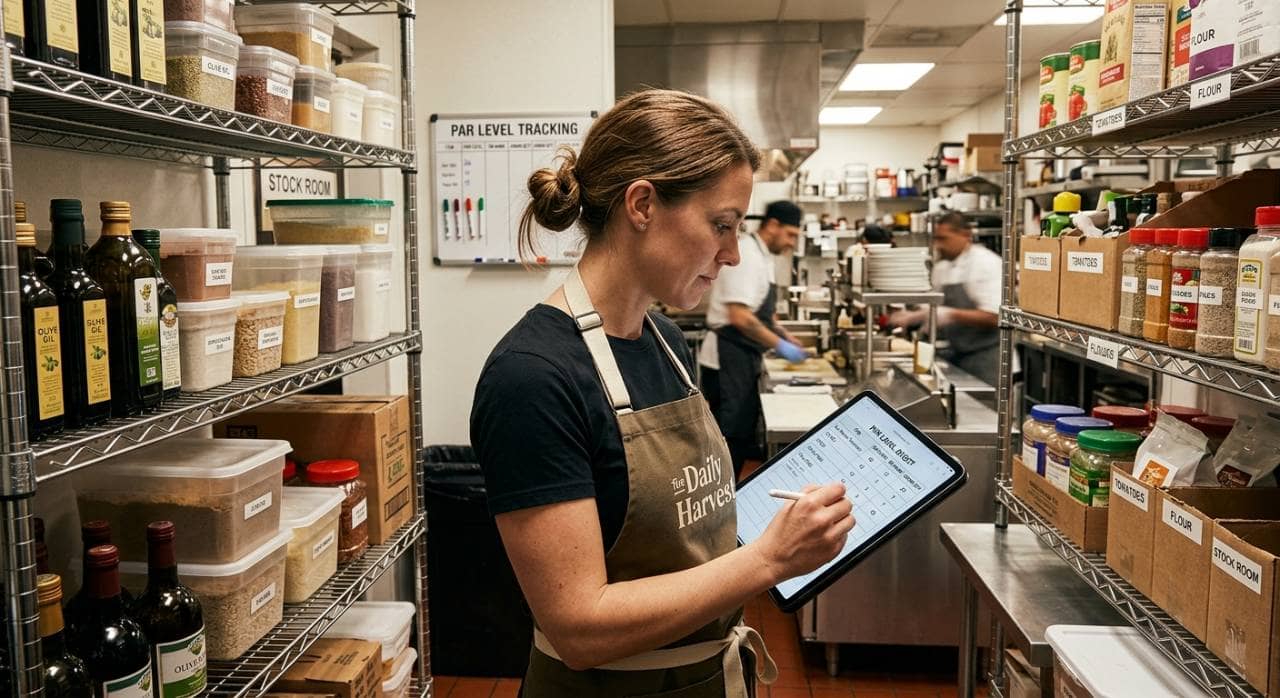
Learn to calculate par levels for restaurant food, beverages, and packaging inventory, preventing stockouts and waste through proper formulas.
Sep 4, 2026
Caribou Coffee appoints Zane Thomas-Rogers as Chief Operations Officer to strengthen execution across its expanding coffeehouse network.
Sep 4, 2026

Unlock Exclusive Access To Webinars, Events, And The Latest News For Free!
Brinker blends menu simplification, AI scheduling, and value-driven promotions to lift traffic and sales at Chili’s and Maggiano’s.

Photo by Kate Trysh
From a vantage refined by kitchens and boardrooms, the Brinker turnaround reads not as a single act but as a composed overture. The orchestration is distributed across Chili’s Grill & Bar and Maggiano’s Little Italy, where value and guest experience are choreographed with disciplined care. Leadership speaks in measured whispers about menu simplification, listening sessions with frontline leaders, and the quiet arithmetic of AI that watches the clock. The aim is a durable momentum, not a quarter’s flourish. In a market that prizes both comfort and discovery, Brinker's plan unfolds as a restrained, almost artisanal recalibration. The question becomes: what do we learn when the room quiets and the kitchen hums:
Within this measured overture, Brinker's numbers anchor the narrative. Over the past two fiscal years, Chili’s menu was pared by about 22 percent, a deliberate thinning of choices to sharpen execution and consistency. Frontline listening sessions across the country were used to remove friction from the line and make restaurant jobs more fulfilling. The plan deploys AI-powered labor forecasting to ease scheduling burdens on general managers and improve accuracy in shifts. Supporters point to tangible gains: restaurant average unit volume rising by roughly $440,000 over two years, to $3.6 million. At the same time, Brinker's value-forward platform, the $10.99-starting '3 for Me', with items such as the Big Smasher, aims to lure value seekers while still enabling trade-up.

Rethinking the menu is not merely slimming; it is a structural philosophy. The barbell pricing seeks to balance value-focused options with premium offerings, widening guest appeal without eroding margins. The plan also frames the iconic fajitas business, the $200 million category, through upgraded recipes and smarter merchandising to drive larger bundles, while core components, chicken, guacamole, pico de gallo, soft tortillas, and new dippable add-ons receive attention for freshness and consistency. The presentation of the menu itself is evolving, designed to guide guests toward satisfying, repeatable choices. Meanwhile, the operation is being reorganized to support this shift, with curbside service slated for sunset by the end of the first quarter:
Beyond the plate, Brinker's operational spine tightens: curbside service will sunset by the end of the first quarter, shifting emphasis to in-restaurant dining with improved packaging that keeps food hot and visually appealing. Merchandising updates accompany product refreshes, while ongoing advertising campaigns and new rounds of food innovation aim to keep the menu lively without inflaming complexity. The objective remains constant: preserve value differentiation while inviting premium experiences and larger-ticket items. In short, more theater at the counter, less friction in the kitchen, and a clearer path from first glance to final bite.
Behind the scenes, Brinker’s playbook depends on discipline and data to lighten the load on restaurant managers. The promise of AI-based labor forecasting isn’t novelty; it is a practical instrument to forecast labor needs with greater acuity and to relieve the back-office burden that often blurs the line between planning and service. The intention is to translate forecasts into smoother shifts, fewer overtime surprises, and more time for teams to focus on craft. In this framework, the dining room becomes a stage for predictable excellence, not a theater of last-minute scramble.
With an eye toward working hours and guest flow, the model integrates real-world constraints, local labor laws, seasonal demand, and the realities of rushes. The aim is to align staffing with actual needs, avoiding overstaffing while maintaining service standards. Executives insist that technology serves people, not the other way around: better schedules reduce manager fatigue, improve coverage during peak times, and support a more consistent guest experience. The result, they say, is a more resilient operation that can react to shifts in demand without sacrificing quality.
The value-forward platform reframes what a meal can be at Chili’s. The $10.99 starting tier of the '3 for Me', featuring items such as the Big Smasher burger and bottomless sides and drinks, has become a focal point for value-driven guests, while most patrons still explore full-priced options. CFO Mika Ware notes that 17.7 percent of guests opt for the $10.99 tier, a signal that the promotion draws a new crowd without abandoning higher-spend opportunities. The strategy is a careful concession: attract traffic, anchor loyalty, and permit a measured trade-up as confidence grows. The narrative around the program keeps moving.
Leadership frames the approach as a blend of accessibility and choice, a response to a crowded casual-dining landscape. Hochman’s description of the platform as delivering industry-leading value anchors the story, while the segmentation detail clarifies who is drawn to the tier and who remains in the higher-ticket zone. The message is not a race to the bottom, but a calibrated spectrum: simplified menus, targeted pricing, and promotions designed to sustain traffic while preserving margins. In this light, Brinker's playbook reads as a careful balance between invitation and aspiration, inviting guests to taste both value and refinement.
Numbers offer the chorus to this narrative. In the fourth quarter ended June 26, Brinker's results carried a tangible lift: net income of $57.3 million or $1.24 per share, up from $54.2 million or $1.19 in the prior year. Revenues reached $1.208 billion, up from $1.075 billion, and same-store sales rose meaningfully. Chili’s carried the brighter note, while Maggiano’s delivered more modest performance in parallel. Executives cite aggressive advertising, ongoing food innovation, and the benefits of the barbell pricing model, with a two-year horizon to sustain momentum through simplification, talent strategy, and pricing flexibility. The cadence is cautious, but the note is confident.
Beyond Brinker's walls, the casual‑dining milieu glances toward value-forward platforms and data‑driven operations, a trend that Brinker both mirrors and refines. Yet uncertainties linger: margins could tighten if input costs rise or price sensitivity shifts; curbside's retreat may alter guest behavior for time‑pressed diners; the AI program requires governance and clean data to translate forecasts into fair, compliant schedules. The plan remains forward‑looking: a two‑year trajectory built on ongoing product development, disciplined marketing, and transparent communication about progress, timelines, and measurable outcomes to keep investors and teams aligned as Chili’s and Maggiano’s evolve.
