
California Penalizes Dickey's for Franchise Disclosure Violations
California shifts to public enforcement strategy against Dickey's for deceptive franchise disclosures, signaling stricter state-level franchise oversight.
Franchising
Sep 10, 2026
California shifts to public enforcement strategy against Dickey's for deceptive franchise disclosures, signaling stricter state-level franchise oversight.
Sep 10, 2026
Paul Brown temporarily steps away from Inspire Brands as Scott Murphy assumes interim CEO role during confidential IPO filing process targeting late 2026.
Sep 10, 2026
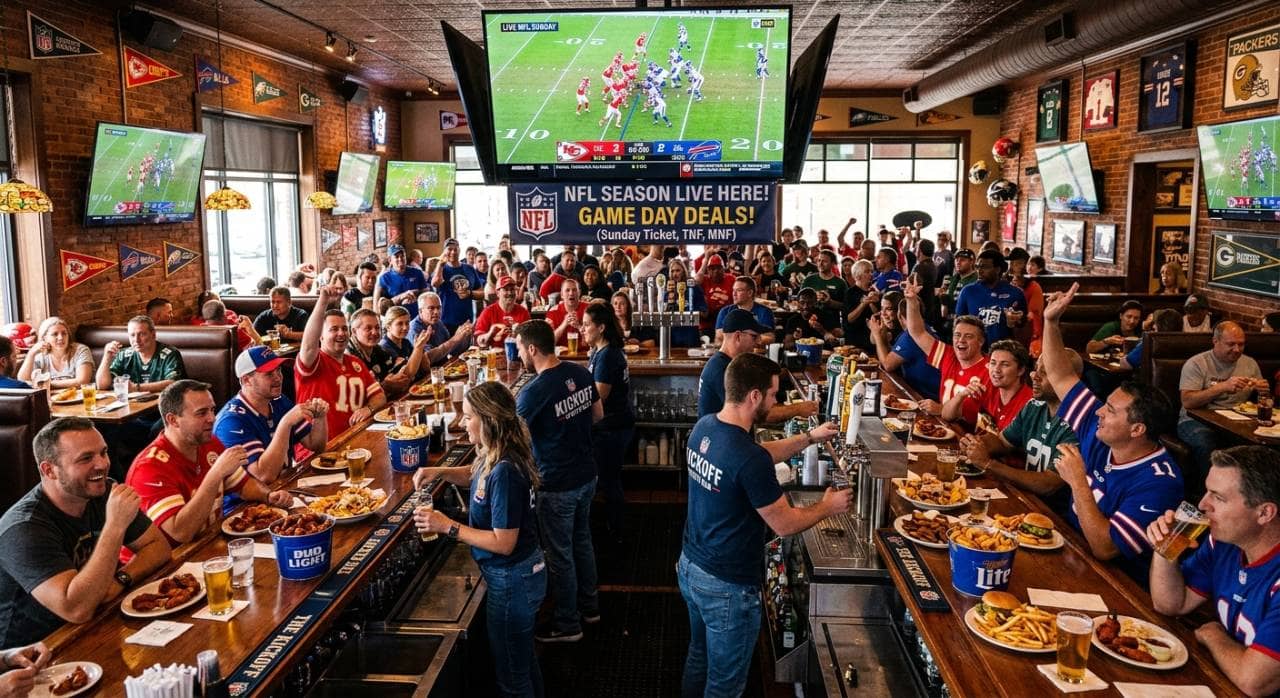
Prepare your restaurant for NFL season with smart menu planning, staffing, marketing, technology, and atmosphere strategies that boost season-long revenue.
Sep 9, 2026
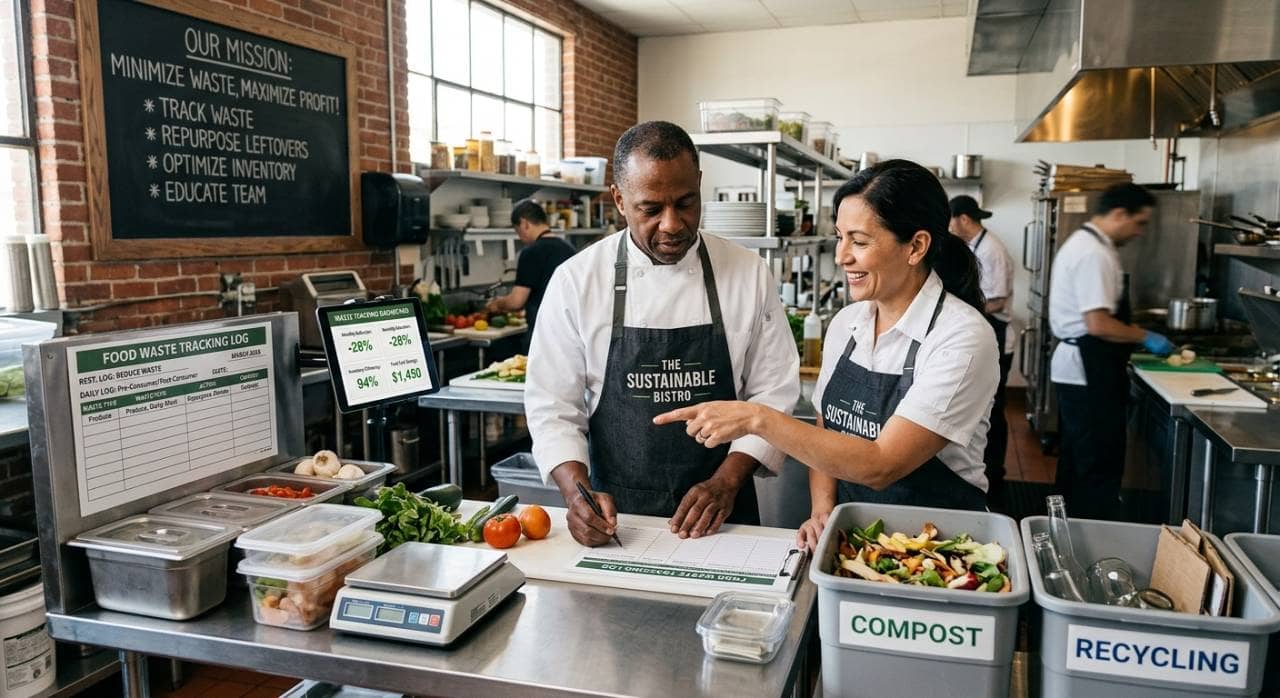
Learn how to reduce food waste in restaurants through smarter purchasing, storage, preparation, and service strategies that cut costs.
Sep 9, 2026
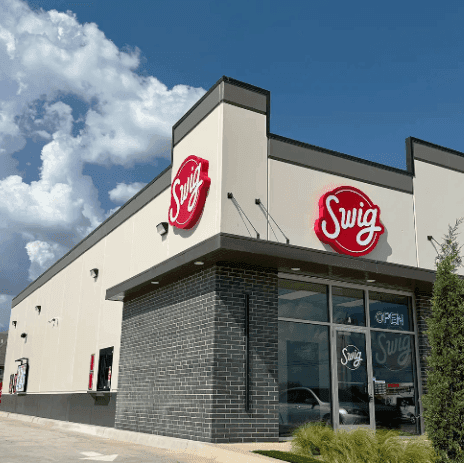
Swig signs franchise agreement for 11 South Denver locations, marking Colorado entry and validating its national expansion strategy.
Sep 8, 2026

QR code menus let restaurants replace paper menus digitally, enabling instant updates, contactless browsing, ordering, and payment through simple smartphone scanning.
Sep 7, 2026

Complete guide helping restaurant owners choose essential kitchen equipment - covering cooking, refrigeration, prep, sanitation, ventilation, safety, and long-term maintenance planning.
Sep 7, 2026

Avoiding common restaurant payroll mistakes - misclassification, tip credit errors, overtime miscalculations - protects businesses from costly penalties, back pay, and compliance risks.
Sep 4, 2026
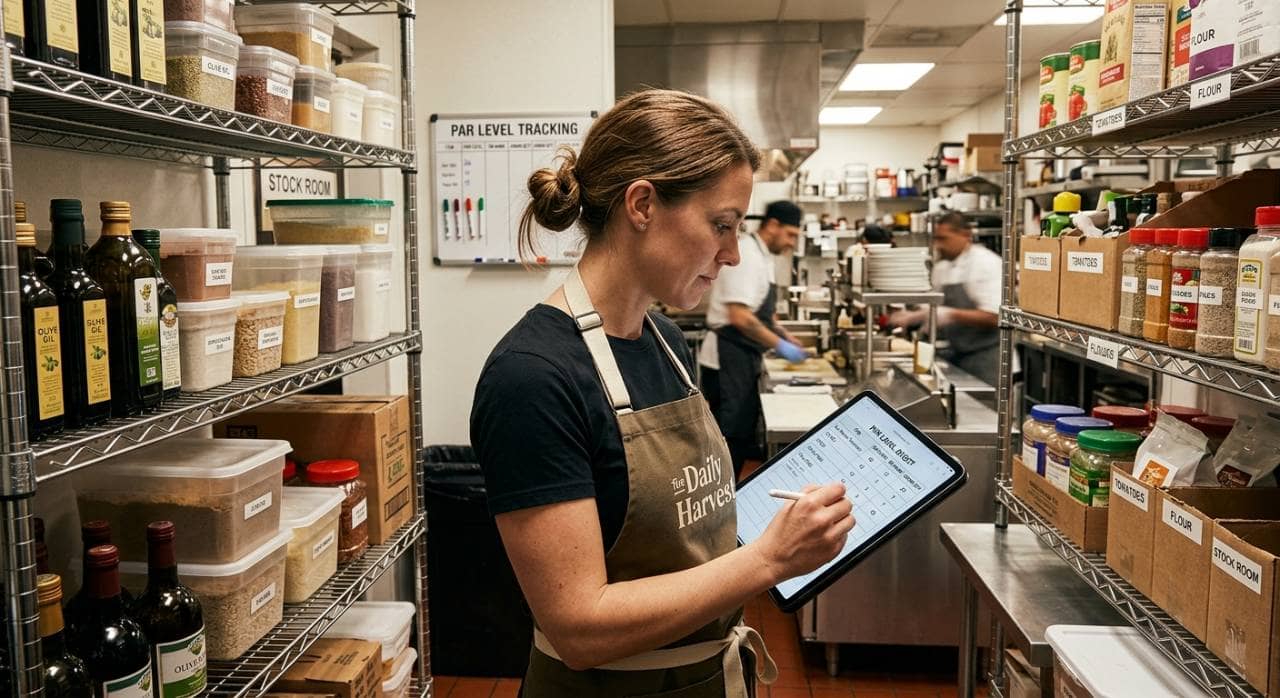
Learn to calculate par levels for restaurant food, beverages, and packaging inventory, preventing stockouts and waste through proper formulas.
Sep 4, 2026
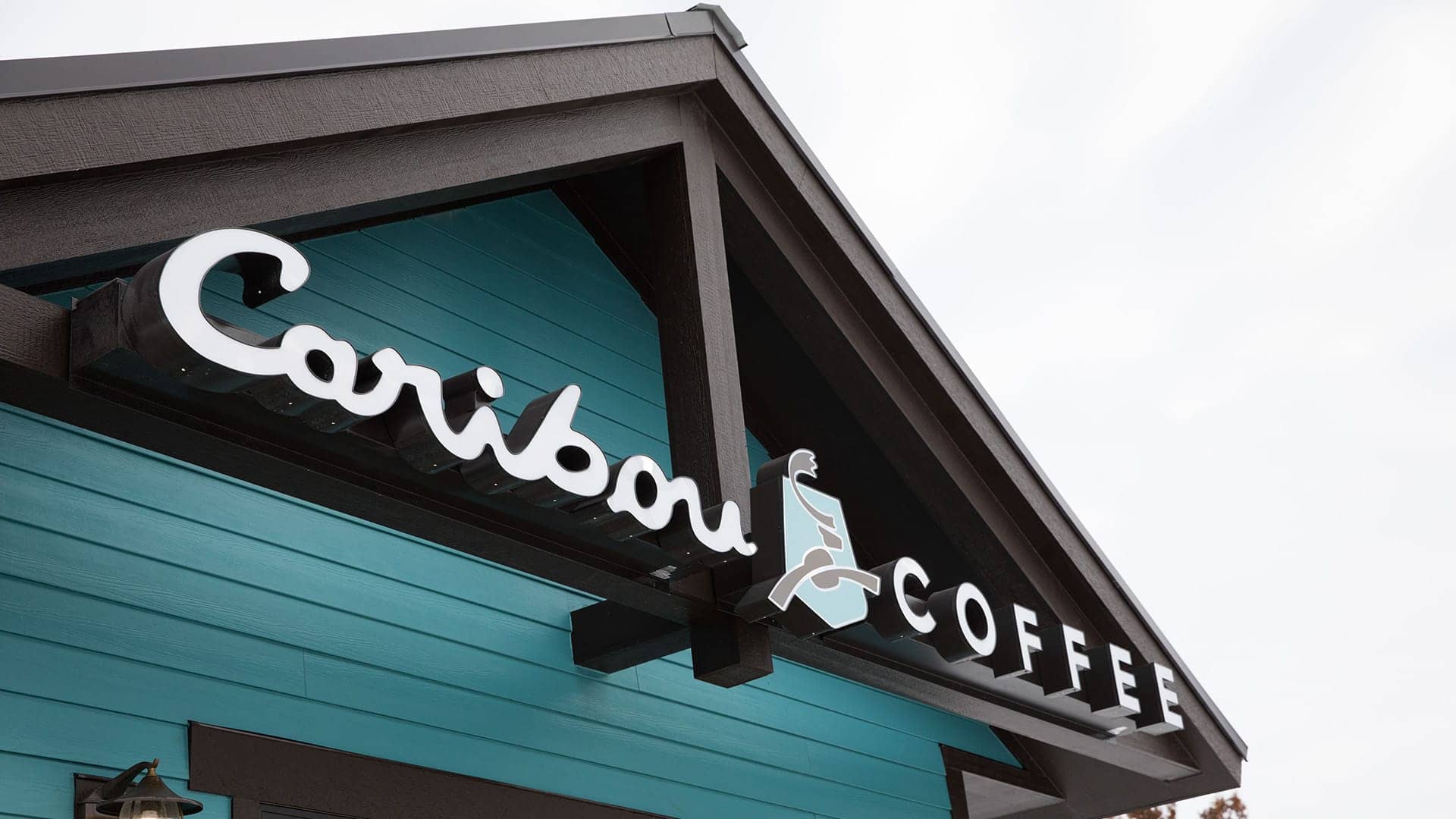
Caribou Coffee appoints Zane Thomas-Rogers as Chief Operations Officer to strengthen execution across its expanding coffeehouse network.
Sep 4, 2026

Unlock Exclusive Access To Webinars, Events, And The Latest News For Free!
Nasdaq deficiency notices push BurgerFi toward Chapter 11, signaling liquidity stress and governance shifts in a multi-brand fast-casual operator.

Photo by Adhitya Sibikumar
Summer 2024 set a tense stage for BurgerFi. The Fort Lauderdale-based operator of BurgerFi and Anthony's Coal Fired Pizza & Wings faced a regulatory storm after Nasdaq warned it was out of compliance with key listing rules. On August 27, 2024, Nasdaq notified BurgerFi that it had not timely filed its quarterly Form 10-Q for the period ending July 1, 2024, triggering a deficiency under Rule 5250(c)(1). The notices also flagged governance concerns after multiple directors resigned, leaving the audit and compensation committees improperly constituted. It was a big wake-up call for the brands, and the clock started ticking.
Nasdaq laid out two remediation tracks: a 60-day window to submit a plan addressing the delinquent 10-Q and a 45-day window to fix the committee deficiencies. If Nasdaq accepts the plans, BurgerFi would have until February 18, 2025 to implement the filing remedy and February 24, 2025 to address the governance issues. The company acknowledged it would consider options to regain compliance, including submitting such plans, but warned there could be no assurance that Nasdaq would accept them or that compliance could be regained within the windows. The ambiguity framed the company’s next moves.

BurgerFi's roots are in Fort Lauderdale, but the stress grew beyond the balance sheet. In 2024 the company signaled strategic stress and began a formal review of options. It disclosed it was exploring ‘strategic alternatives’ as operational headwinds persisted, and it entered into a forbearance agreement with lenders that lasted until July 31, with lenders extending a $4 million loan as part of the review. Earlier, liquidity challenges and adverse developments were flagged, and the 10-Q filed around that time showed a 4% year-over-year sales decline (roughly $1.8 million) and a net quarterly loss of about $18.4 million, accompanied by substantial doubt about continuing as a going concern. The snapshot included 144 locations across its two brands.
Those disclosures framed the later decisions, including talks of asset sales or a broader sale as a route to relief. By September 2024 BurgerFi reported 144 locations, underscoring the breadth of its footprint as liquidity pressures mounted and the strategic review intensified.

Leadership shifts punctuated the gravity of BurgerFi's situation. The company named Jeremy Rosenthal as chief restructuring officer, a move reported by Nation’s Restaurant News and confirmed in BurgerFi filings. Rosenthal's appointment was framed as part of a broader restructuring effort to stabilize the brands and pursue capital and operational improvements during the Chapter 11 process. “to protect and grow the brands and support an ongoing turnaround,” Rosenthal noted in discussions around the effort.
The leadership transition underscored the gravity of the situation and the urgency of the next steps. It signaled a pivot toward tighter governance, sharper capital planning, and a clear need to align the business with whatever financing and market options might emerge.

Financial pressures converged with regulatory warnings. BurgerFi's lenders extended a $4 million loan as part of the strategic review, and a forbearance arrangement helped delay defaults through mid-2024. The August 2024 10-Q confirmed a worrisome trend: a 4% sales decline and an $18.4 million quarterly loss, reinforcing the going-concern caution. In September 2024, the company unveiled voluntary petitions for reorganization under Chapter 11, aiming to preserve brand value while continuing operations.
A court-approved path soon emerged, culminating in a plan of liquidation filings in early 2025. The confluence of regulatory notices, liquidity strain, and restructuring moves laid the groundwork for a new, professionalized process that would determine whether BurgerFi and Anthony’s could survive as restructured entities or move toward liquidation.

Industry context helps explain the gravity of BurgerFi's ordeal. The casual-dining space is confronting rising costs and shifting consumer spending, which squeeze balance sheets and testing liquidity. Observers noted a heightened risk for distressed brands in fast-casual and casual dining as consolidation dynamics shape the field. BurgerFi's case illustrates how regulatory scrutiny and liquidity challenges can collide, forcing brands to rethink capital structures, governance models, and growth plans in a competitive restaurant market.
Gaps and uncertainties remain. Whether Nasdaq will accept any remediation plans and allow regaining listing status depends on plan sufficiency and timing, and on additional liquidity. The filings also reflect ongoing judicial processes and the potential for asset dispositions or reorganizations that could alter the brands’ futures. The court’s decisions would determine whether BurgerFi and Anthony’s endure as reorganized entities or move toward liquidation. Investors and lenders watch closely, as these outcomes ripple across the fast-casual landscape.
