
California Penalizes Dickey's for Franchise Disclosure Violations
California shifts to public enforcement strategy against Dickey's for deceptive franchise disclosures, signaling stricter state-level franchise oversight.
Franchising
Sep 10, 2026
California shifts to public enforcement strategy against Dickey's for deceptive franchise disclosures, signaling stricter state-level franchise oversight.
Sep 10, 2026
Paul Brown temporarily steps away from Inspire Brands as Scott Murphy assumes interim CEO role during confidential IPO filing process targeting late 2026.
Sep 10, 2026
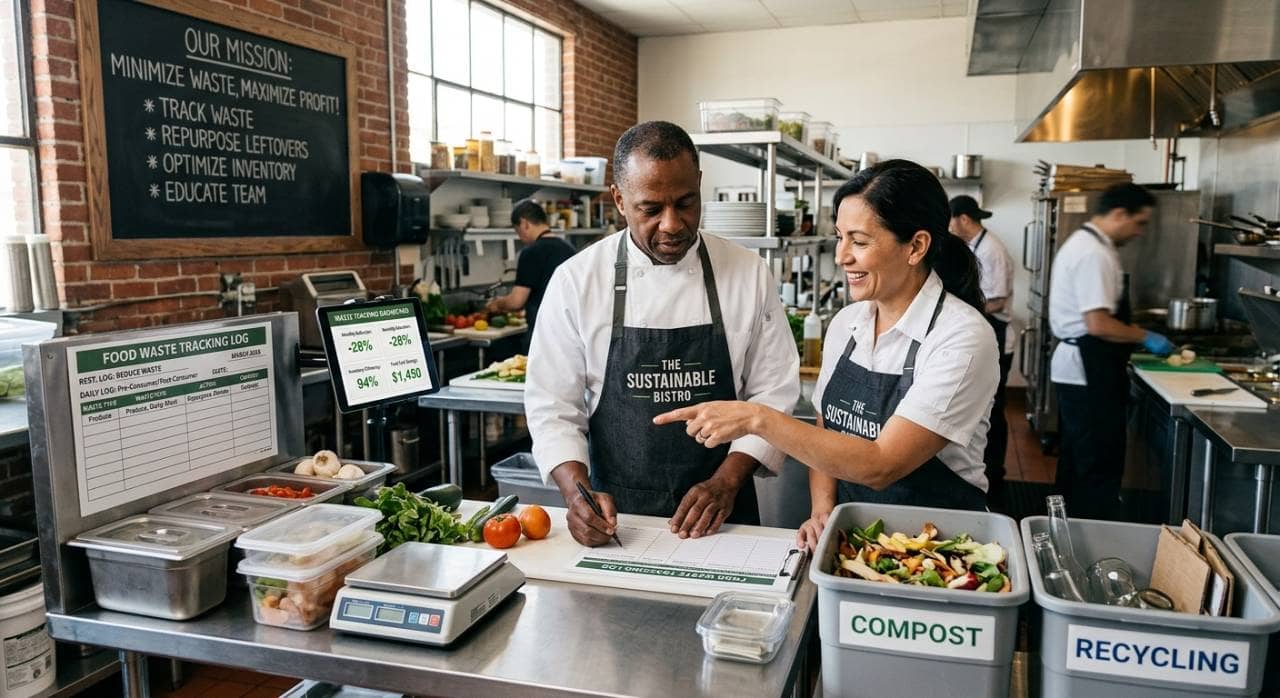
Learn how to reduce food waste in restaurants through smarter purchasing, storage, preparation, and service strategies that cut costs.
Sep 9, 2026
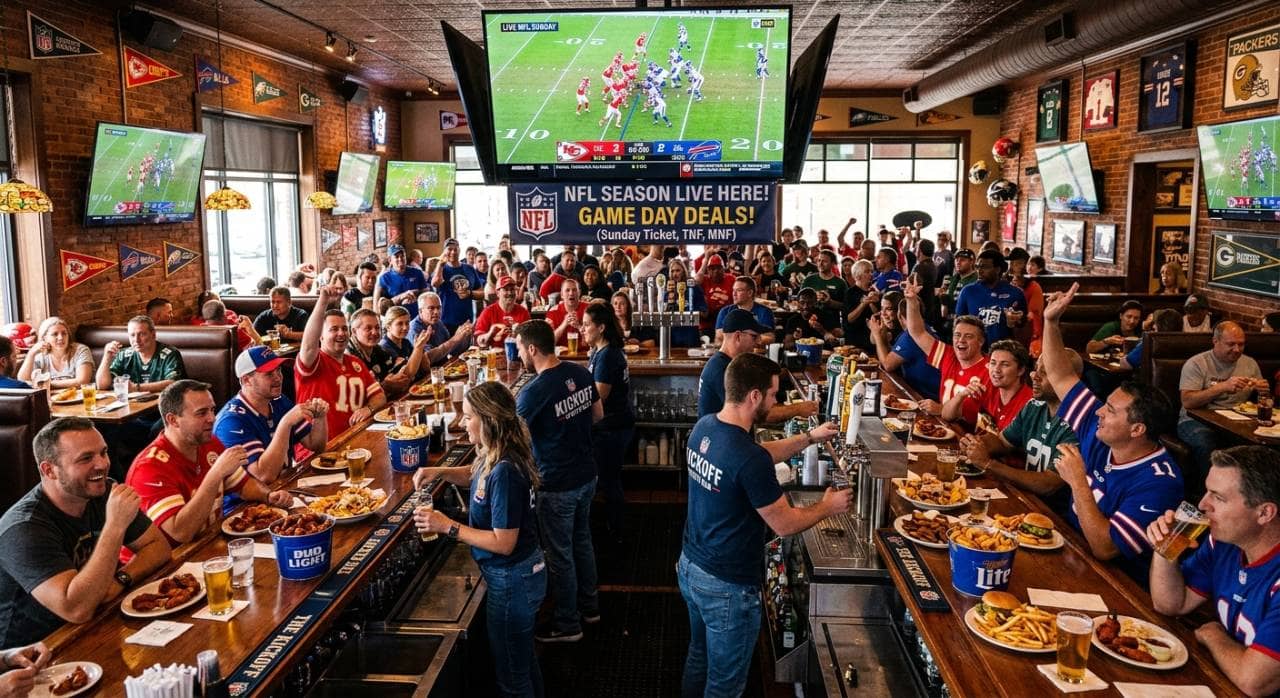
Prepare your restaurant for NFL season with smart menu planning, staffing, marketing, technology, and atmosphere strategies that boost season-long revenue.
Sep 9, 2026
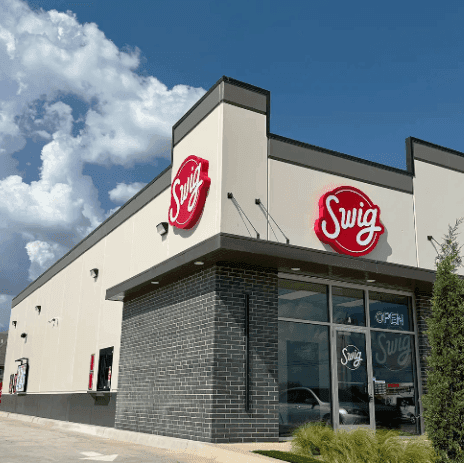
Swig signs franchise agreement for 11 South Denver locations, marking Colorado entry and validating its national expansion strategy.
Sep 8, 2026

Complete guide helping restaurant owners choose essential kitchen equipment - covering cooking, refrigeration, prep, sanitation, ventilation, safety, and long-term maintenance planning.
Sep 7, 2026

QR code menus let restaurants replace paper menus digitally, enabling instant updates, contactless browsing, ordering, and payment through simple smartphone scanning.
Sep 7, 2026

Avoiding common restaurant payroll mistakes - misclassification, tip credit errors, overtime miscalculations - protects businesses from costly penalties, back pay, and compliance risks.
Sep 4, 2026
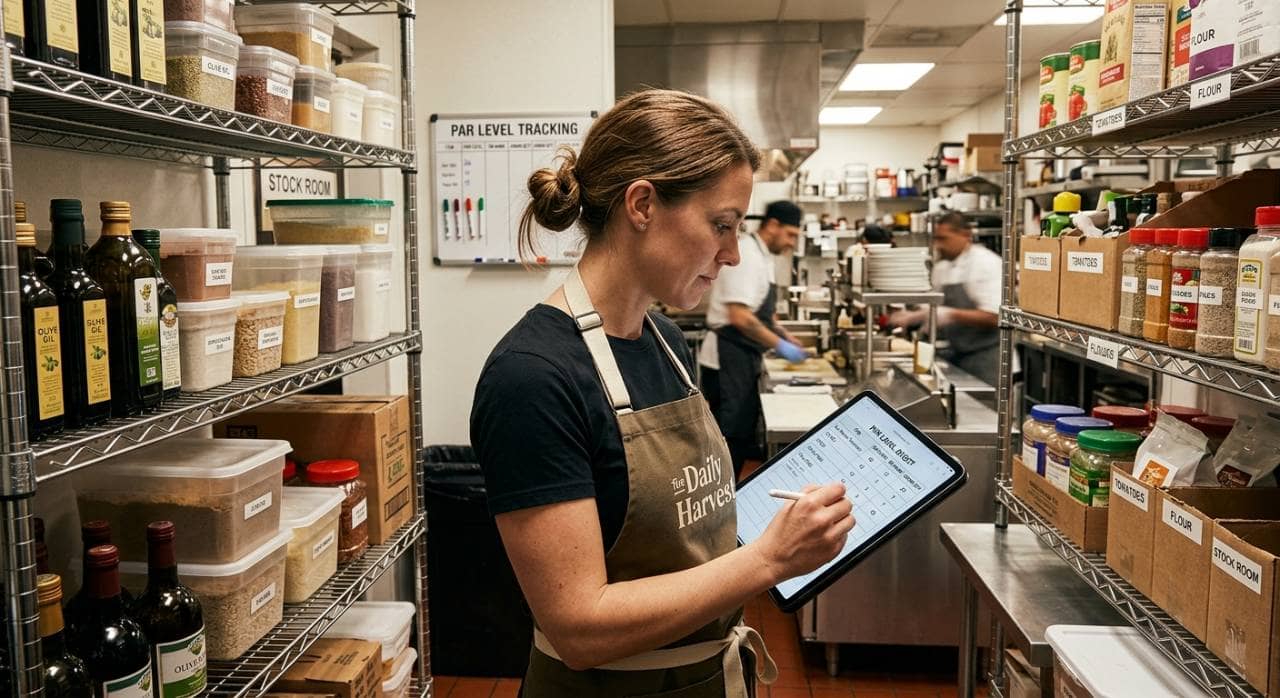
Learn to calculate par levels for restaurant food, beverages, and packaging inventory, preventing stockouts and waste through proper formulas.
Sep 4, 2026
Caribou Coffee appoints Zane Thomas-Rogers as Chief Operations Officer to strengthen execution across its expanding coffeehouse network.
Sep 4, 2026

Unlock Exclusive Access To Webinars, Events, And The Latest News For Free!
BurgerFi faces a high-stakes turnaround with liquidity strain, strategic review, and Chapter 11, reshaping a fast-casual player and its franchise ecosystem.
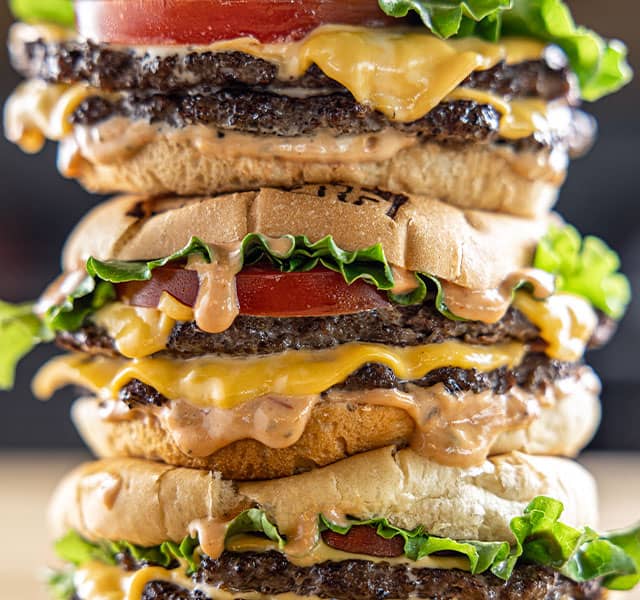
BurgerFi stands at a crossroads where losses stack up and liquidity tightens like a tight lid on a simmering pot. The company disclosed in a Form 10-Q that it missed its latest quarterly filing, warning of significant adverse developments that affected both its business and its cash position. For the quarter ended July 1, sales declined about 4% year over year, translating to roughly $1.8 million less than a year ago. Both BurgerFi and Anthony’s Coal Fired Pizza & Wings showed negative same-store performance, a sign that the broader system still faces pressure. Wages rose and wing prices spiked, pushing the cost curve higher even as demand softened. The numbers foreshadow a larger plan: a net deficit of about $18.4 million for the quarter, with charges of roughly $3 million in fixed assets and $6.7 million tied to right-of-use assets. By late reporting week, cash and cash equivalents hovered near $4.4 million. The SEC filing carried a stark caveat: there is substantial doubt about the ability to continue as a going concern unless the company acts decisively and quickly.
Beyond the headline numbers, BurgerFi’s cash dive paints a picture of a business running lean as costs climb. The quarterly projection wedges into a deficit, while the company warns that the combination of weak same-store performance and higher wages leaves little room for operating leverage. Chicken-wing price volatility adds another layer of uncertainty, complicating any plan to push through price or menu adjustments. Management signals a broader turnaround plan that includes financing moves and possibly asset actions, but the clock is ticking. For investors, the 4.4 million cash balance becomes a focal point for how quickly the company can reconfigure its liquidity runway and avert a deeper crisis.
The trouble for BurgerFi traces to the October 2021 purchase of Anthony’s Coal Fired Pizza & Wings, a deal that added a 61-location East Coast footprint to the platform. The roughly $156.6 million transaction promised scale and momentum, but the integration did not deliver the growth hoped, leading to stagnation and deceleration. The post-merger reality sparked leadership churn, including the ascent of Carl Bachmann, the former president of Smashburger, to CEO earlier in the year. Since the Anthony’s deal, the company has signaled urgency to stabilize cash flow and sharpen its capital structure, while lenders have remained engaged as BurgerFi pursues a broad strategic review. This is the throughline of a story that blends ambition with the hard math of integration and liquidity.
Analysts describe the Anthony’s deal as a turning point with mixed results. The 61-location footprint expanded reach, but integration stalled growth and delayed operating improvements. Leadership turnover, including the appointment of Carl Bachmann as CEO, underscored urgency to stabilize. The outcome: lenders remain engaged while BurgerFi pursues a wide-ranging strategic review that could include asset dispositions or partnerships. The narrative remains a cautionary tale about chasing scale through acquisitions without generating corresponding cash flow, a dynamic that now sits at the center of the turnaround conversation.

In parallel with the strategic review, BurgerFi moved to shore up liquidity. Earlier in the month the company secured $2.5 million in emergency funding under what it described as an Emergency Protective Advance Agreement, a bridge measure as the turnaround plan took shape. Management has been clear that these steps are only a start; additional financing, asset sales, or other strategic moves will be needed to restore balance sheet health. Ongoing talks with lenders continue, though relief is not guaranteed to arrive on any specific timetable. It’s a classic distress pattern: buy time while you map the rest of the path.
The emergency financing acts as a bridge, not a cure. The Emergency Protective Advance Agreement provides temporary liquidity ahead of a longer-term plan, but it depends on future funding or asset moves to finish the job. Management has spoken of ongoing lender discussions and a structured process to weigh strategic options, ranging from refinancings to potential asset sales. In distressed restaurant circles, this is a familiar rhythm: buy time, map the capital structure, and seek a path that preserves brand value while keeping franchise relationships intact.
A central thread in BurgerFi’s narrative is the formal going-concern warning tied to liquidity and forecasted cash flows. The 10-Q emphasizes the stance: based on the company’s liquidity position and the current forecast of operating results, there is substantial doubt about the ability to continue to operate as a going concern absent some other action. The message underscores how fragile the operating environment has become, with negative same-store sales, rising wage costs, and volatile commodity prices intensifying the challenge. Investors read this language as a signal that a reset may be needed, whether through debt relief, asset dispositions, or restructuring moves that redefine the brand’s financial architecture.
Chapter 11 proceedings shift the playing field. The company can reorganize while operations continue, with franchised locations largely preserved as a separate chapter in the story. The bankruptcy process centralizes creditor coordination and allows BurgerFi to address leverage without fully walking away from its brands. Notably, franchise-excluded locations complicate the recovery picture for the ecosystem and suppliers who rely on brand stability. The question now is whether the restructuring will deliver a sustainable balance sheet and a clearer route to profitability, or whether the brand exhausts itself in the process.
BurgerFi’s saga unfolds inside a broader fast-casual landscape. The data show a dip in BurgerFi’s sales, about 7.5% from 2022 to 2023 and a 5.3% drop in unit count as underperforming locations closed. That contrasts with a wider fast-casual burger segment that still grew during that period, highlighting how BurgerFi’s choices and market dynamics diverged from peers. The context helps explain why a high-profile restructuring draws attention: inflation, wage pressures, and post-pandemic demand shifts are reshaping growth expectations across the category.
Looking ahead, BurgerFi’s next moves will likely serve as a litmus test for the fast-casual segment’s resilience in a high-cost environment. The combination of a strategic review, emergency financing, and potential asset dispositions signals a broader recalibration across distressed chains facing comparable headwinds. For shareholders, employees, franchisees, and suppliers, the implications reach beyond one brand, shaping expectations about liquidity under duress, the viability of large-scale integrations, and the pathways to durable profitability in a post-pandemic world.
