
California Penalizes Dickey's for Franchise Disclosure Violations
California shifts to public enforcement strategy against Dickey's for deceptive franchise disclosures, signaling stricter state-level franchise oversight.
Franchising
Sep 10, 2026
California shifts to public enforcement strategy against Dickey's for deceptive franchise disclosures, signaling stricter state-level franchise oversight.
Sep 10, 2026
Paul Brown temporarily steps away from Inspire Brands as Scott Murphy assumes interim CEO role during confidential IPO filing process targeting late 2026.
Sep 10, 2026
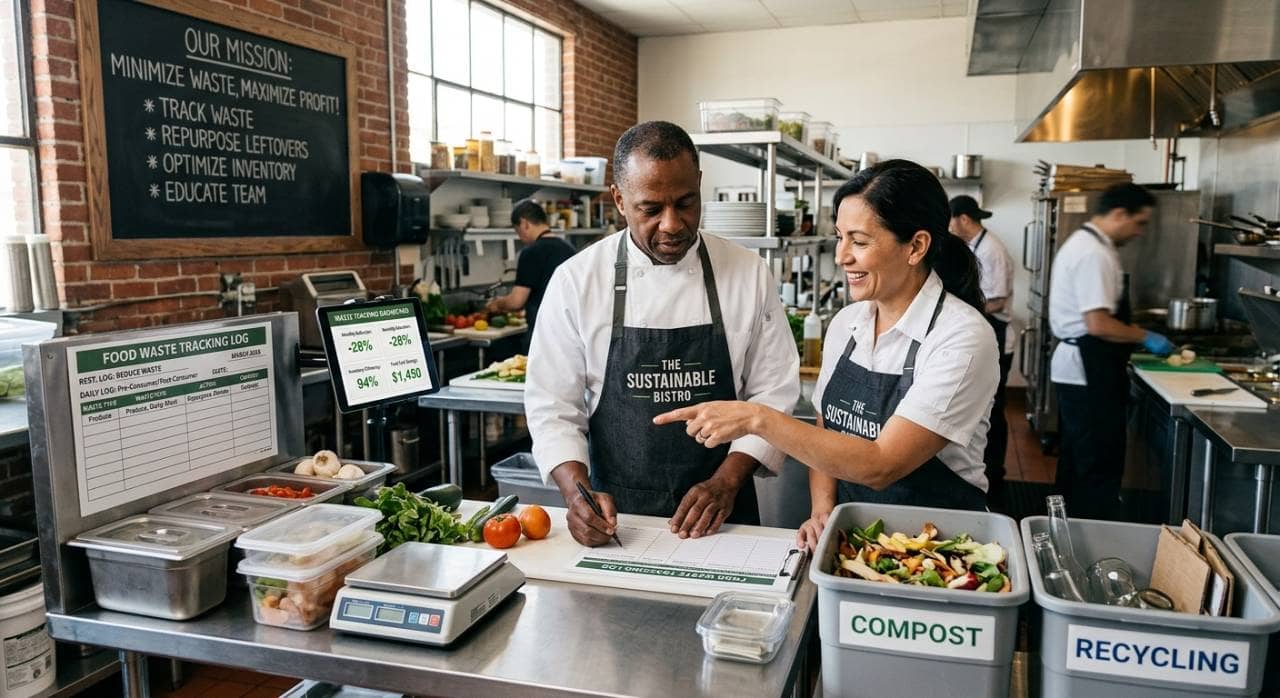
Learn how to reduce food waste in restaurants through smarter purchasing, storage, preparation, and service strategies that cut costs.
Sep 9, 2026
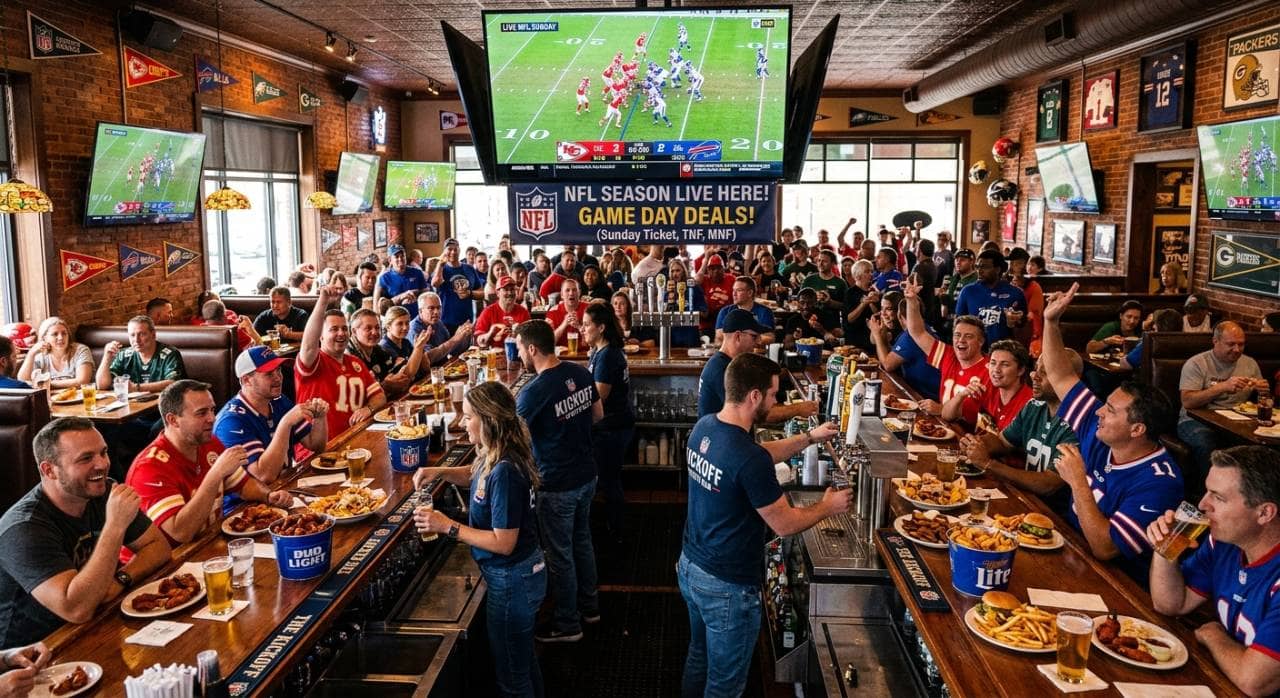
Prepare your restaurant for NFL season with smart menu planning, staffing, marketing, technology, and atmosphere strategies that boost season-long revenue.
Sep 9, 2026
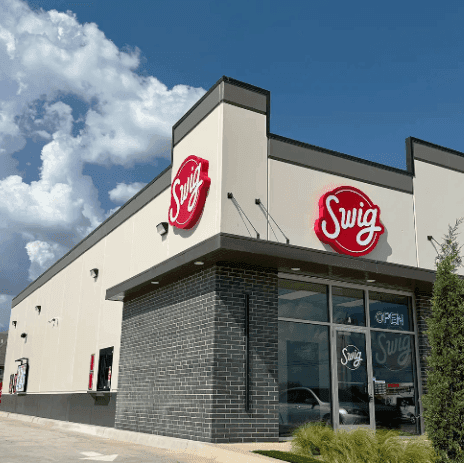
Swig signs franchise agreement for 11 South Denver locations, marking Colorado entry and validating its national expansion strategy.
Sep 8, 2026

Complete guide helping restaurant owners choose essential kitchen equipment - covering cooking, refrigeration, prep, sanitation, ventilation, safety, and long-term maintenance planning.
Sep 7, 2026

QR code menus let restaurants replace paper menus digitally, enabling instant updates, contactless browsing, ordering, and payment through simple smartphone scanning.
Sep 7, 2026

Avoiding common restaurant payroll mistakes - misclassification, tip credit errors, overtime miscalculations - protects businesses from costly penalties, back pay, and compliance risks.
Sep 4, 2026
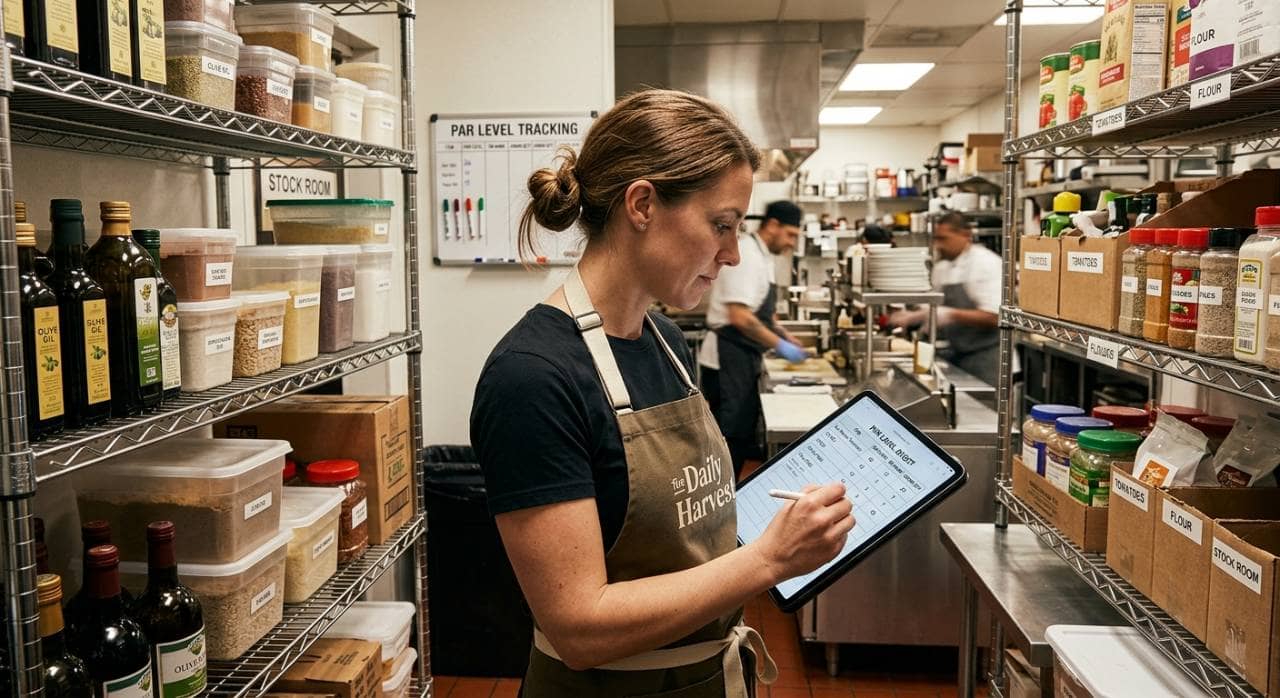
Learn to calculate par levels for restaurant food, beverages, and packaging inventory, preventing stockouts and waste through proper formulas.
Sep 4, 2026
Caribou Coffee appoints Zane Thomas-Rogers as Chief Operations Officer to strengthen execution across its expanding coffeehouse network.
Sep 4, 2026

Unlock Exclusive Access To Webinars, Events, And The Latest News For Free!
2024 reshaped casual dining as major brands closed units, debt mounted, and promotions backfired. Red Lobster led a wave of restructurings signaling sector-wide recalibration.

Photo by James Trenda
Begin with a tremor. In early 2024, the casual dining scene began reshaping itself. Dozens of stores closed as big operators recalibrated their footprints, and the headlines centered on Red Lobster, a veteran in mid‑market seafood, shuttering nearly 100 restaurants and seeking Chapter 11 protection. Other players like TGI Fridays, Bloomin’ Brands, Hooters, and Denny’s also chose to shut underperforming units as labor costs and operating pressures rose. The story wasn’t just about closures. It was about a changing appetite for risk and a sector rethinking what growth looks like in a tougher world. And the market watched closely for signals.
At the center was Red Lobster’s Endless Shrimp promo, priced aggressively, which drew crowds but dragged cash flow into negative territory. Industry observers describe that strategy as emblematic of a larger miscalculation: rapid scale propelled by promotions collided with a deteriorating macro backdrop. The result was traffic gains that dissipated into operating losses and a push toward restructuring. The closures echoed beyond one brand, signaling a broader reconfiguration of where and how communities dine and what it means for workers who depend on these jobs. The season’s stress spilled into boards and kitchens alike, underscoring a hard truth: growth without discipline leaves a fragile margin.

Costs didn’t rise in a single line. They built up over years as wage rules tightened and frontline labor became pricier. A standout headline arrived from California, where the fast‑food minimum wage jumped to $20 an hour in April 2024. Operators described it as a material headwind, especially for brands with dozens or hundreds of units. The policy changes tightened budgets, complicated promotions, and reshaped store‑level P&Ls. For brands with heavy franchise ownership or centralized labor models, the math grew louder and less forgiving as wage floors moved higher while demand wobbled.
Industry observers noted that wage mandates amplified cost structures across both corporate‑owned and franchise‑heavy brands, complicating budgeting, promotions, and store‑level planning. The April 2024 shifts were documented by state resources and followed by ongoing updates on hiring trends. The ripple effect emphasized how labor rules can reshape where and how restaurants operate, pushing operators to rethink staffing, hours, and footprint. In a crowded field, every dollar saved from payroll goes toward cash available for promotions or debt service. As the story evolved, the focus shifted from menu tweaks to balance sheets and the real rate of openings versus closings. The result is a harder road to growth that requires sharper balance‑sheet discipline.
Strategies meant to drive traffic faltered under heavier macro headwinds. Red Lobster’s long‑standing popularity with seafood collided with the economics of high‑volume, low‑margin operations, and the Endless Shrimp promotion emerged as a prominent drag on profitability in 2023. Other brands faced similar pressures: Rubio’s Coastal Grill cited California’s wage increases as a factor behind a wave of closures after 2024 began, and Miracle Restaurant Group, a 25‑unit Arby’s franchisee, filed for bankruptcy in 2024 amid weak same‑store sales and delayed tax refunds tied to Employee Retention Tax Credits. Taken together, these stories illustrate how aggressive promotions and debt can become a liability when inflation sticks around.
So the takeaway is clear: growth bets built on price promotion and debt are vulnerable when macro winds shift. The industry’s tally of closures and restructurings signals a recalibration toward debt discipline, selective footprint management, and more sustainable paths to profitability. Brands that balanced price, value, and unit economics stood out as the ones with a real chance to endure, while others watched costs rise faster than their top lines.
Leadership lines framed the bankruptcy as a necessary step to stabilize the business and preserve operations. When Red Lobster entered Chapter 11, the aim was to reset the balance sheet while keeping restaurant doors open for the long haul. The framing emphasized a focus on core strengths, disciplined units, and a future built on reliable service. It wasn’t a flashy pivot, but a surgical one designed to preserve brand equity during a tough period. In this moment, the industry watched how executives balance liquidity with investments in people, kitchens, and the guest experience.
"This restructuring is the best path forward for Red Lobster. It allows us to address several financial and operational challenges and emerge stronger and re-focused on our growth," said the CEO. The broader signal echoed across the sector: debt management, store rationalization, and a careful path to liquidity would define who survives and who shutters. It’s a quiet, essential truth: leadership matters most when headlines scream, and steadiness wins when the market is volatile.

Timeline matters. Red Lobster filed for Chapter 11 in May 2024, days after shuttering dozens of units as part of a footprint rationalization. The restructuring plan included court‑supervised financing and a sale strategy aimed at maximizing value while preserving operations. The wake of that move set a tone of balance‑sheet discipline that dominated coverage through the year. The process moved with court oversight toward an exit later in 2024, signaling a staged, controlled easing rather than a sudden stop.
Beyond Red Lobster, the ripple effects stretched through the industry. Rubio’s Coastal Grill shut 48 California restaurants in mid‑2024 amid rising costs, while chatter about Hooters’ status and potential restructurings in 2025 kept the conversation alive. The episode underscored a sector that will be measuring how quickly demand and labor markets re‑stabilize, and whether consolidation helps or hurts communities. Observers argue that nimbleness, targeted investments in menu relevance, and efficient operations will matter most as operators navigate ongoing macro pressures and the slow path to recovery.
