
California Penalizes Dickey's for Franchise Disclosure Violations
California shifts to public enforcement strategy against Dickey's for deceptive franchise disclosures, signaling stricter state-level franchise oversight.
Franchising
Sep 10, 2026
California shifts to public enforcement strategy against Dickey's for deceptive franchise disclosures, signaling stricter state-level franchise oversight.
Sep 10, 2026
Paul Brown temporarily steps away from Inspire Brands as Scott Murphy assumes interim CEO role during confidential IPO filing process targeting late 2026.
Sep 10, 2026
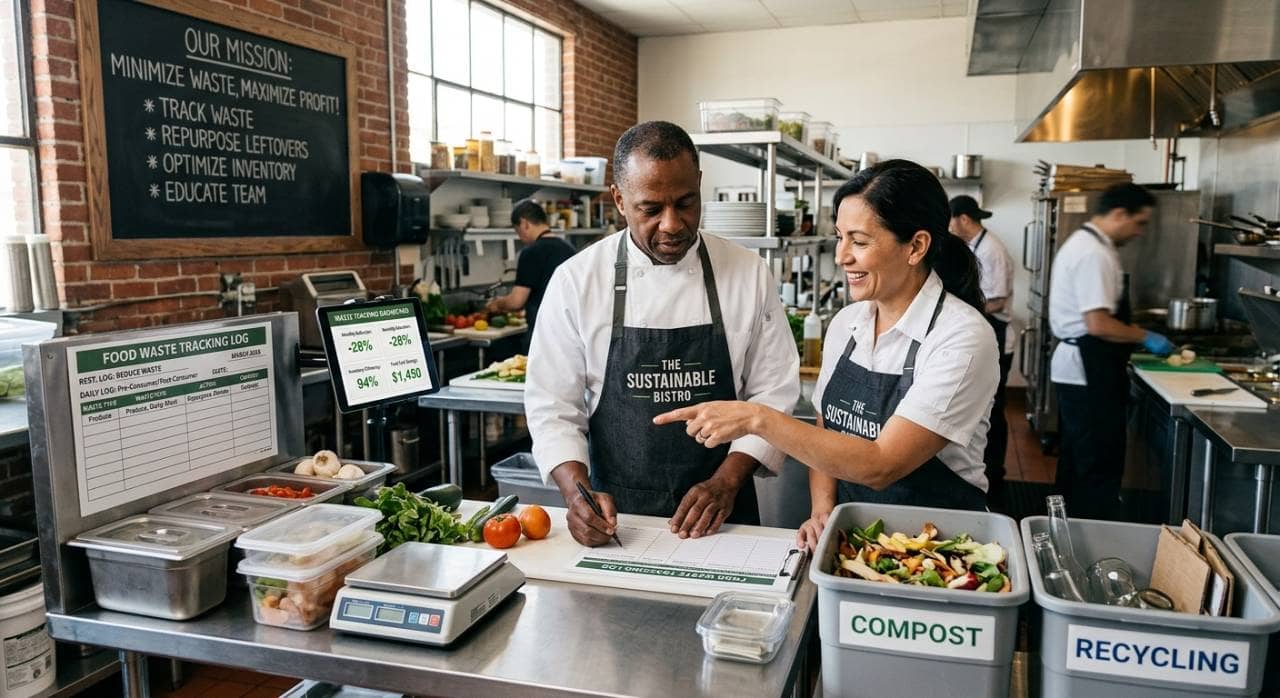
Learn how to reduce food waste in restaurants through smarter purchasing, storage, preparation, and service strategies that cut costs.
Sep 9, 2026
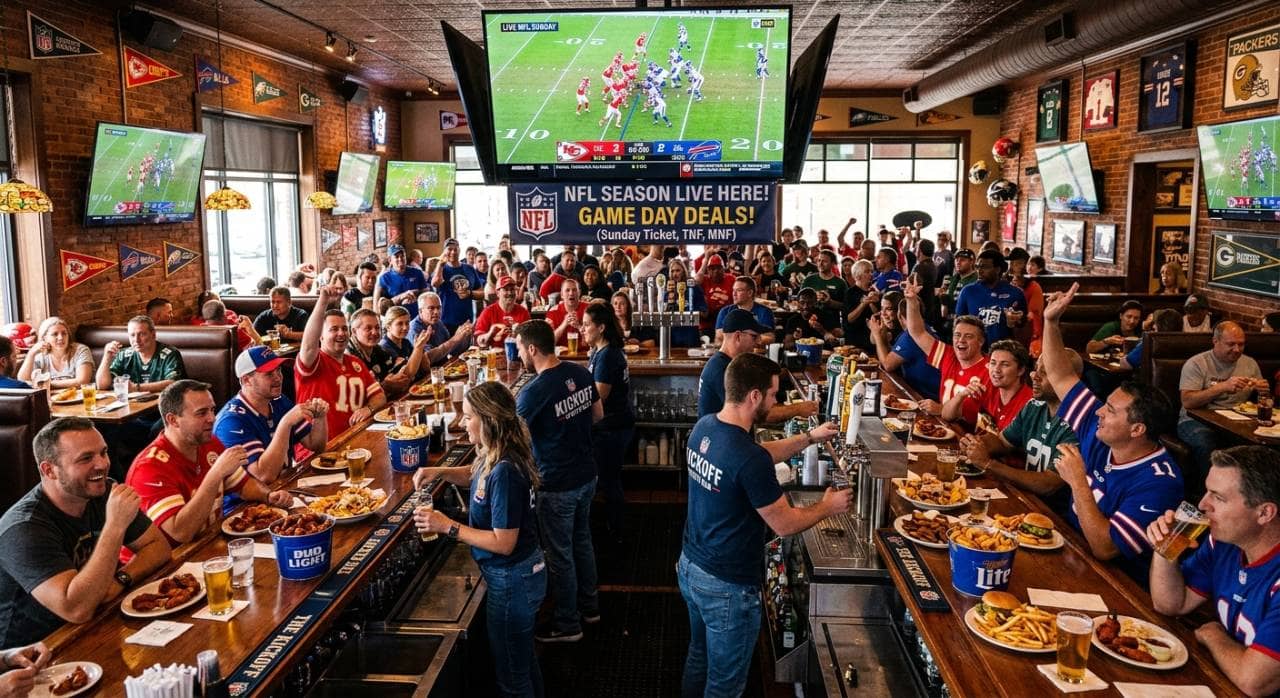
Prepare your restaurant for NFL season with smart menu planning, staffing, marketing, technology, and atmosphere strategies that boost season-long revenue.
Sep 9, 2026
Swig signs franchise agreement for 11 South Denver locations, marking Colorado entry and validating its national expansion strategy.
Sep 8, 2026

QR code menus let restaurants replace paper menus digitally, enabling instant updates, contactless browsing, ordering, and payment through simple smartphone scanning.
Sep 7, 2026

Complete guide helping restaurant owners choose essential kitchen equipment - covering cooking, refrigeration, prep, sanitation, ventilation, safety, and long-term maintenance planning.
Sep 7, 2026

Avoiding common restaurant payroll mistakes - misclassification, tip credit errors, overtime miscalculations - protects businesses from costly penalties, back pay, and compliance risks.
Sep 4, 2026
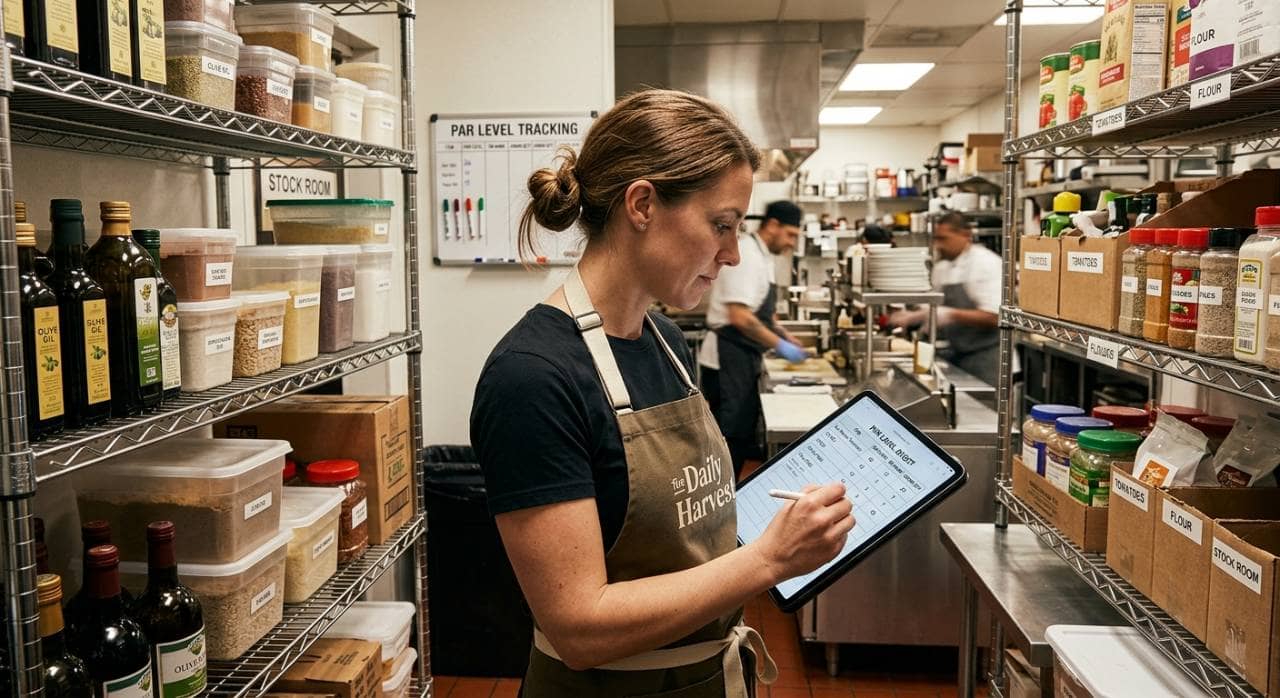
Learn to calculate par levels for restaurant food, beverages, and packaging inventory, preventing stockouts and waste through proper formulas.
Sep 4, 2026
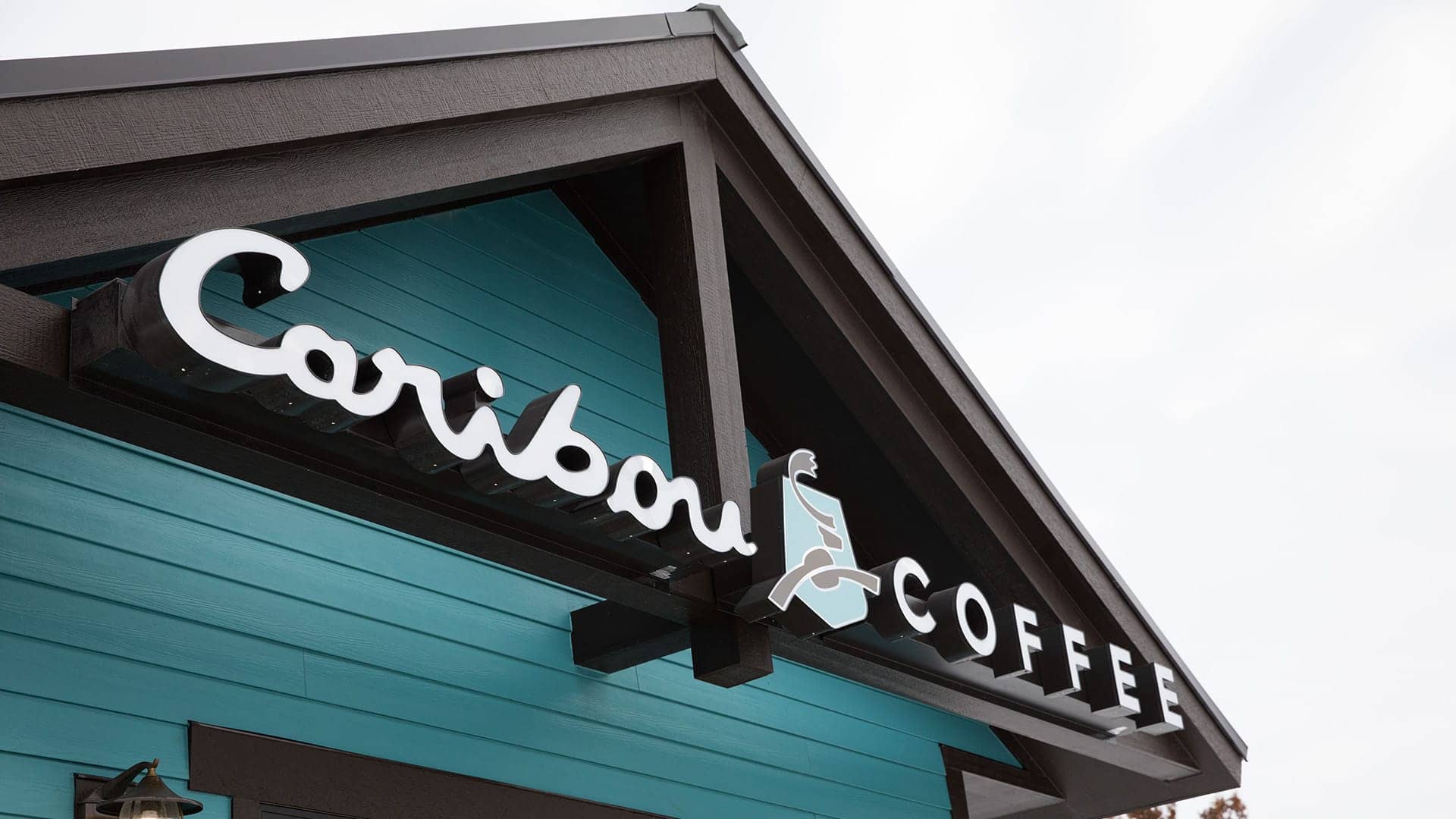
Caribou Coffee appoints Zane Thomas-Rogers as Chief Operations Officer to strengthen execution across its expanding coffeehouse network.
Sep 4, 2026

Unlock Exclusive Access To Webinars, Events, And The Latest News For Free!
A major Pizza Hut franchisee's Chapter 11 filing triggers store sales and network realignment, signaling a broader shift in franchising dynamics.

Photo by Cathal Mac an Bheatha
From the glow of dining rooms to the quiet rooms of the courthouse, the latest ripple in American franchising began with a filing. EYM Pizza L.P. sought Chapter 11 protection in the Eastern District of Texas, a move that would ripple across its Wisconsin and Indiana affiliates and reshape a national footprint once home to roughly 140 restaurants. The filing was more than a legal pivot; it was a test of how a brand and its owners balance royalties, debt, and the daily need to feed customers. The outcome would reverberate through the system, reframing what growth can look like under pressure:
At the petition stage, the debtor’s liabilities and creditor mix underscored the severity of the stress. The largest creditor was Manufacturers Bank, with debts exceeding $21 million, while Pizza Hut claimed just under $2.25 million. Before filing, EYM shuttered more than 15 locations in Ohio and Indiana, a sign of liquidity strain that would escalate in the months ahead. The dispute with Pizza Hut and a series of forbearance steps set the stage for a broader reckoning of how franchisees sustain operations when money is tight. The chapter process would test whether a network can be preserved or pruned:

EYM was founded in 2008 by Eduardo Diaz, who formerly served as president of McDonald’s Mexico. The group began operating Pizza Hut locations in 2015 and grew to approximately 140 stores across the South and Midwest, with affiliated entities in Wisconsin and Indiana. In the months leading to the bankruptcy, liquidity pressures, missed royalties, mounting debt, and strategic restructurings, piled up, underscoring a broader multi-brand strategy that stretched the balance sheet as the pandemic-era economy evolved.
That growth rested on a multi-brand approach that broadened revenue streams but tightened the debt picture. As revenues faltered, disputes with Pizza Hut emerged, including forbearance terms that weighed on cash flow. By leaning into asset flexibility, EYM signaled a pivot to preserve brand presence while pursuing a comprehensive restructure. The tension between royalties and liquidity lay at the heart of the case, shaping decisions about which brands to retain and which to align with a new plan when the time came.
With its Chapter 11 petition filed in July 2024, EYM signaled a willingness to reorganize, asset-sell, and potentially refocus its portfolio. The plan called for selling a substantial portion of the Pizza Hut units; by early 2025, court records showed a total of 127 stores facing sale across Illinois, Indiana, Georgia, South Carolina, and Wisconsin. An auction in Dallas on January 28, 2025 yielded Pizza Hut-acquired stores, while five other bidders won the remaining units, collectively paying roughly $11.1 million for the non-Pizza Hut portfolio and $720,000 for the stores acquired by Pizza Hut. This sale activity left 77 stores in operation, highlighting a rapid, asset-light realignment of EYM’s network:
The auction moved quickly, echoing a broader shift in franchise networks toward lean, capital-light structures. The court filings through 2025 showed ongoing activity around a plan, including administrative expenses by Pizza Hut and other creditors and motions to sell assets under Section 363. The outcome suggested a pivot from aggressive expansion to selective retention, a process that can yield a more balanced, nourishing network, one that emphasizes core locations and sustainable growth rather than sheer size.

Paths to bankruptcy were paved by a cycle of disputes and operating strain. EYM’s own suit against Pizza Hut claimed breaches of fiduciary duty, while the franchisor answered with its own breach-of-contract action. The turning point arrived when Pizza Hut issued default notices and terminated the forbearance period in February, highlighting the friction between royalties and franchisee liquidity. By June 2024, counterclaims were on the docket, and EYM began shuttering additional units, about 15 Pizza Hut locations in Northwest Indiana and Central Ohio, before the bankruptcy filing. “Pizza Hut continued to serve default notices and sent a notice of termination of the forbearance period in February,” as contemporaneous reporting observed, illustrating how tension translated into closures and a widening operational gap:
That pressure helped crystallize a broader shift: the business of franchising is as much about cash flow as cuisine. The case reflected how a franchisor-franchisee relationship can become a crucible for royalties, forbearance, and performance under stress, while also showing how a brand can endure through strategic repositioning, selling some assets to capable buyers and retooling the network for resilience and mindful growth.
Industry context offers a broader lens on EYM’s story: a wave of restaurant reorganizations signaling a recalibration of costs, leases, and labor. In parallel, Red Lobster filed for Chapter 11 in May 2024 and moved toward plan confirmation, while One Table Restaurant Brands (Tender Greens and Tocaya) pursued restructuring and asset sales under Breakwater Management’s oversight. The market also saw MOD Pizza exploring options and ultimately pursuing a sale to preserve brand presence. Together, these cases reveal how lenders and operators are embracing asset-light strategies while brands protect market presence through targeted acquisitions and closures:
Uncertainties remain, including how many stores will reopen under new ownership and at what pace. The One Table and Tender Greens/Tocaya restructurings point to lenders as potential buyers, yet recoveries for general unsecured creditors can vary widely. Ongoing docket activity, administrative expense applications and potential asset-sale settlements, will continue to shape the final landscape for EYM’s Pizza Hut operations. The broader question ahead: what does this reshaping mean for Pizza Hut’s footprint and for the health of its franchisee network in a difficult economy? The answer will depend on the success of these reorganizations and the shifting tides of markets.
