Authentic Restaurant Brands Secures $325M from Trimontium
Authentic Restaurant Brands lands $325M investment from Trimontium to fuel disciplined regional expansion across five established restaurant concepts.
Business Growth
Sep 11, 2026
Authentic Restaurant Brands lands $325M investment from Trimontium to fuel disciplined regional expansion across five established restaurant concepts.
Sep 11, 2026

Walmart expands restaurant delivery beyond Subway and Dunkin', taking on DoorDash, Uber Eats, and Grubhub with Papa Johns nationwide rollout.
Sep 11, 2026

Southern casual dining chain O'Charley's shut down all 47 company-owned locations nationwide on September 9, 2026, with minimal warning.
Sep 11, 2026

California shifts to public enforcement strategy against Dickey's for deceptive franchise disclosures, signaling stricter state-level franchise oversight.
Sep 10, 2026
Paul Brown temporarily steps away from Inspire Brands as Scott Murphy assumes interim CEO role during confidential IPO filing process targeting late 2026.
Sep 10, 2026
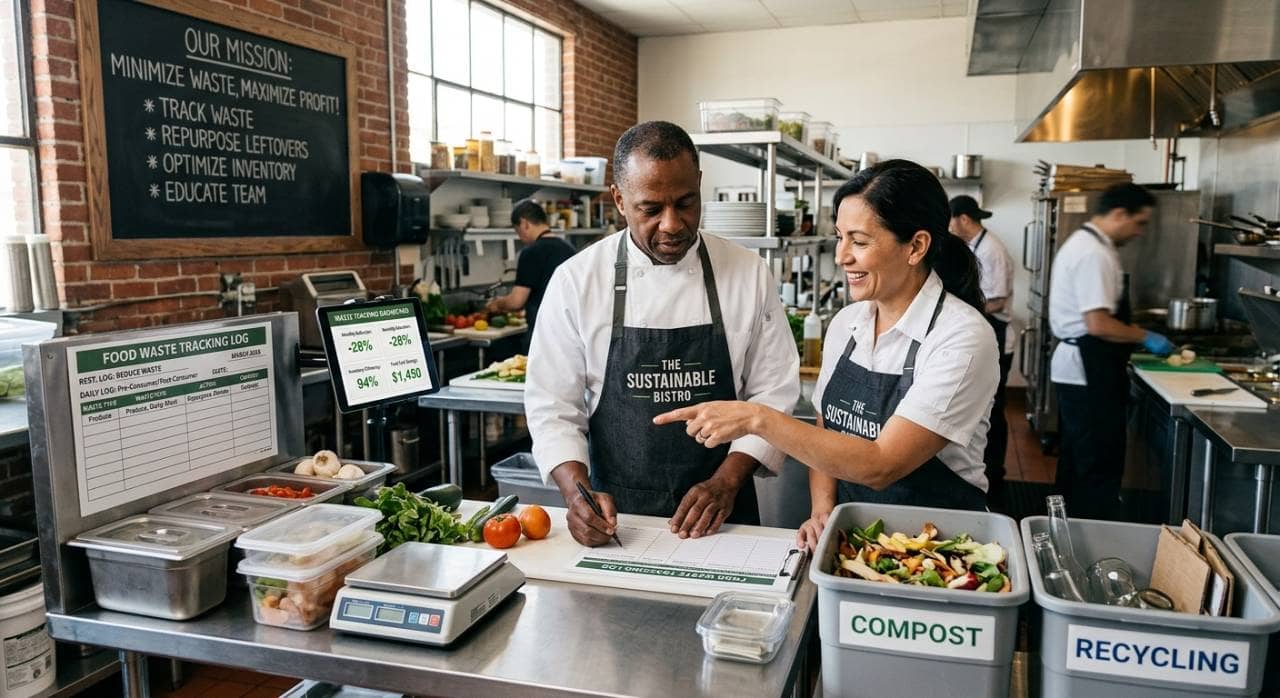
Learn how to reduce food waste in restaurants through smarter purchasing, storage, preparation, and service strategies that cut costs.
Sep 9, 2026
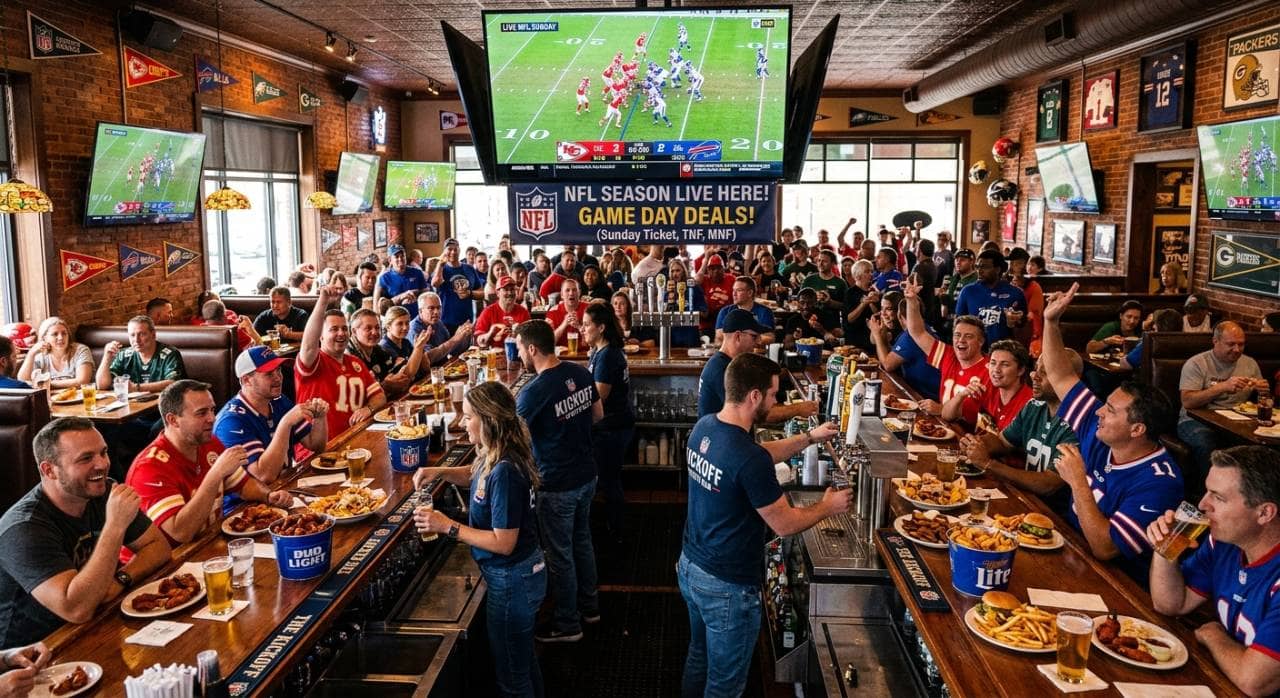
Prepare your restaurant for NFL season with smart menu planning, staffing, marketing, technology, and atmosphere strategies that boost season-long revenue.
Sep 9, 2026
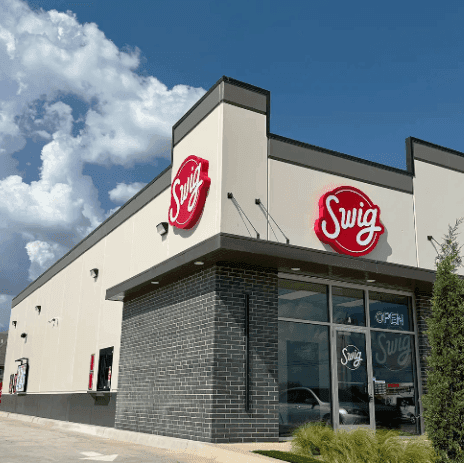
Swig signs franchise agreement for 11 South Denver locations, marking Colorado entry and validating its national expansion strategy.
Sep 8, 2026
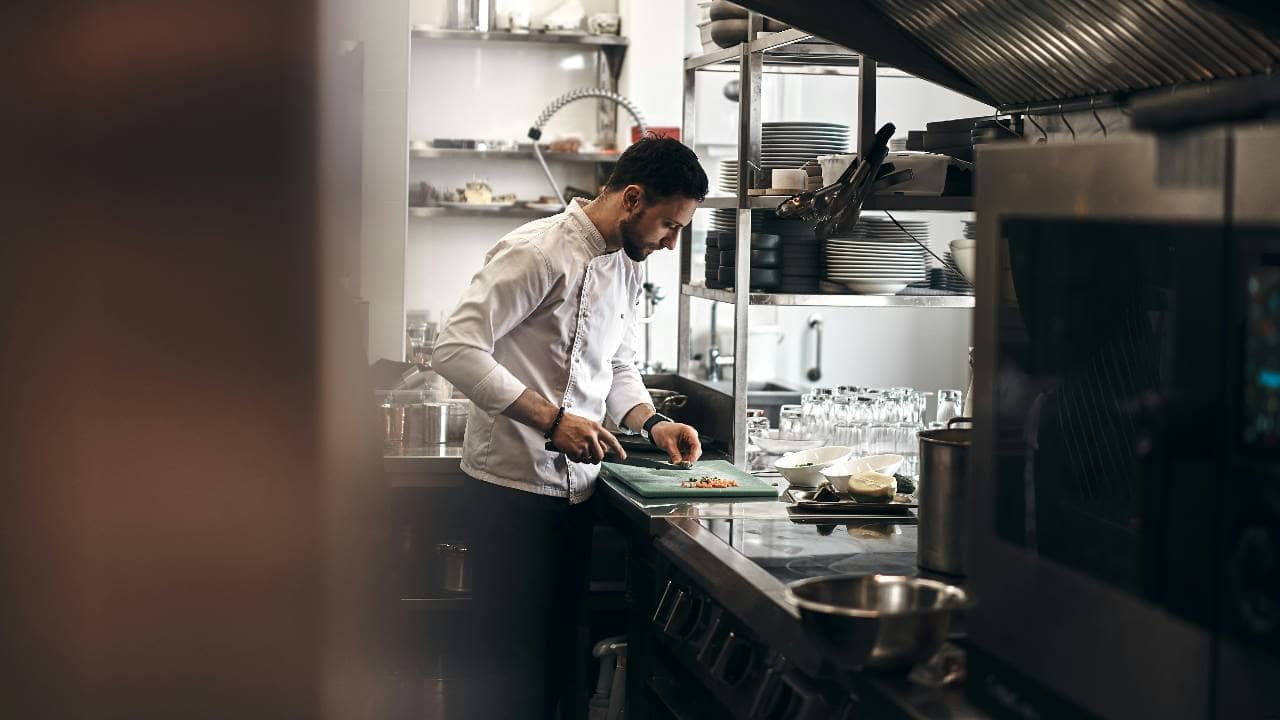
Complete guide helping restaurant owners choose essential kitchen equipment - covering cooking, refrigeration, prep, sanitation, ventilation, safety, and long-term maintenance planning.
Sep 7, 2026
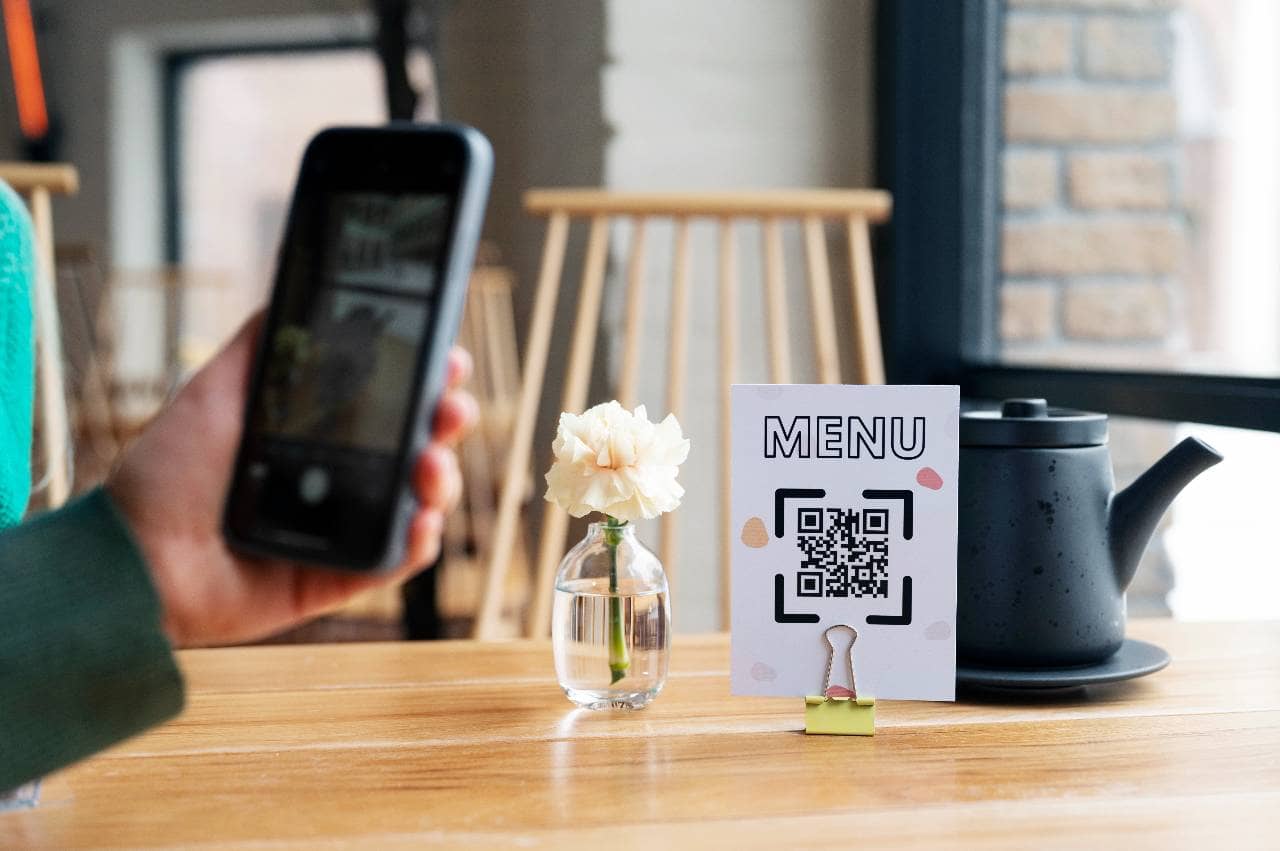
QR code menus let restaurants replace paper menus digitally, enabling instant updates, contactless browsing, ordering, and payment through simple smartphone scanning.
Sep 7, 2026

Unlock Exclusive Access To Webinars, Events, And The Latest News For Free!
Chick-fil-A launches in Singapore as a springboard for Asia expansion, backed by $75M and local ownership, while robotics reshape the dining world.

Photo by Vaibhav Raina
Chick-fil-A is betting big on international growth, picking Singapore as a launchpad. The plan sweeps in a long-term commitment of $75 million over the next decade and a move toward a locally led footprint instead of a fully corporate-operated model. By late 2025, the first Singapore restaurant should open, signaling Asia as a core battleground for the brand. This isn’t just about doors; it’s a blueprint for a regional strategy that blends hospitality with community touchpoints and social impact. The decade ahead will test how far this model travels.
In a move that signals local entrepreneurship, Chyn Koh is named as the first local Owner-Operator in Asia, with the Bugis+ site highlighted as the inaugural location. The timing is clear: late 2025 opens, then a broader Singapore network as the brand deepens its regional footprint. The plan frames social impact as part of the rollout, donation programs tied to openings and ongoing support for the Shared Table initiative. Taken together, the Singapore debut is pitched as the opening chapter of a decade-long, multi-market expansion.

Leadership Voices on Expansion frame the move as a deliberate evolution. Anita Costello, chief international officer, describes Asia and Europe as logical extensions of a global growth story, with local Owner-Operators guiding daily guest experiences. The message centers on a hospitality-first ethos and a shift from a US-centric footprint to a globally embedded operation. For observers, this approach signals both bold ambition and a deep commitment to community engagement through local hiring and charitable partnerships that anchor the brand in new markets.
The August 2025 timing underscores a pattern: Europe and Asia openings will begin with local Ownership before scale expands. Singapore’s first restaurant will be led by a local entrepreneur, reinforcing the philosophy that hospitality is best delivered with intimate community knowledge. This framing aligns with a broader tenet: local leadership helps navigate regulatory and cultural nuances. The strategy remains patient yet purposeful, with 2025 as a pivotal year and a roadmap to 2030 that pairs growth with local accountability.

Singapore’s entry centers on a locally owned model, with Chyn Koh as the first local Owner-Operator. The inaugural site at Bugis+ signals a strategy to anchor in dense urban hubs with high foot traffic. The plan calls for a late-2025 opening, followed by a broader network as the brand deepens its regional footprint. Social commitments, donation programs tied to openings and ongoing support for the Shared Table initiative, are pitched as core to the experience, not an add-on. It’s a careful blend of brand consistency and local flavor.
Community and momentum are at the heart of the plan. The Singapore launch sits inside a decade-long investment in Asia, with European markets on the horizon too. The company emphasizes a structured model that respects local tastes while preserving the hospitality standard fans expect. Stakeholders will be watching how the local leadership translates into service nuances, training pipelines, and partnerships with social programs. If the first store proves successful, it could become a template for a larger network across the city and beyond, showing how a brand can scale with a locally fueled heartbeat.
Automation enters the mix is not a gimmick, it's a strategy to address throughput, consistency, and guest experience in high-volume settings. A landmark collaboration pairs Ghost Kitchen Brands with Richtech Robotics to deploy AI-driven and humanoid beverage systems across 20 Walmart-located One Kitchen restaurants in Arizona, Colorado, and Texas. Richtech will handle programming, maintenance, and repair, while Ghost Kitchens manages staffing and location logistics. It’s a real-world test of robotics in fast-casual environments, blending automation with human operations to keep lines moving and orders accurate.
ADAM and other humanoid/beverage systems are highlighted as part of a broader robotics roadmap. Walmart deployments illustrate a scalable, on-site model where AI helps bartenders and servers with repetitive tasks, reducing bottlenecks during peak hours. The industry has quietly begun to treat robots as a standard operating component in busy spaces, a trend that will pressure labor models, training, and customer service design. While the tech is still evolving, the early results point to higher throughput and more consistent experiences, big wins for operators grappling with labor shortages and rising costs.
Context, gaps, and questions acknowledge a smart but complex rollout. The Singapore debut is well-documented, but timelines, regulatory approvals, and robot-assisted customer reception remain evolving questions. Observers note that UK and Singapore expansions surfaced in 2025, with local ownership emphasized for both regions. The Asia push will be measured against a 2030 European/Asian expansion plan and the pace of automation adoption in parallel with franchising. It’s a test of how fast a global brand can localize and still keep guest experiences human and warm.
Implications for the market emerge from a dual-track strategy: ambitious cross-border growth paired with robotics-enabled operations that address labor and throughput pressures. The Singapore launch shows how brand fidelity, local ownership, and charitable partnerships can fuel expansion. The Ghost Kitchens–Richtech collaboration hints at a broader industry future where AI and robotics become standard in busy dining. For operators and investors, success will hinge on preserving hospitality as a human touch while ensuring tech actually frees up staff to serve better guests at scale.
