California Penalizes Dickey's for Franchise Disclosure Violations
California shifts to public enforcement strategy against Dickey's for deceptive franchise disclosures, signaling stricter state-level franchise oversight.
Franchising
Sep 10, 2026
California shifts to public enforcement strategy against Dickey's for deceptive franchise disclosures, signaling stricter state-level franchise oversight.
Sep 10, 2026
Paul Brown temporarily steps away from Inspire Brands as Scott Murphy assumes interim CEO role during confidential IPO filing process targeting late 2026.
Sep 10, 2026
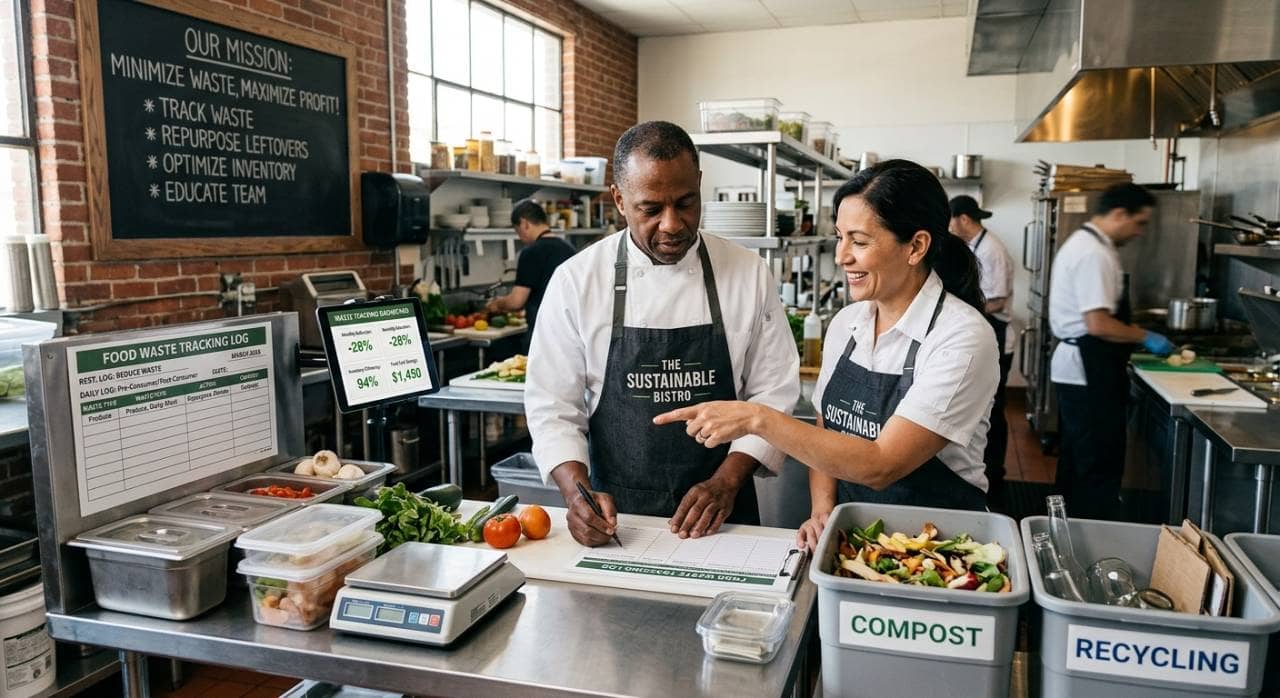
Learn how to reduce food waste in restaurants through smarter purchasing, storage, preparation, and service strategies that cut costs.
Sep 9, 2026
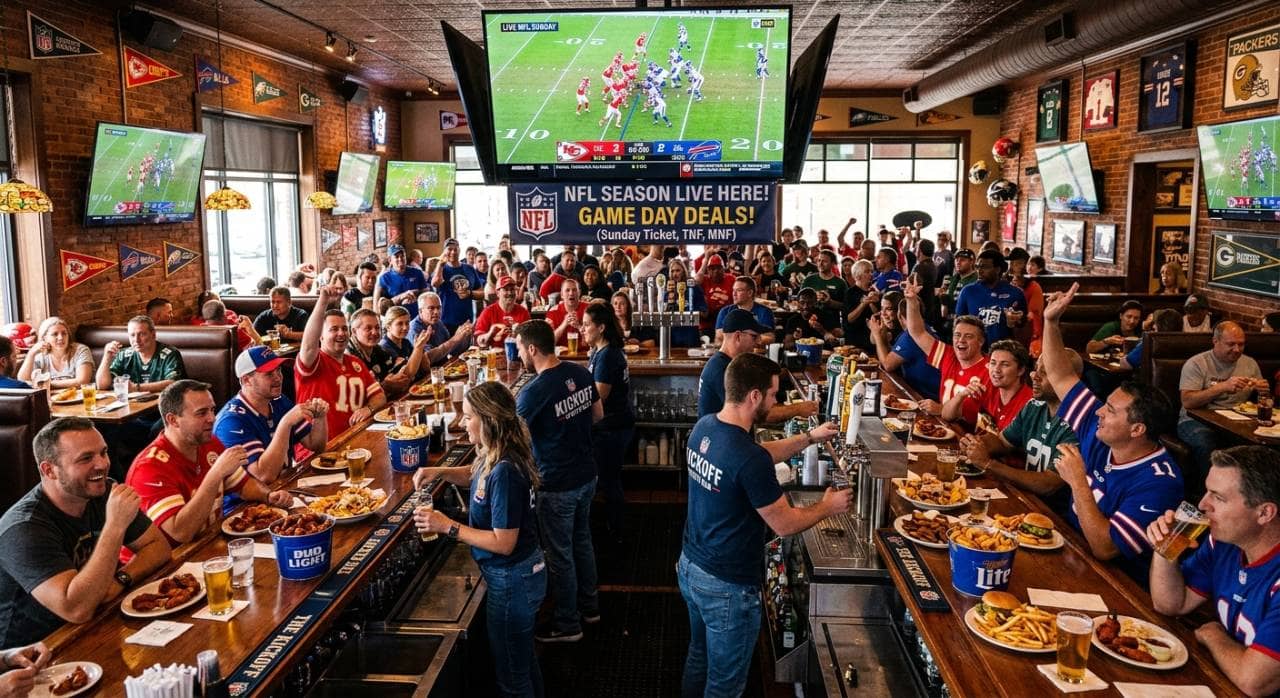
Prepare your restaurant for NFL season with smart menu planning, staffing, marketing, technology, and atmosphere strategies that boost season-long revenue.
Sep 9, 2026
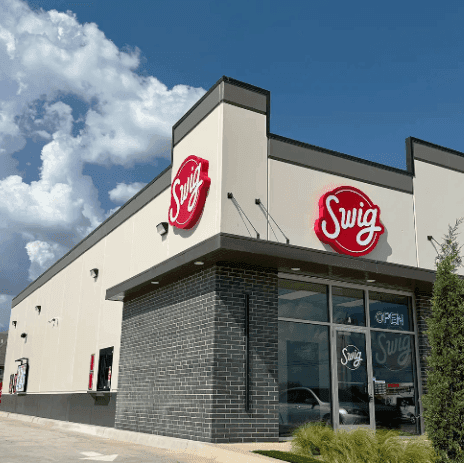
Swig signs franchise agreement for 11 South Denver locations, marking Colorado entry and validating its national expansion strategy.
Sep 8, 2026

Complete guide helping restaurant owners choose essential kitchen equipment - covering cooking, refrigeration, prep, sanitation, ventilation, safety, and long-term maintenance planning.
Sep 7, 2026
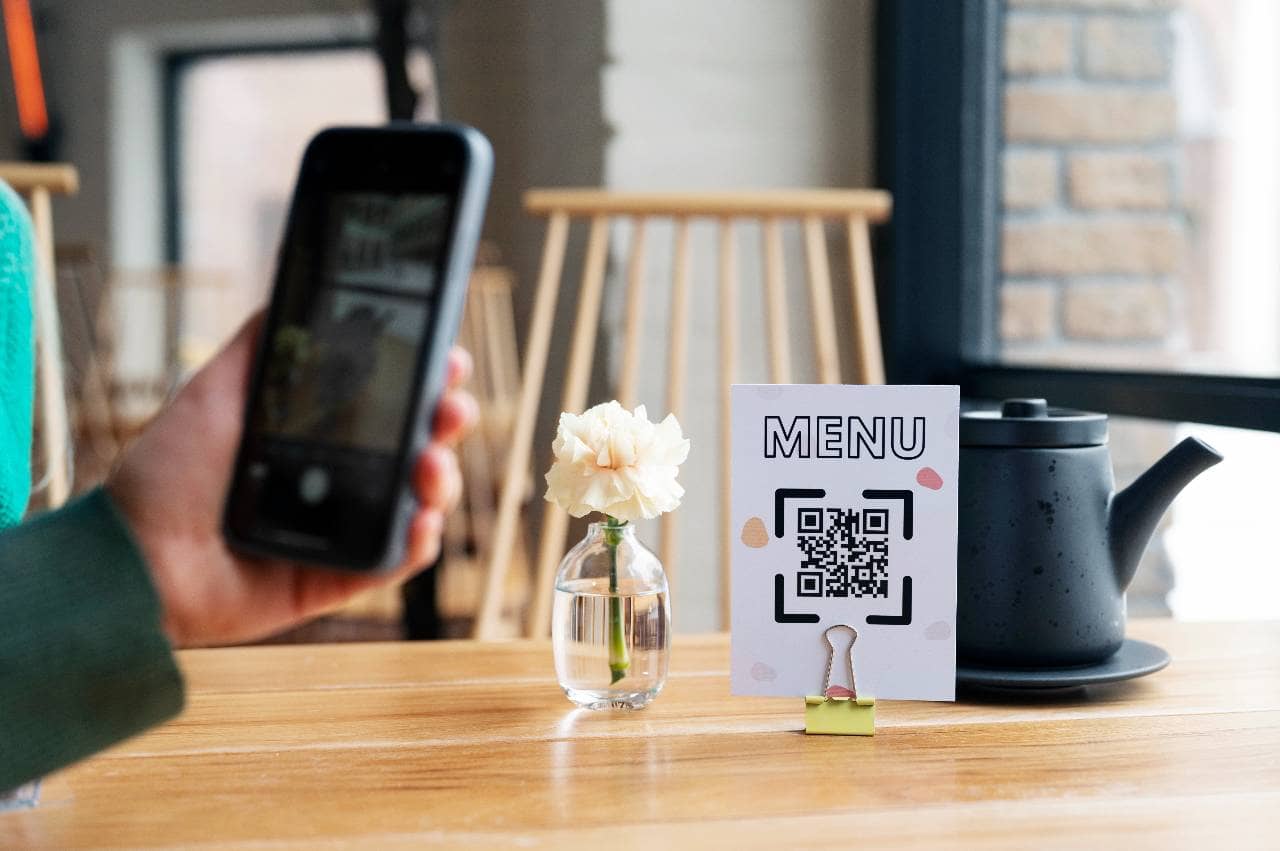
QR code menus let restaurants replace paper menus digitally, enabling instant updates, contactless browsing, ordering, and payment through simple smartphone scanning.
Sep 7, 2026

Avoiding common restaurant payroll mistakes - misclassification, tip credit errors, overtime miscalculations - protects businesses from costly penalties, back pay, and compliance risks.
Sep 4, 2026
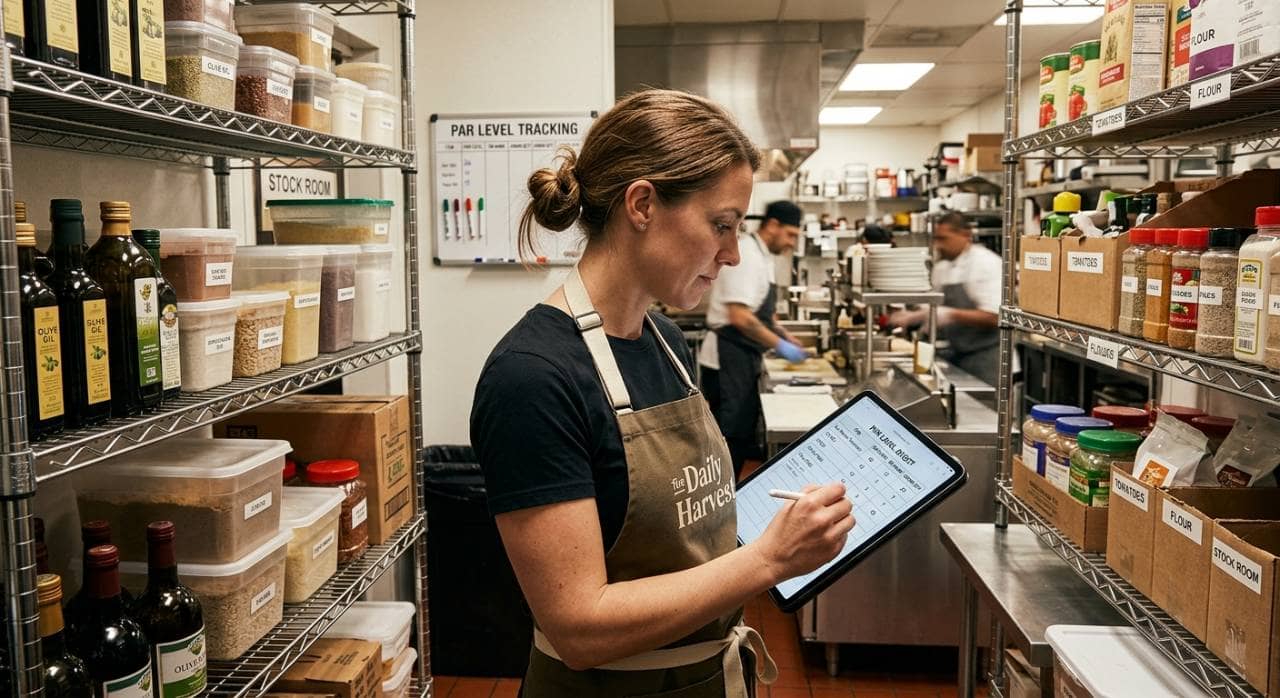
Learn to calculate par levels for restaurant food, beverages, and packaging inventory, preventing stockouts and waste through proper formulas.
Sep 4, 2026
Caribou Coffee appoints Zane Thomas-Rogers as Chief Operations Officer to strengthen execution across its expanding coffeehouse network.
Sep 4, 2026

Unlock Exclusive Access To Webinars, Events, And The Latest News For Free!
Union effort at Compass Coffee stalls as ballots are reviewed amid bankruptcy, with regulators weighing contested votes.

Photo by Ruben Ramirez
A high-stakes union drive at Compass Coffee in Washington, D.C., has entered a state of flux as elections at five locations were suspended amid a dispute over ballot validity. Organizers allege a substantial share of contested ballots came from workers hired in the run-up to the vote, muddying the waters and dragging the process into the regulatory arena. The National Labor Relations Board’s regional director now weighs whether any of the roughly 101 contested ballots should be opened or counted, while a handful of unchallenged ballots, 22 in total, favored the union. Compass is navigating a Chapter 11 reorganization filed in January 2026 as it weighs its options. The stage is set for a regulatory reckoning that could determine whether the organizing effort succeeds or stalls.
The dispute centers on ballot legitimacy and the process under the National Labor Relations Act. The NLRB regional director has the authority to decide whether to open or count the contested votes, and formal objections can trigger hearings and further proceedings. For the five petitioned cafés, four showed pro-union sentiment among participating workers, but the final tally hinges on how many contested ballots are sustained. This is a case where objections, timing, and eligibility disputes can reshape outcomes even when a majority seems to back representation.
The organizing push began when workers at seven Compass locations filed petitions to join Compass Coffee United, a Workers United affiliate, to form a bargaining unit. In the weeks that followed, organizers reported strong support among eligible staff, signaling a desire for formal representation. The campaign sits within a broader wave of organizing in the coffee sector, with Bluestone Lane and OCF Coffee House drawing attention. Coverage from 2024–2025 highlighted worker demands for scheduling, wages, and benefits, alongside management’s pushback, including a hiring spree critics described as a tactic to dilute union support. The alignment with Workers United connects Compass’s dispute to the larger national conversation around union elections in retail and hospitality.
The broader context matters. The organizing effort mirrors a wide pattern in specialty coffee as unions push for better scheduling, pay, and benefits. The conversations around Compass intersect with ongoing labor activity at other chains and the high-profile Starbucks organizing saga that has shaped how regulators and employers approach elections. The message is clear: these votes become tests of how quickly, and how fairly, workers can secure a voice at the table.
Key questions hinge on ballot legitimacy and the regulatory pathway under the National Labor Relations Act. The NLRB regional director decides whether to open or count the contested votes, and objections from any party can trigger hearings and further proceedings. In the five petitioned cafés, early readings suggested pro-union sentiment among participating workers, but the fate of those results rests on how many challenged ballots survive formal review. The case showcases how the architecture of regulation can mute or magnify worker sentiment depending on technical outcomes.
This process demonstrates that objections, timing, and eligibility disputes can shape outcomes even when a majority appears to support representation. The regulator’s decisions will not just count votes; they will set the frame for how a union drive unfolds in a distressed retail model.

On the union side, organizers signaled a strategic fight over the integrity of the election. A social-media post attributed to Compass Coffee United charged that the company’s hiring spike, over 100 workers for petitioned cafes, tagged the process with illegal union-busting tactics. The union argued cooperation could have yielded the same result without litigation. On the corporate side, Washington Post coverage quoted CEO Michael Haft saying, 'As a fourth-generation Washingtonian, I started Compass to build something meaningful for this city and the people who show up for it every day.' Those words frame the public faces as regulators weigh the ballots.
The narrative centers on the moments when leadership and labor meet at the door of a court-like process. It’s a clash of rhetoric, yet it’s grounded in the practical reality that contested ballots, hearings, and the bankruptcy timeline can tilt the scale before a single vote is certified.
Beyond the public statements, many facts remain unresolved as regulators deliberate. The impact of unit-packing claims and the final count of valid votes will depend on the NLRB’s determinations and any hearings that follow. Compass management had not issued a public response to the ballot disputes, creating a gap between organizers’ claims and leadership’s official position. The interplay among the union drive, regulatory review, and the bankruptcy schedule will mold the timeline for certification, concessions, and the path toward bargaining for Compass workers.
Taken together, the Compass case offers a window into how frontline workers’ rights to organize intersect with corporate strategy under stress. Contested ballots, potential hearings, and bankruptcy dynamics can delay or redefine outcomes in retail foodservice. The regulatory decisions will influence industry practices, including how employers prepare for votes and how unions mobilize during extended certification processes. Clear, transparent communications from both sides will be essential as timelines tighten and the labor movement shapes the hospitality sector.