
California Penalizes Dickey's for Franchise Disclosure Violations
California shifts to public enforcement strategy against Dickey's for deceptive franchise disclosures, signaling stricter state-level franchise oversight.
Franchising
Sep 10, 2026
California shifts to public enforcement strategy against Dickey's for deceptive franchise disclosures, signaling stricter state-level franchise oversight.
Sep 10, 2026
Paul Brown temporarily steps away from Inspire Brands as Scott Murphy assumes interim CEO role during confidential IPO filing process targeting late 2026.
Sep 10, 2026
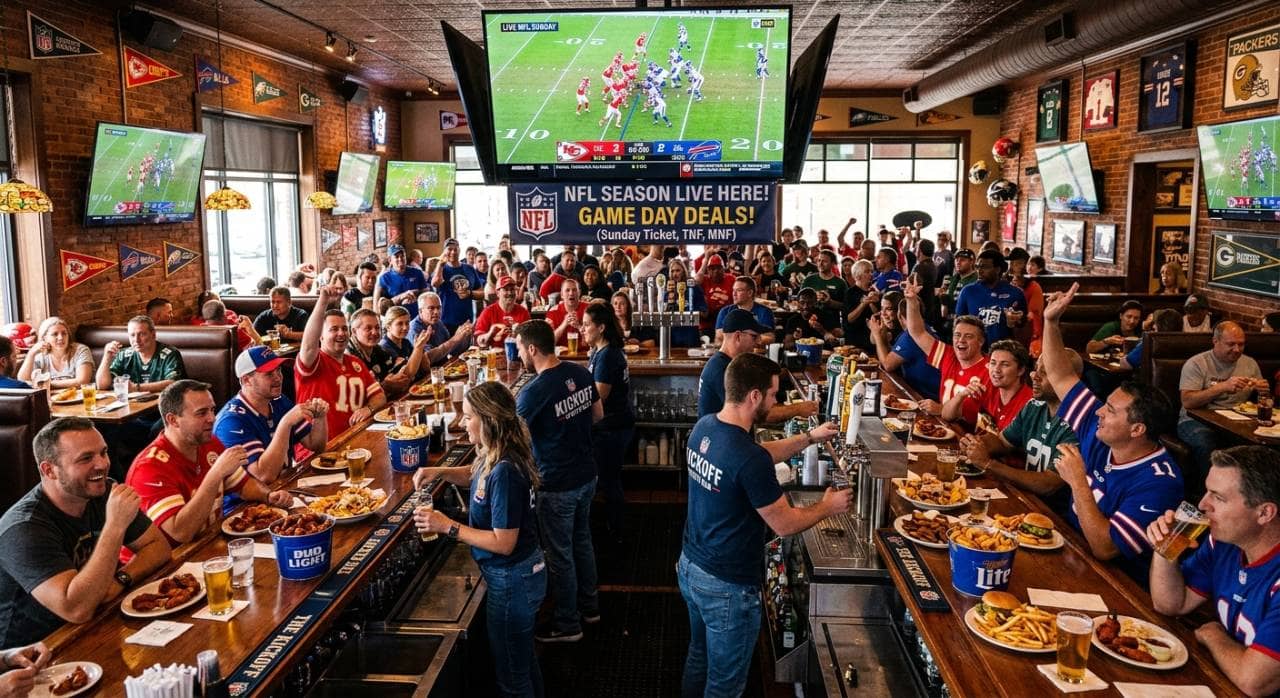
Prepare your restaurant for NFL season with smart menu planning, staffing, marketing, technology, and atmosphere strategies that boost season-long revenue.
Sep 9, 2026
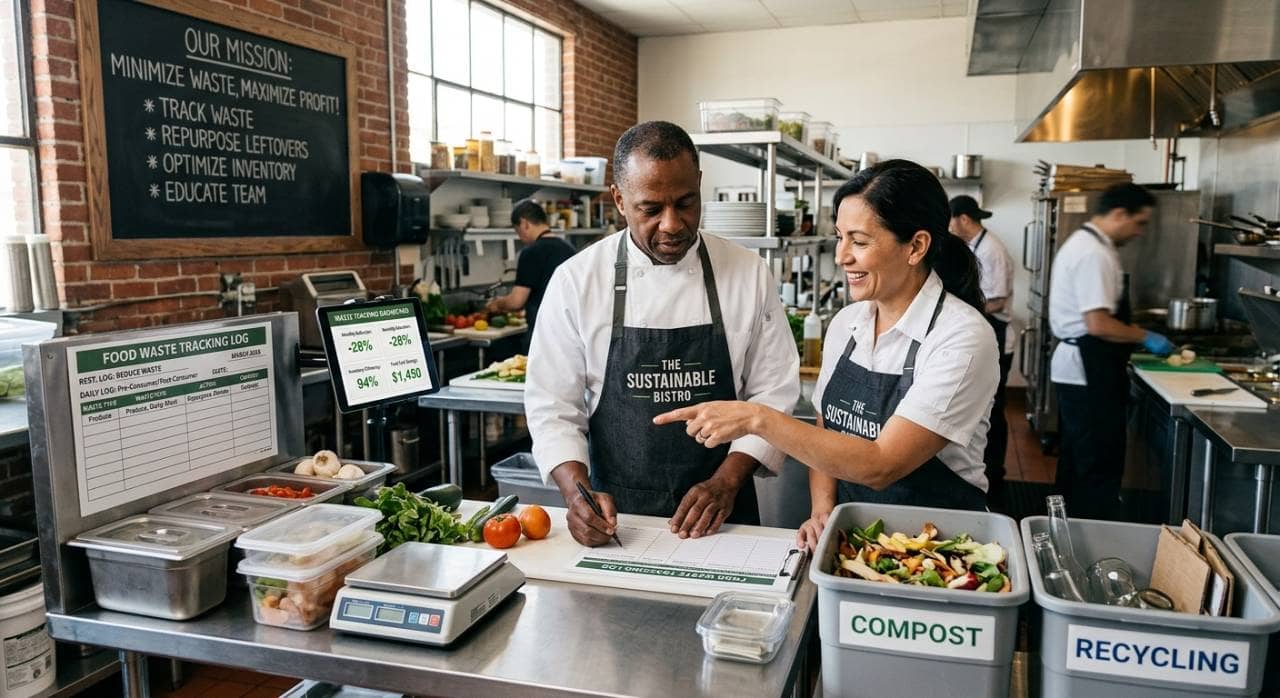
Learn how to reduce food waste in restaurants through smarter purchasing, storage, preparation, and service strategies that cut costs.
Sep 9, 2026
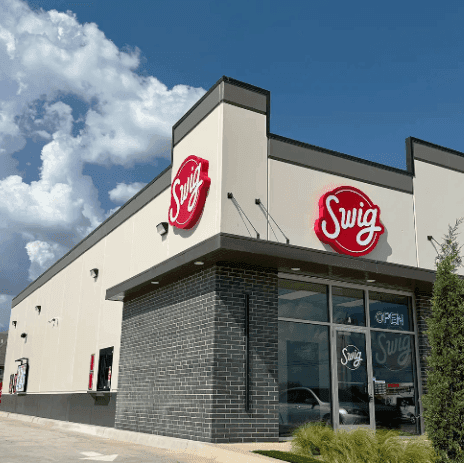
Swig signs franchise agreement for 11 South Denver locations, marking Colorado entry and validating its national expansion strategy.
Sep 8, 2026
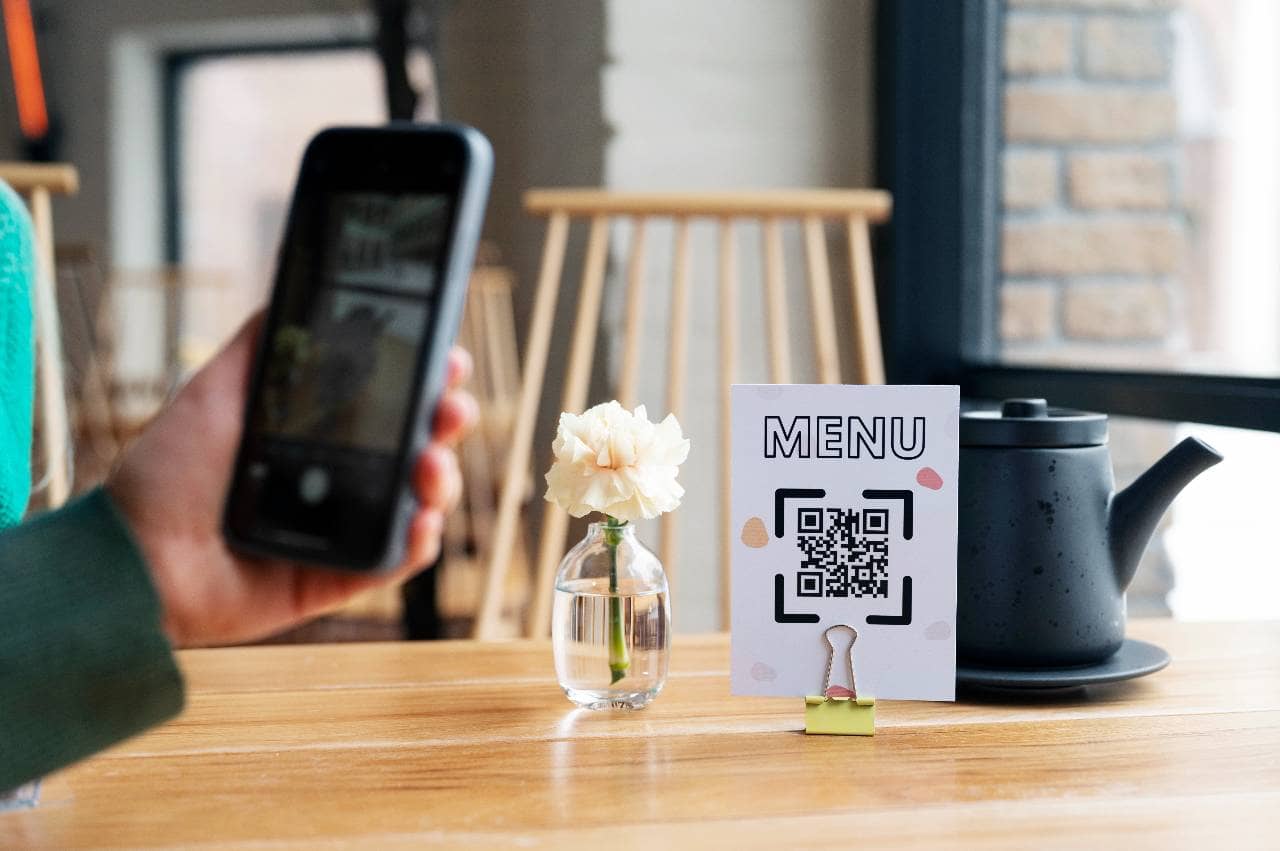
QR code menus let restaurants replace paper menus digitally, enabling instant updates, contactless browsing, ordering, and payment through simple smartphone scanning.
Sep 7, 2026
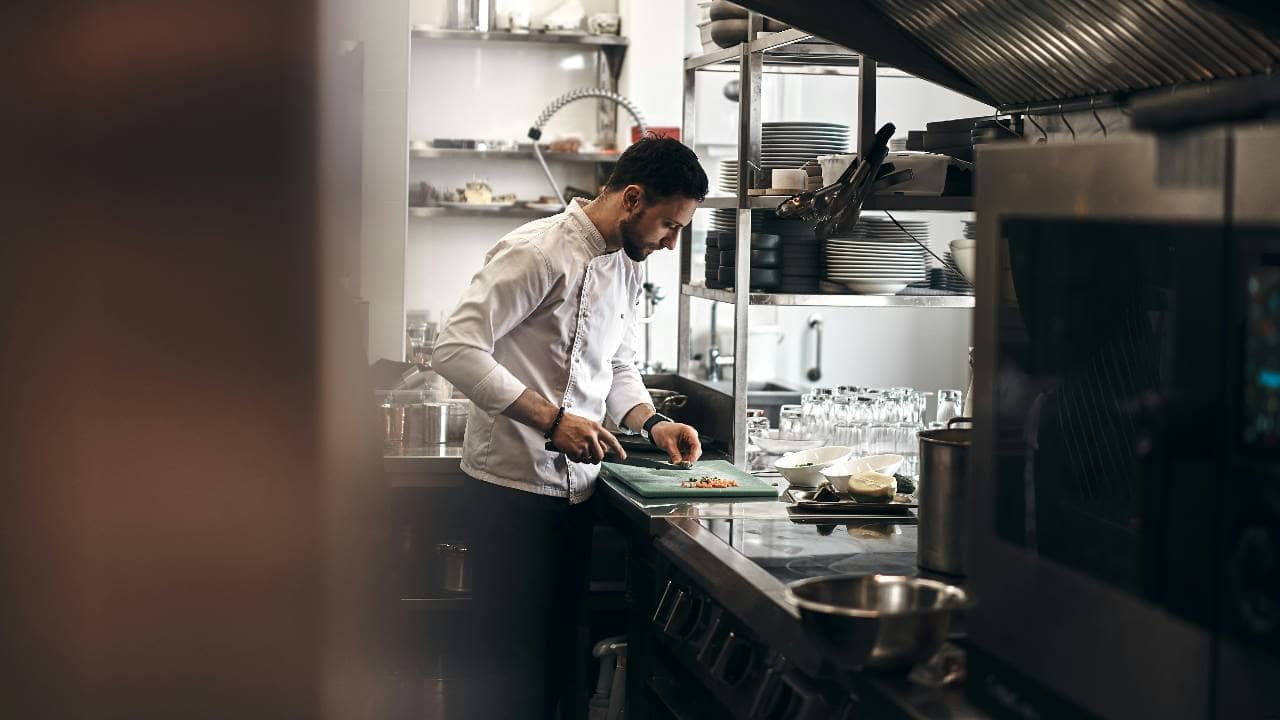
Complete guide helping restaurant owners choose essential kitchen equipment - covering cooking, refrigeration, prep, sanitation, ventilation, safety, and long-term maintenance planning.
Sep 7, 2026

Avoiding common restaurant payroll mistakes - misclassification, tip credit errors, overtime miscalculations - protects businesses from costly penalties, back pay, and compliance risks.
Sep 4, 2026
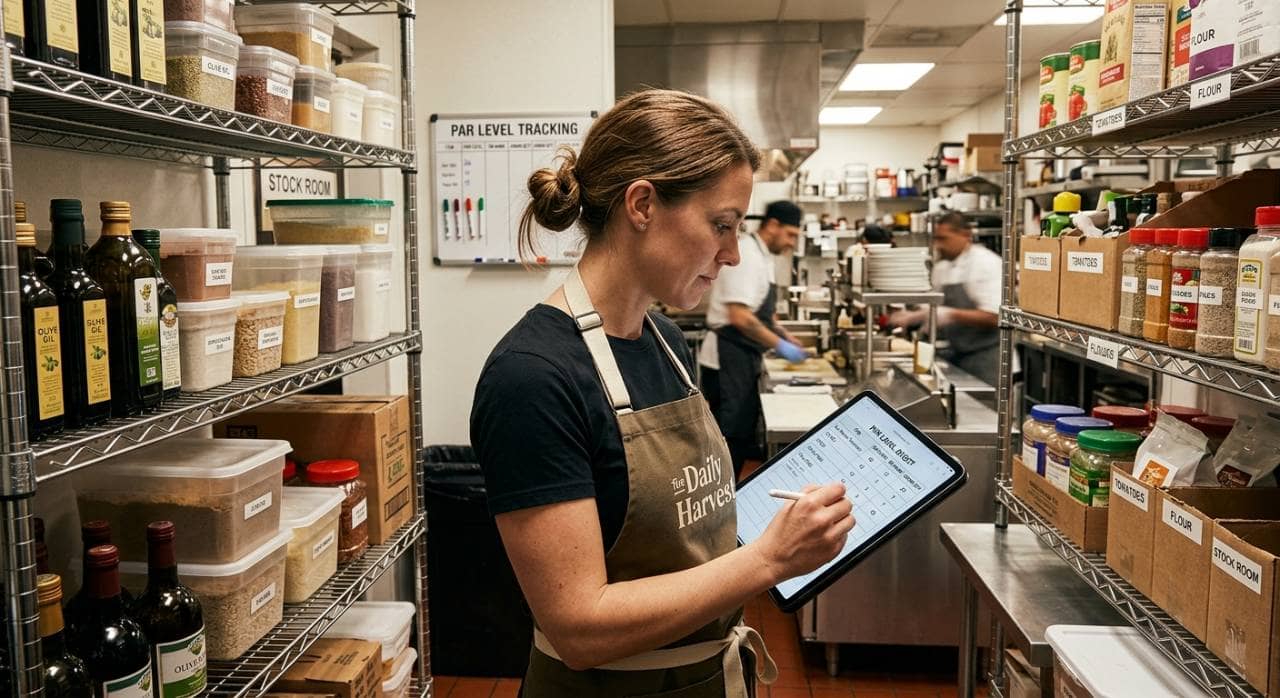
Learn to calculate par levels for restaurant food, beverages, and packaging inventory, preventing stockouts and waste through proper formulas.
Sep 4, 2026
Caribou Coffee appoints Zane Thomas-Rogers as Chief Operations Officer to strengthen execution across its expanding coffeehouse network.
Sep 4, 2026

Unlock Exclusive Access To Webinars, Events, And The Latest News For Free!
Diners become co-designers of menu communications, using TURF analytics to shape clearer talks across boards, apps, and receipts.

Photo by Patrick Tomasso
Diners are stepping into the driver’s seat when it comes to how menus talk to them. Across physical boards, digital displays, kiosks, apps, and receipts, frontline feedback becomes fuel for change. The aim is clear: capture what guests notice, what they order, and where they get stuck, then fix it. This is a practical shift, not a trend. The new approach treats menu communication as a lever on speed, accuracy, and guest confidence at the moment of decision. Central to this approach is TURF, the Total Unduplicated Reach and Frequency algorithm that helps identify a mix that resonates with a broad audience while protecting profitability. The big win is actionable, fast, and repeatable.
“TURF can evaluate the entire menu, or focus on individual categories, to reveal the minimum core that must remain and where simplification can occur without sacrificing loyalty,” a veteran practitioner described.
Brand leaders like Howland Blackiston of King-Casey have championed analytics-driven menu optimization for decades, weaving consumer analytics with operational realities. The idea is practical: TURF shows where simplification boosts clarity and where it would erode loyalty. Mastercard’s collaboration with Forrester underscores the shift toward evidence-based decisions in menu design and communications, making this approach less art and more craft. The roadmap is clear: study, apply, measure, and iterate to steer the menu toward lasting value.
Menu communication isn’t cosmetic, it affects speed, accuracy, and how guests perceive value. In a landscape of boards, digital screens, apps, and receipts, clutter and inconsistent terminology slow ordering and muddy choices. A Mastercard-Forrester study shows that 70% of leaders view menu optimization as central to organizational goals, a big signal that the work pays off. Yet the same report notes many teams lack rigorous analytics and financial work, which creates risk. The opportunity is real: standardized workflows can unlock incremental gains in spend, loyalty, and efficiency while guarding against inconsistent experiences across channels. The blockers are classic: resistance to change, data silos, and gaps in internal expertise.
The lesson is clear: standardized workflows and robust data discipline unlock value. Without them, guest perception can lag behind actual improvements, and opportunities slip through the cracks. The horizon is not perfection, it’s repeatable, measurable progress across boards, apps, and receipts.

Qualitative research dives deep. Operators run numerous one-on-one interviews with patrons across locations, rotating sessions to reflect morning rushes, midday, late afternoon, and dinner. Participants are current customers who regularly use the menus, recruited with incentives like gift cards, with sessions typically lasting about 20 minutes at a table after purchase. Hand-held menus, where available, prompt precise feedback, and prompts surface reactions to preliminary ideas brands want to test. The aim is unfiltered attitudes, what customers like or dislike, their ordering priorities, and how experiences stack up against competitors.
On the quantitative side, researchers run large online surveys where hundreds of demographically representative customers view different menu variations (current, test, and alternative test versions) with ample exposure time. Respondents rate perceived value, willingness to order different items in four hypothetical visits, and the impact of pricing and promotions, producing data suitable for TURF modeling and price/value analysis. Both streams feed into a data-rich view of how menus perform across use cases, informing pricing, assortment, and strategic menu development. The synthesis of these methods yields a sharper, evidence-based roadmap for menu evolution that balances taste, value, and feasibility.

Engaging customers directly in menu optimization moves brands beyond internal feedback and toward a practical, customer-centered roadmap. Many brands overlooked this resource, but today it informs decisions that balance guest satisfaction with sales. The TURF framework is frequently highlighted as a pragmatic road map of risks and rewards: it shows how removing or adding items could affect the breadth of options and loyalty. In practice, TURF helps identify the smallest set of items that still satisfies most consumers, while revealing which options are most likely to attract repeat visits. A familiar stat from industry coverage shows a large brand could cut a 37-item core menu to 25 items and still deliver 91% of diners’ first- or second-choice options, with guests finding an average of 2.2 of their preferred choices on the revised menu. The approach isn’t a substitute for judgment, it’s a disciplined, data-driven aid to simplification and communication.
“TURF provides a road map of risks and rewards,” as one summary notes, illustrating how removal or substitution decisions ripple through guest satisfaction and check dynamics. These voices echo across practitioners and journalists who emphasize that TURF should sit alongside strong culinary and brand strategy, not replace them. The big picture: streamline where it makes sense, preserve critical items, and leave room for new ideas that differentiate a brand. The point isn’t to cut for cut’s sake; it’s to cut with purpose, clarity, and a plan for ongoing improvement.
Outcomes and profit signals crystallize when restaurants run disciplined menu optimization. Mastercard’s study reports a majority of leaders see 60% higher customer satisfaction, 56% improved operating margins, and 54% lower supply chain costs as top 12‑month goals. Equally telling, 70% view menu optimization as essential to broader aims. The practical workflows many organizations lack include testing in select locations first (78%), analyzing check‑level data to guide strategy (75%), and quantifying the true financial lift (82%). Barriers remain: 49% resistance to change, 46% data silos, and 44% gaps in internal expertise. Taken together, a mature program can lift revenue and margins when paired with alignment and accessible data.
The path from insight to action is clear: define a structured optimization program, run controlled tests, measure lift, and adjust pricing or mix to protect guest value while boosting profitability. That discipline, paired with cross‑functional governance, makes it possible to translate customer feedback into clearer communications across all touchpoints and to sustain momentum even as menus evolve.
