How to Build Your Restaurant Back Office Software Stack
Learn how to build a restaurant back office software stack that improves efficiency, integrations, reporting, cost control, and scalability overall.
Back Office
Aug 21, 2026
Learn how to build a restaurant back office software stack that improves efficiency, integrations, reporting, cost control, and scalability overall.
Aug 21, 2026
Clear operating procedures help restaurants manage opening, closing, food preparation, sanitation, guest service, inventory, staffing, and routine operational reviews effectively.
Aug 21, 2026
Dog Haus appoints James Field as chief marketing officer and promotes CJ Ramirez to chief experience officer, setting the stage for innovative brand growth and franchisee success in the national restaurant scene.
Aug 21, 2026
Starbucks is making strategic staffing changes, laying off 200+ workers as it restructures operations and prepares for future growth in southern and eastern regions.
Aug 21, 2026

Learn how to open a restaurant with no experience by planning your concept, budget, location, team, operations, and successful launch.
Aug 19, 2026
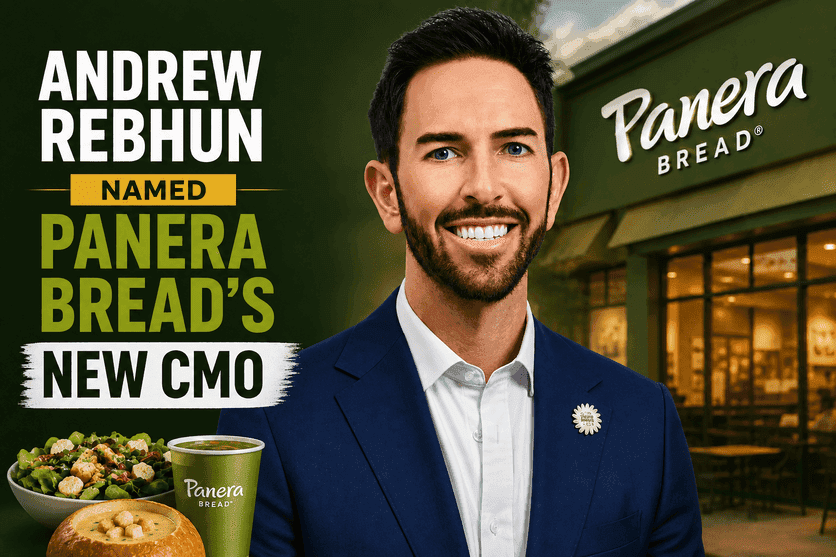
Panera Bread welcomes Andrew Rebhun as Chief Marketing Officer, succeeding Mark Shambura. Learn about his background at CAVA, El Pollo Loco, and McDonald's.
Aug 20, 2026

Payroll advances help restaurant owners give hourly employees earlier access to earned wages while maintaining accurate records, policies, and compliance.
Aug 19, 2026
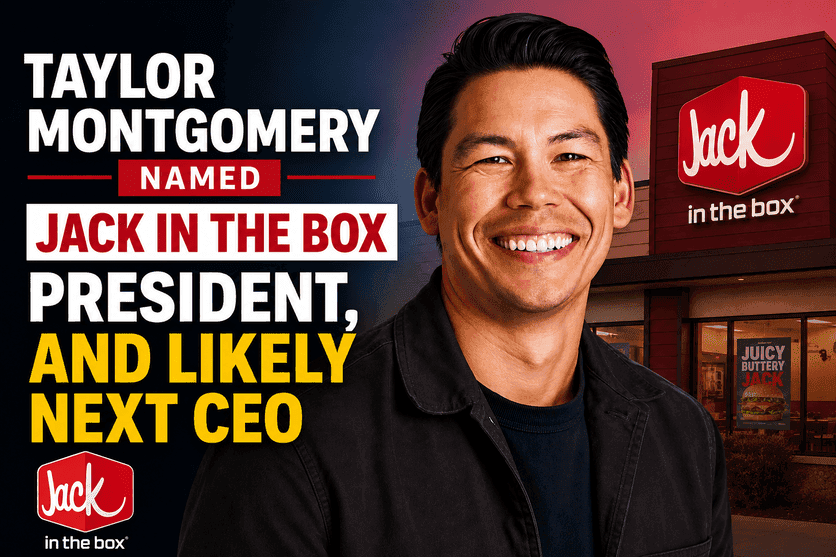
Taco Bell’s Taylor Montgomery has been appointed as President of Jack in the Box, positioning him to take over as CEO within a year - signaling major shifts for the QSR brand's future.
Aug 20, 2026

Explore the main types of ordering technology restaurants use to improve accuracy, speed, payments, customer convenience, and operational efficiency daily.
Aug 17, 2026

Learn the eight essential steps of the restaurant payroll process, from tracking hours and calculating wages to payments and recordkeeping.
Aug 17, 2026

Unlock Exclusive Access To Webinars, Events, And The Latest News For Free!
Foodtastic will relaunch Dunkin’ in Canada with up to 30 openings in year one, amid Inspire Brands’ IPO plans and a market hungry for youth-driven coffee.

Photo by Petr Sevcovic
A brand that once slipped from Canadian streets is plotting a brisk return. On May 8, 2026, Foodtastic signed a master franchise agreement with Inspire Brands to reintroduce Dunkin’ to Canada for the first time since 2018. Interest hit like a double shot: more than 1,400 franchise applications arrived within ten days, and Foodtastic is now evaluating about 60 of the most credible candidates. The company expects up to 30 openings in the first year, double its original 15-store plan, with the first outlet eyed for late 2026 or early 2027 pending approvals. The timing aligns with Inspire Brands confidentially filing for a U.S. initial public offering on May 8, 2026, a move to generate proceeds for debt repayment and further global expansion, according to Reuters.

This return follows a hard lesson. Dunkin’ exited the market in September 2018 after a C$16.4 million civil court judgment in favor of Quebec franchisees who argued the brand had not provided sufficient support, closing a chapter that once included hundreds of locations in the 1990s. The legal roots run deep. A franchisee lawsuit filed in 2003 culminated in a Superior Court ruling on June 22, 2012, ordering Dunkin’ Brands Canada to pay C$16.4 million in damages plus interest and costs. The Quebec Court of Appeal affirmed the ruling in April 2015, and the Supreme Court of Canada declined leave to appeal in March 2016. That judgment cemented a landmark case on franchisor obligations and led to the non-renewal of remaining licenses.
The new blueprint pairs global heft with local grip. Inspire acquired Dunkin’ in 2020 for $11.3 billion and houses it alongside Arby’s, Baskin-Robbins, Buffalo Wild Wings, Sonic, and Jimmy John’s. Foodtastic plans to company-develop a small number of flagship locations while franchising roughly 96 percent of units, consistent with its approach across 27 brands and more than 1,200 outlets nationwide. Early modeling called for 15 openings in year one, roughly one per week. The wave of qualified interest has stretched that target to 30, with first stores slated for late 2026 or early 2027 as approvals come through. The spark for this push was personal as well as strategic, informed by CEO Peter Mammas testing the offer with his college-aged daughter.

Confidence is not confined to board presentations. “Dunkin’ has refreshed under Inspire. They’ve gotten younger, they’ve gotten cooler,” said Mammas. Michael Haley, president of Inspire Brands, echoed that conviction: “Dunkin’s international footprint continues to thrive, so we are excited to bring this iconic brand to Canada through a strong, like-minded partner.” From the street-level vantage point, Toronto-based retail analyst Bruce Winder added, “They’ll have someone up here who is dedicated to it, who knows the market, who can be their eyes and ears.”

The market math is enticing. As of 2025, quick-service accounted for over 53 percent of Canada’s foodservice industry, a sign of enduring demand for fast, value-oriented options. The broader foodservice market was valued at USD 0.13 trillion in 2025 and is projected to grow at a 16.17 percent compound annual rate through 2031, with cafés and donut shops among the growth engines. Younger consumers aged 13 to 35 have propelled specialty and cold-coffee formats, a gap Dunkin’ aims to exploit as specialty coffee consumption is expected to expand at a 10.5 percent CAGR from 2026 to 2033. Any recalibration of the coffee pecking order will meet a formidable incumbent. Tim Hortons remains dominant, accounting for about 41 percent of Restaurant Brands International’s operating profit in Q1 2026 and delivering 20 consecutive quarters of positive comparable sales.

The path is promising, yet not frictionless. Canadian permitting can take months, which could slow the ribbon cutting, and supply-chain arrangements for a national rollout will need to be tight. Households are cautious. Restaurants Canada reported that 75 percent of Canadians were eating out less often in 2025 amid rising living costs. Price sensitivity is showing up in the till, with Square data indicating average quick-service meal prices rose only modestly to $16.47 by April 2025, a ceiling that can press margins. Competition from entrenched players and the perennial risk of franchisee attrition add to the to-do list.

The partnership between Foodtastic and Inspire Brands fuses renewed brand energy with local execution, pointed squarely at a youth-driven market for specialty and seasonal beverages. If Foodtastic can mirror its performance from banners such as Jimmy John’s, a faster rollout could begin to shift Canada’s coffee hierarchy. All eyes now turn to the first openings in late 2026, the early read on whether this comeback has the support, sites, and staying power that eluded Dunkin’ the last time.