How to Prepare Your Restaurant for the NFL Season
Prepare your restaurant for NFL season with smart menu planning, staffing, marketing, technology, and atmosphere strategies that boost season-long revenue.
Marketing
Sep 9, 2026
Prepare your restaurant for NFL season with smart menu planning, staffing, marketing, technology, and atmosphere strategies that boost season-long revenue.
Sep 9, 2026
Learn how to reduce food waste in restaurants through smarter purchasing, storage, preparation, and service strategies that cut costs.
Sep 9, 2026
Swig signs franchise agreement for 11 South Denver locations, marking Colorado entry and validating its national expansion strategy.
Sep 8, 2026
Complete guide helping restaurant owners choose essential kitchen equipment - covering cooking, refrigeration, prep, sanitation, ventilation, safety, and long-term maintenance planning.
Sep 7, 2026
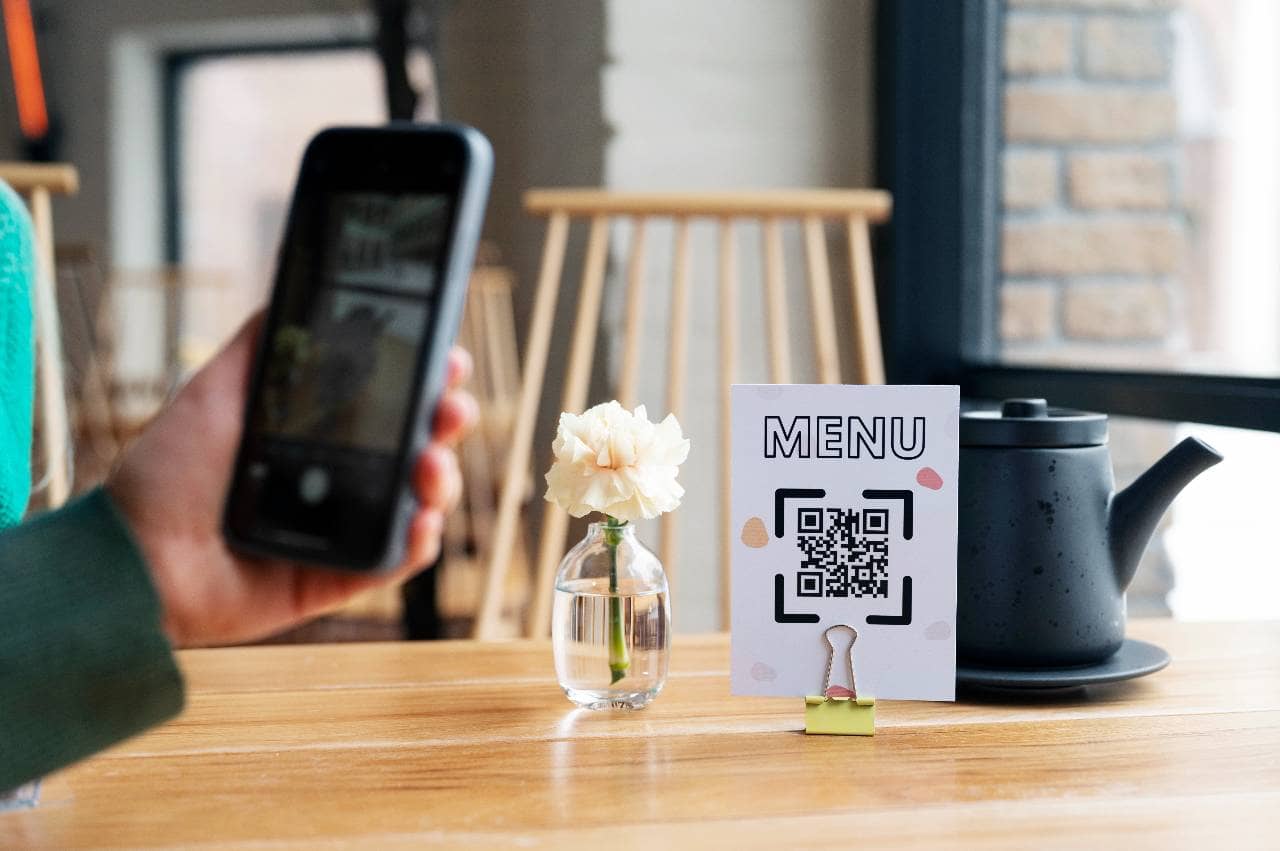
QR code menus let restaurants replace paper menus digitally, enabling instant updates, contactless browsing, ordering, and payment through simple smartphone scanning.
Sep 7, 2026

Avoiding common restaurant payroll mistakes - misclassification, tip credit errors, overtime miscalculations - protects businesses from costly penalties, back pay, and compliance risks.
Sep 4, 2026
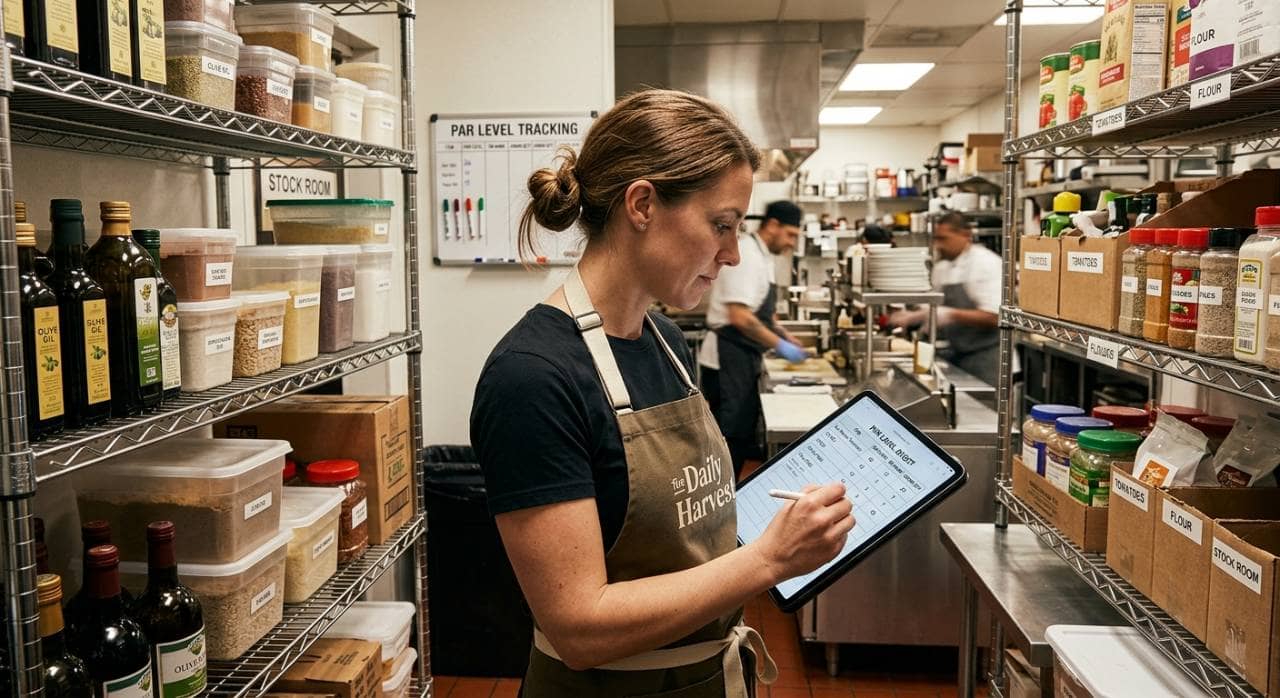
Learn to calculate par levels for restaurant food, beverages, and packaging inventory, preventing stockouts and waste through proper formulas.
Sep 4, 2026
Caribou Coffee appoints Zane Thomas-Rogers as Chief Operations Officer to strengthen execution across its expanding coffeehouse network.
Sep 4, 2026
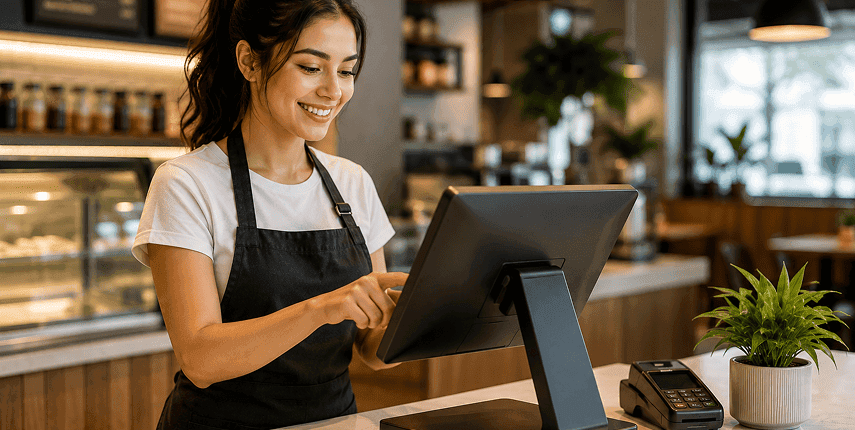
Compare the top 10 restaurant POS systems in the USA for 2026. Explore features, pricing, pros, cons, and the best POS options for every restaurant type.
Jul 1, 2026

Learn how to handle restaurant payroll yourself, from calculating hours and wages to managing tips, taxes, and final paychecks.
Sep 2, 2026

Unlock Exclusive Access To Webinars, Events, And The Latest News For Free!
Dutch Bros accelerates growth with a data-driven real estate strategy and a digital ordering era, expanding to Florida and beyond while boosting throughput and profitability.

Photo by Robert Bye
Dutch Bros has forged a bold growth path that pairs aggressive unit expansion with a disciplined, digital-driven operating model. Since its public debut in September 2021, the chain has surged to 912 restaurants, a clear sign that scale can coexist with cultural continuity. The pace is brisk: 81 new locations in the first half of the year, marking twelve consecutive quarters with at least 30 openings. The plan keeps the target in view, a lower end of 150–165 store openings for 2024, with the year likely closing just under 1,000 locations systemwide. Texas stands out, with nearly 200 stores in just over three years. All of this is underpinned by a belief that saturation can lift brand awareness and cut drive-thru wait times, though it has also yielded some sales cannibalization in dense clusters.
Behind the surface, the engine is digital. The expansion cadence is supported by a companion push to lift throughput and guest satisfaction through a digital ordering era. The brand has kept its focus on culture and people, with a steady emphasis on the apprenticeship path for new workers, what the team calls the broistas journey, while expanding the footprint to new markets. The result is a model that looks to translate store openings into durable performance, not just headcount.
A refined growth playbook sits at the heart of the push into newer markets. The team has sharpened its real estate process to evaluate sites on a granular, site-by-site basis, driving higher confidence in projected AUV and profitability. As Barone notes, the work is done “site by site at each site, what all of those impacts look like, and feel like we have a higher level of confidence in what our AUVs will look like as we open in new markets.” The strategy leans toward more capital-efficient leases, prioritizing build-to-suit arrangements over pricier ground leases, and broadening market diversification to reduce concentration risk. Florida is a focal point as the brand scales.
Management signals that the benefits of these changes should begin to materialize in 2025, with early improvements in new-shop productivity already emerging. The emphasis on diversification and disciplined site selection aims to speed up scalability while protecting margins. The approach is deliberate, not frantic, a crucial balance for a multi-market push that must hold up as the footprint grows.

Marketing and product development are aligned to drive traffic and ticket growth in tandem with the store rollout. The menu keeps evolving, and guest engagement remains a priority. The rewards program has become a central engine for promotions and guest data, and in early 2024, it was driving a substantial share of transactions as the mobile ecosystem matured. The brand has broadened its paid-ad footprint to support awareness in new markets, accelerating adoption among newcomers while maintaining per-visit value. The mobile ordering pilot has expanded to roughly 40 shops by June 30, 2024 and to about 200 shops by the end of July, with a nationwide rollout anticipated before year-end.
These digital channels are designed to improve throughput and guest satisfaction by complementing the traditional drive-thru flow. The integration supports faster check-ins, more accurate order readiness, and smoother handoffs, especially in high-volume periods. The rewards platform and mobile ordering are not afterthoughts but core levers in a scaling model that seeks to convert more visits into higher ticket, repeat business, and stronger brand loyalty.
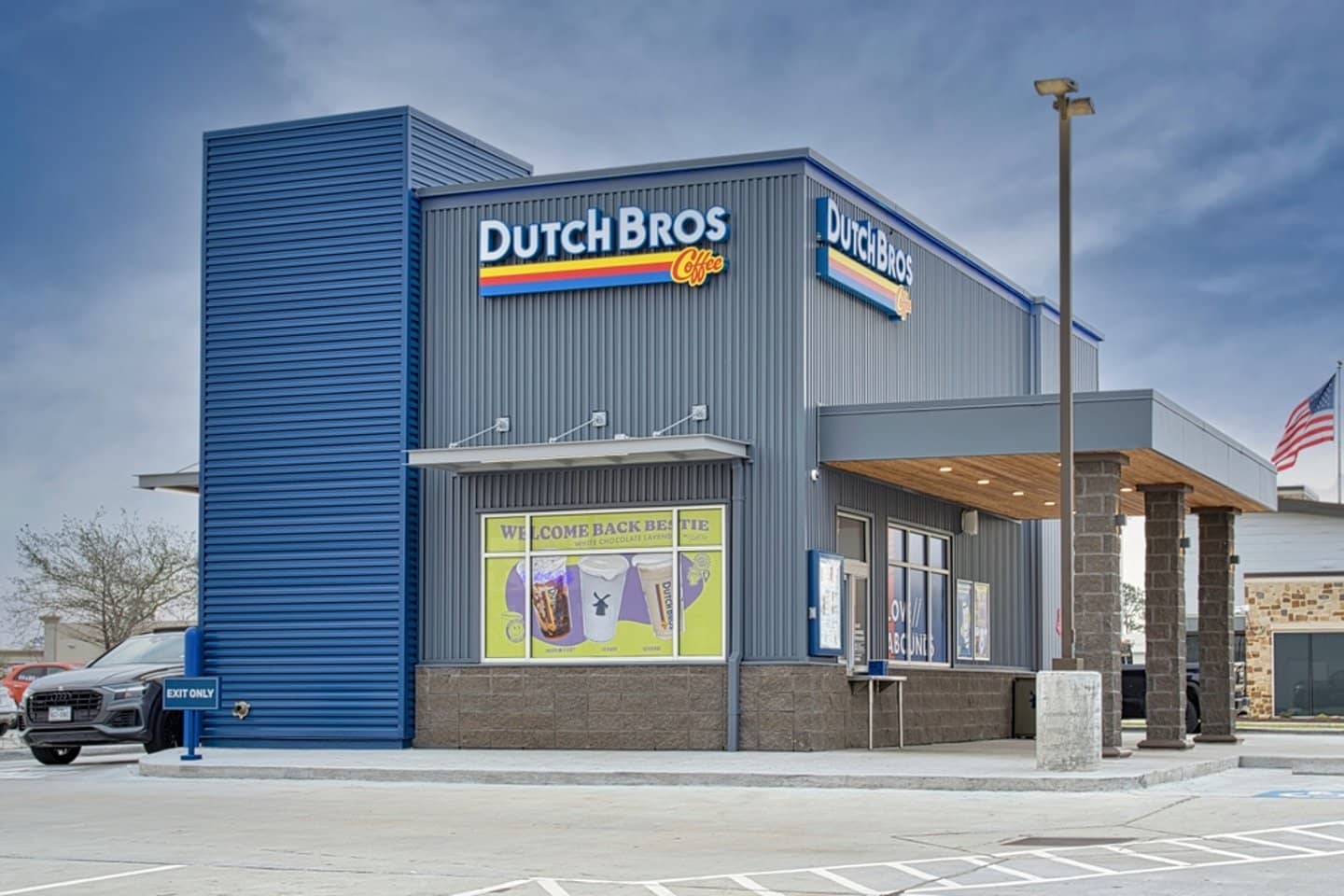
Culture and execution are the backbone of growth. The leadership team has consistently stressed that the strongest talent stays within Dutch Bros and grows with the brand. An operating philosophy that prizes people, process, and product is evident in every layer, from training to rollout. The emphasis is clear: build capability in-market, not just more stores, and keep the guest experience front and center. “We invest in the success of the market by assuming our experienced opening team,” Barone reminds investors and operators alike, anchoring the expansion in a people-first approach.
Operational design also targets throughput. Many shops feature double drive-thru layouts with an escape lane to speed mobile-order pickup. After check-in, mobile-order customers are funneled to the right-hand lane, where a runner can deliver drinks if ready, enabling a quick exit. This workflow, already in place at numerous locations, embodies the brand’s drive to remove bottlenecks and keep lines moving while new sites scale up.
Financial milestones show a company moving from rapid expansion toward profitability and scale. In the second quarter of 2024, Dutch Bros opened 36 new shops, bringing the total to 912 with quarterly revenue of $324.9 million and a 4.1% rise in systemwide same-store sales. Adjusted EBITDA reached $65.2 million, and the system-wide AUV hovered near $2.0 million. Guidance for 2024 called for about $1.2 billion to $1.23 billion in revenue and $200 million to $210 million in Adjusted EBITDA, with openings at the lower end. The trajectory remains data-driven and disciplined.
By mid-2024, the system stood at 912 shops and the systemwide AUV was about $2.0 million. In Q2 2025, the company posted $415.8 million in revenues, up 28.0% year over year, and Adjusted EBITDA of $89.0 million, up 36.6%. Management raised full-year guidance to roughly $1.59–$1.60 billion in revenue and $285–$290 million in Adjusted EBITDA, while reiterating a target of at least 160 new system openings for the year. Company-operated shop revenues climbed to $380.5 million in the quarter.
