
California Penalizes Dickey's for Franchise Disclosure Violations
California shifts to public enforcement strategy against Dickey's for deceptive franchise disclosures, signaling stricter state-level franchise oversight.
Franchising
Sep 10, 2026
California shifts to public enforcement strategy against Dickey's for deceptive franchise disclosures, signaling stricter state-level franchise oversight.
Sep 10, 2026
Paul Brown temporarily steps away from Inspire Brands as Scott Murphy assumes interim CEO role during confidential IPO filing process targeting late 2026.
Sep 10, 2026
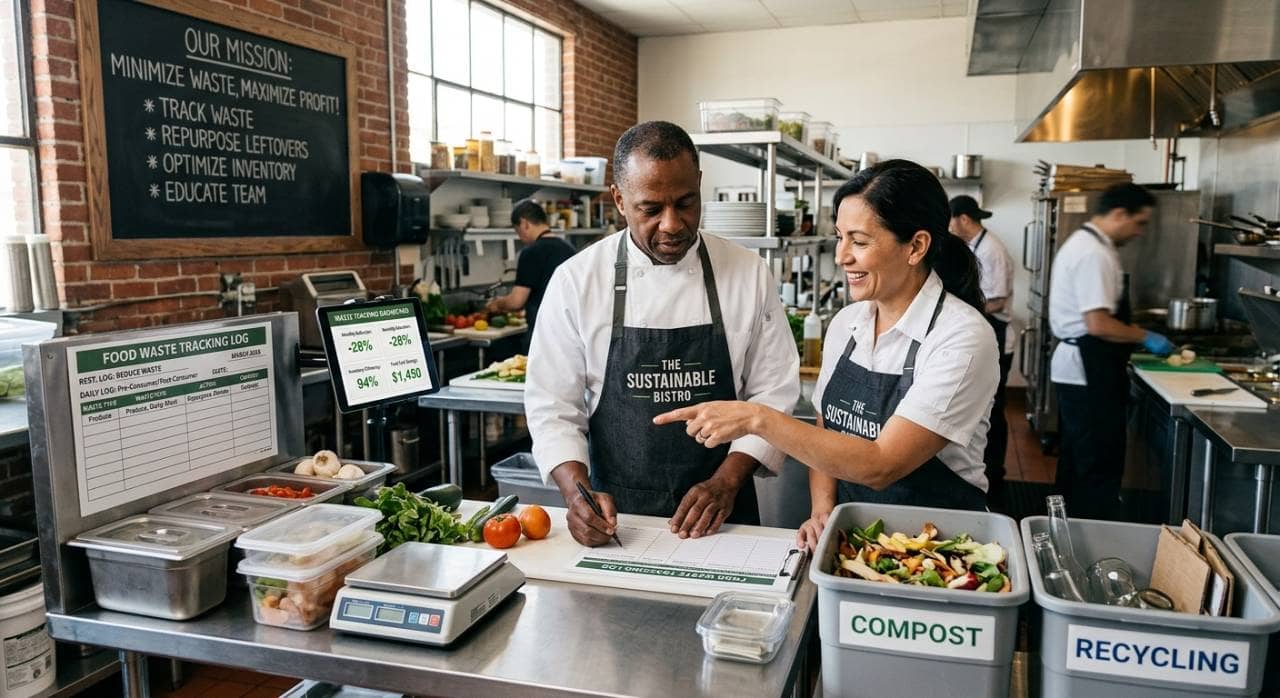
Learn how to reduce food waste in restaurants through smarter purchasing, storage, preparation, and service strategies that cut costs.
Sep 9, 2026
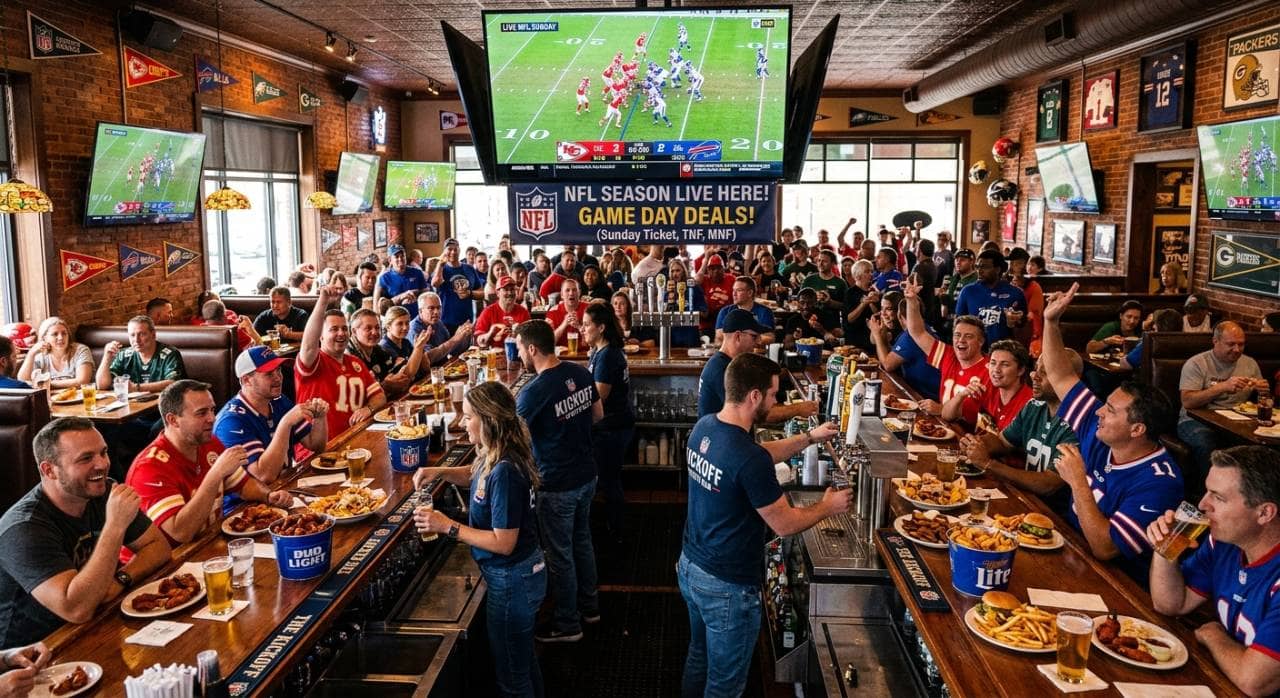
Prepare your restaurant for NFL season with smart menu planning, staffing, marketing, technology, and atmosphere strategies that boost season-long revenue.
Sep 9, 2026
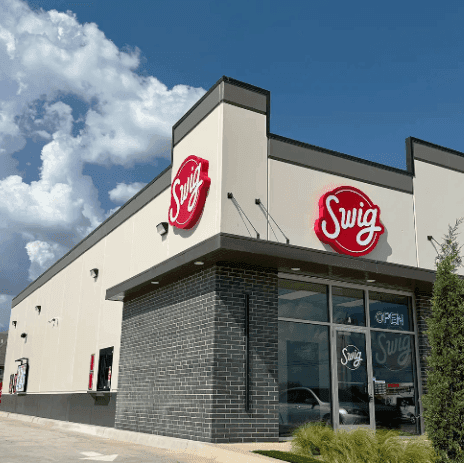
Swig signs franchise agreement for 11 South Denver locations, marking Colorado entry and validating its national expansion strategy.
Sep 8, 2026

Complete guide helping restaurant owners choose essential kitchen equipment - covering cooking, refrigeration, prep, sanitation, ventilation, safety, and long-term maintenance planning.
Sep 7, 2026
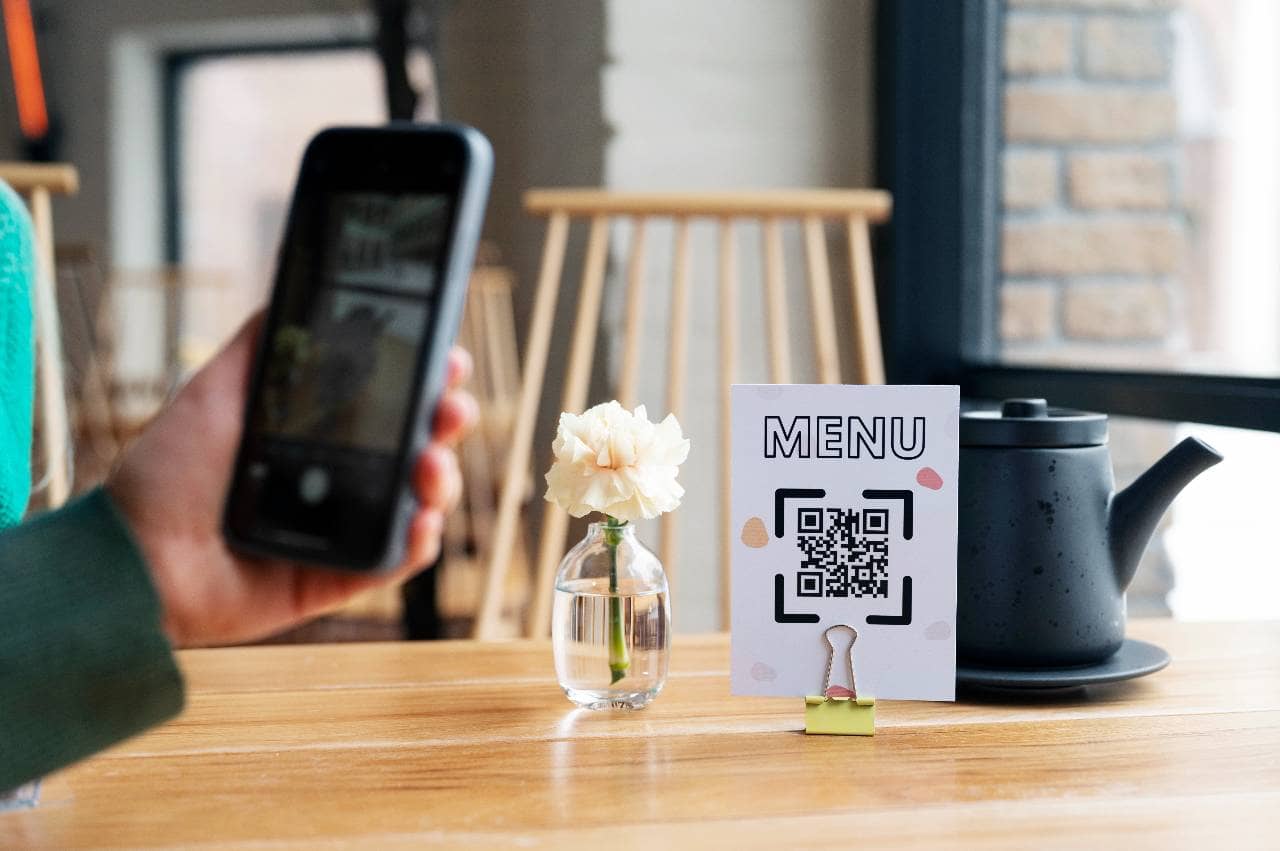
QR code menus let restaurants replace paper menus digitally, enabling instant updates, contactless browsing, ordering, and payment through simple smartphone scanning.
Sep 7, 2026

Avoiding common restaurant payroll mistakes - misclassification, tip credit errors, overtime miscalculations - protects businesses from costly penalties, back pay, and compliance risks.
Sep 4, 2026
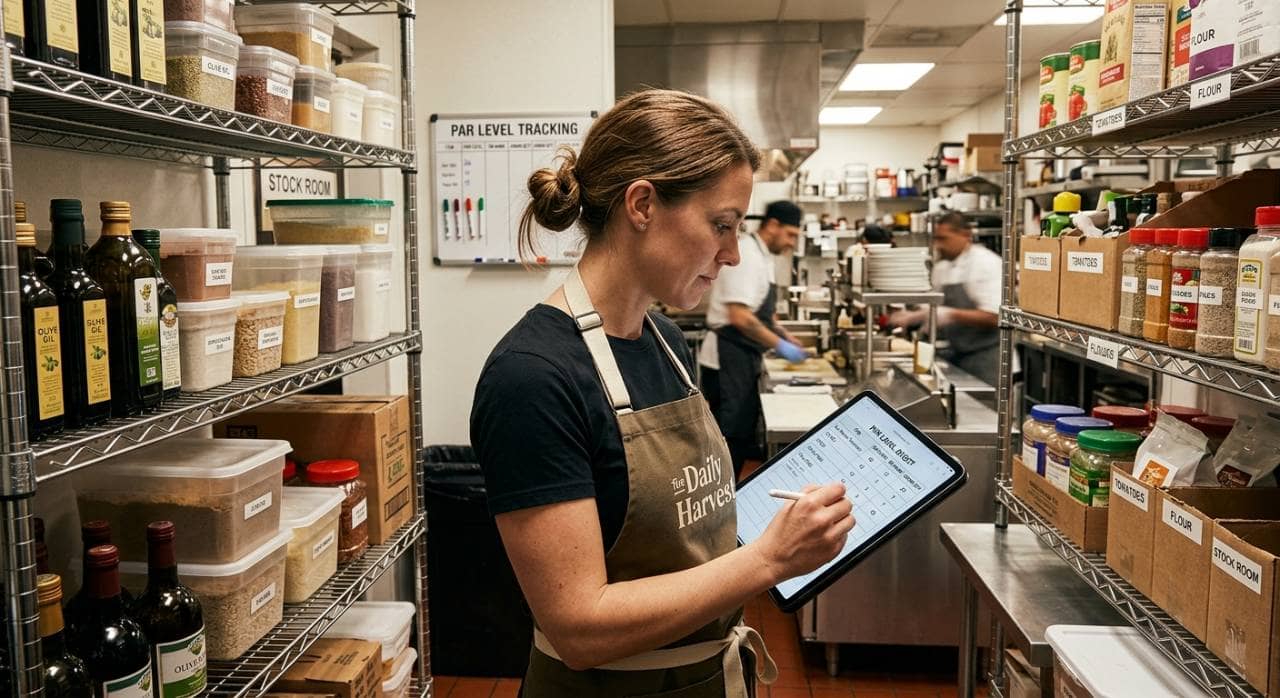
Learn to calculate par levels for restaurant food, beverages, and packaging inventory, preventing stockouts and waste through proper formulas.
Sep 4, 2026
Caribou Coffee appoints Zane Thomas-Rogers as Chief Operations Officer to strengthen execution across its expanding coffeehouse network.
Sep 4, 2026

Unlock Exclusive Access To Webinars, Events, And The Latest News For Free!
Dutch Bros reports strong Q2 2025 results, aggressive store openings, and a digital push to sustain growth amid investor jitters.

Photo by Mike Kenneally
Momentum from Dutch Bros' second quarter 2025 set the pace for a year many investors are watching anxiously. The Grants Pass, Oregon-based drive-thru coffee brand posted total revenues of 415.8 million for the quarter ended June 30, 2025, up 28% from a year earlier, with systemwide same-store sales up 6.1% and company-operated same-store sales up 7.8%. The team pointed to an aggressive cadence of openings, 31 new shops across 13 states, underscoring a real push to scale the footprint. CEO Christine Barone framed the results as evidence of resilience amid fierce promotions from rivals and ongoing macro uncertainty. The mix of fast service and novel drinks helps keep demand lively. Collected momentum underlines a brand built on speed, loyalty, and a willingness to push new items despite market jitters.
In a market that rewards velocity, the quarter signals that Dutch Bros is leaning into high-velocity expansion while managing the risks that come with rapid growth.
The results come as the company expands the footprint and tunes its mix. The quarter highlighted that the topline is expanding alongside a disciplined approach to new sites. The performance is framed as resilience in the face of aggressive promotions by rivals and ongoing macro uncertainty, with menu creativity, boba and protein milk, helping drive demand even as supply constraints linger in some periods. The effect is a more confident growth posture, but one that keeps a steady eye on margins and service quality as openings accelerate. The momentum remains real, even if the market remains unsettled.

The scale of the quarter is reinforced by the underlying growth thesis: growth at a deliberate pace, backed by a rising store count and a sharpened digital playbook. The note from leadership emphasizes a multi-pronged plan to drive traffic, focusing on product innovation, amplified paid advertising to build brand awareness, and more targeted rewards efforts. That triad, innovation, marketing, and loyalty, becomes the backbone for sustaining traffic as the company announces a more ambitious expansion cadence. The results are not a one-off win; they are a signal of a deliberate strategy maturing into reality.
The execution framework rests on capacity planning and customer-experience discipline. Executives stress balancing fast growth with reliability across channels, and they acknowledge the possibility of throttling orders to maintain service standards when needed. In this model, growth velocity does not overshadow the need for scalable systems and clear expectations at the window and the app alike. It’s a practical stance: grow quickly, but not at the expense of the customer experience. That balance remains the central test for the coming quarters.
The quarter confirms a strategy built on speed, menu risk-taking, and a disciplined approach to expansion. The short-term signal is strong top-line growth backed by a rising store count and expanded digital reach. The question now is how the model translates into durable profitability as the footprint grows. The emphasis on Traffic and Loyalty as core engines should remain front and center while the company negotiates market volatility and wage pressures.
In short, the quarter is a setup, not a verdict. Dutch Bros is leaning into an aggressive, data-backed expansion plan while investing in digital channels and loyalty. The path forward depends on maintaining service quality at scale and translating traffic into lasting profitability. The coming months will reveal how well the execution aligns with the ambitious roadmap.

The expansion trajectory reads like a map: from hitting the 1,000th shop milestone in February 2025 to targeting more than 2,000 shops by 2029 and maintaining openings in the low hundreds each year. By mid-2025, the footprint sits at 1,043 locations across 19 states, signaling a fractal growth pattern that pairs aggressive site development with digital and operational investments. The plan remains explicit: at least 160 new shops in 2025, with a broader ambition to reach 2,029 shops by 2029.
Investing in the digital backbone supports this growth cadence. The company underscores that the expansion is data-driven and that investments in store openings are paired with capabilities in digital ordering, loyalty monetization, and operational excellence. The 2025 plan foresees a steady cadence that aligns with long-range aspirations while preserving a focus on customer experience in new markets.

The expansion push is supported by a clear cadence and a sharpened operating model. The 160 new shops in 2025 target is not a one-off sprint but part of a sustained, low-double-digit annual increase intended to compound the brand's reach. The company’s mid-year update shows a pipeline that could approach a nationwide map as new markets receive the brand’s speed and digital-first ordering. The ambition to reach >2,000 shops by 2029 remains bold, but the early 2025 results lend credibility to the plan.
The numbers tell the story: 1,043 locations across 19 states at mid-2025, with a clear push toward scaling the digital channel and the rewards ecosystem. The expansion cadence is not random; it is a deliberate rollout designed to maximize throughput, customer engagement, and long-term unit economics as new shops come online and the network matures.
Looking ahead, Dutch Bros’ strategy hinges on sustaining a high-velocity store-opening program while continuing to monetize digital channels and rewards to deepen customer loyalty. The path to more than two thousand shops by 2029 remains ambitious but increasingly credible given the continued cadence of openings and the refinement of its operating model in new markets. Industry observers expect ongoing emphasis on capacity planning, throughput optimization, and selective pricing as growth accelerates, with communications likely to stress the durability of Traffic and Loyalty as core drivers.
The practical implication is simple: keep moving, but stay precise. The organization will need to balance store growth with profitability by sharpening pricing discipline, expanding the rewards ecosystem, and ensuring that capacity keeps pace with demand. If that balance holds, the 2029 target moves from a bold statement to a credible outcome.
