
California Penalizes Dickey's for Franchise Disclosure Violations
California shifts to public enforcement strategy against Dickey's for deceptive franchise disclosures, signaling stricter state-level franchise oversight.
Franchising
Sep 10, 2026
California shifts to public enforcement strategy against Dickey's for deceptive franchise disclosures, signaling stricter state-level franchise oversight.
Sep 10, 2026
Paul Brown temporarily steps away from Inspire Brands as Scott Murphy assumes interim CEO role during confidential IPO filing process targeting late 2026.
Sep 10, 2026
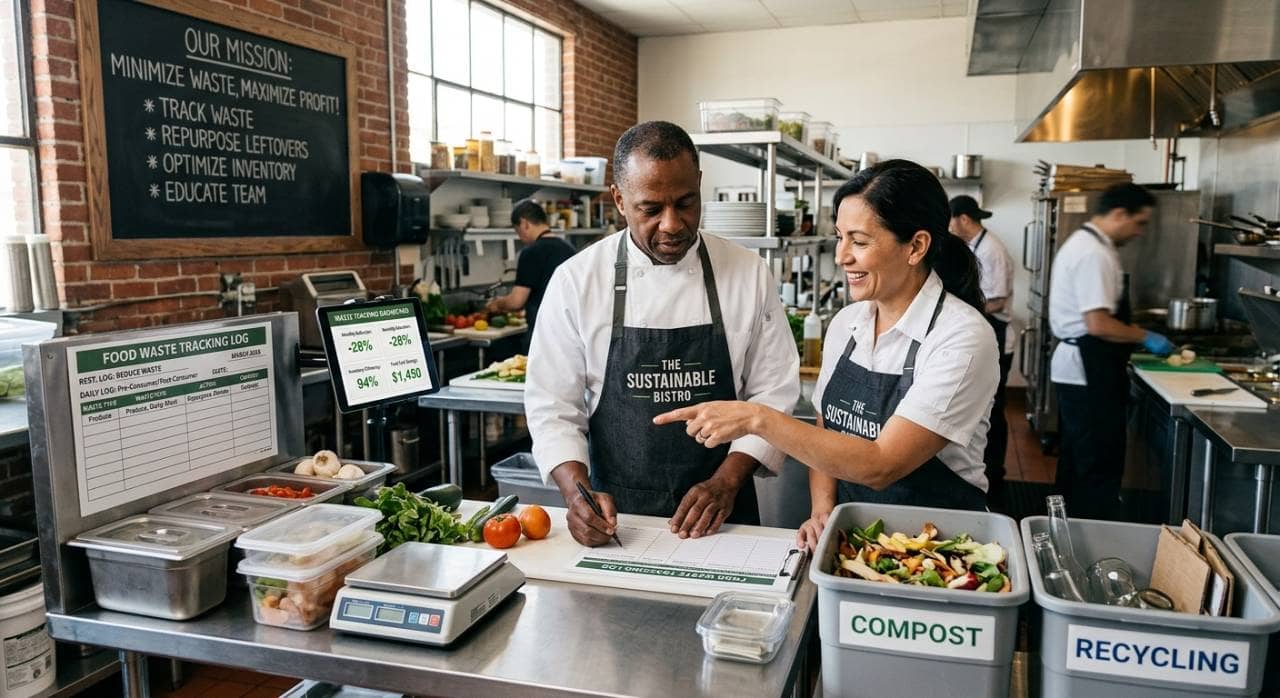
Learn how to reduce food waste in restaurants through smarter purchasing, storage, preparation, and service strategies that cut costs.
Sep 9, 2026
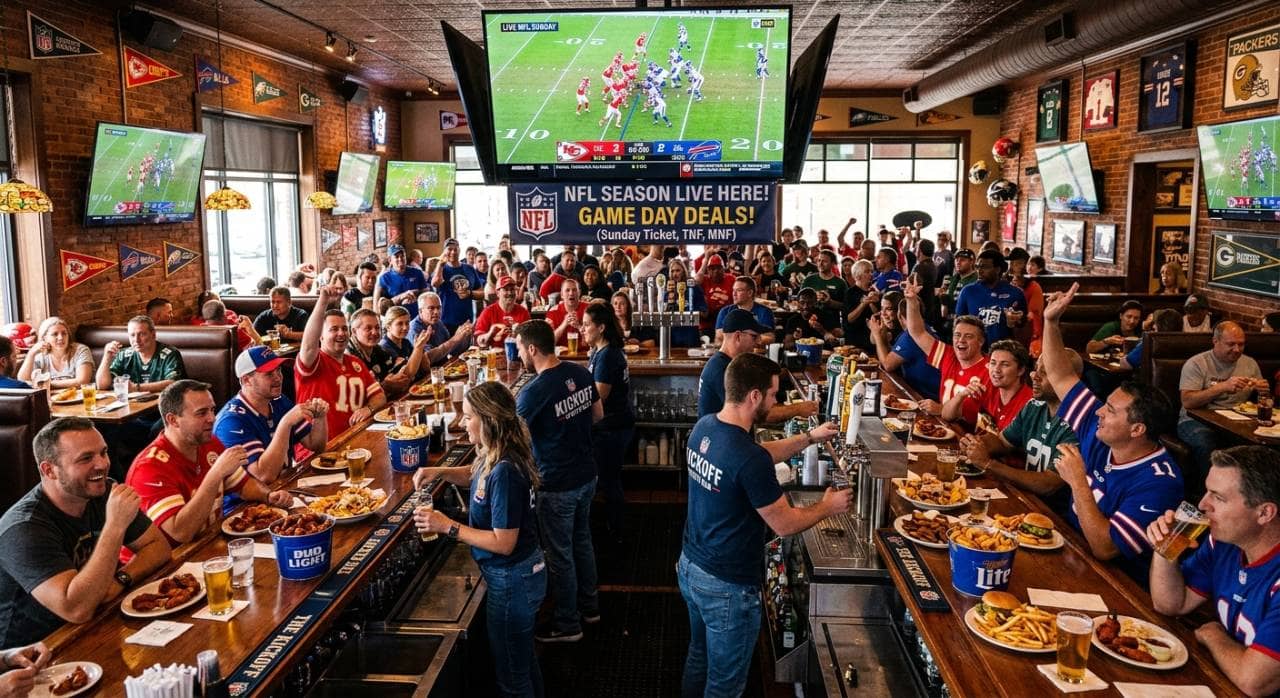
Prepare your restaurant for NFL season with smart menu planning, staffing, marketing, technology, and atmosphere strategies that boost season-long revenue.
Sep 9, 2026
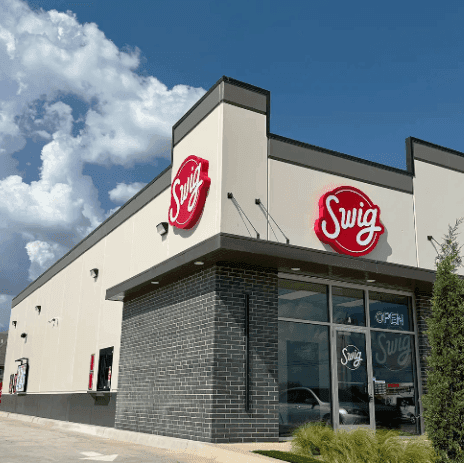
Swig signs franchise agreement for 11 South Denver locations, marking Colorado entry and validating its national expansion strategy.
Sep 8, 2026
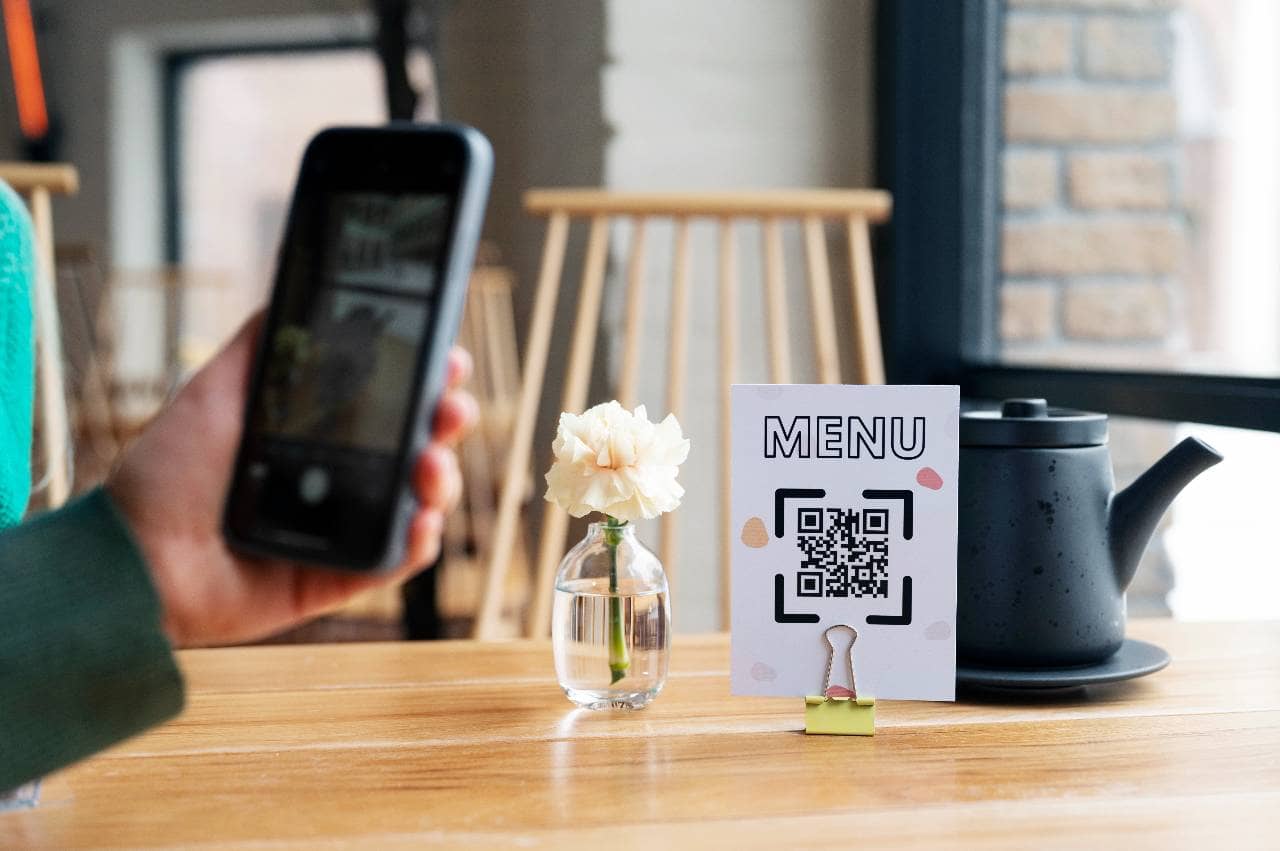
QR code menus let restaurants replace paper menus digitally, enabling instant updates, contactless browsing, ordering, and payment through simple smartphone scanning.
Sep 7, 2026
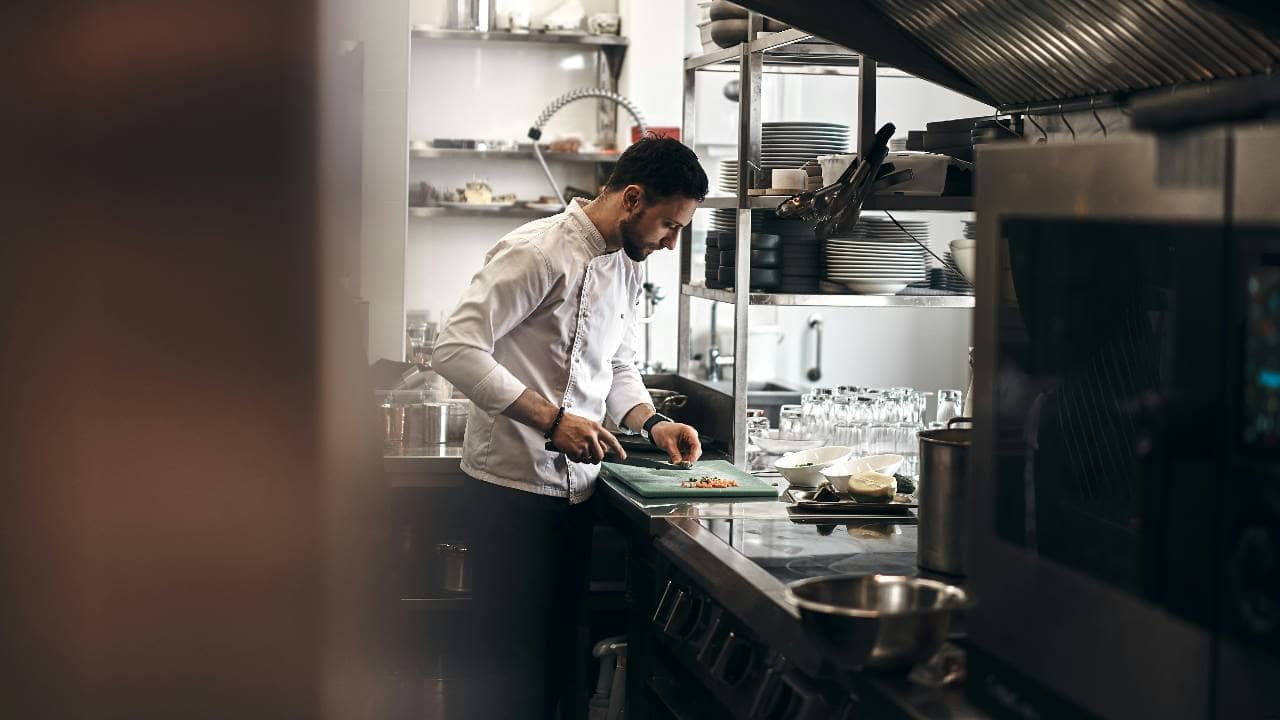
Complete guide helping restaurant owners choose essential kitchen equipment - covering cooking, refrigeration, prep, sanitation, ventilation, safety, and long-term maintenance planning.
Sep 7, 2026

Avoiding common restaurant payroll mistakes - misclassification, tip credit errors, overtime miscalculations - protects businesses from costly penalties, back pay, and compliance risks.
Sep 4, 2026
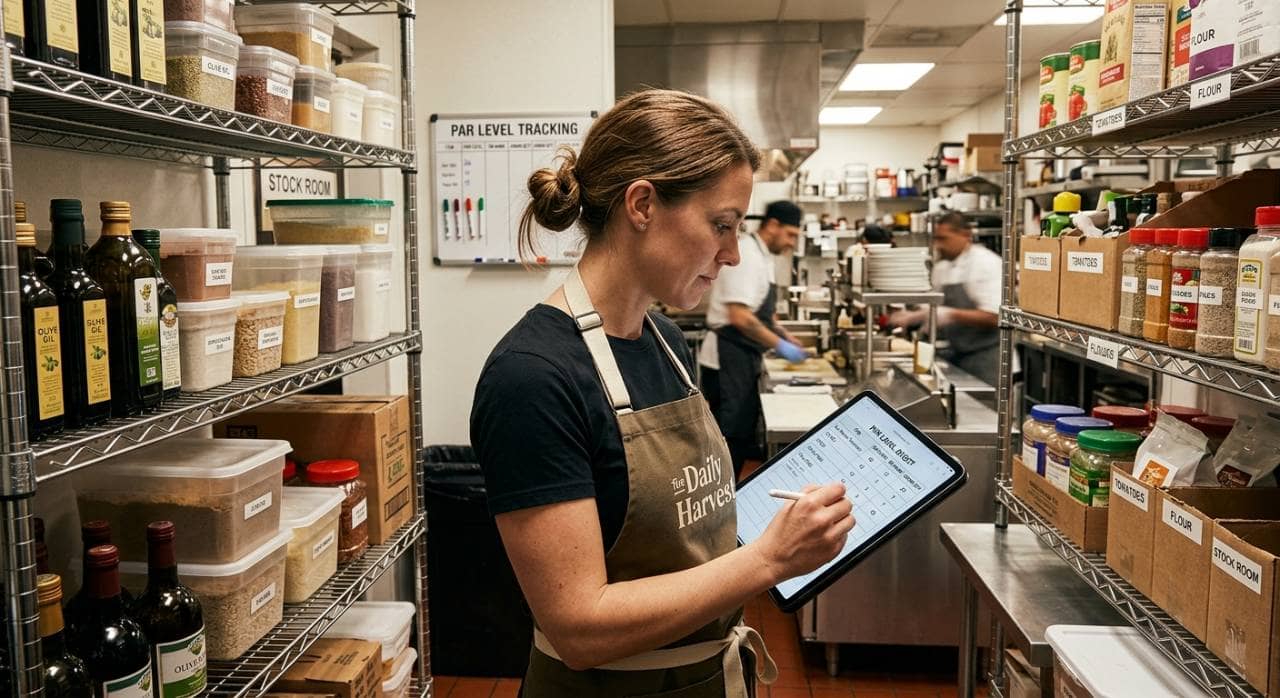
Learn to calculate par levels for restaurant food, beverages, and packaging inventory, preventing stockouts and waste through proper formulas.
Sep 4, 2026
Caribou Coffee appoints Zane Thomas-Rogers as Chief Operations Officer to strengthen execution across its expanding coffeehouse network.
Sep 4, 2026

Unlock Exclusive Access To Webinars, Events, And The Latest News For Free!
Promotions, cross-brand partnerships, and cross-border experiments redefine fast casual as brands balance momentum with regulatory and financial headwinds.

Photo by Shawn
Across the fast casual landscape, a quiet revolution takes shape: promotions that feel like events, cross-brand collaborations that reward loyalty, and cross-border ideas that promise a broader stage. The sector’s trajectory is no longer a single quarterly sprint but a steady rhythm of guest engagement, time-bound moments, and carefully choreographed campaigns that leave a memory. In this frame, marquee moves become the compass: Chipotle reports a quarter that signals the category’s resilience, supported by a digital engine that nourishes frequency, a disciplined promotional cadence, and store-level execution that preserves margins. As brands reach beyond borders, the question lingers: can momentum travel from moment to habit?
Chipotle’s Q2 numbers anchor the sector’s narrative: 11.1% same-store-sales growth and an 8.7% uptick in traffic, underscoring that guests are returning with gusto. The growth rests on three pillars: continued digital momentum, a promotional cadence tied to high-visibility moments such as National Burrito Day, and operations that keep throughput in check. While promotions can drive outsized one-day volume, observers remind us that sustaining momentum demands careful management of portion size and service pace so a peak becomes a lasting lift. The signals from Taco Bell and Wingstop, loyalty-driven cross-brand activity and a Paris experiment, frame a broader, event-driven path.

Chipotle Momentum and Burrito Day. Chipotle’s latest quarter offers a clear signal of resilience within the fast casual segment, where momentum has an unmistakable rhythm. The company reported 11.1% growth in same-store sales and an 8.7% uptick in traffic, a pairing that suggests guests are returning to existing locations with confidence even as costs pressure the unit economics. Digital channels and a steady cadence of consumer-focused campaigns fuel the lift, with National Burrito Day standing out as a catalyst for digital and in-store activity. The tone remains disciplined, precise, and guest-centric.
Promotional highlights around National Burrito Day have become a durable dial for the brand, contributing to what executives describe as record-day performance during a recent cycle. The Q2 materials attribute the gains largely to transactions, with traffic acting as the principal lift and average check growth lagging behind. The emphasis on a digital ecosystem, apps, orders, and loyalty, underscores a guest-first approach that sustains frequency even as the broader environment tightens. In parallel, observers note that while promotions yield outsized one-day gains, throughput and portion management remain essential to translating peak visits into ongoing customer traffic.

Promotional storytelling and cross-brand collaborations are reshaping the promotional calendar across the sector. In the current cycle, Taco Bell builds on its two-decade Mountain Dew alliance with nostalgia-rich loyalty incentives and a forward-looking gelato collaboration slated to debut on September 3 as part of the Bajaversary celebration. The gelato is positioned as the brand’s first Baja Blast dessert and will be rolled out with member-exclusive access via the Taco Bell app, a strategy that uses rewards to spark trial and encourage repeat visits. The Bajaversary narrative and the gelato launch are complemented by events aligned to calendar milestones, weaving beverage heritage into dessert extensions.
Separately, Wingstop’s international experimentation, beginning with a Paris pop-up in the Olympic spotlight, illustrates a broader strategy of geographic exploration tied to high-visibility moments. The activation, branded locally as “House of Flavor,” ran from late July to early August 2024 and is aimed at catalyzing a European footprint by capturing a diverse, global audience during peak travel periods. Beyond Paris, the chain hints at Milan and other gateways as future laboratories, pairing flavor-driven experiences with partnerships that translate into partner pipelines and franchise growth.

Regulatory Pressure and Financial Hurdles. Operating conditions for restaurants are increasingly shaped by regulatory headwinds and ongoing financial volatility. In 2024, California enacted a rule requiring indoor workplaces to protect workers from heat illness whenever indoor temperatures reach 82 degrees Fahrenheit, with cooling measures, water access, and rest breaks mandated at higher thresholds. The rule’s effective entry was signaled by a July 24, 2024 release from Cal/OSHA, a reminder that capital planning now must factor cooling infrastructure and energy costs into store design and scheduling. Against this backdrop, Gotham Restaurants LLC, operator of Gotham Bar & Grill in New York, filed for Chapter 11 protection on July 24, 2024, illustrating that even storied brands contend with balance-sheet stress in a crowded market.
These developments signal that operators must plan around labor protections and energy costs as a standard of practice, not a one-off expense. The 82°F standard may drive cooling investments and revised scheduling across California’s footprint, while Gotham Bar & Grill’s Chapter 11 filing underscores the risk that even recognized institutions can be squeezed by rising costs and competitive pressure. In this climate, prudent financial discipline and capital allocation become as vital as culinary creativity.
Implications for the Road Ahead. As the sector navigates volatility, operators are leaning into immersive experiences, cross-brand collaborations, and data-driven guest engagement to sustain momentum. The Baja Blast Gelato collaboration and Wingstop’s Paris pop-up exemplify a pattern of leveraging external events and emblematic partnerships to maximize visibility, trial, and loyalty. The regulatory backdrop, California’s indoor heat protections, will shape operating infrastructure and labor practices, potentially elevating operating costs but also driving safer, more resilient workplaces. Gotham’s Chapter 11 episode serves as a cautionary note that even legacy brands must continuously optimize capital structure to weather industry headwinds.
For stakeholders, the takeaway is clear: sustained growth now hinges on a coordinated approach that blends curb-appeal promotions, strategic geographic expansion, and rigorous financial discipline, all while maintaining a sharp focus on guest experience and worker welfare. The next chapters for Chipotle, Taco Bell, Wingstop, and their peers will reveal how effectively experiential bets translate into durable shareholder value and lasting consumer trust.
