California Penalizes Dickey's for Franchise Disclosure Violations
California shifts to public enforcement strategy against Dickey's for deceptive franchise disclosures, signaling stricter state-level franchise oversight.
Franchising
Sep 10, 2026
California shifts to public enforcement strategy against Dickey's for deceptive franchise disclosures, signaling stricter state-level franchise oversight.
Sep 10, 2026
Paul Brown temporarily steps away from Inspire Brands as Scott Murphy assumes interim CEO role during confidential IPO filing process targeting late 2026.
Sep 10, 2026
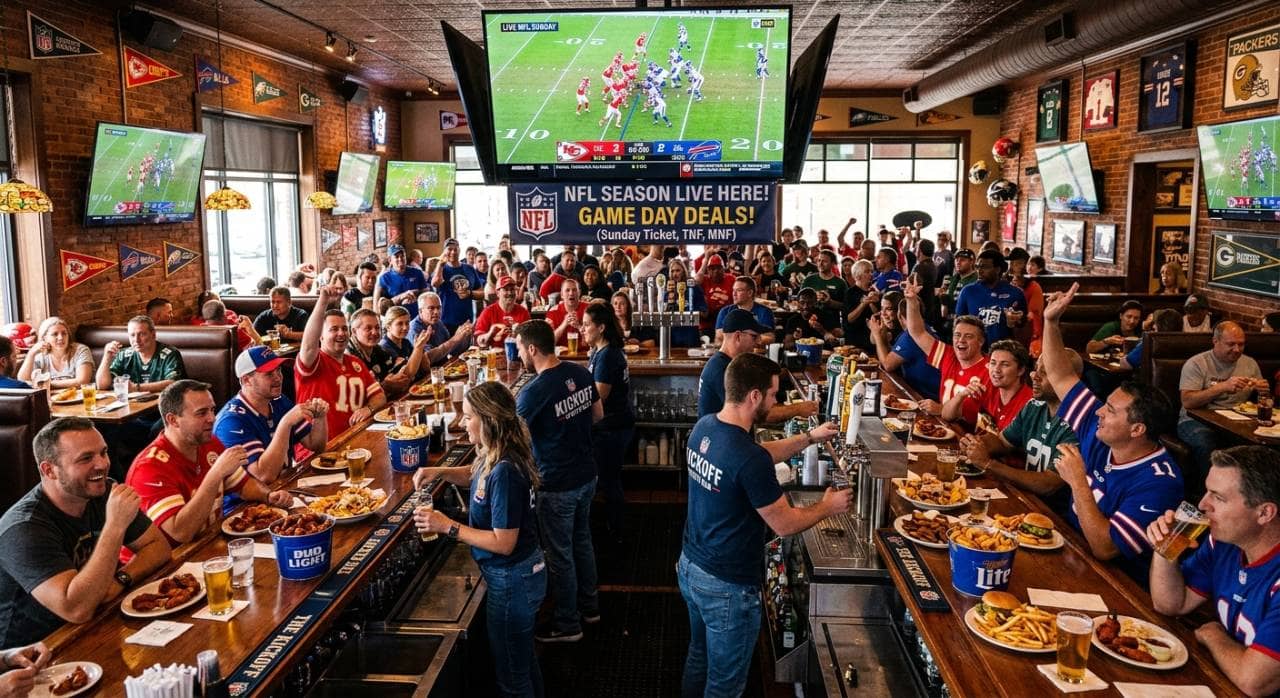
Prepare your restaurant for NFL season with smart menu planning, staffing, marketing, technology, and atmosphere strategies that boost season-long revenue.
Sep 9, 2026
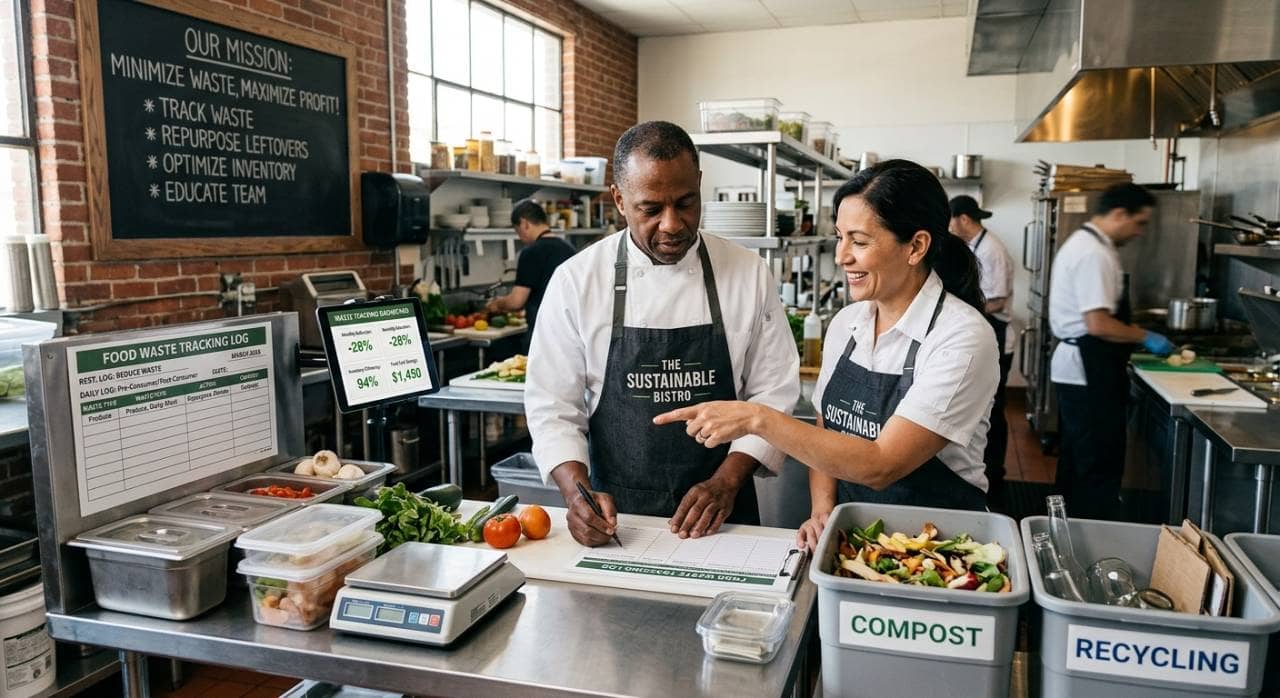
Learn how to reduce food waste in restaurants through smarter purchasing, storage, preparation, and service strategies that cut costs.
Sep 9, 2026
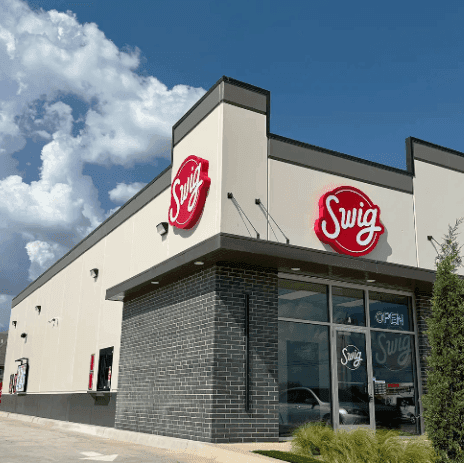
Swig signs franchise agreement for 11 South Denver locations, marking Colorado entry and validating its national expansion strategy.
Sep 8, 2026
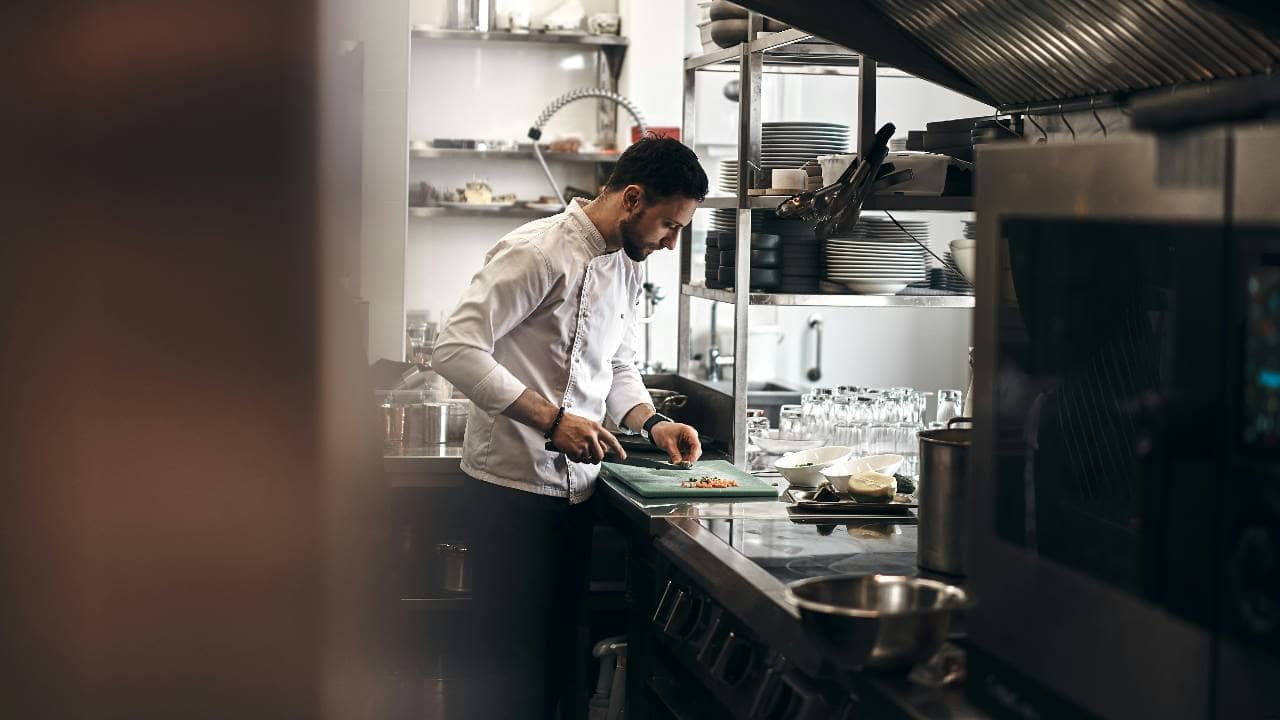
Complete guide helping restaurant owners choose essential kitchen equipment - covering cooking, refrigeration, prep, sanitation, ventilation, safety, and long-term maintenance planning.
Sep 7, 2026
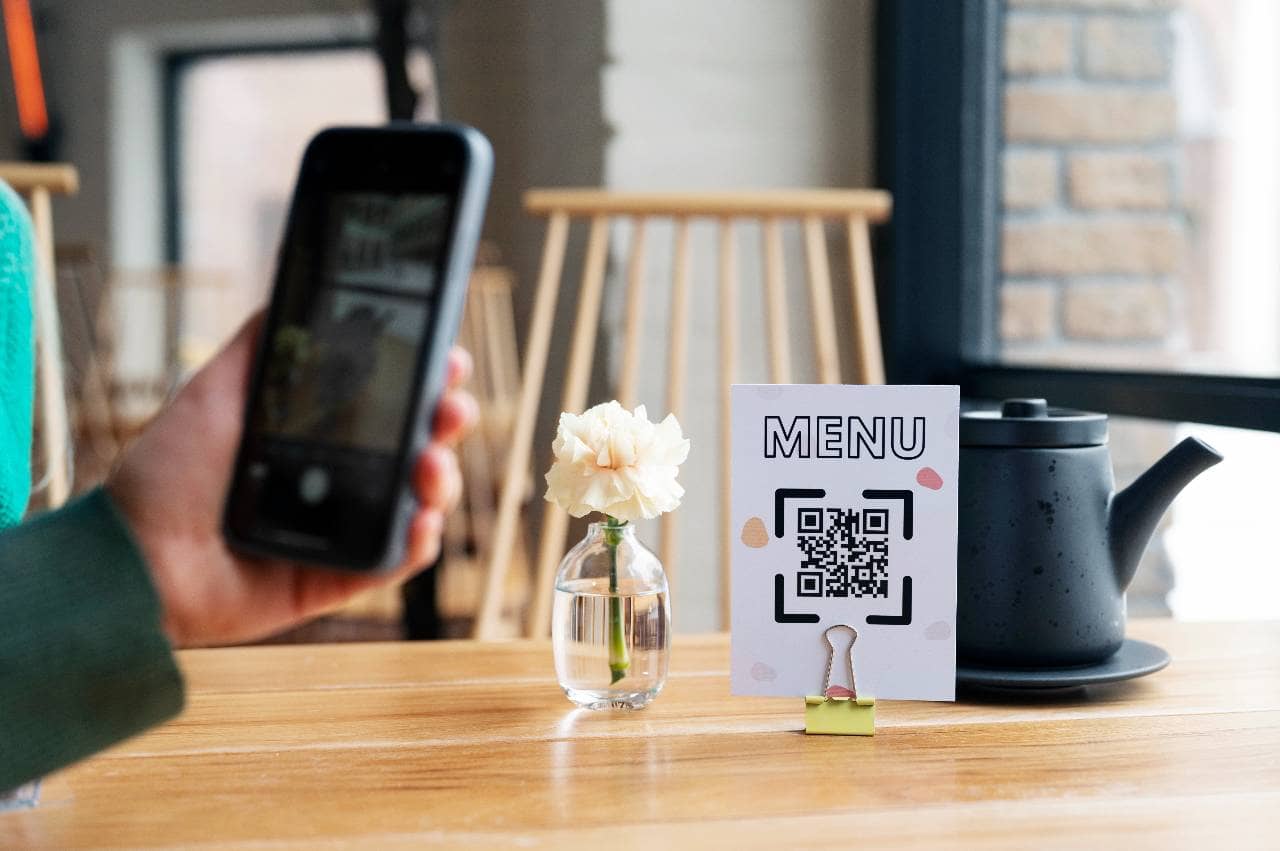
QR code menus let restaurants replace paper menus digitally, enabling instant updates, contactless browsing, ordering, and payment through simple smartphone scanning.
Sep 7, 2026

Avoiding common restaurant payroll mistakes - misclassification, tip credit errors, overtime miscalculations - protects businesses from costly penalties, back pay, and compliance risks.
Sep 4, 2026
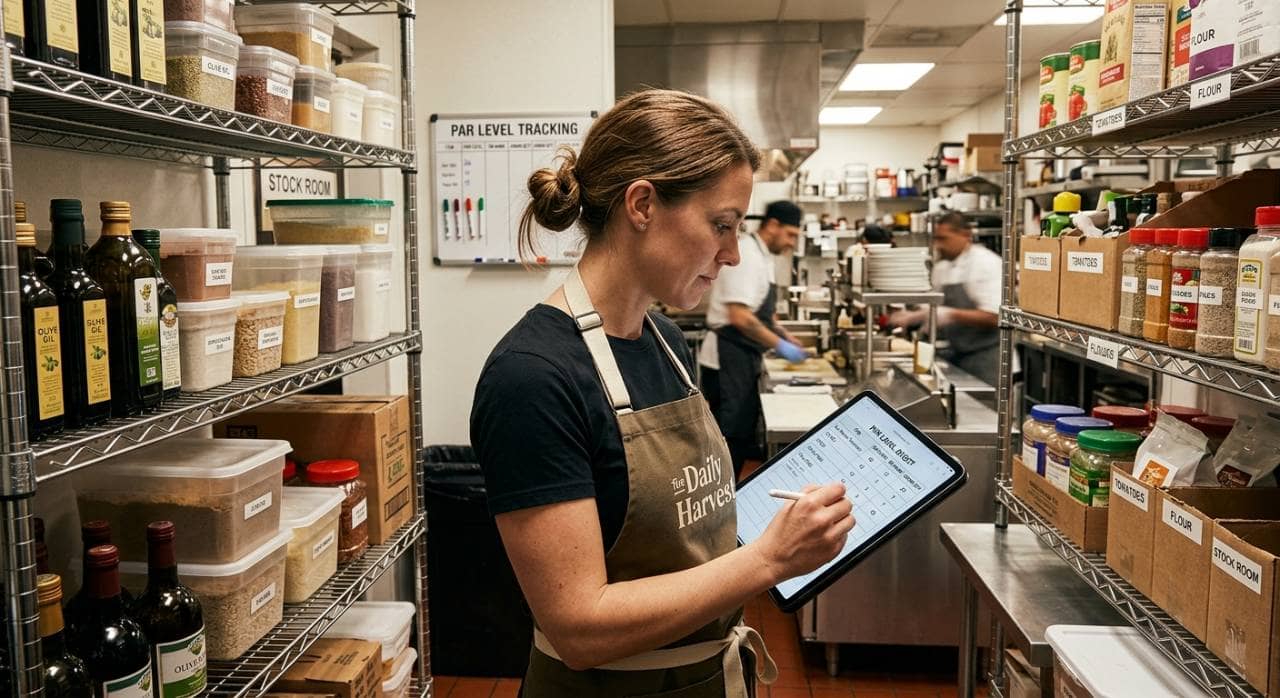
Learn to calculate par levels for restaurant food, beverages, and packaging inventory, preventing stockouts and waste through proper formulas.
Sep 4, 2026
Caribou Coffee appoints Zane Thomas-Rogers as Chief Operations Officer to strengthen execution across its expanding coffeehouse network.
Sep 4, 2026

Unlock Exclusive Access To Webinars, Events, And The Latest News For Free!
Fast casual outruns QSRs by blending speed, portions, and quality in a promotions-driven landscape, redefining value.

Photo by Shawn
Across a landscape shaped by cautious consumer spending and a chorus of promotions, dining has learned to measure value in more than the price on the menu. The narrative is taking form in numbers: fast casual visits rose 3.2% year over year in the first half of 2024, while QSR growth stood at 0.4%. The weekday delta is even more telling: a 2.8% rise for fast casual versus a -0.2% dip for quick service. Distances traveled corroborate the shift, with nearly 64% of fast casual visits spanning two to thirty miles, a pattern analysts connect to renewed commuting and the return to offices. If value is a recipe, this is the mise en place: speed, portion abundance, and a palpable sense of quality coalescing as core.
Beyond the immediate traffic numbers, the story is anchored in the near future. Resume Builder's survey forecasts that as many as 90% of companies may implement some form of return-to-office by year’s end, a reality that sustains demand for convenient, higher-value meals near workplaces. In this backdrop, the industry’s value equation has broadened: it is not merely about a lower price but about a holistic proposition that blends speed, portion abundance, and a palpable sense of quality. Placer.ai analyses frame this as a reshaping of competitive dynamics, where the fastest route to loyalty is a carefully choreographed experience, not a single discount.

Promotional intensity across the segment has intensified, yet observers warn that price alone may no longer win lasting loyalty. As Sharon Zackfia, a noted William Blair analyst, suggests, price-based competition has intensified to the point where brands that relied primarily on discounts risk consumer pushback after years of aggressive increases. The most durable performers are those that emphasize quality and service alongside value. At the same time, fast casual’s momentum isn’t simply about lower sticker prices; diners are increasingly drawn to a holistic value that blends speed, reliability, and perceived quality. This broader approach fuels a shift toward two-way traffic, diners trading down from casual dining and trading up from fast food as price differentials tighten.
Analysts observe that QSRs slowdown in recent quarters coexists with steady momentum for fast casual brands, which continue to attract visits by offering a more complete experience without abandoning value. The present dynamic rewards operators who can weave speed, consistency, and menu variety into a price-conscious envelope; it is no longer a simple discount derby but a broader negotiation with the consumer’s evolving expectations.

The mechanics of the value shift are rooted in both consumer sentiment and practical shopping patterns. YouGov’s value scores illustrate a widening gap between casual dining and QSRs: casual dining’s value perception remains robust, while QSRs face continued scrutiny against evolving expectations. In practical terms, fast casual chains are leveraging a broader concept of value, speed, abundance, and quality, while still offering competitive price points in many markets. The result is a market where the traditional QSR advantage in price is increasingly offset by the fast casual promise of a more complete dining experience.
Operators are rewarded when they embrace a multi-element proposition: quick service that feels robust, portions that satisfy, and a menu that signals progress rather than a mere bargain. In practice, this translates to brands from Olive Garden to IHOP recalibrating value narratives, expanding offer sets, and underscoring reliability alongside affordability. The trend is not simply brand-by-brand hype; it mirrors a broader recalibration in consumer taste toward experiences that feel generous, trustworthy, and well composed.

Promotional strategies remain central to the conversation, yet the industry measures value by durability, not flash. McDonald's, long the bellwether of quick service, rolled out a $5 Meal Deal in late June and extended it in various markets; the tactic temporarily boosted foot traffic and even market share in some periods. Yet HundredX data cited by observers show McDonald's price perception falling 16% year over year at a point, underscoring that value today is a multi-dimensional construct: it blends price, quality, and experience. Across QSRs and fast casuals, perception shifts are steadier, suggesting winners are those who sustain value rather than chase discounts alone.
The broader takeaway is clear: consumers judge value through a composite lens, price, quality, and experience, rather than fixating on bottom-line discounts. Brands that master this triad succeed in turning promotions into a longer-term relationship rather than a single moment of relief.

On the horizon, the competitive landscape continues to unfold as a two-tier revival within quick-service. QSRs have posted five consecutive quarters of slowing comparable sales growth, while leading fast casual brands, Chipotle, Panda Express, Jersey Mike’s, and Qdoba, display resilience or momentum in recent recaps. Outside the United States, casual dining names such as Olive Garden and IHOP have also elevated their value messaging. In YouGov data, casual dining sits in the lead on value perception, with multiple casual-dining brands near the top of rankings. The shift is less about a single coupon and more about a cohesive, multi-element proposition.
From promotions to curated menus, operators are learning that sustainable value comes from a balanced mix of speed, abundance, quality, and service. The new equation rewards brands that can deliver a satisfying meal quickly, offer generous portions, and feel reliably superior to a mere price cut. The road ahead favors those who can communicate this blend with clarity while maintaining discipline in execution.

Despite a clear directional arc, the data landscape carries caveats. Foot-traffic analytics, especially those drawn from mobile data, come with limitations in coverage, privacy layers, and regional variation. Analysts urge that Placer.ai data be interpreted alongside sales, traffic mix, and customer sentiment. Promotions and value messaging, they caution, are highly location- and brand-specific, meaning winners in one market may face different dynamics elsewhere. The prudent conclusion is that a robust value proposition today requires a coherent blend of speed, quality, abundance, service, and affordability, and active, ongoing measurement across multiple signals.
For operators, the lesson is unmistakable: align positioning with a clear, credible value story; speak it consistently across channels; and monitor performance through a tapestry of metrics. Sustainable growth hinges on discipline as much as desire, and the art of value is a long, careful choreography rather than a single, dazzling discount.