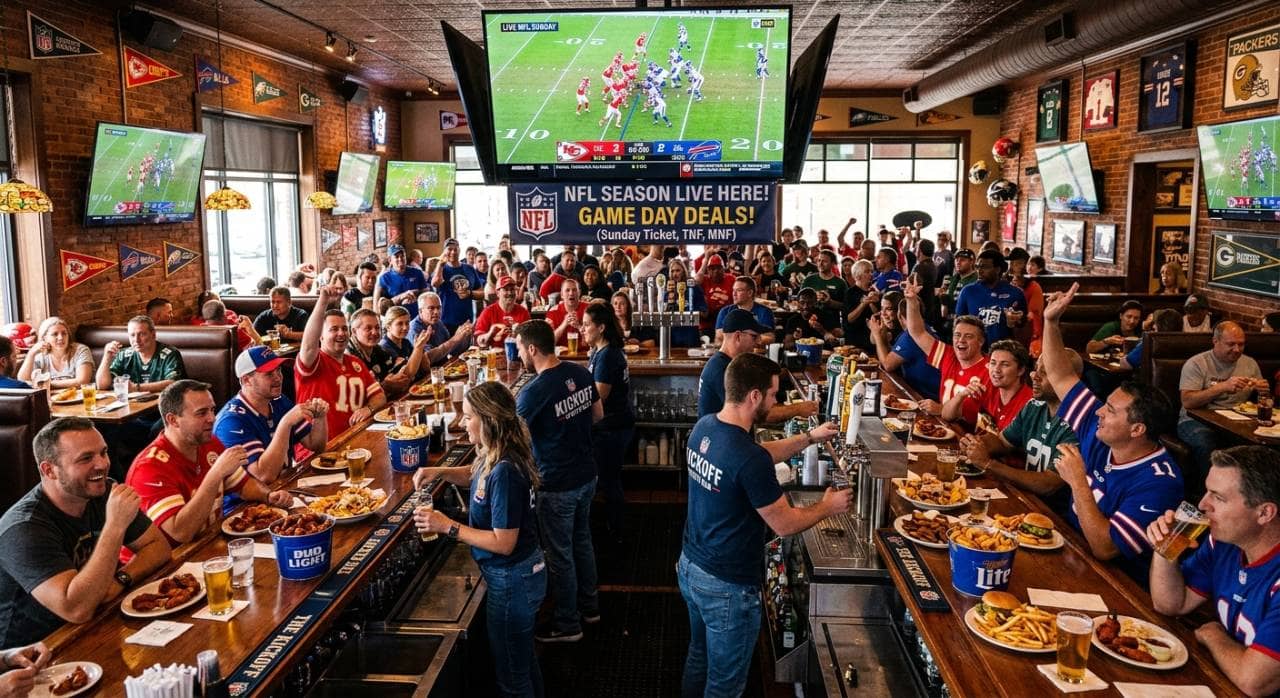
How to Prepare Your Restaurant for the NFL Season
Prepare your restaurant for NFL season with smart menu planning, staffing, marketing, technology, and atmosphere strategies that boost season-long revenue.
Marketing
Sep 9, 2026
Prepare your restaurant for NFL season with smart menu planning, staffing, marketing, technology, and atmosphere strategies that boost season-long revenue.
Sep 9, 2026
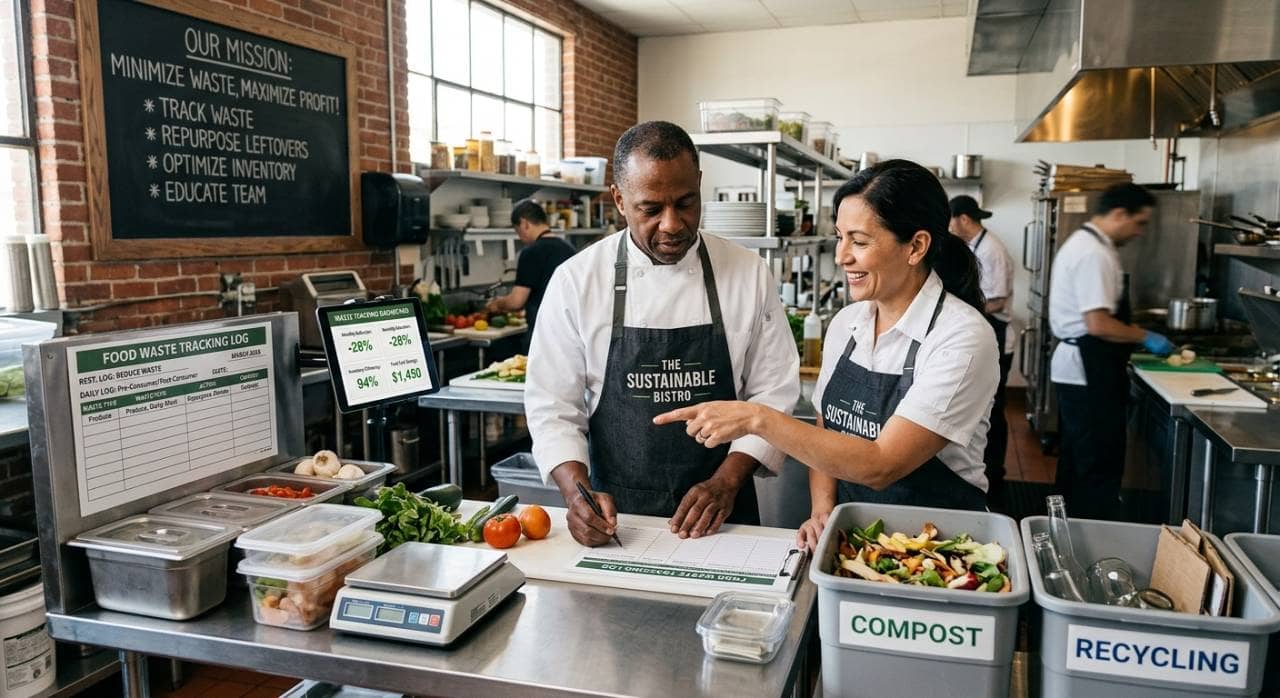
Learn how to reduce food waste in restaurants through smarter purchasing, storage, preparation, and service strategies that cut costs.
Sep 9, 2026
Swig signs franchise agreement for 11 South Denver locations, marking Colorado entry and validating its national expansion strategy.
Sep 8, 2026
Complete guide helping restaurant owners choose essential kitchen equipment - covering cooking, refrigeration, prep, sanitation, ventilation, safety, and long-term maintenance planning.
Sep 7, 2026
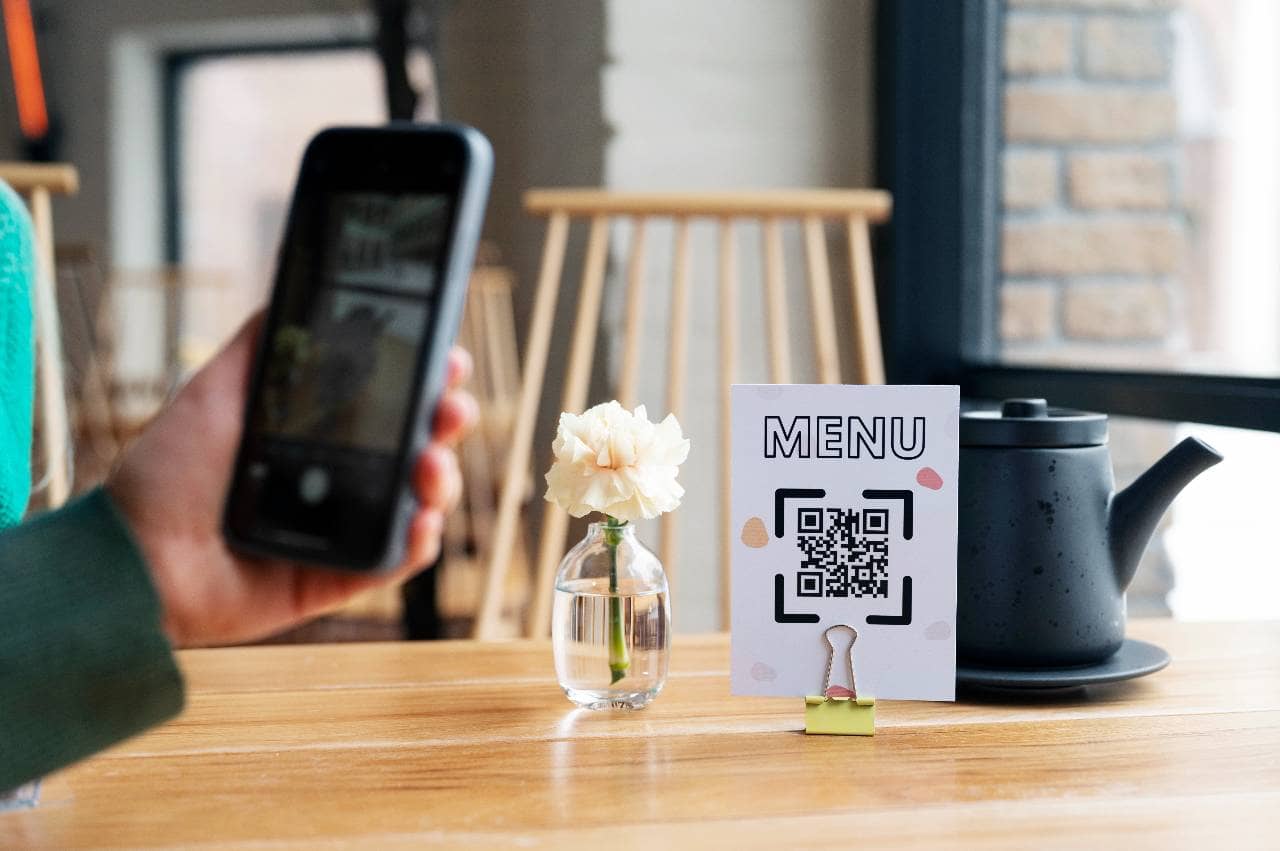
QR code menus let restaurants replace paper menus digitally, enabling instant updates, contactless browsing, ordering, and payment through simple smartphone scanning.
Sep 7, 2026

Avoiding common restaurant payroll mistakes - misclassification, tip credit errors, overtime miscalculations - protects businesses from costly penalties, back pay, and compliance risks.
Sep 4, 2026
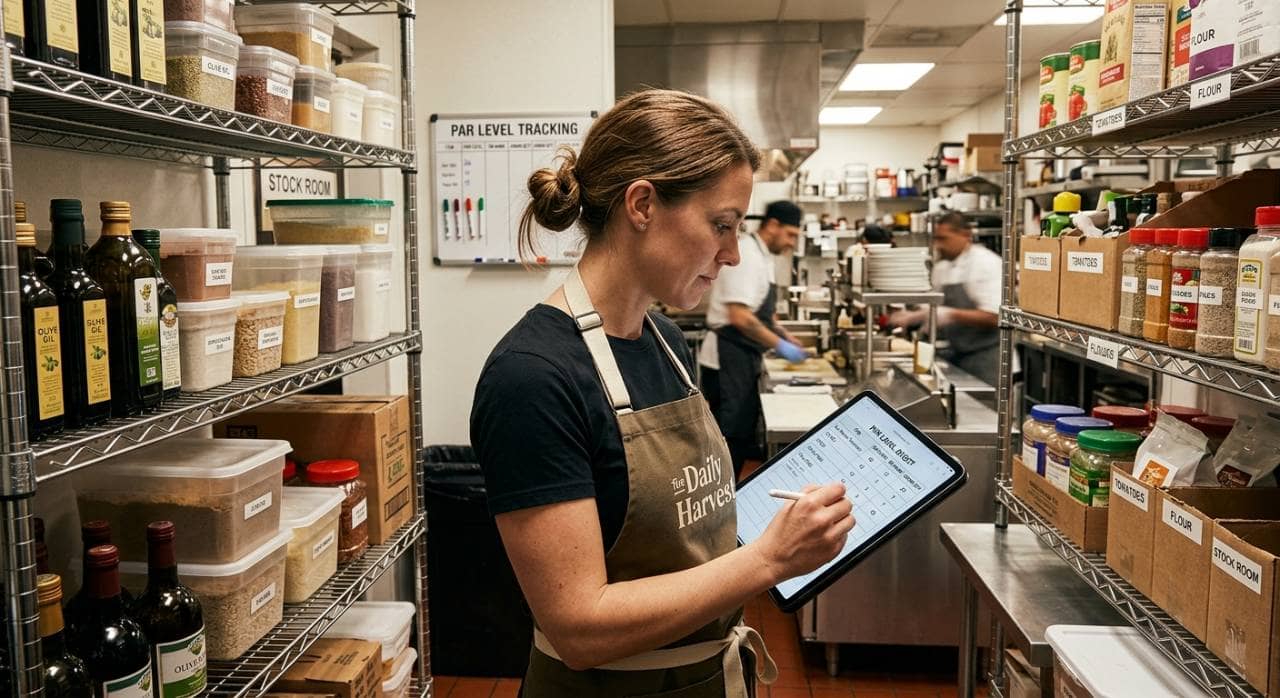
Learn to calculate par levels for restaurant food, beverages, and packaging inventory, preventing stockouts and waste through proper formulas.
Sep 4, 2026
Caribou Coffee appoints Zane Thomas-Rogers as Chief Operations Officer to strengthen execution across its expanding coffeehouse network.
Sep 4, 2026
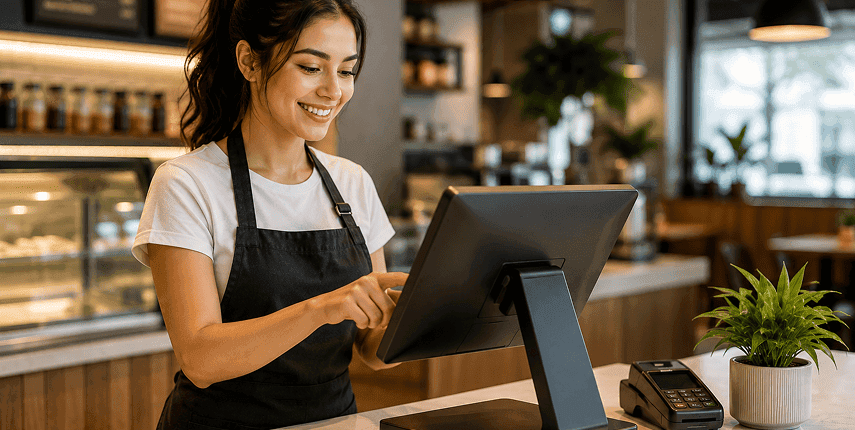
Compare the top 10 restaurant POS systems in the USA for 2026. Explore features, pricing, pros, cons, and the best POS options for every restaurant type.
Jul 1, 2026

Learn how to handle restaurant payroll yourself, from calculating hours and wages to managing tips, taxes, and final paychecks.
Sep 2, 2026

Unlock Exclusive Access To Webinars, Events, And The Latest News For Free!
Dallas-based FB Society scales concepts through incubation and exits, using two food halls as labs and eyeing NYC's Shaver Hall.

Photo by Ogulcan Ercal
FB Society doesn't chase a static lineup of concepts. It rewrites how a restaurant group grows. Born in Dallas, the company incubates ideas, builds them to scale, and then sells them to unlock resources for the next wave of invention. This isn't a one-off experiment; it's a disciplined path from incubation to exit. The pattern has fed a string of notable outcomes readers might recognize, Velvet Taco and Twin Peaks among them, proof that an energized orbit of brands can expand without losing focus. The model treats ideas as sparks to be matured, not as permanent property. In this sense, FB Society operates like a constantly moving workshop.
From the Dallas area’s vibrant concept-creation culture, Randy DeWitt and Jack Gibbons steered the shift from Front Burner Restaurants to FB Society. Their creed centers on creative differentiation and disciplined brand separation, ensuring guests perceive each concept as distinct even when housed under shared ownership. Industry discussions emphasize expanding innovation beyond a single company line, reinforcing trust through clear boundaries between brands. The incubation-to-exit cycle is real: mature concepts are evaluated for independent growth rather than perpetual shelter under a parent umbrella. The real differentiator, they say, is autonomous guest experiences, not a homogenized portfolio.

FB Society’s engine runs on a simple loop: conceive a restaurant idea, grow it to profitability, then divest so capital can fuel the next venture. After spinning off major brands, the group has faced the growing pains of rapid transition, moments when a large concept sale stressed infrastructure and spiked G&A costs. Leadership calls this a learning curve, one that underscored the need for a solid core operating base to support future ventures. To temper risk and democratize testing, the group operates a shared platform, the The Food Hall Co., and two hands-on labs that let operators learn by doing.
Legacy Hall in Plano, opened in 2017, now houses 24 eateries, while Assembly Food Hall in Nashville, opened in 2021, hosts around 30 restaurants, three stages, and a major rooftop. These spaces function as training wheels for restaurateurs who might not otherwise afford a full-scale freestanding concept, offering hands-on experience with real customers while preserving a core FB Society operating base. CEO Jack Gibbons has described the model as a way to operationalize ideas and share learnings with the broader restaurant and entrepreneurial communities of Nashville and Plano, with plans to extend into New York.
That line, “That's how we know it's time to sell the business.”, summarizes the moment a concept matures and needs a new home to keep growing. The emphasis on brand differentiation means guests shouldn't feel a corporate umbrella when hopping from one FB Society concept to another. In practice, distinct aesthetics and menus carve independent stories, even as the brands share resources. The exit isn't abandonment; it's a graduation that preserves momentum and protects guests' trust.
Two high-profile graduates illustrate the path. Velvet Taco, the Dallas-born globally inspired taco concept, moved to private equity ownership in 2021 when Leonard Green & Partners acquired a majority stake from L Catterton and FB Society. The deal underscored the value of a differentiated concept scaling beyond incubation. Twin Peaks followed a similar arc, with FAT Brands acquiring the brand for $300 million in 2021, a testament to how large spin-offs finance new experimentation. These exits are frequently cited as proof of a disciplined incubation-to-exit playbook.
The ambition stretches to New York City through Shaver Hall, a 35,000-square-foot food hall planned for the former Lord & Taylor building at Fifth Avenue and 38th Street. Early timelines called for a late-2025 or early-2026 opening, with two full-service restaurants and multiple stalls, including an omakase concept and other experiential ideas. Later reporting places the project in the pipeline for late 2025 or 2026, reflecting the shift of suburban and regional innovation into dense urban spaces. The project is led by The Food Hall Co., a division of FB Society.
Shaver Hall represents more than a single venue; it signals how a multi-concept group translates ground-level labs into a high-density city footprint. If the NYC venture proceeds as planned, it would extend the same incubator discipline to a market with bigger stakes, wider competition, and a different pace. It’s part of a broader strategy to turn experiments into long-term brands while sharing learnings with the entrepreneurial community.
FB Society sits within a growing ecosystem of incubator-like restaurant groups that blend brand creation, rapid testing, and strategic exits. The Dallas market already serves as a proving ground for suburban-to-urban rollouts, a pattern FB Society has helped popularize. Industry observers note the value of a differentiated brand portfolio and a disciplined separation of concepts, which reduces brand fatigue and protects consumer trust. Yet there are uncertainties about how quickly such models scale in crowded markets, how exits affect talent pipelines in the long term, and how urban ventures like Shaver Hall will integrate with Amazon’s Fifth Avenue footprint and New York’s evolving food hall culture. For now, the company remains optimistic about continuing to operationalize ideas and share them with the broader restaurant and entrepreneurial communities.
As FB Society demonstrates, incubation can be a robust, repeatable path to sustained innovation rather than a one-off experiment. The blend of independent branding, shared platforms, and learning labs in food halls creates a template for operators seeking to scale responsibly while maintaining brand integrity. Partners, lenders, and franchisees watch closely for signals about how to balance autonomy with a common operational spine. If the NYC and other big-market expansions proceed as planned, FB Society could become a blueprint for how multi-concept groups unlock ongoing innovation while keeping consumer experiences fresh and distinct across each brand.
