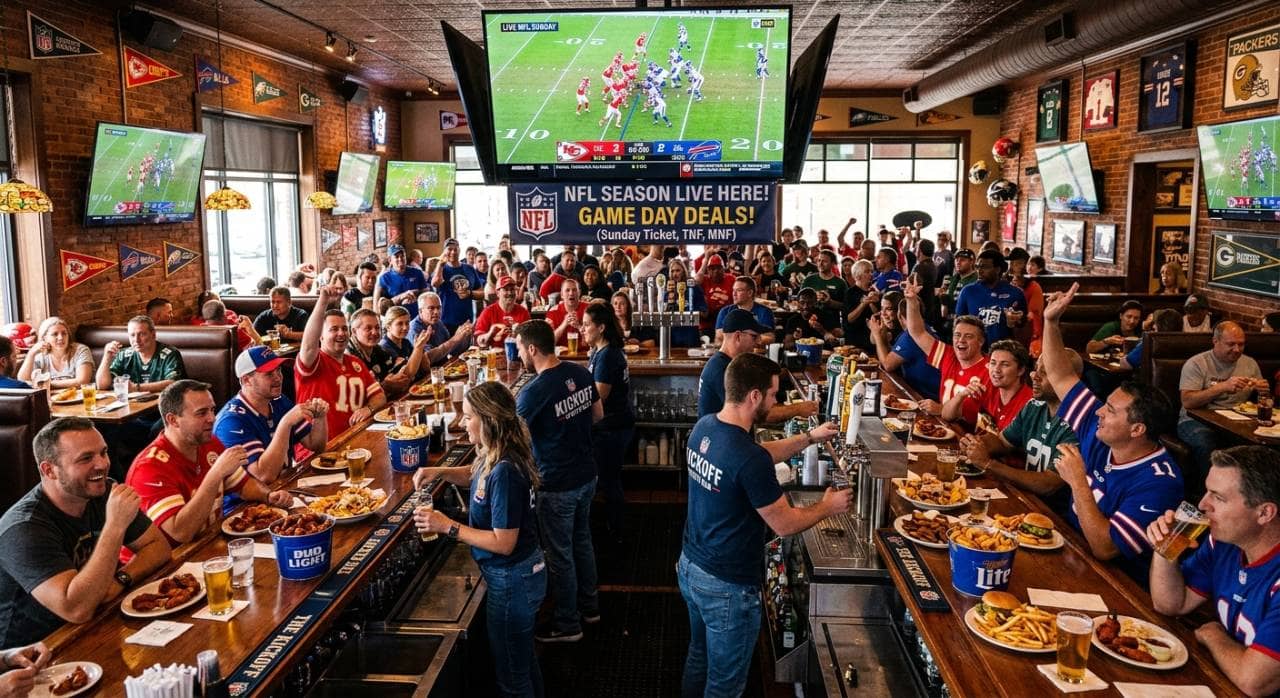
How to Prepare Your Restaurant for the NFL Season
Prepare your restaurant for NFL season with smart menu planning, staffing, marketing, technology, and atmosphere strategies that boost season-long revenue.
Marketing
Sep 9, 2026
Prepare your restaurant for NFL season with smart menu planning, staffing, marketing, technology, and atmosphere strategies that boost season-long revenue.
Sep 9, 2026
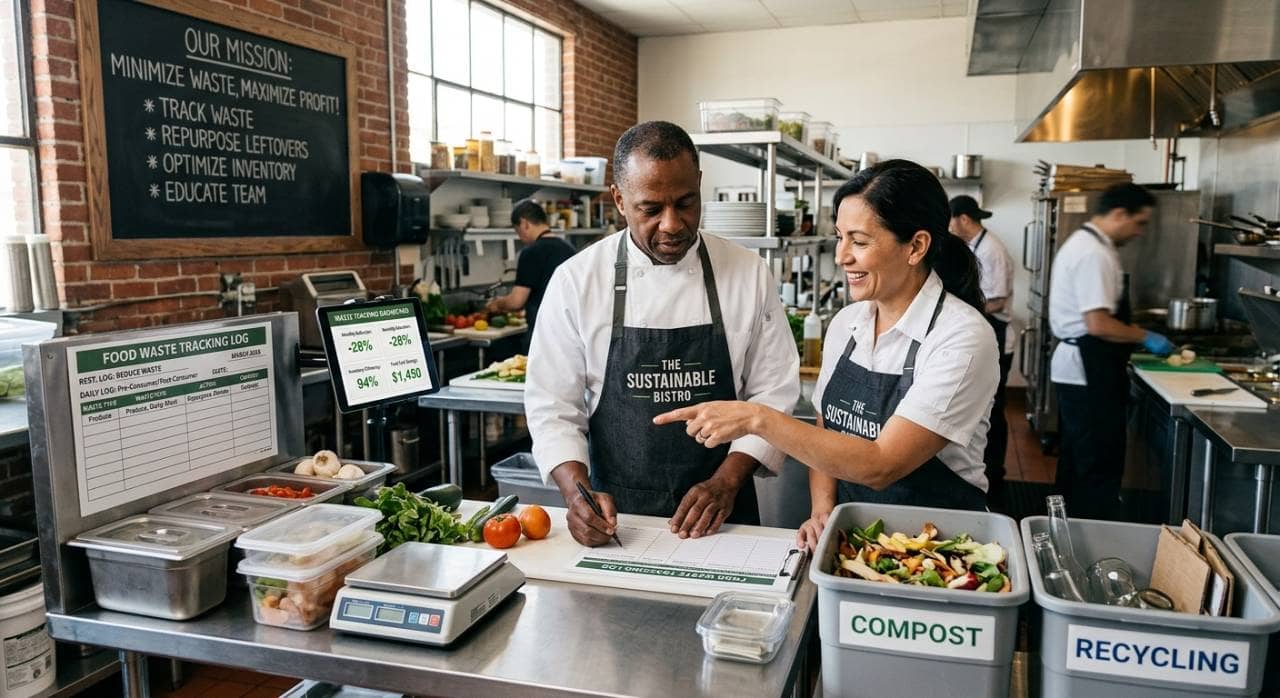
Learn how to reduce food waste in restaurants through smarter purchasing, storage, preparation, and service strategies that cut costs.
Sep 9, 2026
Swig signs franchise agreement for 11 South Denver locations, marking Colorado entry and validating its national expansion strategy.
Sep 8, 2026

Complete guide helping restaurant owners choose essential kitchen equipment - covering cooking, refrigeration, prep, sanitation, ventilation, safety, and long-term maintenance planning.
Sep 7, 2026
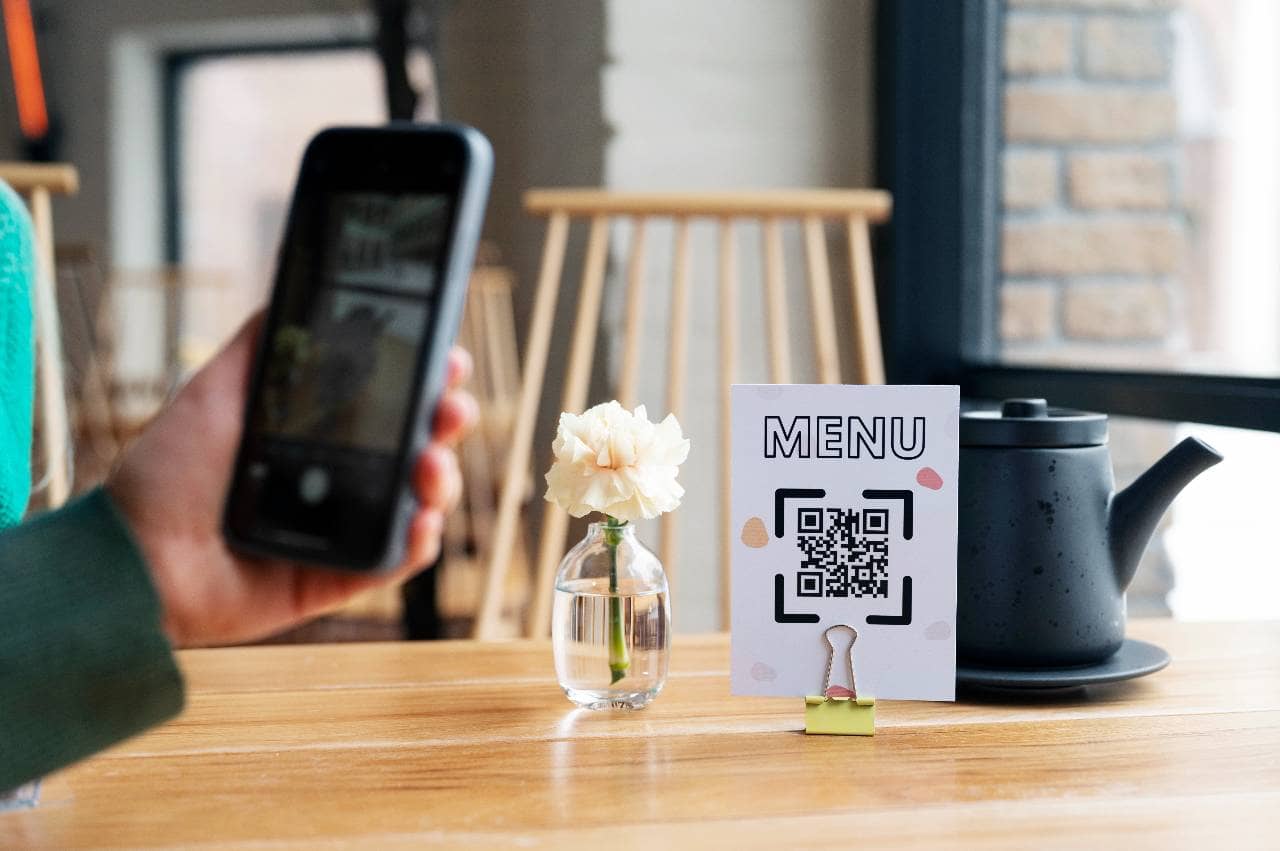
QR code menus let restaurants replace paper menus digitally, enabling instant updates, contactless browsing, ordering, and payment through simple smartphone scanning.
Sep 7, 2026

Avoiding common restaurant payroll mistakes - misclassification, tip credit errors, overtime miscalculations - protects businesses from costly penalties, back pay, and compliance risks.
Sep 4, 2026
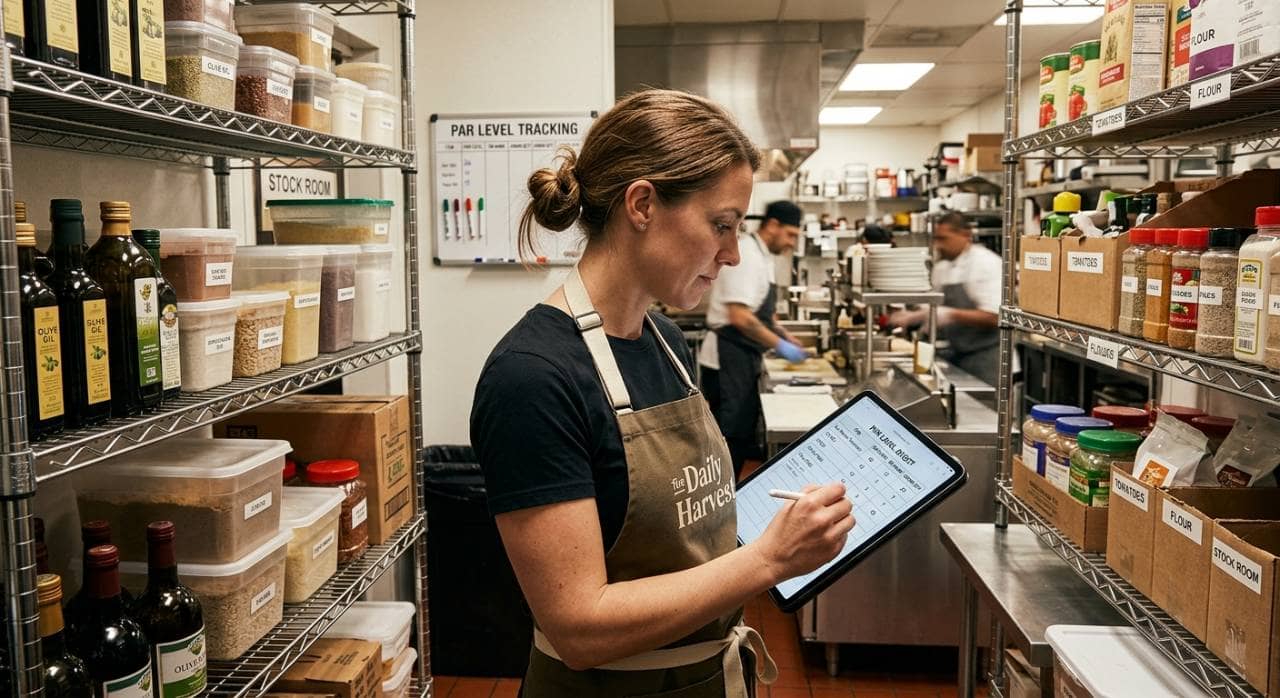
Learn to calculate par levels for restaurant food, beverages, and packaging inventory, preventing stockouts and waste through proper formulas.
Sep 4, 2026
Caribou Coffee appoints Zane Thomas-Rogers as Chief Operations Officer to strengthen execution across its expanding coffeehouse network.
Sep 4, 2026

Compare the top 10 restaurant POS systems in the USA for 2026. Explore features, pricing, pros, cons, and the best POS options for every restaurant type.
Jul 1, 2026

Learn how to handle restaurant payroll yourself, from calculating hours and wages to managing tips, taxes, and final paychecks.
Sep 2, 2026

Unlock Exclusive Access To Webinars, Events, And The Latest News For Free!
The Fifth Circuit ends the 80/20 tipped-wage framework, returning to a pre-rule baseline while state rules move independently. A detailed, expert-led look at origins, mechanics, and industry impact.

Photo by Niconor Brown
Fifth Circuit turning point in tip policy is real. The court has vacated the 2021 Final Rule governing tip credits, effectively ending the 80/20/30 framework that dictated how operators could apply the federal tip credit. The ruling lands on August 23, 2024, and it is geographically narrow but loud in impact. It returns the region to the pre-rule baseline, while state and local variations still apply. For servers, cooks, and managers, this isn’t distant policy, it changes how payroll is planned, how shifts are structured, and how managers talk with staff about pay. This is the moment: the next moves will define wage practice in hospitality across the area.
Under the 80/20/30 framework, tipped workers could be paid a subminimum wage via the federal tip credit only for tip-producing tasks, with additional regular wages required if workers spent more than 20% of a workweek on tip-supporting duties or performed such duties for more than 30 consecutive minutes. The mechanism forced operators to maintain meticulous time records and to adjust schedules as duties shifted. The Department of Labor’s guidance historically tied tips to the federal minimum wage of $7.25 per hour and the $2.13 per hour tip credit, though state rules could impose higher floors or even eliminate the credit. The Fifth Circuit’s ruling framed the regulation as arbitrary and capricious and inconsistent with the Fair Labor Standards Act, a finding that unsettled a long sequence of regulatory shifts. The decision is a reminder that policy and practice must stay aligned to statutory language.

The 80/20 concept grew from a long-running effort to tighten the line between tip-producing tasks and ancillary duties for workers who receive a tip credit. The Obama-era groundwork suggested the rule would be revisited as policy evolved, a reflection of shifting political priorities. In practice, the rule sought to quantify how much time tipped employees could spend on non‑tip-related activity while still qualifying for the reduced tipped wage. Critics argued the framework was intricate and burdensome, especially for servers who fluidly switch between tipping and non‑tip tasks. The back-and-forth, policy moves tied to administrations, became a hallmark of how agencies translate statutes into restaurant life.
Regulatory pendulum swung from initial proposals to a rollback under the Trump administration, then a reintroduction with clarifications under the Biden administration. Industry practitioners argued the idea promised precision but demanded operational discipline that many operators found impractical. As observers noted, the rule’s arc reflects how labor standards policy bends with political winds more than with statutory text, which has tangible consequences for how restaurants staff and pay their people. The tension, between ideal precision and workable operations, remains the backdrop to every payroll decision in hospitality.

Policy direction matters, but operational discipline wins in the end. The industry is watching for clarity on whether tipping can be simplified without sacrificing fairness. In practice, managers should expect to communicate pay changes well in advance, document decisions, and coordinate with staff to minimize disruption. The broader takeaway is that the policy pendulum will continue to swing, but operators can control the pace by investing in transparent payroll practices and by keeping lines of communication open with employees about any shifts in wage structures.
