California Penalizes Dickey's for Franchise Disclosure Violations
California shifts to public enforcement strategy against Dickey's for deceptive franchise disclosures, signaling stricter state-level franchise oversight.
Franchising
Sep 10, 2026
California shifts to public enforcement strategy against Dickey's for deceptive franchise disclosures, signaling stricter state-level franchise oversight.
Sep 10, 2026
Paul Brown temporarily steps away from Inspire Brands as Scott Murphy assumes interim CEO role during confidential IPO filing process targeting late 2026.
Sep 10, 2026
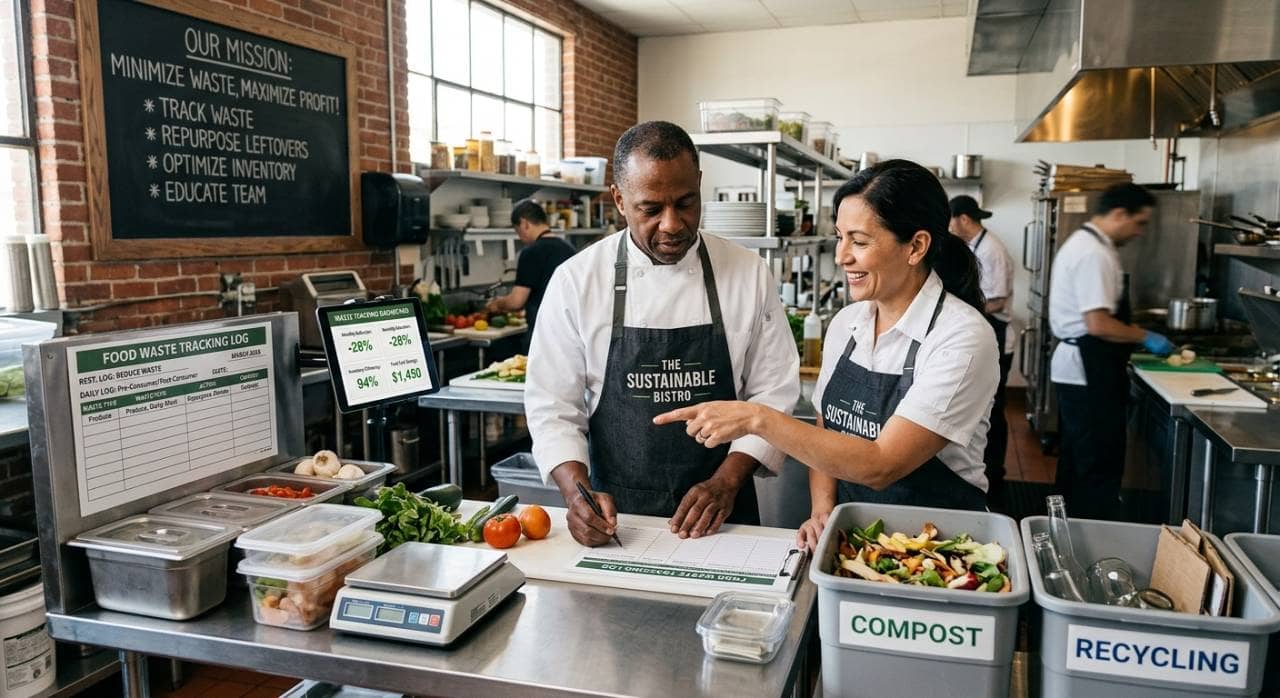
Learn how to reduce food waste in restaurants through smarter purchasing, storage, preparation, and service strategies that cut costs.
Sep 9, 2026
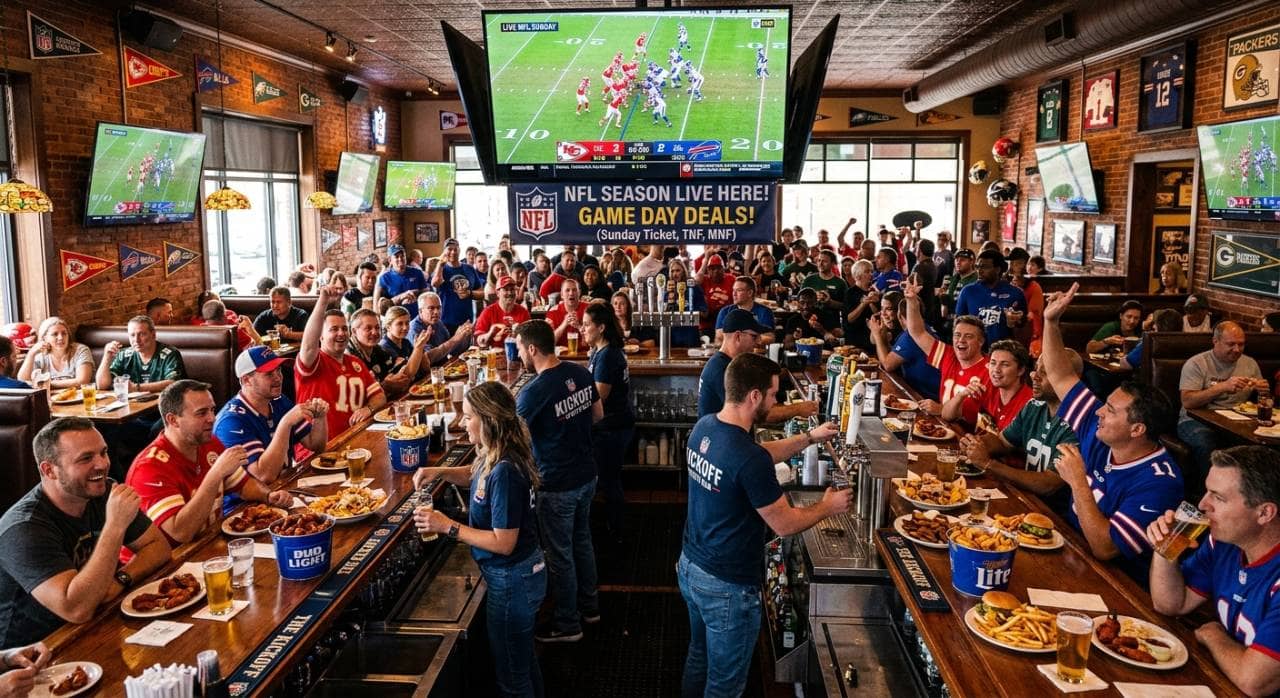
Prepare your restaurant for NFL season with smart menu planning, staffing, marketing, technology, and atmosphere strategies that boost season-long revenue.
Sep 9, 2026
Swig signs franchise agreement for 11 South Denver locations, marking Colorado entry and validating its national expansion strategy.
Sep 8, 2026

Complete guide helping restaurant owners choose essential kitchen equipment - covering cooking, refrigeration, prep, sanitation, ventilation, safety, and long-term maintenance planning.
Sep 7, 2026

QR code menus let restaurants replace paper menus digitally, enabling instant updates, contactless browsing, ordering, and payment through simple smartphone scanning.
Sep 7, 2026

Avoiding common restaurant payroll mistakes - misclassification, tip credit errors, overtime miscalculations - protects businesses from costly penalties, back pay, and compliance risks.
Sep 4, 2026
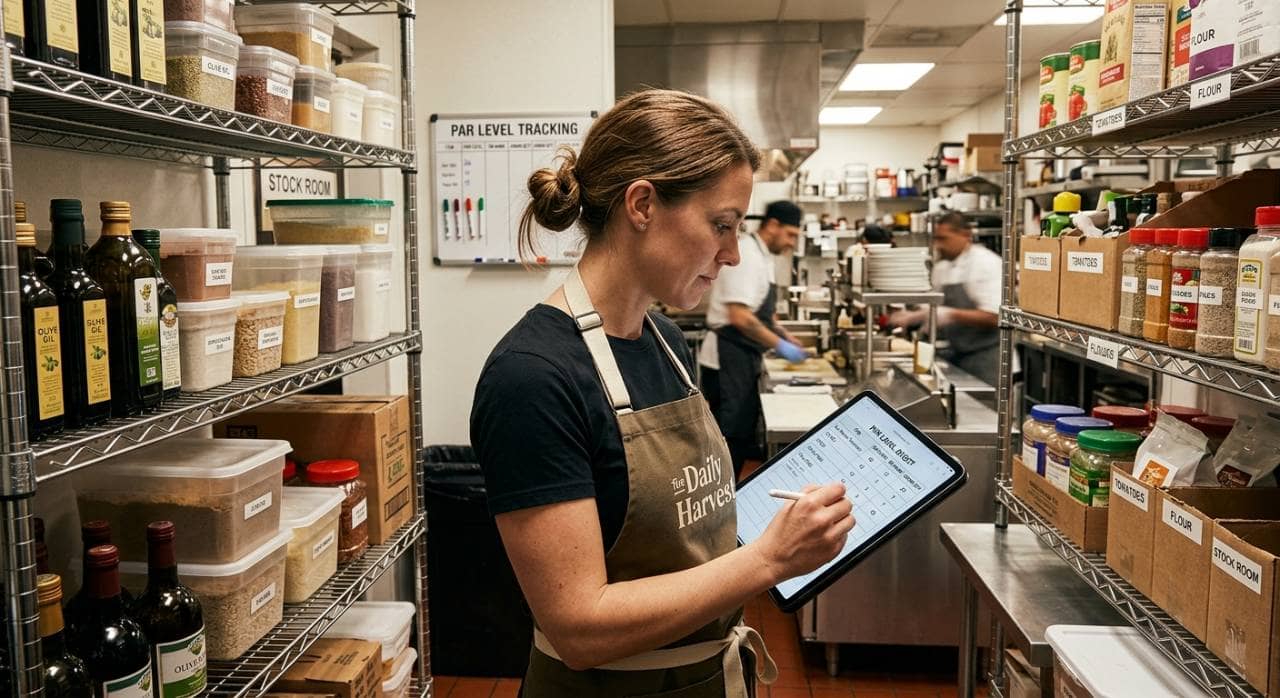
Learn to calculate par levels for restaurant food, beverages, and packaging inventory, preventing stockouts and waste through proper formulas.
Sep 4, 2026
Caribou Coffee appoints Zane Thomas-Rogers as Chief Operations Officer to strengthen execution across its expanding coffeehouse network.
Sep 4, 2026

Unlock Exclusive Access To Webinars, Events, And The Latest News For Free!
First Watch buys 16 franchised units and development rights in NC/SC for $49M, tightening brand governance and fueling growth along the East Coast.

Photo by Delaney Van
First Watch is calibrating its growth with a careful, thoughtful approach that blends governance with guest experience. The company announced a milestone on the East Coast: a 16-unit franchise portfolio plus development rights for North Carolina and South Carolina, acquired for $49 million on a cash-free, debt-free basis. The decision matters beyond dollars, signaling a shift toward stronger corporate ownership in a region where rapid expansion can outpace brand consistency. It’s a moment that invites a closer look at how First Watch aims to balance scale with the nourishing, balanced guest experience it’s known for. What follows is a closer look at the mechanics and motives behind the move.
The 16-unit deal encompassed 16 franchise-owned restaurants plus development rights in two states, with a purchase price of $49 million on a cash-free, debt-free basis. The agreement also included one restaurant that was under construction at the time. Closing details indicated the deal would strengthen corporate oversight and speed time-to-market in the Carolinas, complemented by development rights that could fuel ongoing expansion in the region. The Charlotte/Concord NC and Columbia/Greenville SC markets were identified as the primary loci for the acquired portfolio. "The acquisition of these 16 locations helps solidify corporate ownership of First Watch restaurants along the East Coast – and provides us with additional territories to grow organically for years to come," said Chris Tomasso, First Watch CEO & President.

The motives behind the move go beyond one transaction. First Watch has framed the acquisition as part of a years-long campaign to reclaim franchise-operated units and tighten brand governance. Since May 2023, the company has pursued multiple reacquisitions, totaling 64 franchised restaurants across eight deals. By bringing more units under corporate ownership, executives say the company can standardize guest experiences, align development timelines, and accelerate growth in its target markets. The strategy, they argue, is foundational to long-term value creation and a more unified development roadmap.
The release notes that this path would consolidate leadership and unify development under Corporate First Watch ownership. Taken together with the broader portfolio, the move is presented as a disciplined, governance-first step toward a more cohesive growth trajectory.

Deal mechanics details unpack the heart of the transaction. The 16-unit deal encompassed 16 franchise-owned restaurants plus development rights in two states, at a purchase price of $49 million on a cash-free, debt-free basis. The agreement also included one restaurant under construction. Closing is positioned to strengthen corporate oversight and speed time-to-market in the Carolinas, complemented by development rights that could fuel ongoing expansion in the region. The Charlotte and Concord markets in North Carolina, along with Columbia and Greenville in South Carolina, are identified as the primary loci for the acquired portfolio.
The closing occurred on April 28, 2025, with integration expected to proceed promptly. By weaving these locations into the corporate system, First Watch signals a more centralized approach to operations, menu execution, and guest-service standards in the region, supported by development rights that can continue fueling new openings across the Carolinas.
Leadership And People reflect the human dimension of the expansion. In commenting on the strategic rationale, Tomasso framed the move as not only about geography but also performance. The company expects the acquired restaurants to generate unit volumes and restaurant-level operating profit margins in line with its company-owned restaurants, signaling parity across the portfolio. The human capital dimension is substantial: the integration adds more than 500 new employees into the corporate-owned system, reinforcing the brand culture and ensuring consistent standards across the Carolinas.
If this parity holds, the move supports a cohesive operational ethos, from procurement to training, designed to sustain a thoughtful, nourishing guest experience even as the footprint expands. The emphasis on consistent performance across the expanded portfolio underscores a deliberate, mindful approach to growth that aligns with First Watch's brand values.

Growth Outlook And Implications capture the scale of the plan. The evolving footprint shows a growth-hungry design. Early 2024 reported a system-wide network of 547 restaurants (466 company-owned, 81 franchise-owned) across 29 states. By the end of 2025, the platform had grown to 633 system-wide restaurants (560 company-owned, 73 franchise-owned) across 32 states, with 64 system-wide openings in 2025 across 23 states. The Carolinas corridor sits at the heart of this expansion, supported by ongoing investments in digital marketing and guest experience initiatives to sustain traffic and check growth.
Taken together, the East Coast acquisition and the broader 2025 performance signal a deliberate pivot toward tighter brand control and a more disciplined approach to portfolio management. By integrating franchise locations into a unified corporate framework, First Watch aims to deliver consistent guest experiences, optimize operating practices, and leverage development rights to fuel future expansion. As the brand looks to 2026, observers will watch how the Carolinas corridor evolves as a core growth engine for the company.