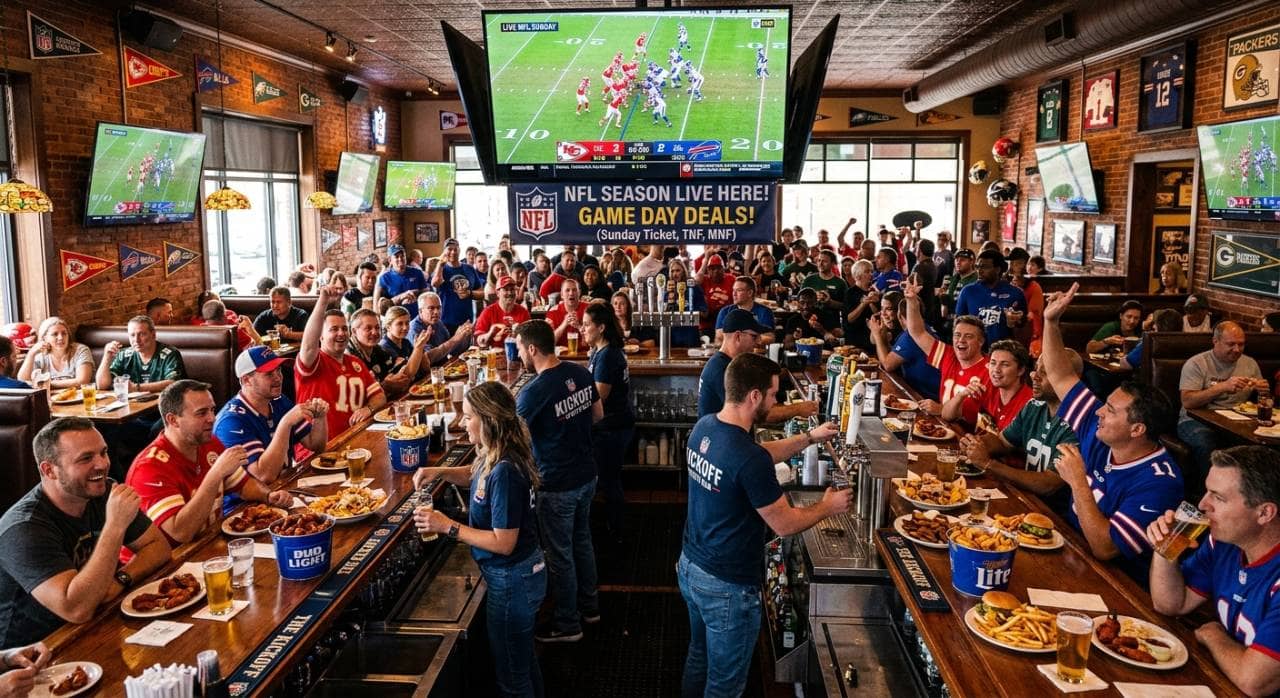
How to Prepare Your Restaurant for the NFL Season
Prepare your restaurant for NFL season with smart menu planning, staffing, marketing, technology, and atmosphere strategies that boost season-long revenue.
Marketing
Sep 9, 2026
Prepare your restaurant for NFL season with smart menu planning, staffing, marketing, technology, and atmosphere strategies that boost season-long revenue.
Sep 9, 2026
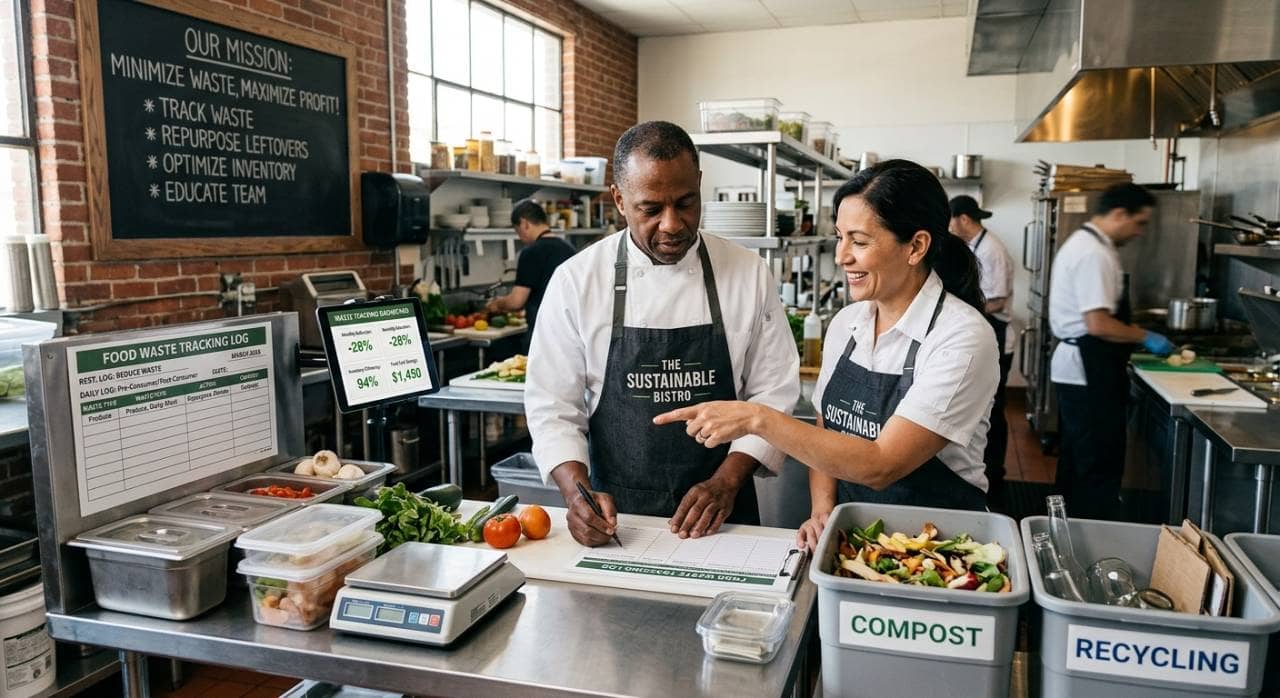
Learn how to reduce food waste in restaurants through smarter purchasing, storage, preparation, and service strategies that cut costs.
Sep 9, 2026
Swig signs franchise agreement for 11 South Denver locations, marking Colorado entry and validating its national expansion strategy.
Sep 8, 2026
Complete guide helping restaurant owners choose essential kitchen equipment - covering cooking, refrigeration, prep, sanitation, ventilation, safety, and long-term maintenance planning.
Sep 7, 2026
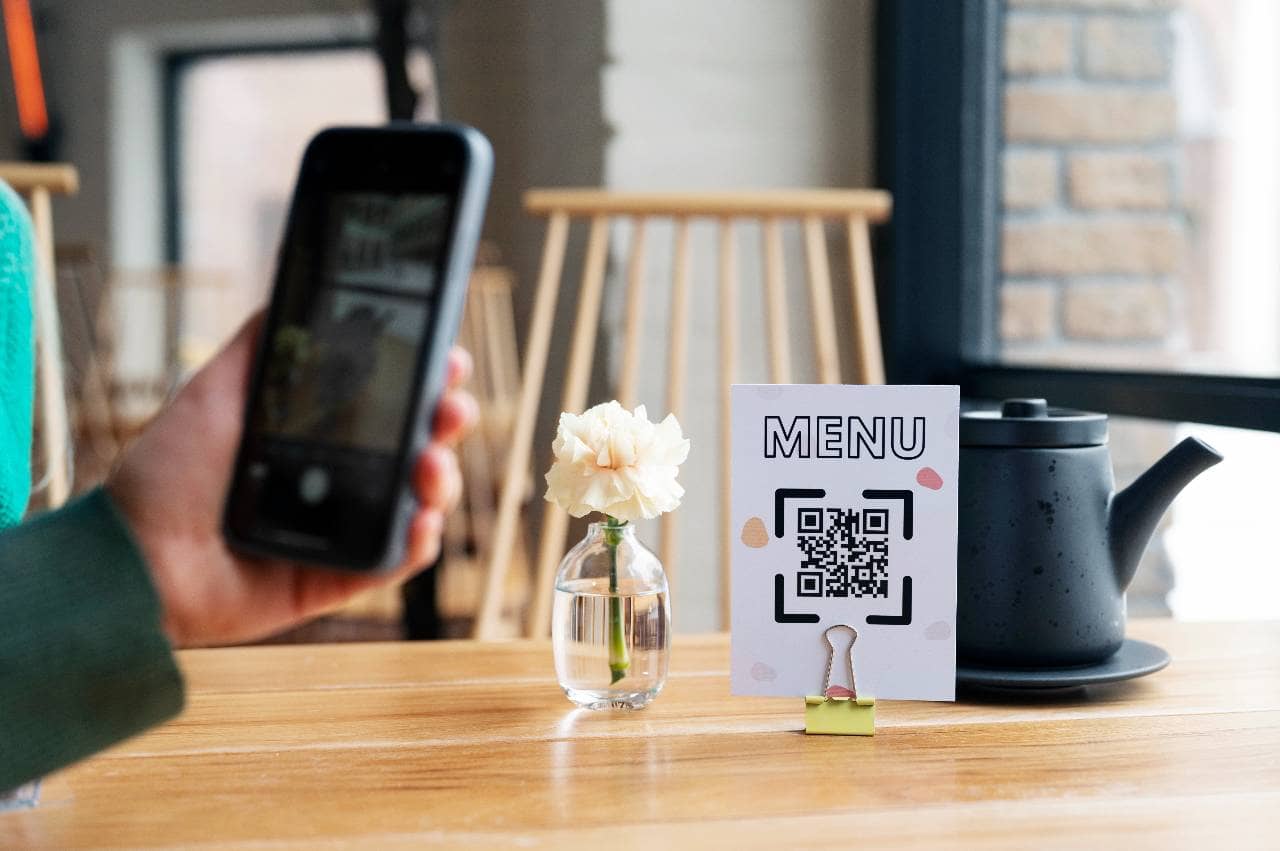
QR code menus let restaurants replace paper menus digitally, enabling instant updates, contactless browsing, ordering, and payment through simple smartphone scanning.
Sep 7, 2026

Avoiding common restaurant payroll mistakes - misclassification, tip credit errors, overtime miscalculations - protects businesses from costly penalties, back pay, and compliance risks.
Sep 4, 2026
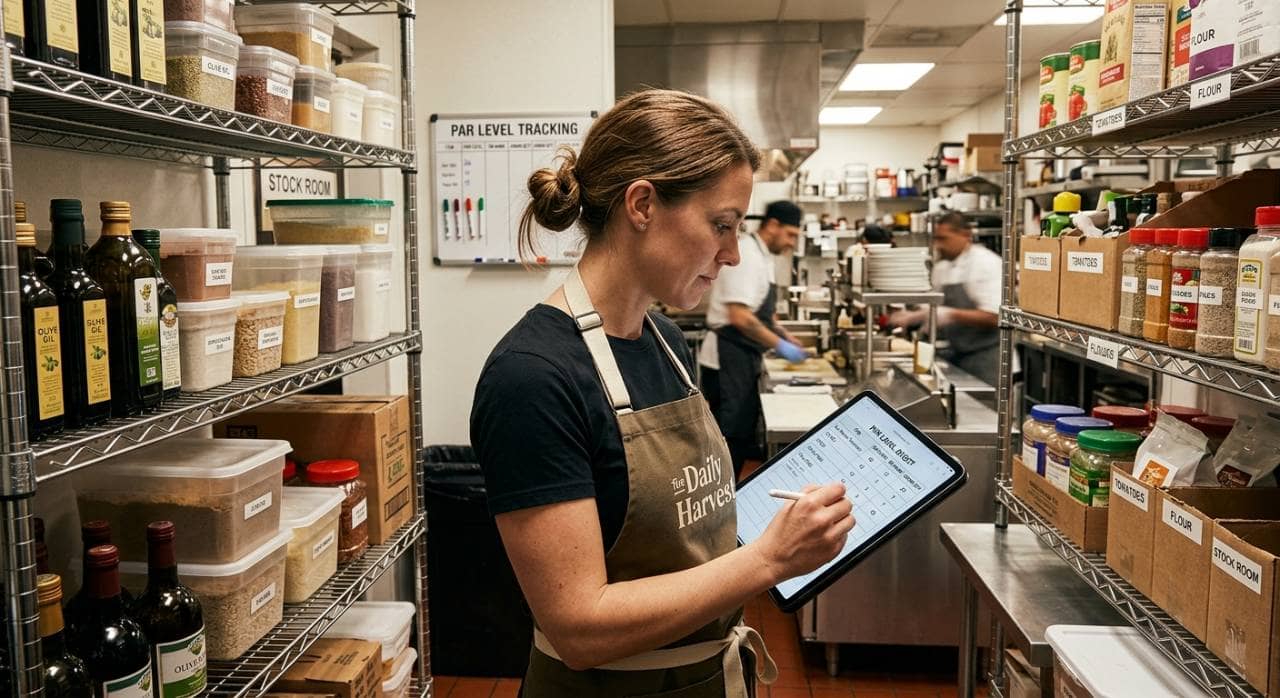
Learn to calculate par levels for restaurant food, beverages, and packaging inventory, preventing stockouts and waste through proper formulas.
Sep 4, 2026
Caribou Coffee appoints Zane Thomas-Rogers as Chief Operations Officer to strengthen execution across its expanding coffeehouse network.
Sep 4, 2026
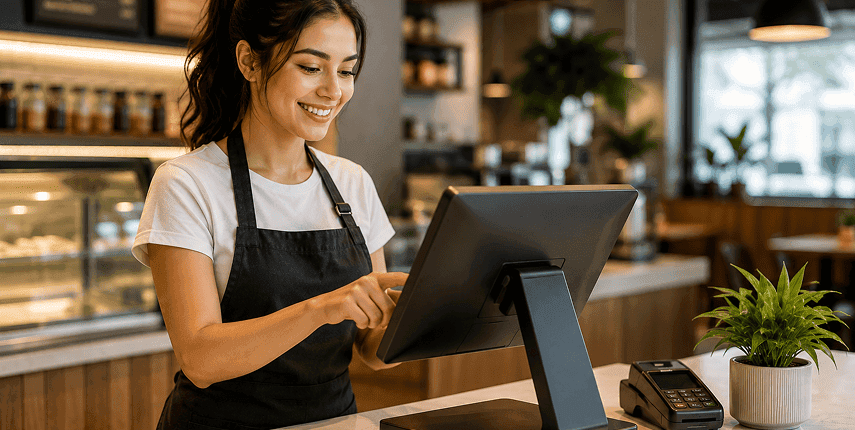
Compare the top 10 restaurant POS systems in the USA for 2026. Explore features, pricing, pros, cons, and the best POS options for every restaurant type.
Jul 1, 2026

Learn how to handle restaurant payroll yourself, from calculating hours and wages to managing tips, taxes, and final paychecks.
Sep 2, 2026

Unlock Exclusive Access To Webinars, Events, And The Latest News For Free!
Flynn Group expands Wendy's footprint with 83 new units in NJ and PA, pursuing scale, tech integration, and cross-brand growth across a global strategy.

Photo by Pixzolo Photography
Flynn Group is doubling down on Wendy’s in the Northeast. The latest move brings 83 Wendy’s restaurants into New Jersey and Pennsylvania, pushing Flynn’s domestic Wendy’s footprint to 277 units across six states and the District of Columbia. This isn’t a vanity tally. It matters for supply chain leverage, co-brand economics, and the speed at which Flynn can standardize the guest experience across a larger map. The expansion reinforces Flynn Group’s status as the world’s largest franchisee and signals a discipline-first growth play aimed at winning in a digital-first delivery era. Size buys bargaining power, but it must be paired with discipline, and Flynn is betting they can pull both levers at once.
Under the leadership of Rasheeda Clark, who joined in 2022 to run the Wendy’s segment, the operation rests on a centralized backbone, from procurement to technology, that standardizes menus, training, and systems across this expanding network. Clark frames the Northeast push as both growth engine and test bed for the integration playbook: capture synergies, tighten unit economics, and preserve the guest experience Wendy’s guests expect. The strategy leans on keeping pace with industry trends and ensuring technology becomes a driver, not a delay. In short, scale and consistency go hand in hand.
That balance, aggressive growth paired with disciplined execution, will be tested as the map widens. The Northeast serves as both proving ground and signal: scale is not performance; it’s the frame that makes performance predictable. Flynn’s team wants the easy wins of bandwidth and systems, but they’ll be judged on how well the guest experience travels with the expansion.

Flynn Group’s Wendy’s footprint traces back to a strategic decision roughly three years ago to enter the Wendy’s system after buying NPC International’s Wendy’s and Pizza Hut assets. NPC had been a dominant operator, and the broader transaction included 937 Pizza Hut locations and 194 Wendy’s restaurants, acquired in the wake of NPC’s bankruptcy. That asset mix created a platform for rapid, multi-brand expansion and a centralized operating backbone designed to scale. While Flynn’s public materials stress fit and leadership alignment with Wendy’s, industry observers note the large-scale NPC asset sale’s role in reshaping the U.S. restaurant landscape.
Timeline and value context around the NPC package shows a broad price tag. Public reporting places the aggregate value in the hundreds of millions, with industry coverage at times citing roughly $801 million for the broader NPC asset package. The consolidation enabled Flynn to centralize governance and pursue cross-brand efficiencies, paving the way for Wendy’s expansion in the Northeast and beyond. The deal unfolded under the legal framework of NPC’s bankruptcy and court-approved asset transfers that allowed Flynn to execute the deals and build a scalable platform.
From this vantage, the NPC acquisition isn’t a footnote; it’s the engine behind Flynn’s multi-brand ambition. It reshaped the U.S. restaurant landscape by delivering a centralized platform with cross-brand potential, enabling rapid deployment, integrated governance, and the discipline that now informs the Wendy’s Northeast push.

On the ground, Rasheeda Clark runs Flynn Wendy’s with a steady hand. The Northeast push sits on a centralized backbone, from procurement to tech platforms, that aims for a uniform guest experience across a bigger, more diverse fleet. Clark emphasizes keeping pace with industry trends and making sure technology stays a real driver, not a lagging edge. In practice, this means standardizing menus, training, and systems to harvest synergies and shore up unit economics while protecting the customer experience that Wendy’s delivers.
Operational reality is more than a slogan. The expansion into New Jersey and Pennsylvania will test Flynn’s integration playbook. The work centers on translating scale into predictable performance, consistent service, accurate orders, and timely delivery, while preserving the Wendy’s guest experience. It’s a practical bet that begins with the Northeast and functions as a proving ground for the multi-brand model.
Takeaway, this is a test bed, not a footnote. The Northeast will reveal whether Flynn can sustain margins and guest satisfaction while weaving the Wendy’s network into a larger, cross-brand framework.
Greg Flynn, Flynn Group CEO, frames the Northeast expansion as aligned with Wendy’s leadership and the brand’s resilience. The move isn’t reckless growth; it’s a calculated step designed to deepen market depth, tighten the supply chain, and orchestrate a multi-brand engine with real revenue potential. The framing matters because it sets expectations for margins, guest experience, and long-term franchise relationships across the group.
'Ultimately a consistent guest experience, time, time, and time again is the only way to survive in this business. I think it is ensuring that you don’t fall behind industry trends to stay relevant. Technology is one of those things you can delay if you want, but if you delay, you don’t stay up to trends, and you will fall behind.' said Rasheeda Clark.
Together, their voices map a philosophy: growth with guardrails, technology as a driver, and a relentless focus on guest expectations. This is not a one-off expansion; it’s a blueprint for a scalable, brand-centric multi-brand operation that can adapt to changing consumer habits.
NPC sale marks a turning point. The completion of acquiring NPC International’s Pizza Hut locations and most of its Wendy’s restaurants, framed by the 2020–2021 period, positioned Flynn as a mega-franchise operator. Public reporting placed the NPC package’s value around the hundreds of millions, with some headlines at roughly $801 million. The consolidation enabled Flynn to centralize governance and push multi-brand scale, opening the door to Wendy’s unit growth in the Northeast. Internationally, Flynn secured master franchising rights in Australia, aiming to develop 200 Wendy’s restaurants there in the next decade, while also acquiring the New Zealand master franchise. The global footprint now sits near 2,900 locations across brands, spanning 44 states, Australia, and New Zealand, with annual sales near $5 billion and a workforce above 75,000.
Gaps, uncertainties, and what’s next remain. Integration across a larger, multi-brand portfolio poses operational challenges, from standardized training to culture alignment across diverse markets. Regulatory environments differ between the United States, Australia, and New Zealand, which could affect rollout timelines, supply chains, and labor practices. The emphasis on technology and guest experience, championed by Clark, will be critical to staying relevant as digital ordering and delivery evolve. As Flynn expands, observers will watch how the company translates scale into margins, while maintaining strong franchisee partnerships that underpin the Wendy’s ecosystem and its broader family.
So the next chapter isn’t just more doors. It’s how Flynn uses scale to sharpen guest experiences, negotiate stronger supplier terms, and keep the brand competitive across borders. The test is real, and the clock is running.
