
California Penalizes Dickey's for Franchise Disclosure Violations
California shifts to public enforcement strategy against Dickey's for deceptive franchise disclosures, signaling stricter state-level franchise oversight.
Franchising
Sep 10, 2026
California shifts to public enforcement strategy against Dickey's for deceptive franchise disclosures, signaling stricter state-level franchise oversight.
Sep 10, 2026
Paul Brown temporarily steps away from Inspire Brands as Scott Murphy assumes interim CEO role during confidential IPO filing process targeting late 2026.
Sep 10, 2026

Learn how to reduce food waste in restaurants through smarter purchasing, storage, preparation, and service strategies that cut costs.
Sep 9, 2026
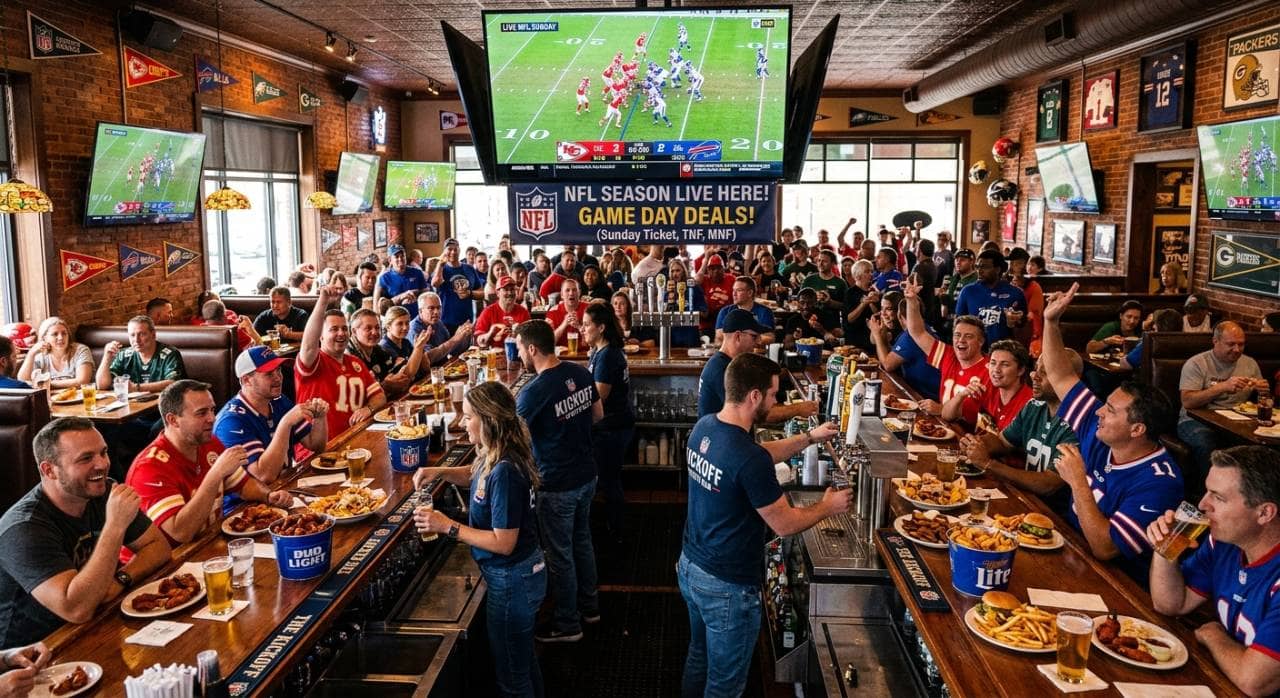
Prepare your restaurant for NFL season with smart menu planning, staffing, marketing, technology, and atmosphere strategies that boost season-long revenue.
Sep 9, 2026
Swig signs franchise agreement for 11 South Denver locations, marking Colorado entry and validating its national expansion strategy.
Sep 8, 2026

Complete guide helping restaurant owners choose essential kitchen equipment - covering cooking, refrigeration, prep, sanitation, ventilation, safety, and long-term maintenance planning.
Sep 7, 2026

QR code menus let restaurants replace paper menus digitally, enabling instant updates, contactless browsing, ordering, and payment through simple smartphone scanning.
Sep 7, 2026

Avoiding common restaurant payroll mistakes - misclassification, tip credit errors, overtime miscalculations - protects businesses from costly penalties, back pay, and compliance risks.
Sep 4, 2026

Learn to calculate par levels for restaurant food, beverages, and packaging inventory, preventing stockouts and waste through proper formulas.
Sep 4, 2026
Caribou Coffee appoints Zane Thomas-Rogers as Chief Operations Officer to strengthen execution across its expanding coffeehouse network.
Sep 4, 2026

Unlock Exclusive Access To Webinars, Events, And The Latest News For Free!
Fortress-led creditors seek sale and debt transfer as Red Lobster navigates Chapter 11, balancing landlord claims, cure disputes, and a purchaser-led exit.
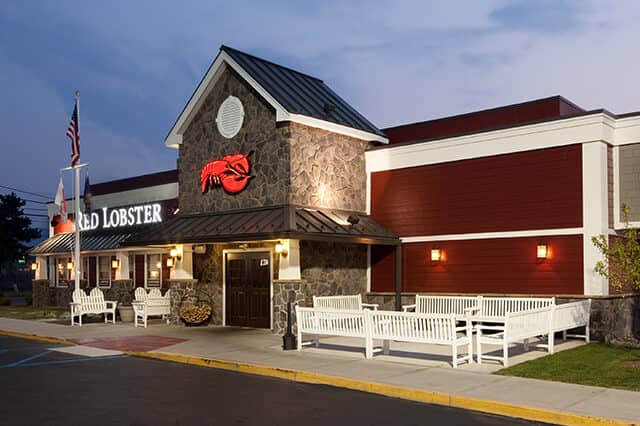
Red Lobster enters a courtroom-facing chapter of its history with the quiet gravity of a restrained tasting menu: precise, measured, and full of consequence. On May 19, the brand filed for Chapter 11, signaling financial strain and a clear desire for a purchaser-led path out of bankruptcy. In the weeks that followed, more than one hundred restaurants shuttered their doors, a stark reminder of the pressures that press on a once-dominant casual-dining icon. The narrative arc is not merely legal wrangling; it is a search for balance between brand heritage and the hard arithmetic of debt, leases, and supplier obligations. What remains to be seen is who will fund the revival and how the table will be set for a possible sale.
Within the courtroom, the path forward reads as a plan to trim operations, close underperforming sites, and press toward a sale that can fund a viable balance sheet. The acquisition vehicle is taking shape around Fortress Credit Corp., already the lender at the heart of the refinancing and now positioned to lead a bid through its affiliates, including RL Purchaser LLC. The staging ground is a high-stakes negotiation in which landlords, lenders, and service providers must align their expectations with a future owner who can honor a broad array of contracts and keep the brand’s promise intact. The heart of the matter is a purchaser-led exit that preserves value while dissolving the old liabilities in an orderly transfer.
Fortress Credit Corp. sits at the pivot of a creditor ecosystem that includes landlords, service providers, and lenders. The record highlights several real estate players in the West and Southwest, Surprise Towne Center Marketplace, Vestar Bowles Crossing, and CTC Gilbert Phase 1, claim they are owed a total of $47,348.98 and contend they would receive little under the current framework. Morguard Boynton Town Center Inc. has also weighed in, insisting on full payment of $68,496.76. These real estate claims illuminate how lease obligations tied to complex properties may influence how quickly a deal can close and whether a new owner assumes existing leases. The mix also includes service providers seeking guarantees and protections as part of any asset transfer.
The ledger extends beyond landlords: service providers have joined the chorus, pressing for guaranteed payments and contract protections as part of an orderly transfer. The specificity of claims underscores the high-stakes negotiation around who pays and when, and how the future owner will honor the commitments that keep the supply chain intact. The creditor chorus, led by Fortress, is watching closely as the plan moves toward a court-approved framework that could enable a clean transfer of obligations to a new owner alongside the brand’s continuing operations.
Fortress Credit Corp. has begun to shape a pathway where the debt will transfer to the new ownership if the sale closes. The plan centers on a Fortress-led bid through its affiliates, notably RL Purchaser LLC, and positions Orlando as the hub of the anticipated restructuring. The idea is to concentrate risk and opportunity in the hands of Fortress and its co-investors, aligning creditor recoveries with a viable exit strategy for Red Lobster. As trade outlets report, this is not merely a refinancing; it is a carefully calibrated pivot toward a fresh ownership structure that preserves brand value while addressing legacy liabilities.
The stalking-horse framework and related negotiation dynamics signal a clear intent: the buyer of record will assume contracts and obligations as part of a court-approved transfer if the plan comes to fruition. The trajectory is watched by landlords and lenders who seek certainty on future performance and payment streams. Fortress and its affiliates are at the center of the anticipated exit, a development that industry observers say could determine the long arc of the brand, its franchise network, and its supplier relationships.
ACI Worldwide objects to the cure amount of $15,201.67, arguing that the true figure exceeds $105,674.73 and continues to grow as services are delivered. In a court filing, ACI objects to any assumption and assignment of the Contract unless all amounts and other monetary obligations that become due ... (a) are paid as and when due or (b) are paid in full in connection with an assumption and assignment of the Contract). The objection highlights the demand for guarantees that a future owner will honor ongoing payments and provide adequate assurance of performance. The dispute is not abstract; it concerns the operational spine that keeps the stores supplied and functioning.
Smart Care and REMCO have joined the chorus with claims of at least $223,375.83 and $235,177.58, respectively, and, like ACI, have seen nothing offered in cures. The pattern is clear: a chorus of providers seeking assurance that a new owner will honor ongoing commitments and all due payments. The convergence of post-petition costs, contractual protections, and performance guarantees frames the negotiation, shaping what a post-bankruptcy relationship will look like for the brand and its suppliers.
The case continues within a measured judicial cadence designed to balance creditor recoveries with business value. The proposed transaction carries a stalking-horse element and a framework intended to facilitate a clean transfer of obligations to the buyer if the plan settles. The aim is to maximize recoveries while preserving the Red Lobster brand. Landlords, lenders, and service providers watch for the court’s signal, recognizing that a successful exit hinges on a timely, well-structured agreement that protects the supply chain and franchise network.
Industry reports describe a trajectory toward court approval and a sale to Fortress-led buyers, with ongoing filings, objections, and supplementary documents shaping the path. The process is being closely watched by all participants who stand to be affected as the plan terms crystallize. The outcome will set a benchmark on how a large casual-dining operator can navigate the delicate balance of real estate, supplier ecosystems, and franchise relationships while aiming for a rapid yet orderly exit from Chapter 11.

Red Lobster sits within a broader pattern of distress sweeping casual dining, where price pressures, labor costs, and shifting consumer tastes stress both independents and chains. The case has drew attention not only for its debt scale and cure disputes but also for what it could imply for restructurings involving real estate, suppliers, and franchise networks. Market observers describe the situation as a test of whether creditor groups, landlords, and management can realign interests to sustain brand value while addressing legacy liabilities. The convergence of a major landlord-vendor ecosystem and a broad lender coalition makes Red Lobster’s exit a meaningful data point in a challenging environment.
Even as the plan advances, gaps and uncertainties persist. The record shows persistent pushback from landlords and service providers on cure amounts and contract-transfer mechanics, including questions about future performance guarantees. The central question remains: can Fortress-led ownership stabilize cash flows, honor ongoing contracts, and deliver a coherent strategy for the restaurant fleet? Observers will watch not only court rulings but also shifts in casual dining’s competitive landscape and regional dynamics as the process unfolds.
