
California Penalizes Dickey's for Franchise Disclosure Violations
California shifts to public enforcement strategy against Dickey's for deceptive franchise disclosures, signaling stricter state-level franchise oversight.
Franchising
Sep 10, 2026
California shifts to public enforcement strategy against Dickey's for deceptive franchise disclosures, signaling stricter state-level franchise oversight.
Sep 10, 2026
Paul Brown temporarily steps away from Inspire Brands as Scott Murphy assumes interim CEO role during confidential IPO filing process targeting late 2026.
Sep 10, 2026
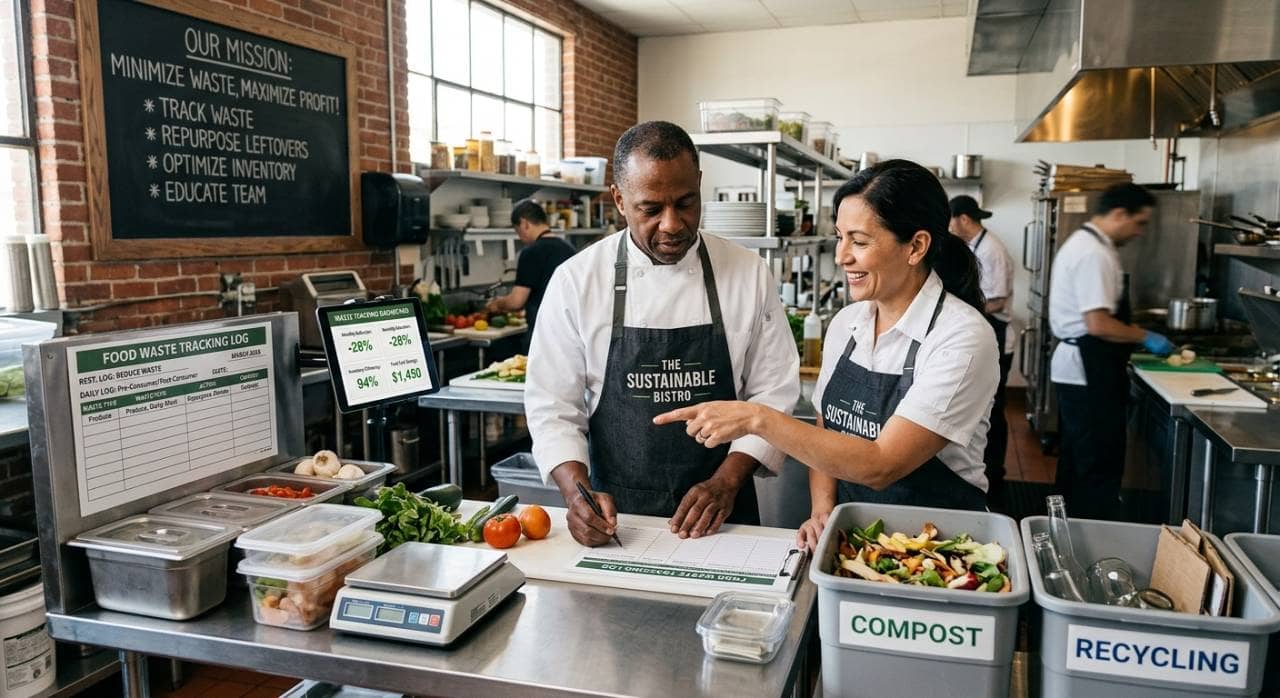
Learn how to reduce food waste in restaurants through smarter purchasing, storage, preparation, and service strategies that cut costs.
Sep 9, 2026
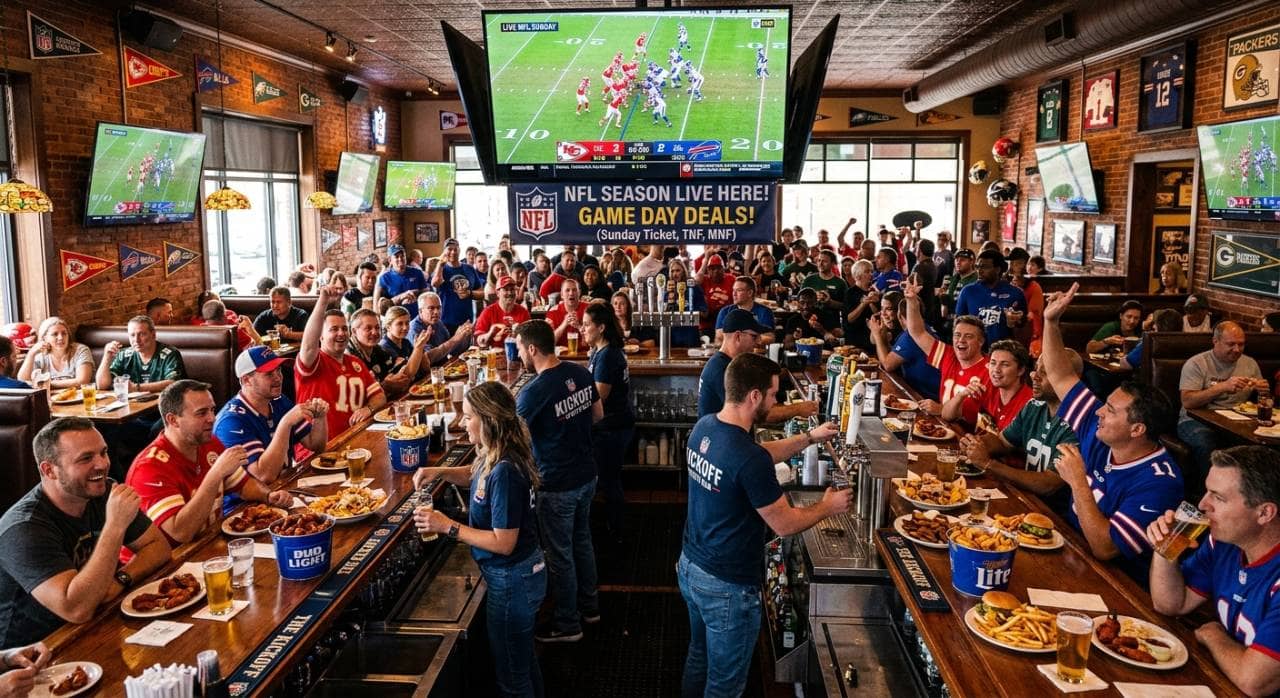
Prepare your restaurant for NFL season with smart menu planning, staffing, marketing, technology, and atmosphere strategies that boost season-long revenue.
Sep 9, 2026
Swig signs franchise agreement for 11 South Denver locations, marking Colorado entry and validating its national expansion strategy.
Sep 8, 2026
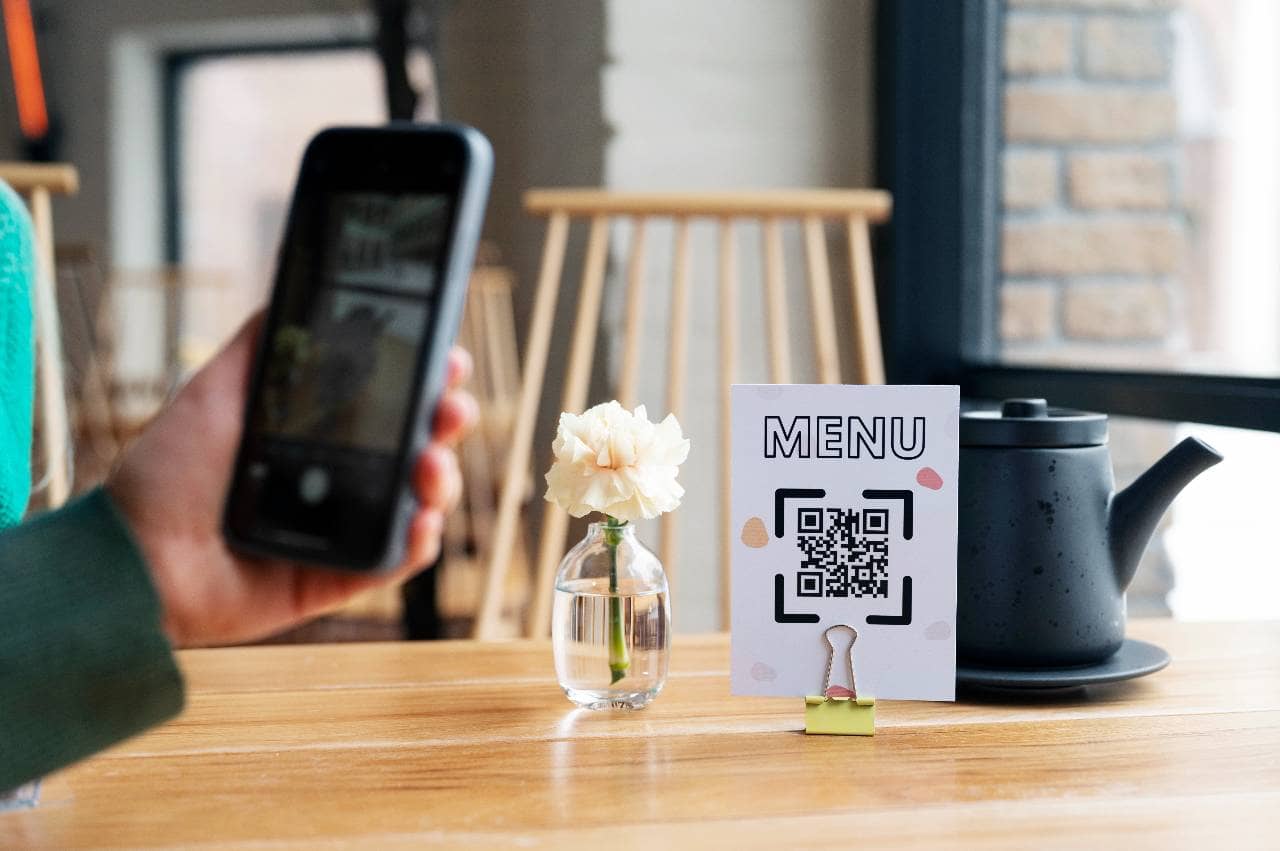
QR code menus let restaurants replace paper menus digitally, enabling instant updates, contactless browsing, ordering, and payment through simple smartphone scanning.
Sep 7, 2026
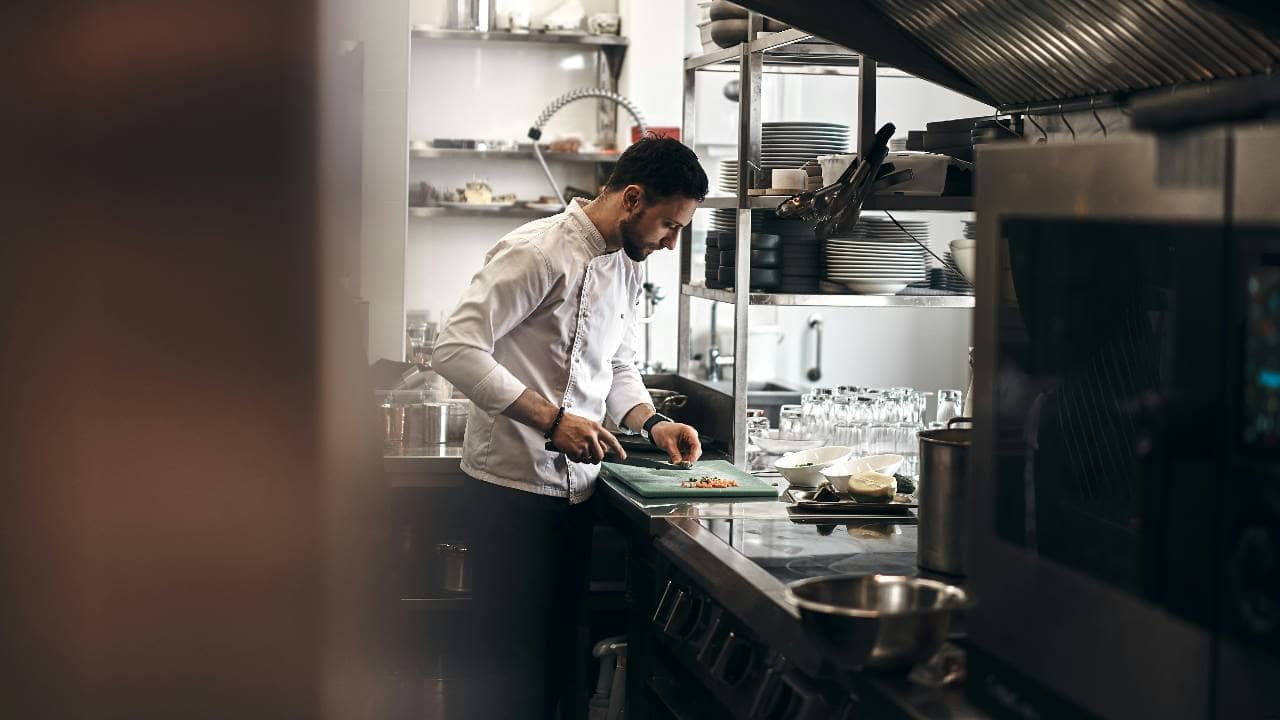
Complete guide helping restaurant owners choose essential kitchen equipment - covering cooking, refrigeration, prep, sanitation, ventilation, safety, and long-term maintenance planning.
Sep 7, 2026

Avoiding common restaurant payroll mistakes - misclassification, tip credit errors, overtime miscalculations - protects businesses from costly penalties, back pay, and compliance risks.
Sep 4, 2026
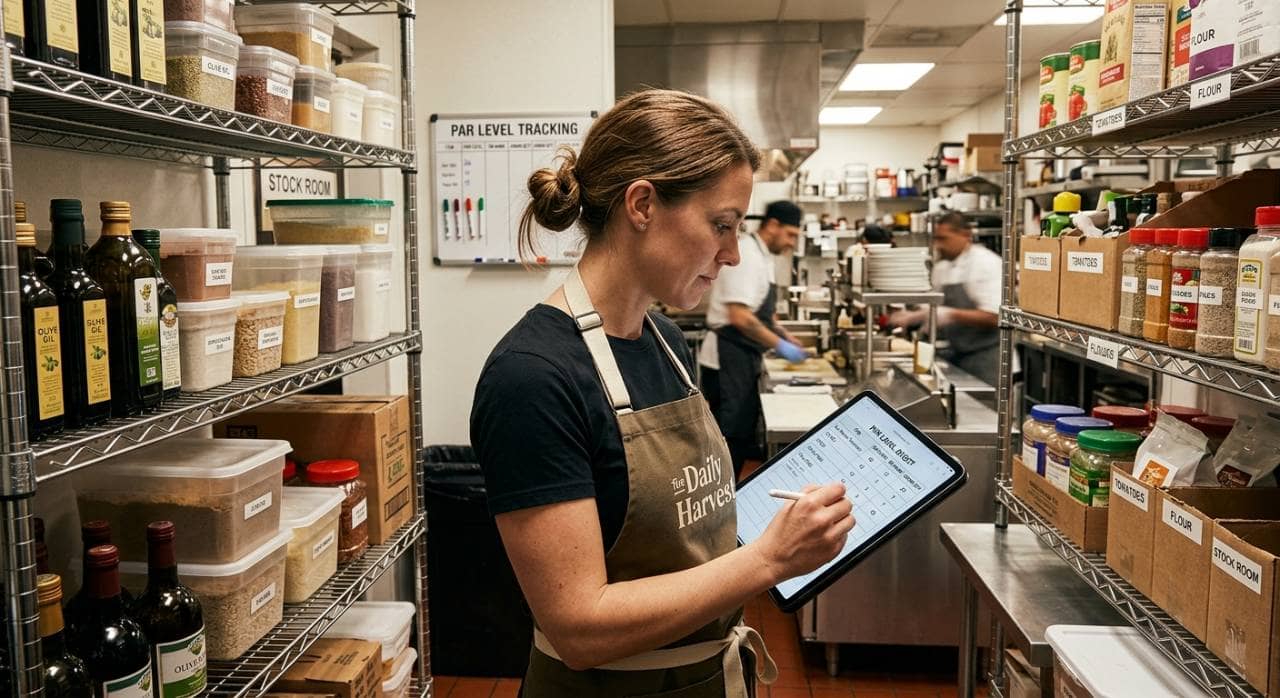
Learn to calculate par levels for restaurant food, beverages, and packaging inventory, preventing stockouts and waste through proper formulas.
Sep 4, 2026
Caribou Coffee appoints Zane Thomas-Rogers as Chief Operations Officer to strengthen execution across its expanding coffeehouse network.
Sep 4, 2026

Unlock Exclusive Access To Webinars, Events, And The Latest News For Free!
An expert tour of UNESCO heritage, French culinary pillars, and the evolving balance of tradition and sustainability shaping kitchens worldwide.

Photo by May Lawrence
France's culinary history has long stood as a compass for chefs and consumers around the world. This is a living story of patience, craft, and social ritual that still speaks through kitchens and cafés alike. UNESCO's 2010 inscription of the gastronomic meal of the French framed more than taste: ingredients, technique, and service align to create hours‑long, multi‑course experiences that are as much about conversation as plating. In today’s dining rooms, those values continue to shape service rhythm, terroir storytelling, and the everyday rituals of coffee, wine, and pastry in cafes en terrasse. The question remains: how does that heritage keep informing contemporary kitchens, and what does it mean for mindful dining today: a starting point for a closer look at practice in the here and now.
UNESCO's designation is not a museum label but a living reminder that gastronomy is a cultural practice, one that intertwines history, craft, and contemporary hospitality. The gastronomic meal concept frames meals as social moments designed to be savored, not rushed, where multi‑course sequences unfold with room for conversation and reflection. It invites today’s kitchens to honor service norms, support plating artistry, and nurture communal dining around the table. This is where heritage meets market reality, and where nourishment becomes a thoughtful, balanced act that nourishes both palate and culture.

France has long organized its kitchens around three primary classes: haute cuisine, provincial cuisine, and nouvelle cuisine. Haute cuisine rose to prominence under the lavish reigns of Louis XIV and Louis XV, symbolizing aristocratic splendor and artistic food presentation. Provincial cuisine preserves rustic, seasonal flavors rooted in identity regions such as Burgundy, Provence, and Languedoc. Nouvelle cuisine emerged in the 1960s and 1970s, championing lightness, clearer flavors, and minimalist presentation. Figures like Francois Pierre La Varenne, Marie‑Antoine Carême, Georges Auguste Escoffier, and Paul Bocuse helped crystallize these strands, and their voices, joined by Henri Gault and Christian Millau, defined an era. This trio of strands still anchors the ethos that makes French gastronomy a benchmark for chefs worldwide.
These voices and structures gave French kitchens a coherent language, one that travels. The Brigade System organized teams with clear roles; the mother sauces provided a toolkit for consistency; and Nouvelle Cuisine offered a modern cadence that emphasized restraint and clarity. Taken together, they create a living framework: an education in discipline that travels with cooks, travels with schools, and travels with menus across continents. The result is an enduring template, balanced, precise, and relentlessly curious, still shaping professional kitchens from Paris to Tokyo.

Tradition in France is not nostalgia but a living practice, an expansive, multi‑course meal designed to slow consumption and invite dialogue. The country places a premium on organic and fresh foods, often resisting convenience technologies in favor of traditional techniques that honor seasonality. The cultural reverence for bread and cheese is legendary; with roughly 36,000 bakeries nationwide and a UNESCO recognition for the baguette, the bread‑and‑dough ecosystem anchors daily life and regional identity. Wine culture remains central, supported by 11 major regions and a robust per‑capita intake. And in law, France has codified sustainability: supermarkets donate unsold food rather than discard it, reflecting a social responsibility that mirrors a broader ethos of resourcefulness.
Dining etiquette and service standards reinforce quality expectations, a discipline that travels in menus and classrooms as much as in restaurant doors. The landscape also includes a memorable regulatory note often cited in popular lore: ketchup is discouraged outside fries and burgers, a reminder that even behavior patterns can travel with a cuisine. And sustainability threads through daily life, unsold food finds new homes, a practical expression of resourcefulness that sits at the heart of modern, mindful dining. In this context, the nourishment extends beyond taste to a broader social contract around how we eat together.

The French culinary tradition has sparked a chorus of opinions from policymakers, chefs, and academics. Officials emphasize the cultural importance of preserving French culinary identity for younger generations, a sentiment echoed when school meals and nutrition are discussed. In the professional world, figures like Bocuse helped crystallize a period of change, while the enduring Brigade System and the role of mother sauces remain touchstones for kitchens around the world. The conversation is not about relics but about how living technique and public values shape the standards that define modern cooking.
Education and practice in France continue to be guided by these foundations, even as markets shift. The Brigade System and classic sauces function as a shared language that informs culinary programs and professional kitchens globally, underscoring a durable link between tradition and global practice. The overall effect is a living tradition that remains authoritative not just for its past but for its ongoing role in shaping how cooks approach technique, service, and communal dining across borders.

UNESCO’s 2010 inscription formalized the status of the French dining tradition as a living culture, yet policy actions at home have continually reshaped practice. In 2016, France became a pioneer in food waste policy by prohibiting supermarkets from discarding unsold food and steering donations to charities and food banks, a public‑interest objective with social and logistical implications for distribution. The wine sector continues to evolve amid shifting tastes and global demand, while per‑capita consumption trends fluctuate. Taken together, these shifts show how prestige can coexist with policy, guiding producers, retailers, and diners toward a more conscious marketplace.
Regional diversity remains a strength of French gastronomy. Paris anchors haute cuisine and pastry prestige, while the northern provinces lean hearty and rustic; the Champagne‑Lorraine mix regional dishes with sparkling wine tradition; Normandy is famed for seafood; Brittany emphasizes seafood and crepes; the Loire Valley celebrates goat cheeses and freshwater fish; Burgundy evokes braises like boeuf bourguignon; the Rhône Alps region highlights alpine staples such as fondue; Provence champions ratatouille and bouillabaisse; Corsica offers a French‑Italian fusion. This technique range, from flambéing to braising and the kitchen’s classic sauces, reveals a national character: orderly mise en place, respect for ingredients, and a willingness to adapt that travels worldwide.

Gaps and uncertainties accompany any living tradition, yet the broad contours remain instructive. Figures around bakeries, cheese varieties, and per‑capita wine consumption vary by source, underscoring the need to consult primary data while appreciating the range of estimates. The core message is not a single number but a practice: a culture that honors technique, community dining, and sustainability as living ideals. The enduring prestige invites ongoing dialogue about how to balance heritage with innovation, ensuring that kitchens today remain thoughtful places where craft and care meet market realities.
Implications for tomorrow’s kitchens point toward a balanced, nourishing future. The UNESCO heritage frame, the three enduring pillars, and the daily rhythms of French cooking offer a guide for global culinary education, hospitality programs, and sustainable practice. Schools and chefs will likely keep drawing on the Brigade System, the idea of mother sauces, and the philosophy of multi‑course dining as a framework for excellence, harmonizing tradition with nutrition, waste reduction, and evolving dietary preferences. The net effect is a living tradition that continues to set standards in technique, service, and communal dining around the world.
