
California Penalizes Dickey's for Franchise Disclosure Violations
California shifts to public enforcement strategy against Dickey's for deceptive franchise disclosures, signaling stricter state-level franchise oversight.
Franchising
Sep 10, 2026
California shifts to public enforcement strategy against Dickey's for deceptive franchise disclosures, signaling stricter state-level franchise oversight.
Sep 10, 2026
Paul Brown temporarily steps away from Inspire Brands as Scott Murphy assumes interim CEO role during confidential IPO filing process targeting late 2026.
Sep 10, 2026
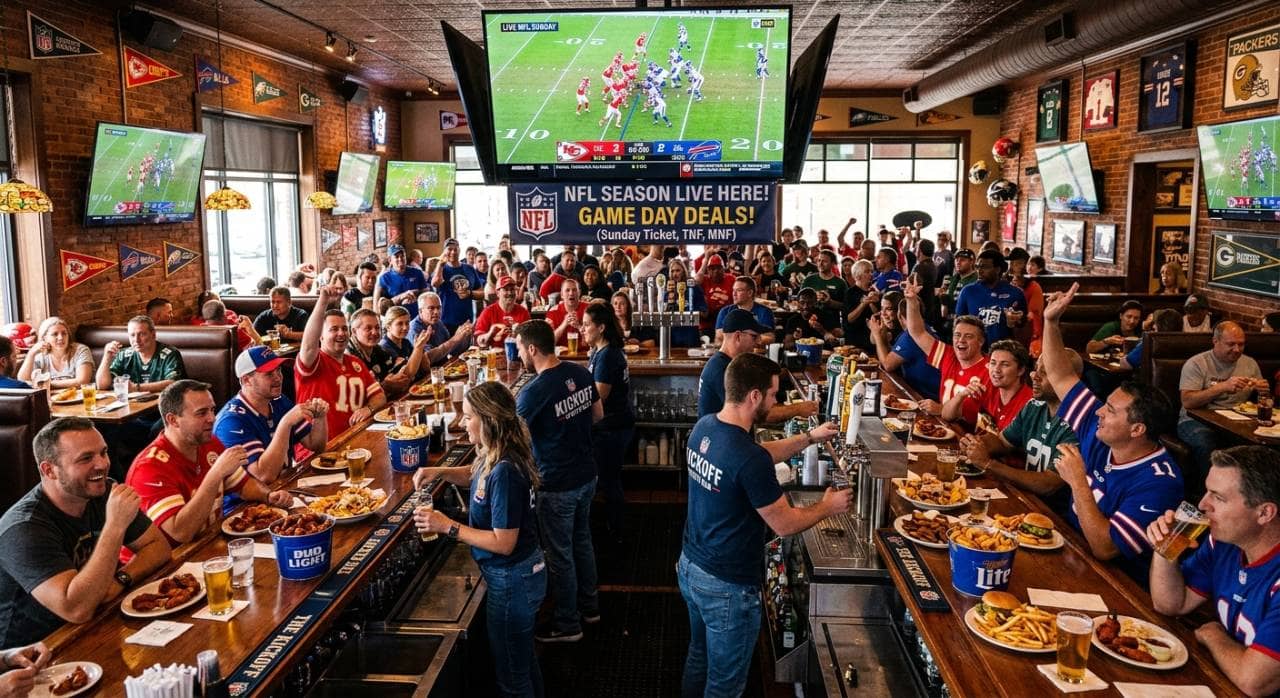
Prepare your restaurant for NFL season with smart menu planning, staffing, marketing, technology, and atmosphere strategies that boost season-long revenue.
Sep 9, 2026
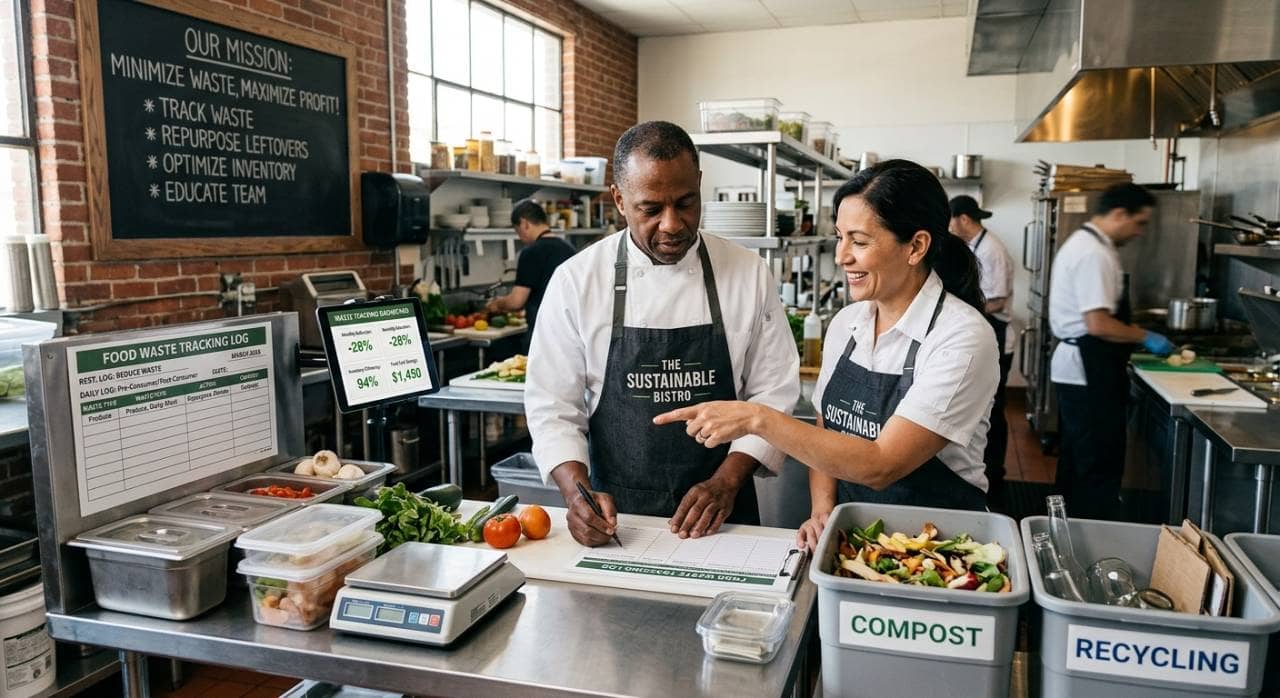
Learn how to reduce food waste in restaurants through smarter purchasing, storage, preparation, and service strategies that cut costs.
Sep 9, 2026
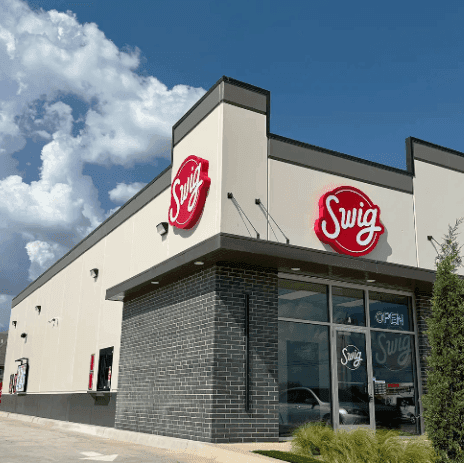
Swig signs franchise agreement for 11 South Denver locations, marking Colorado entry and validating its national expansion strategy.
Sep 8, 2026
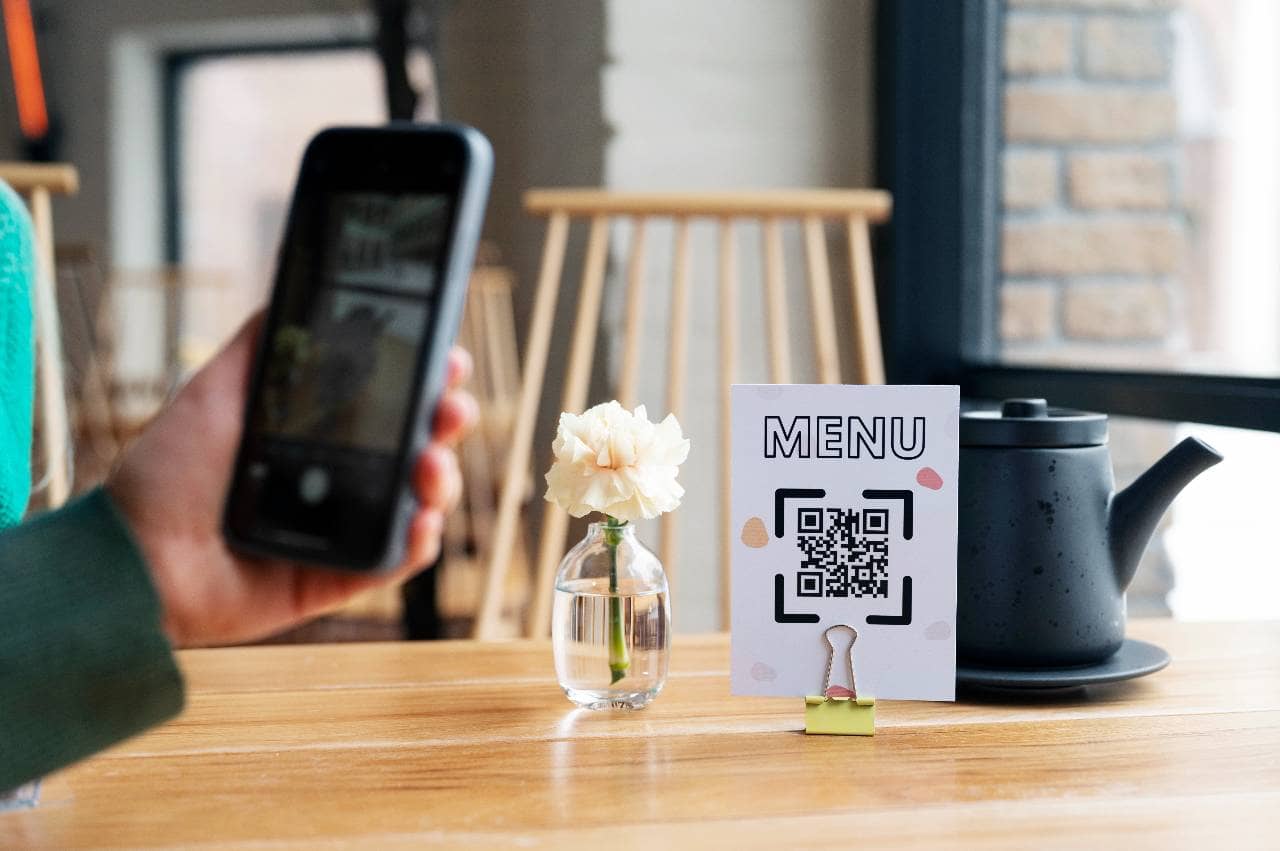
QR code menus let restaurants replace paper menus digitally, enabling instant updates, contactless browsing, ordering, and payment through simple smartphone scanning.
Sep 7, 2026

Complete guide helping restaurant owners choose essential kitchen equipment - covering cooking, refrigeration, prep, sanitation, ventilation, safety, and long-term maintenance planning.
Sep 7, 2026

Avoiding common restaurant payroll mistakes - misclassification, tip credit errors, overtime miscalculations - protects businesses from costly penalties, back pay, and compliance risks.
Sep 4, 2026
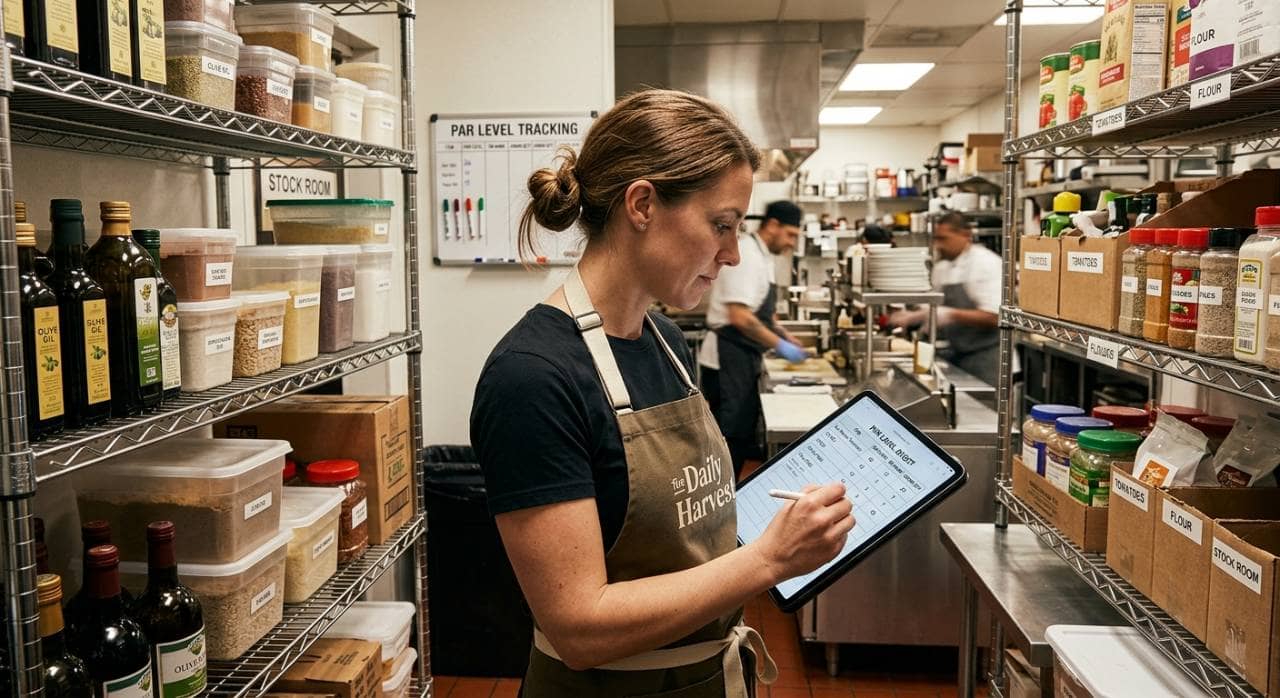
Learn to calculate par levels for restaurant food, beverages, and packaging inventory, preventing stockouts and waste through proper formulas.
Sep 4, 2026
Caribou Coffee appoints Zane Thomas-Rogers as Chief Operations Officer to strengthen execution across its expanding coffeehouse network.
Sep 4, 2026

Unlock Exclusive Access To Webinars, Events, And The Latest News For Free!
Freddy’s Frozen Custard & Steakburgers expands coast-to-coast with four franchise deals totaling 21 locations, including Seattle’s first Washington entry.

Photo by Alexander Grey
From the vantage of a dining room that has always balanced indulgence with restraint, Freddy’s Frozen Custard & Steakburgers expansion reads as a carefully staged concert. The coast-to-coast push that will add 21 locations to its national chorus is not a reckless sprint but a measured chord progression: a deliberate pairing of seasoned operators with ambitious newcomers, and Seattle’s entry that marks the brand’s first foothold in Washington state. The plan unfolds with the same precision by which a chef calibrates heat and timing: less about spectacle, more about sustain. In this moment, Freddy’s invites us to watch how hospitality and ambition harmonize:
The four agreements sketch a pragmatic architecture for growth, pairing veteran know-how with fresh appetite. MLY Investments, led by Mike and Steven Young, will add three Freddy’s, two in Rock Island and Knox County, Illinois and a third in Des Moines, Iowa. Peter Labib secures a four-unit license in Monmouth County, New Jersey. Frank Fayyaz backs a four-unit cluster around Austin, Texas via ARF Restaurants, LLC. And the Puget Sound Bites, Inc. deal brings a ten-unit footprint to life. The package, clocked at 21 new Freddy’s locations, reinforces a multi-market strategy that favors seasoned operators paired with newcomers. Together, they map a presence that is both diffuse and dense, inviting closer examination:
The four agreements sketch a pragmatic architecture for growth, pairing veteran know-how with fresh appetite. MLY Investments, led by Mike and Steven Young, will add three Freddy’s, two in Rock Island and Knox County, Illinois and a third in Des Moines, Iowa. Peter Labib secures a four-unit license in Monmouth County, New Jersey. Frank Fayyaz backs a four-unit cluster around Austin, Texas via ARF Restaurants, LLC. And the Puget Sound Bites, Inc. deal brings a ten-unit footprint to life. The ensemble totals 21 locations, a milestone the brand frames as evidence of robust demand and a disciplined rollout. These are not isolated bets but elements of a cohesive national cadence.
In this quartet, the Youngs bring a Midwest and Plains footprint, Labib anchors the Northeast, Fayyaz adds a Texas corridor, and Seattle’s Puget Sound Bites seeds the Pacific Northwest. The net effect is a coherent rhythm: regional density with an eye toward national coverage, a strategy the brand has signaled through its leadership as a deliberate, not impulsive, march.
Imrit Chattrath, of Puget Sound Bites, Inc., frames the alliance as a shared belief in the menu and the brand: “Our new journey with Freddy’s has been driven by a deep belief in the brand’s values and premium quality menu items. Their commitment to excellence solidified our decision to invest with them. We’re eager to deliver that exceptional Freddy’s dining experience to all the guests in our new markets.” The cadence of his pledge is matched by a pragmatic note from Andrew Thengvall, the brand’s Chief Development Officer, who observes that “there’s no greater testament to the value of Freddy’s franchise opportunity and the unique dining experience we bring guests across the country than the continued investment that our existing franchisees make in the brand. We are enthusiastic about our future expansion and the chance to introduce Freddy’s to more communities with the help of both new and seasoned franchisees.” The message is clear: partnership, not mere parcels of territory.
There’s no greater testament to the value of Freddy’s franchise opportunity and the unique dining experience we bring guests across the country than the continued investment that our existing franchisees make in the brand. We are enthusiastic about our future expansion and the chance to introduce Freddy’s to more communities with the help of both new and seasoned franchisees., Andrew Thengvall
Freddy’s is operating more than 530 restaurants in 36 states, with an active pipeline of 130-plus locations in development for 2024 and 2025. In late 2025 Freddy’s reported reaching more than 580 locations, signaling momentum as the pipeline remains robust for 2026 and beyond. The expansion push rests on steady unit growth and franchise investments that reflect Freddy’s broader strategic aims. According to PR Newswire, Freddy’s ended 2025 with over 580 locations.
Washington entry marks Freddy’s first presence in the state, with a 2025-Opening timeline noted by local coverage. The Seattle-based deal illustrates a strategy to seed new markets through strong local partners while leveraging a nationwide development program. Beyond the U.S., Freddy’s has signaled international expansion ambitions in 2026, including master franchise activity in Canada with plans for Toronto, Ottawa, Vancouver and Victoria.

Risks, uncertainties, and the path forward: The deals highlight strong franchisee demand, but openings in new markets can be delayed by site selection, permitting, and supply-chain constraints. The four deals illustrate Freddy’s multi-market approach, but the actual rollout will depend on market conditions, construction timelines, and franchisee performance. Still, the company’s ongoing expansion pipeline suggests continued momentum into 2026.
Momentum and craft endure because leadership cultivates a quiet confidence born of discipline and taste. The model seeks sustainable density rather than speed, anchored by strong local partners and a national framework that preserves the Freddy’s dining experience. If the cadence holds, the brand will extend its hospitality ethos to new communities with the same care that defines a plated tasting menu, where breadth reveals depth, and growth remains a craft.
