
California Penalizes Dickey's for Franchise Disclosure Violations
California shifts to public enforcement strategy against Dickey's for deceptive franchise disclosures, signaling stricter state-level franchise oversight.
Franchising
Sep 10, 2026
California shifts to public enforcement strategy against Dickey's for deceptive franchise disclosures, signaling stricter state-level franchise oversight.
Sep 10, 2026
Paul Brown temporarily steps away from Inspire Brands as Scott Murphy assumes interim CEO role during confidential IPO filing process targeting late 2026.
Sep 10, 2026
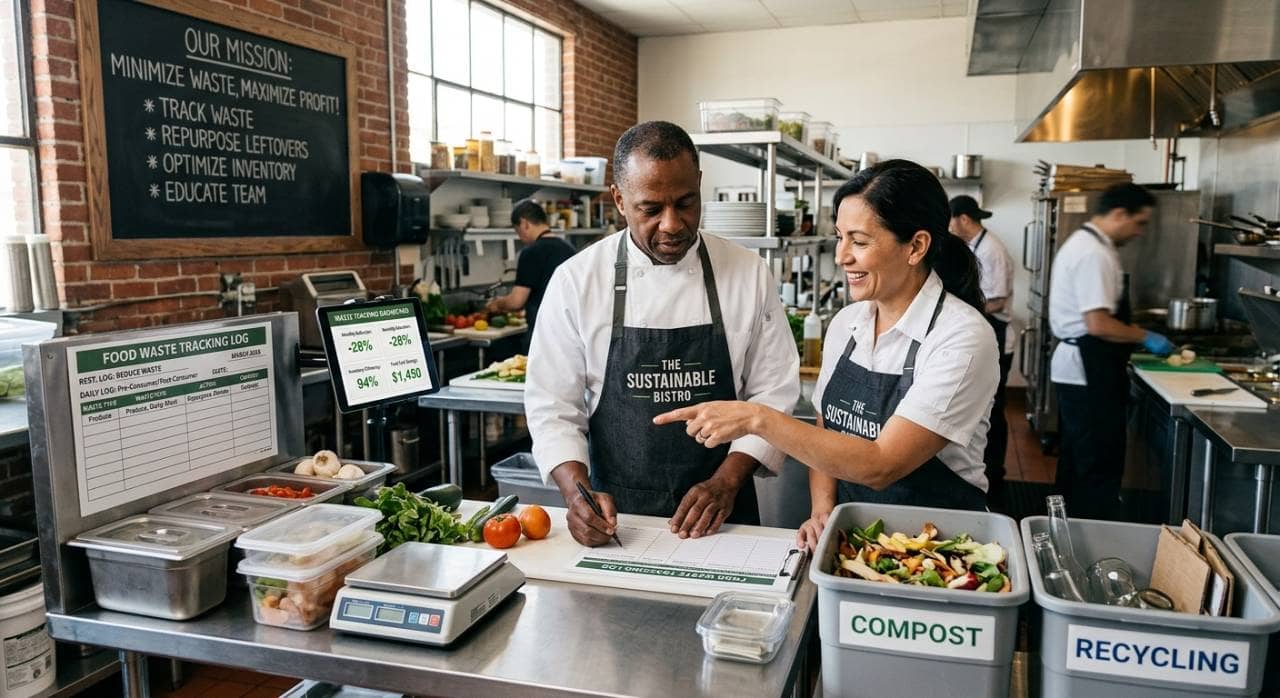
Learn how to reduce food waste in restaurants through smarter purchasing, storage, preparation, and service strategies that cut costs.
Sep 9, 2026
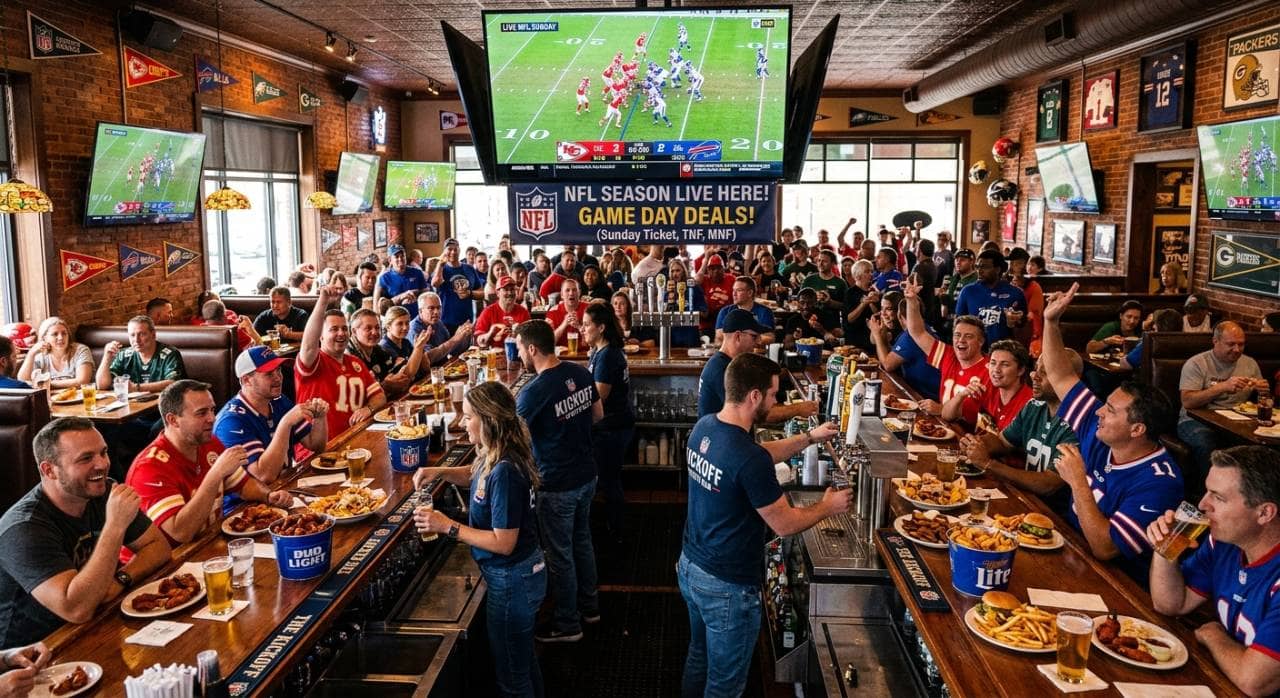
Prepare your restaurant for NFL season with smart menu planning, staffing, marketing, technology, and atmosphere strategies that boost season-long revenue.
Sep 9, 2026
Swig signs franchise agreement for 11 South Denver locations, marking Colorado entry and validating its national expansion strategy.
Sep 8, 2026

Complete guide helping restaurant owners choose essential kitchen equipment - covering cooking, refrigeration, prep, sanitation, ventilation, safety, and long-term maintenance planning.
Sep 7, 2026

QR code menus let restaurants replace paper menus digitally, enabling instant updates, contactless browsing, ordering, and payment through simple smartphone scanning.
Sep 7, 2026

Avoiding common restaurant payroll mistakes - misclassification, tip credit errors, overtime miscalculations - protects businesses from costly penalties, back pay, and compliance risks.
Sep 4, 2026
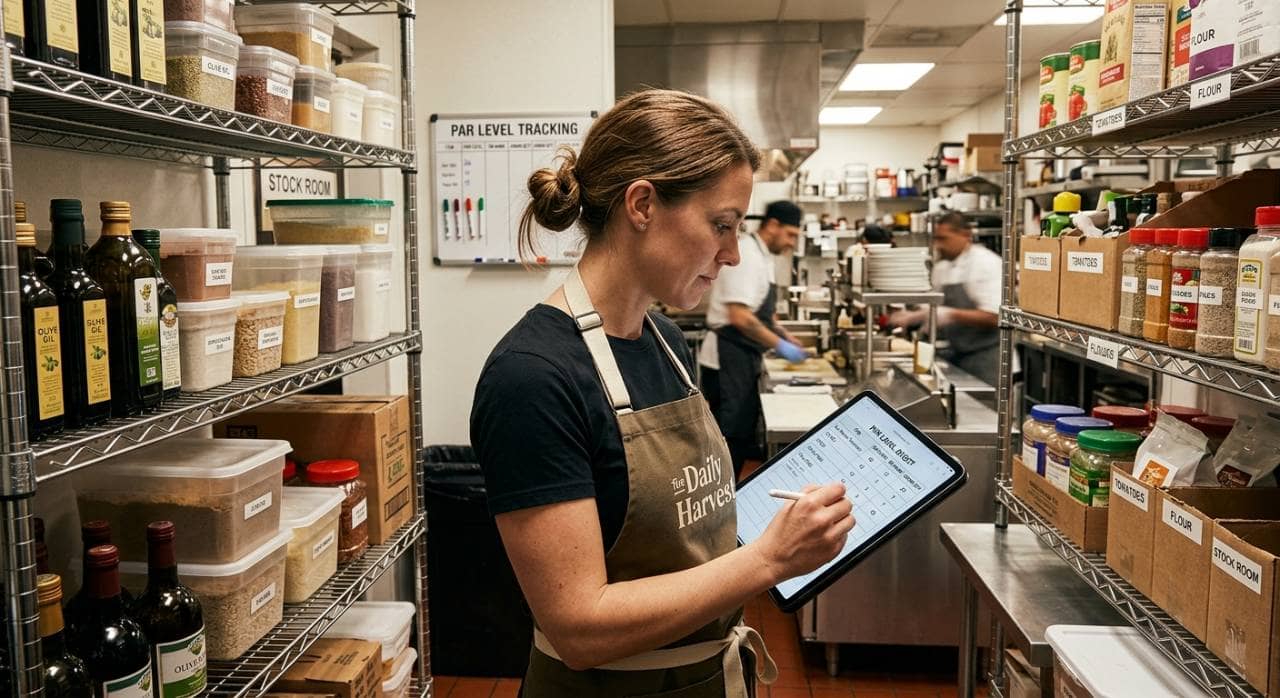
Learn to calculate par levels for restaurant food, beverages, and packaging inventory, preventing stockouts and waste through proper formulas.
Sep 4, 2026
Caribou Coffee appoints Zane Thomas-Rogers as Chief Operations Officer to strengthen execution across its expanding coffeehouse network.
Sep 4, 2026

Unlock Exclusive Access To Webinars, Events, And The Latest News For Free!
Hot mustard moves from niche to cross-category driver, reshaping menus and retail with bold heat.

Photo by Jonathan Borba
As a chef who has chased heat on steam tables and stovetops, I’ve watched flavors travel from back rooms to the bright lights of mainstream menus. Hot mustard used to live on the periphery of Chinese dining; now it sits at the table with a mainstream swagger. Data from Datassential, cited by Nation’s Restaurant News, show 85% of consumers know it and 58% have tried it, a clear sign of broad familiarity. The real punch lies in how often it’s showing up, 1.4% of U.S. menus, a 44% rise over four years, driven by regional and casual spots that crave a sharper edge. The trend isn’t an accident; it’s a deliberate push toward bolder flavor.
Datassential data show a broad spectrum of applications, from dipping sauces to sandwich dressings and glazes, across different kitchen formats. That flexibility is the core of its appeal. And this isn’t confined to restaurants: McDonald’s has incorporated hot mustard as a dipping option, while Doritos has experimented with hot mustard-inspired snacks; the cross‑category activity signals hot mustard as a flavor bridge. Operators can tailor its heat and usage to fit a brand voice, sharp on proteins, a zing for fried items, or a topping that wakes up a sandwich. For product developers, this versatility becomes a growth engine that stretches from menus to retail shelves.
Hot mustard sits at the crossroads of tradition and experimentation. It has long existed in Europe and the U.S. in various forms, but today’s momentum comes from a broader appetite for heat and novelty in everyday eating. As Nation’s Restaurant News notes, hot mustard has appeared as a McDonald’s sauce, as a Doritos flavor, and as a condiment growing fast on retail shelves, underscoring how quickly the flavor can migrate from restaurant tables to the retail aisle. This cross-pollination, menus, snacks, and grocery shelves, helps explain why operators are gravitating toward bold mustard profiles to differentiate offerings. The pace signals a durable trend, not a passing craze.
Cross-category activity is the name of the game. The same data set that tracks menus also points to packaged goods and snacks exploring hot mustard. Cross-category growth is the core: hot mustard is no longer a restaurant-only flavor. Operators from casual-dining spots to regional chains are testing mustard-forward profiles in sauces, glazes, and signature sandwiches. For brands, the path from dine‑in to grocery shelves is practical, but heat must be balanced to avoid overwhelming guests. Done right, it fuels trial and repeat purchases.
Heat levels vary widely across hot mustard types and preparations, a key driver of consumer excitement. The NRN data cited show a broad spectrum of applications, from dipping sauces to sandwich dressings and glazes, across kitchen formats. The cross-category appeal is evident: McDonald’s has made hot mustard a dipping option, while Doritos tests with hot mustard-inspired snacks; this variability invites operators to tailor the profile to their brand voice, perhaps a sharp accent on proteins, a zing for fried items, or a condiment-driven topping for sandwiches. It’s not just novelty; it’s a framework for differentiation.
Set the heat to match the audience and the menu context. A casual-dining concept might lean into a bold glaze; a quick-service spot may use it as a dip or a sandwich spread. The opportunity lies in consistent execution: balance intensity with familiarity, and align heat with the core product. The cross‑category potential means hazards too, overplaying heat can turn guests away if the palate is overwhelmed. But when done right, hot mustard becomes a signature touch that sparks trial and repeat visits. Operators should prototype small tests, then scale across proteins, fried items, and sandwiches to measure guest response.

Media and marketing signals show hot mustard’s ascent. A Nation’s Restaurant News slideshow frames it as a McDonald’s sauce, a Doritos flavor, and a shelf‑moving presence, mainstream endorsement across quick-service and snack brands. The Washington Post’s 2022 Doritos chips review called out a heat profile rooted in hot Chinese mustard, illustrating cross‑pull between snacks and authentic heat. The 2024 Dinamita lineup extended with Hot Honey Mustard, paired with a Super Bowl LVIII spot featuring Dina & Mita. These moves signal a concerted push from brands to tell a heat-forward story beyond pantry shelves.
Jenna Ortega is quoted in Doritos materials about Dina and Mita; flavor-forward storytelling elevates a mustard-inspired heat narrative. These campaigns show the flavor’s mainstream adoption, from packaging to high-profile advertising. For operators, it’s a cue to align menu stories with consumer-facing messaging about heat, authenticity, and excitement. The takeaway: hot mustard’s momentum isn’t a niche; it’s landing in media, product development, and guest engagement.

Despite momentum, menu penetration sits at about 1.4%, meaning hot mustard remains a minority flavor on U.S. menus, even as growth accelerates in certain segments. Familiarity and trial vary by region and dining format, so operators must tailor rollouts to local tastes and supply lines. Past limited-run Doritos flavors, ketchup and spicy mustard, illustrate demand that outpaces long-term availability, a pattern retailers should anticipate. Questions remain about temperature control, shelf stability, and home heat perception vs. restaurant heat; diligent guest feedback and sales data will guide cut-through.
Taken together, hot mustard signals a longer-term cognitive shift: bold heat as a differentiator, a cross‑category engine, and a retail hook. Operators should experiment with mustard-forward profiles across proteins, sandwiches, and finger foods. Brands and suppliers should develop versatile formats, sauces, glazes, ready-to-eat snacks, that scale from dine-in to takeout and grocery aisles. The trend is sustainable, not a flash in the pan.
So what: hot mustard isn’t a gimmick. It’s a signal that guests want attention on the plate, and operators can deliver with restraint and purpose. The kitchen’s fire is now a strategic asset, when wielded with clarity.
