
California Penalizes Dickey's for Franchise Disclosure Violations
California shifts to public enforcement strategy against Dickey's for deceptive franchise disclosures, signaling stricter state-level franchise oversight.
Franchising
Sep 10, 2026
California shifts to public enforcement strategy against Dickey's for deceptive franchise disclosures, signaling stricter state-level franchise oversight.
Sep 10, 2026
Paul Brown temporarily steps away from Inspire Brands as Scott Murphy assumes interim CEO role during confidential IPO filing process targeting late 2026.
Sep 10, 2026
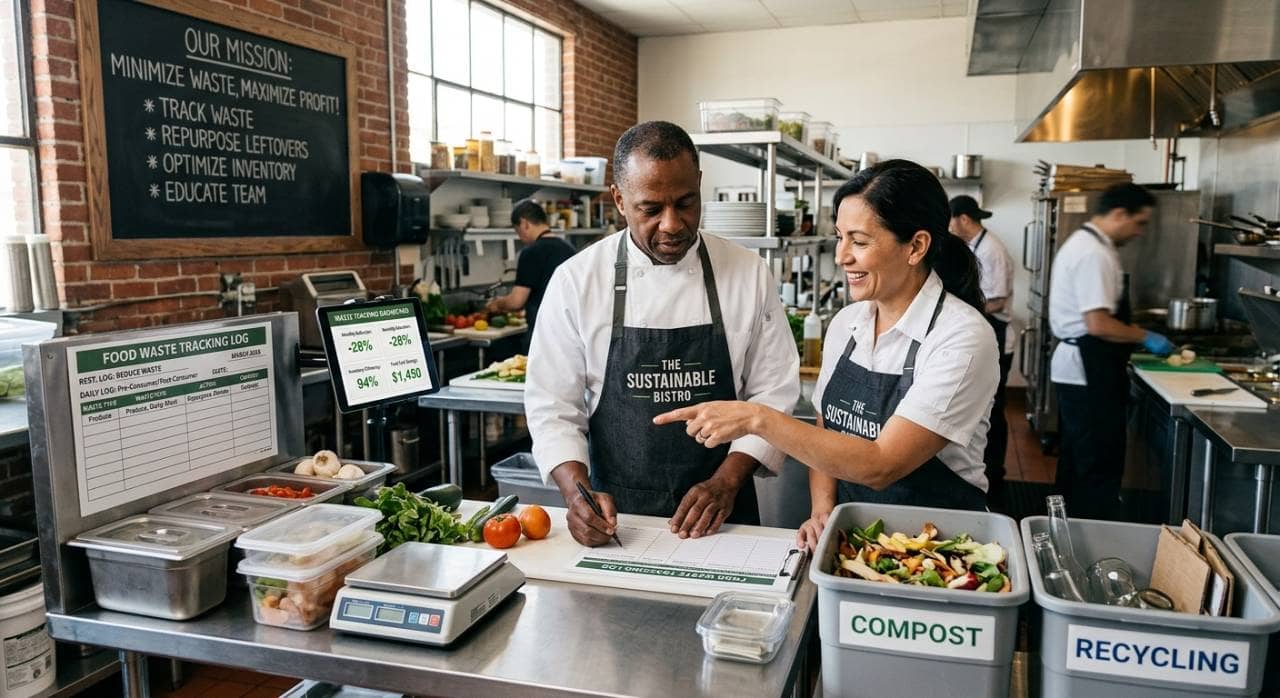
Learn how to reduce food waste in restaurants through smarter purchasing, storage, preparation, and service strategies that cut costs.
Sep 9, 2026
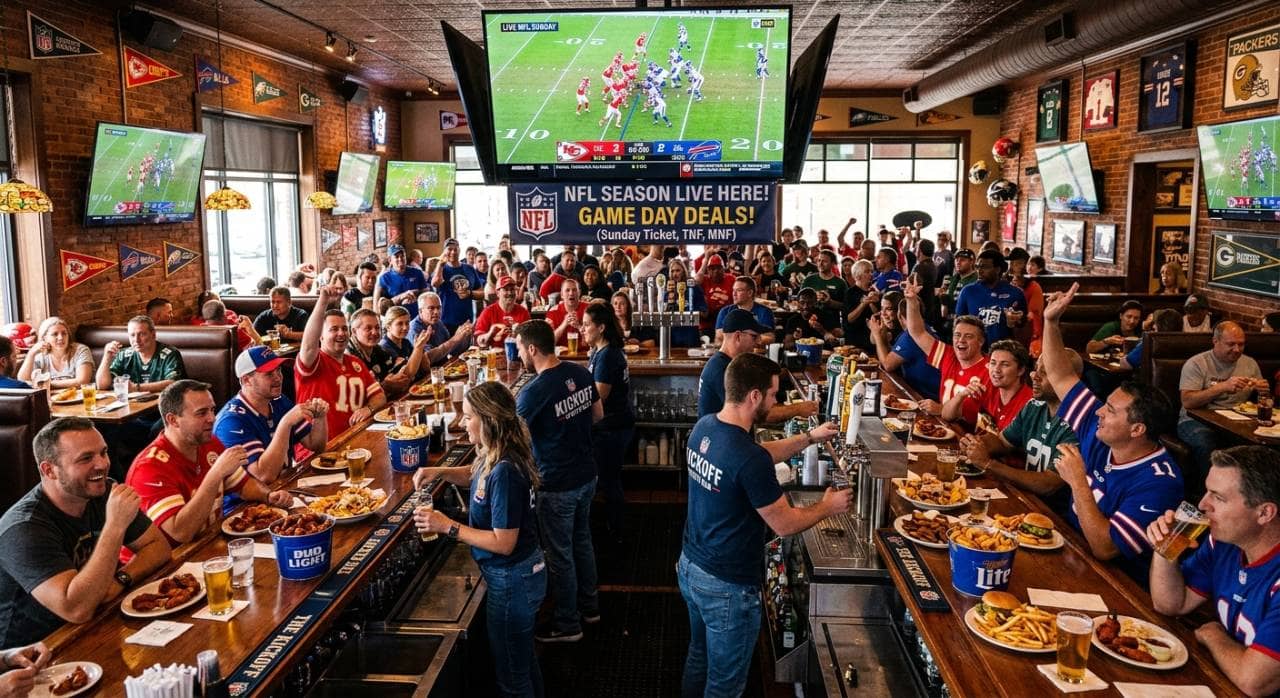
Prepare your restaurant for NFL season with smart menu planning, staffing, marketing, technology, and atmosphere strategies that boost season-long revenue.
Sep 9, 2026
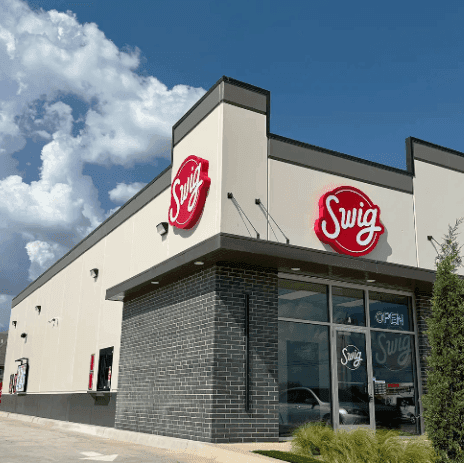
Swig signs franchise agreement for 11 South Denver locations, marking Colorado entry and validating its national expansion strategy.
Sep 8, 2026
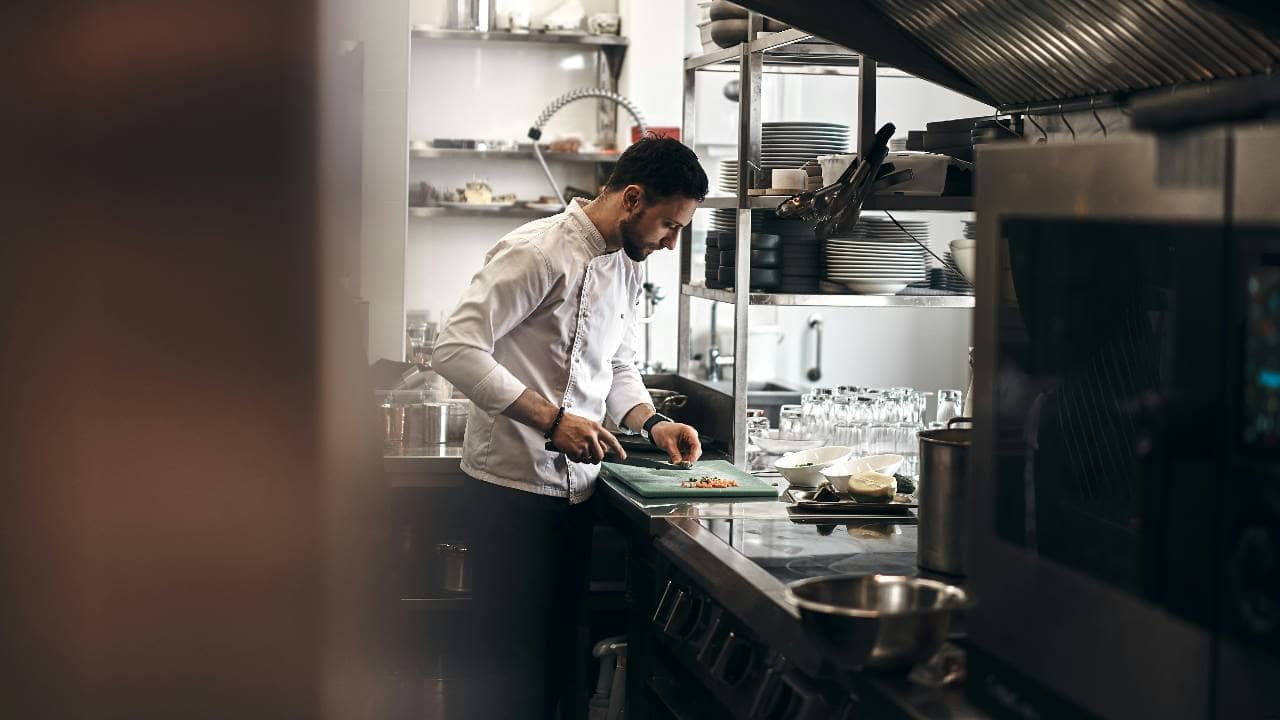
Complete guide helping restaurant owners choose essential kitchen equipment - covering cooking, refrigeration, prep, sanitation, ventilation, safety, and long-term maintenance planning.
Sep 7, 2026
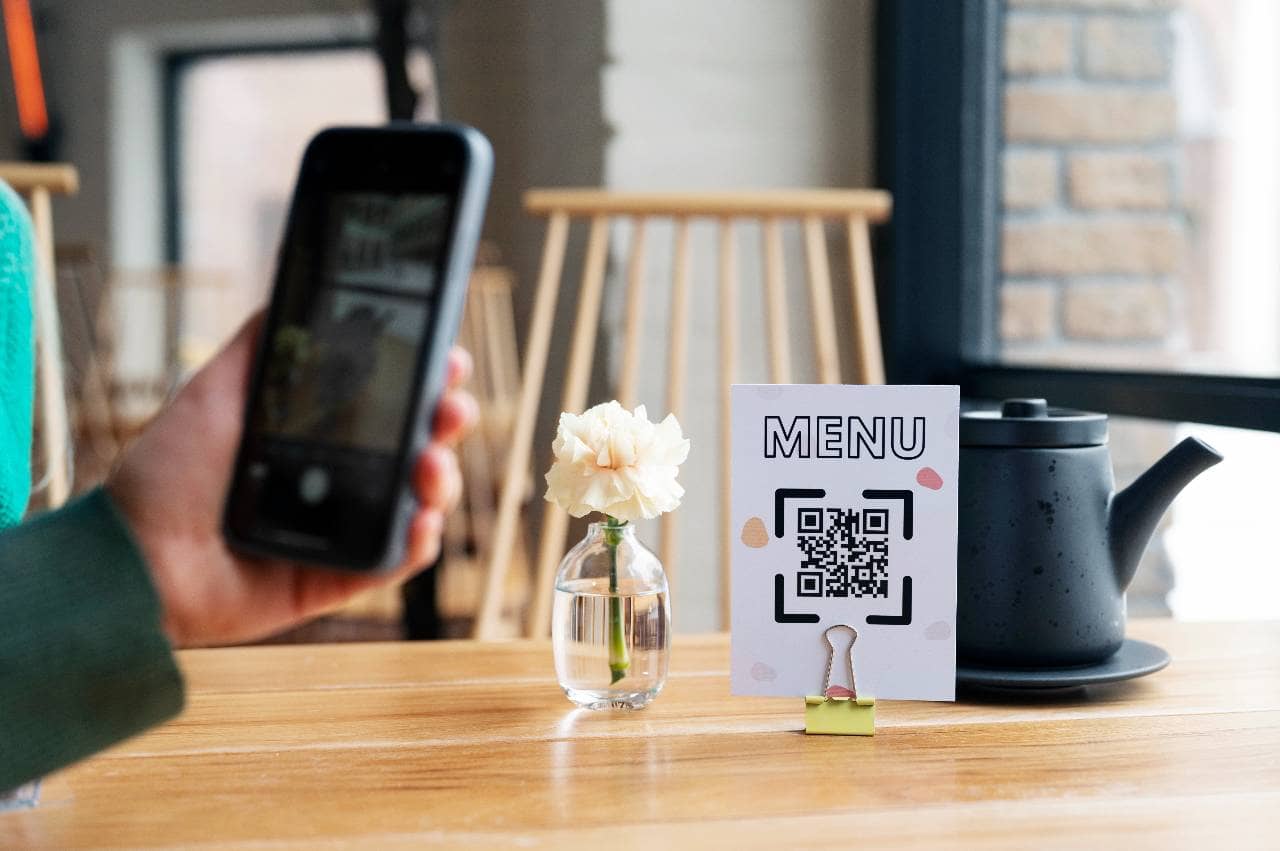
QR code menus let restaurants replace paper menus digitally, enabling instant updates, contactless browsing, ordering, and payment through simple smartphone scanning.
Sep 7, 2026

Avoiding common restaurant payroll mistakes - misclassification, tip credit errors, overtime miscalculations - protects businesses from costly penalties, back pay, and compliance risks.
Sep 4, 2026
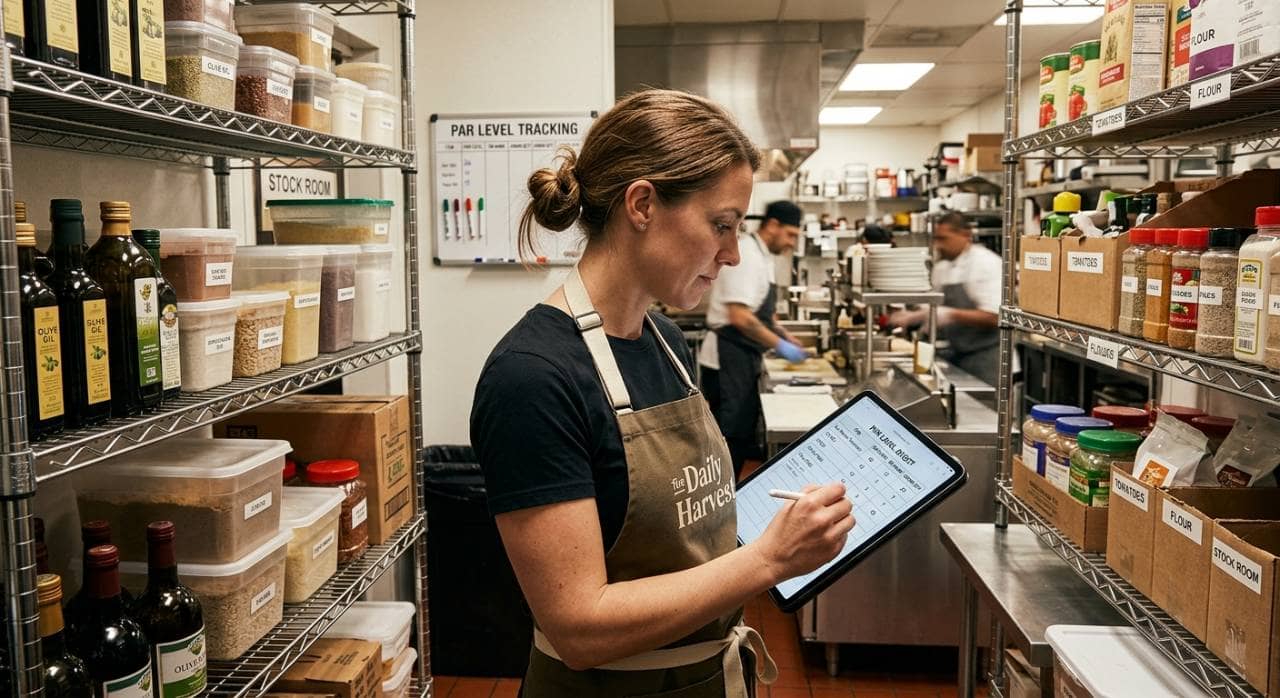
Learn to calculate par levels for restaurant food, beverages, and packaging inventory, preventing stockouts and waste through proper formulas.
Sep 4, 2026
Caribou Coffee appoints Zane Thomas-Rogers as Chief Operations Officer to strengthen execution across its expanding coffeehouse network.
Sep 4, 2026

Unlock Exclusive Access To Webinars, Events, And The Latest News For Free!
Veteran leadership and a franchise-focused playbook propel Huey Magoo’s from Florida roots to a broader national stage, led by Andy Howard and a premium tenders promise.

Photo by Tyson
On a quiet Florida street, Huey Magoo’s seems at first blush like a comforting rumor, a fast-casual chicken concept that knows how to keep a menu from scuffling into confusion. In the driver’s seat sits Andy Howard, a veteran operator with more than 35 years in the business. His journey runs from Kenny Rogers Roasters to Ranch One, then to a defining stint at Wingstop, where scale met standardization. Huey Magoo’s bills itself as the filet mignon of chicken, a promise of tenders crafted from scratch and coaxed along with a secret Magoo’s sauce. It’s a quiet invitation to linger, to trade notes with a sandwich or a salad. What does that promise look like as growth is planned?
Howard’s arc is a throughline of scalable growth. His path began at Kenny Rogers Roasters, then moved through Ranch One and into a defining chapter at Wingstop, where the brand expanded from roughly 60 stores to about 600 stores across 35 states. In 2016, he joined Huey Magoo’s as former Wingstop executives acquired the brand, installing a disciplined operating framework and a franchise-led growth mindset. Public notes from Nation’s Restaurant News underscore the momentum: a model that balances rapid expansion with consistent quality, supported by a scalable store platform and a broader plan to empower franchisees.
That blend, deep experience paired with an appetite for expansion, signals a hospitality-driven approach that treats growth like a well-lit, welcoming room rather than a crowded hallway. The challenge, of course, is keeping Huey Magoo’s warmth intact as the footprint widens, ensuring every tender arrives with the same careful crunch and the same glossy Magoo’s smile. If the plan holds, the brand could become a familiar presence across more states, without losing the quiet confidence that made it feel like a neighborhood favorite from day one.
From the earliest kitchens to a boardroom of growth, Andy Howard maps a career that’s as much about people as product. The arc runs from Kenny Rogers Roasters to the fast-growth corridors of Wingstop, then to Huey Magoo’s, where leadership shifted in 2016 when former Wingstop executives acquired the brand. The aim has always been clear: franchise-led expansion anchored by an operating framework that keeps the experience uniform, whether a city block or an airport corridor. The narrative here isn’t merely about stores; it’s about delivering a shared table where guests expect the same warmth, the same crisp bite, and the same friendly service.
En route, Huey Magoo’s has leaned into a practical path: 43 stores open in eight states, with rights sold for another 200 units. These numbers aren’t trophies, they’re a pace, an indicator of a model designed for replication. The forward view emphasizes four or five prototype formats to fit different real estate and traffic patterns, coupled with drive-thru and non-traditional locations. A technology upgrade in points of sale ties the meals and the data together, while a broader franchise strategy is built to sustain that growth with a steady, predictable cadence.
That framework matters because it reframes how guests experience Huey Magoo’s. It’s not just about more locations; it’s about protecting the quiet, confident hospitality that makes a tender feel special. As the brand grows beyond Florida, the recipe for success remains the same: well-sourced care, consistent preparation, and a steady hand at the tiller.
Inside the kitchen, the promise is perceptible: chicken done with intention. Huey Magoo’s describes its tenders as the filet mignon of chicken, battered and breaded from scratch and served with a secret Magoo’s sauce. The menu expands beyond tenders to include sandwiches, wraps, salads, fries, and coleslaw, all curated through multiple prototype formats to fit different sites and demand levels. The strategy embraces both traditional storefronts and newer channels, drive-thru and non-traditional locations, while pushing a POS upgrade and a robust franchise model to support rapid, measured expansion.
Prototypes aren’t random experiments but a deliberate toolkit. Four or five layouts are tested to see which fits best in a given footprint, traffic pattern, or time of day. The operating plan also weighs channel diversity, where a drive-thru can unlock a high-volume lane, and where a non-traditional location can become a welcoming drop-in. The discreet power behind the taste, of course, is the combination of homegrown prep and a scalable logistics system that keeps quality steady as the brand grows.
All of this is really about one simple thing: ease. Guests arrive for a familiar bite, stay for a gentle, unhurried mood, and leave with a memory of a warm greeting at a counter that feels like a favorite neighborhood corner.

Momentum is not a rumor; it’s a mood Huey Magoo’s has cultivated under the leadership of Andy Howard. In media conversations about the growth trajectory, he has offered a calm, confident line: “I’ve definitely saved the best for last.” The sentiment underscores a belief that the long arc, franchise readiness, a scalable store platform, and sustained product quality, can carry the brand beyond a handful of markets. The tone is patient, but the intent is clear: growth must be grounded in consistency and hospitality.
Acquisition and growth timeline anchor the narrative: in 2016, Huey Magoo’s was acquired by Andy Howard and fellow ex‑Wingstop leaders, moving from a Florida-based, regional concept toward national reach. By February 2023, the chain counted 43 stores open in eight states and rights sold for 200 units, with plans to open more than 20 new restaurants and to operate in 12 states by year’s end. This is a deliberate pivot, a story of intentional scale.
That trajectory sits inside a larger industry backdrop that helps explain the timing: a market hungry for differentiated chicken concepts paired with premium tenders and a hospitality‑style experience. The question now is not only can Huey Magoo’s execute at scale, but can it sustain, for guests and franchisees, the easy, welcome mood that inspired the journey.
Industry context becomes the lens through which Huey Magoo’s momentum makes sense. Technomic’s Top 500 report for 2023 shows chain sales up 7.8%, driven by openings and price increases, with chicken concepts maintaining a double-digit trajectory for a fifth straight year. The domestic footprint of Top 500 chains rose about 1.8% in 2023, the fastest pace since 2016, and the chicken category posted notable gains within that expansion. The alignment of premium tenders with this market rhythm helps explain Huey Magoo’s positioning.
Yet no future narrative is free from uncertainty. The latest public data show 43 stores in eight states with growth rights for hundreds more, and earlier projections hinting at a broader footprint, some discussions had cited a 66-location figure. In a landscape of ongoing experimentation, from a breakfast program tested in airports to other channel trials, the real test will be whether Huey Magoo’s can maintain product quality and a seamless franchise system amid rapid expansion.
So the road ahead will reveal whether momentum becomes durable momentum, one tender, one store, one loyal guest at a time.
