
California Penalizes Dickey's for Franchise Disclosure Violations
California shifts to public enforcement strategy against Dickey's for deceptive franchise disclosures, signaling stricter state-level franchise oversight.
Franchising
Sep 10, 2026
California shifts to public enforcement strategy against Dickey's for deceptive franchise disclosures, signaling stricter state-level franchise oversight.
Sep 10, 2026
Paul Brown temporarily steps away from Inspire Brands as Scott Murphy assumes interim CEO role during confidential IPO filing process targeting late 2026.
Sep 10, 2026
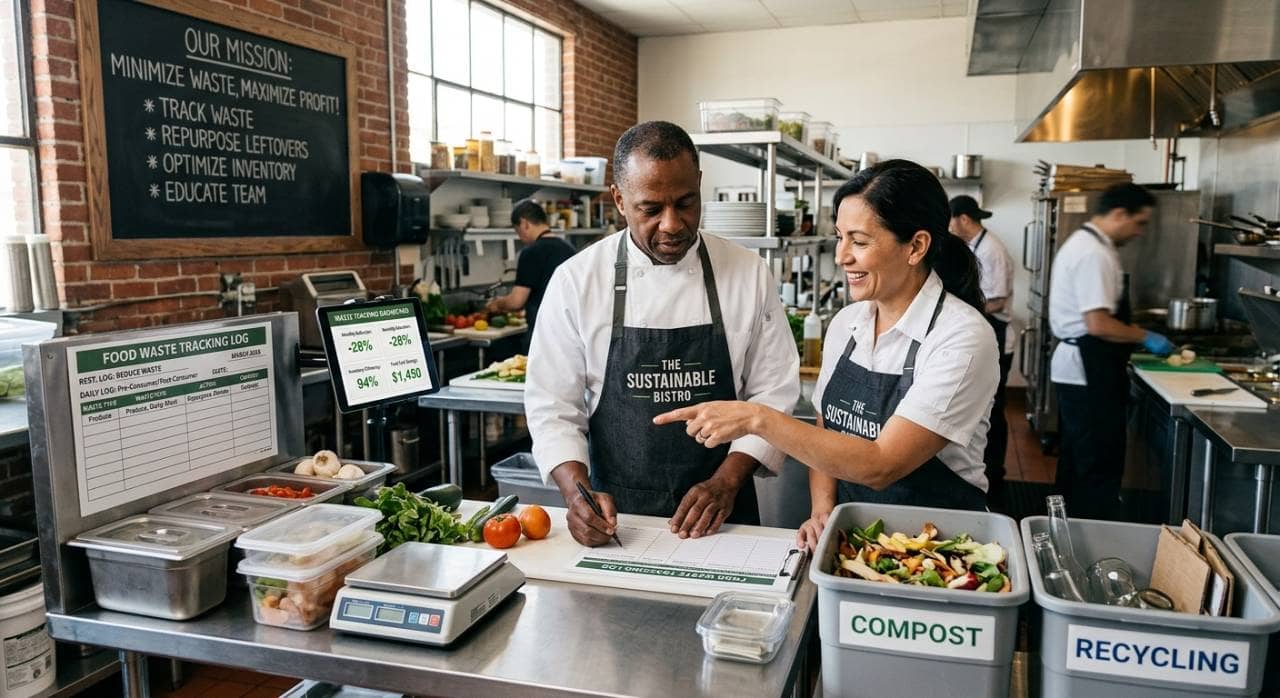
Learn how to reduce food waste in restaurants through smarter purchasing, storage, preparation, and service strategies that cut costs.
Sep 9, 2026
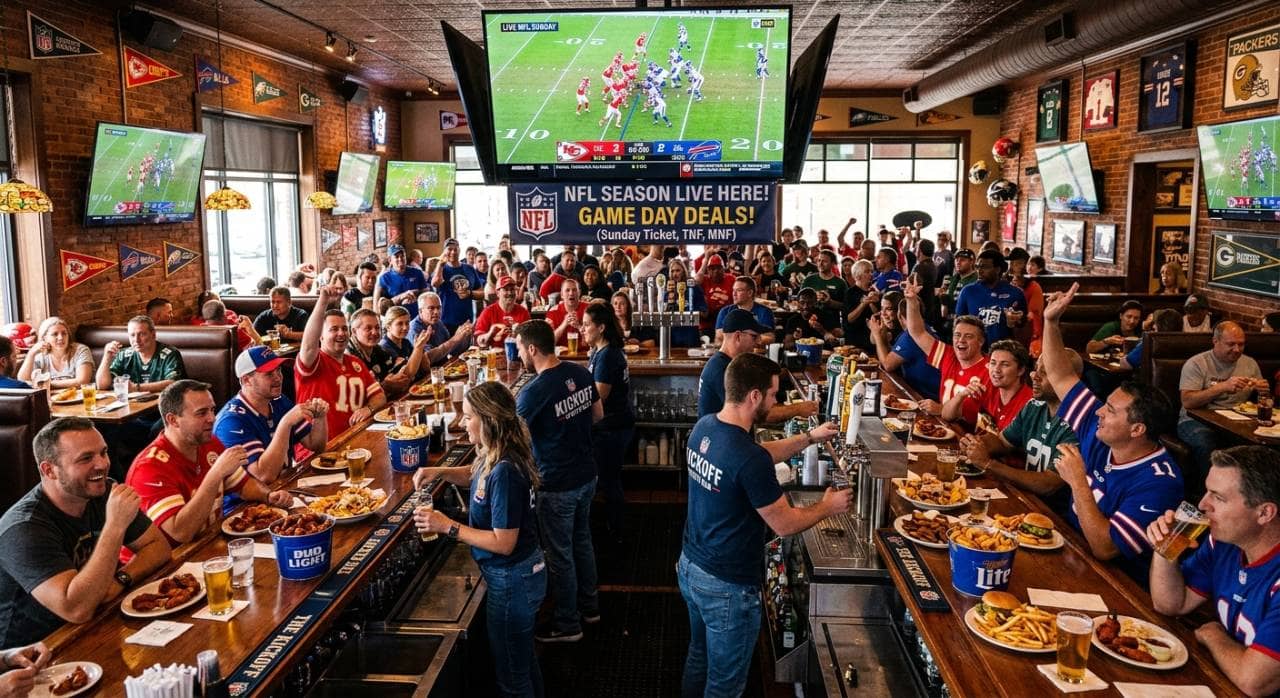
Prepare your restaurant for NFL season with smart menu planning, staffing, marketing, technology, and atmosphere strategies that boost season-long revenue.
Sep 9, 2026
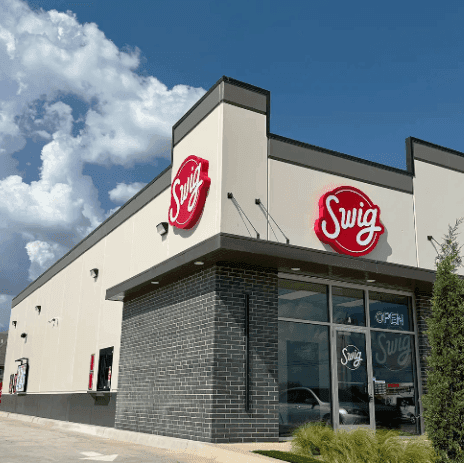
Swig signs franchise agreement for 11 South Denver locations, marking Colorado entry and validating its national expansion strategy.
Sep 8, 2026

Complete guide helping restaurant owners choose essential kitchen equipment - covering cooking, refrigeration, prep, sanitation, ventilation, safety, and long-term maintenance planning.
Sep 7, 2026

QR code menus let restaurants replace paper menus digitally, enabling instant updates, contactless browsing, ordering, and payment through simple smartphone scanning.
Sep 7, 2026

Avoiding common restaurant payroll mistakes - misclassification, tip credit errors, overtime miscalculations - protects businesses from costly penalties, back pay, and compliance risks.
Sep 4, 2026
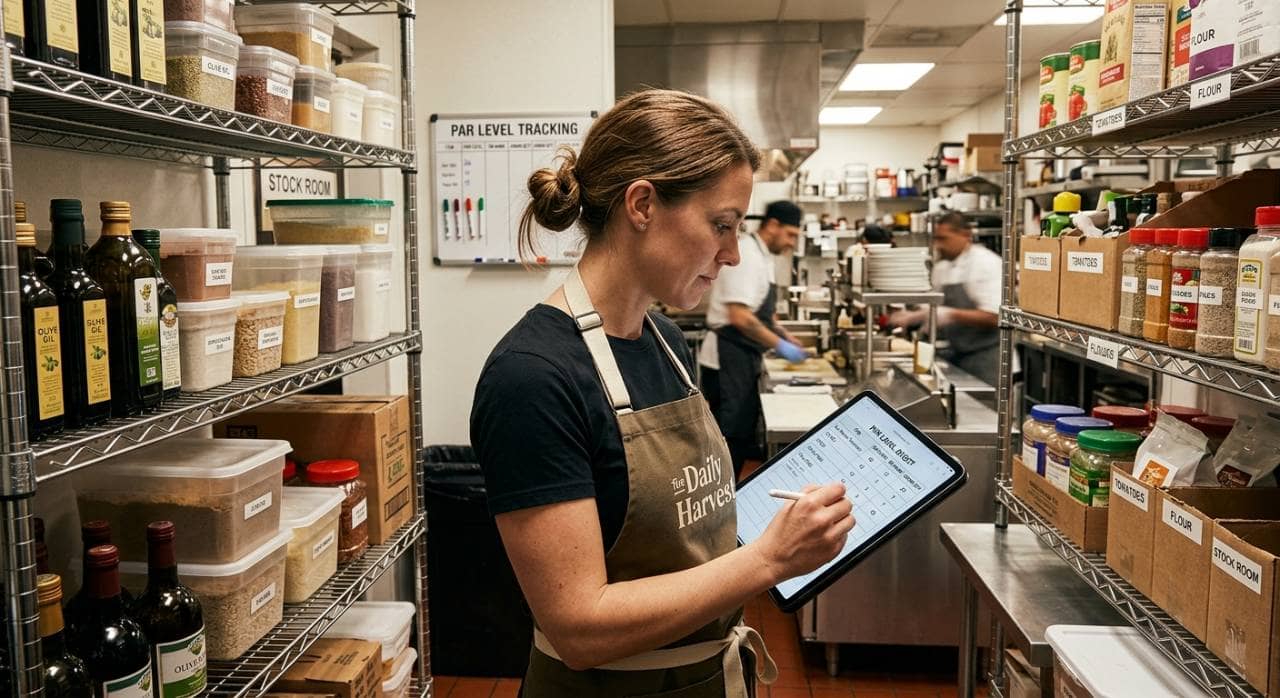
Learn to calculate par levels for restaurant food, beverages, and packaging inventory, preventing stockouts and waste through proper formulas.
Sep 4, 2026
Caribou Coffee appoints Zane Thomas-Rogers as Chief Operations Officer to strengthen execution across its expanding coffeehouse network.
Sep 4, 2026

Unlock Exclusive Access To Webinars, Events, And The Latest News For Free!
Private equity firm KKR buys Nothing Bundt Cakes from Roark Capital for over $2B, signaling a franchising boom and a growth path toward 1,000 units.

Photo by Clay Banks
As the dust settles on a marquee deal, a bakery brand shifts the landscape, not with frosting alone, but with a map of growth. KKR has agreed to acquire Nothing Bundt Cakes from Roark Capital in a transaction that, including debt, surpasses $2 billion. The moment feels less like a single close and more like a signal: capital markets are favoring concepts with warmth, repeatability, and a path to scale. The narrative begins in a Las Vegas home kitchen in 1997 and travels through a franchise ecosystem Roark has helped cultivate. In a year when investors seek predictable models, this deal reads like a careful blueprint for momentum: pastry, people, and patient planning.
"Nothing Bundt Cakes is a special brand with delicious products that are beloved by guests." said a Roark Capital spokesperson. The story contains a thread common to many growth platforms: a founder‑led, home‑grown concept tipped into a national stage by a multi‑brand owner and now a private‑equity pursuer. It is a moment of quiet optimism about what disciplined scaling can do when warmth and consistency drive repeat visits, even as questions about pace linger just beneath the glaze.

Nothing Bundt Cakes, launched in 1997 by Dena Tripp and Debbie Shwetz, has grown into a national platform with a footprint that stakeholders vary in counting: some estimates place the network above 500 bakeries, others closer to 700 across the United States and Canada. Roark acquired the brand in 2021, setting the stage for a high‑velocity expansion: 51 openings in 2022, 84 in 2023, and 101 in 2024. The leadership has signaled ambitions to exceed 100 openings a year and to reach 1,000 units by 2027, a growth engine that makes the brand especially appealing to a buyer like KKR, which brings deep resources to bear on scale.
50+ openings in 2022–2024 illustrate a momentum that public markets and lenders watch closely. The brand today reports revenue near $850 million, with average unit sales around $1.4–$1.5 million per year and top performers exceeding $2.4 million. Reuters, citing market chatter, suggests EBITDA may approach $120 million by 2026. Beyond the numbers, the sense is simple: a scalable bakery concept that can be replicated with discipline across borders and communities.

The mechanics of the sale unfold with the cadence of a well‑tuned oven timer: Roark led with advisory partners North Point and Bank of America, and the price is described as exceeding $2 billion including debt. The buyer, KKR, steps in as a co‑owner, bringing capital discipline and governance to a growth platform already primed for national and international expansion. In Roark’s communications, the deal reads as an orderly exit that preserves brand integrity while offering the scale needed to accelerate momentum.
"Nothing Bundt Cakes is a special brand with delicious products that are beloved by guests." echoed again in Roark’s messaging as the partnership shifts. The deal positions KKR as a steward of a proven unit‑economics model, with $744 billion in assets under management on its side, signaling capital that can press for accelerated development while maintaining brand fidelity. The overarching intent, repeatedly stated, is to reach 1,000 units by 2027 and sustain robust openings year after year.
The Nothing Bundt Cakes–KKR transaction sits within a broader narrative: private equity remains hungry for established, scalable concepts that operate on simple, repeatable formats. Analysts describe a market where a comforting product, local store formats, and predictable unit economics can attract sizable equity commitments and strategic guidance from asset managers like KKR. The deal reinforces a trend toward consolidating franchise platforms under disciplined governance, where growth milestones are paired with a steady path to profitability.
Industry observers frame the expansion as less about novelty and more about sustainable scale. The appeal lies in a simple product, accessible formats, and a steady stream of demand that translates into manageable capital expenditure and predictable returns. In this light, Nothing Bundt Cakes becomes a case study in how a beloved bakery can evolve into a growth platform without losing its essential warmth.
Despite a strong growth thesis, several uncertainties accompany the deal and the brand’s ambitious plans. Absolute counts of Nothing Bundt Cakes locations vary: some sources cite over 500, others hover near 700, and press materials in 2025 celebrated a 700th bakery milestone. The aspirational goal of surpassing 1,000 units by 2027 remains conditional on franchise approvals, supply chains, and labor dynamics at scale. External factors, labor trends and local regulations, can influence unit economics just as surely as customer demand can.
Even a celebrated milestone is tempered by reality: settlements in places like New York City over scheduling practices hint at a broader environment that could shape franchise relationships and the speed of rollout. The deal’s promise rests on balancing accelerated development with the reliability that franchise partners, lenders, and guests rightly expect from a systematic, brand‑protective growth engine.
