
California Penalizes Dickey's for Franchise Disclosure Violations
California shifts to public enforcement strategy against Dickey's for deceptive franchise disclosures, signaling stricter state-level franchise oversight.
Franchising
Sep 10, 2026
California shifts to public enforcement strategy against Dickey's for deceptive franchise disclosures, signaling stricter state-level franchise oversight.
Sep 10, 2026
Paul Brown temporarily steps away from Inspire Brands as Scott Murphy assumes interim CEO role during confidential IPO filing process targeting late 2026.
Sep 10, 2026
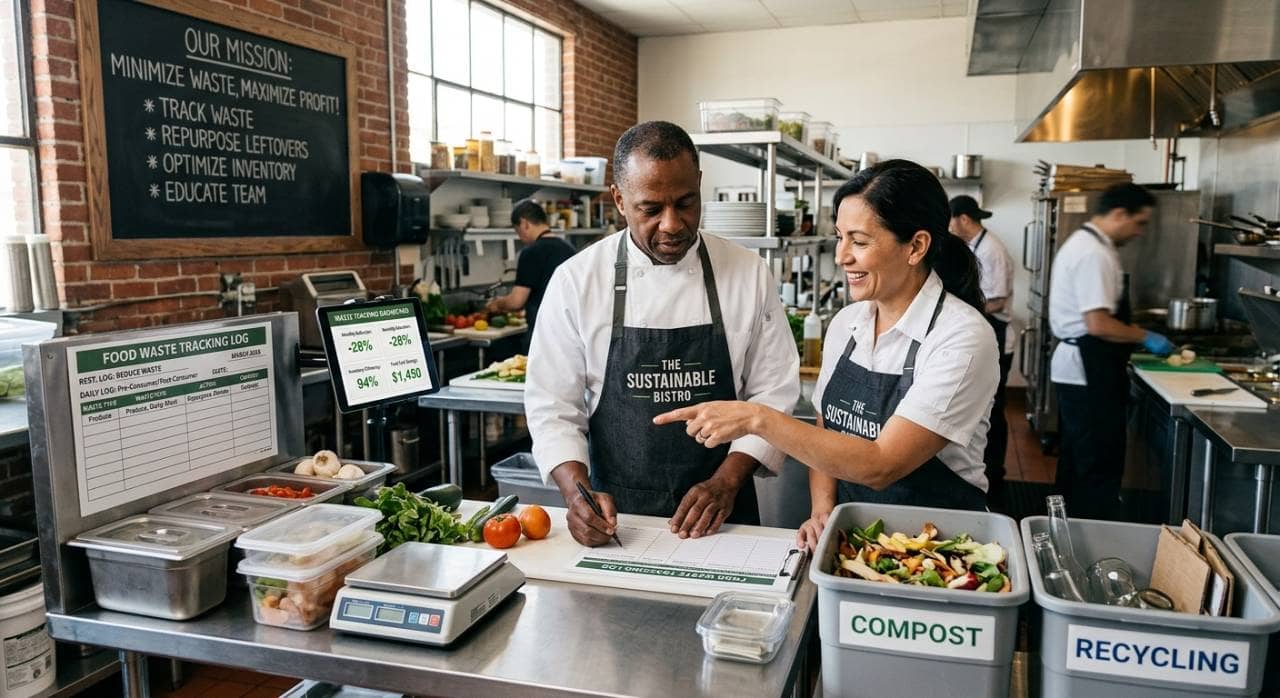
Learn how to reduce food waste in restaurants through smarter purchasing, storage, preparation, and service strategies that cut costs.
Sep 9, 2026
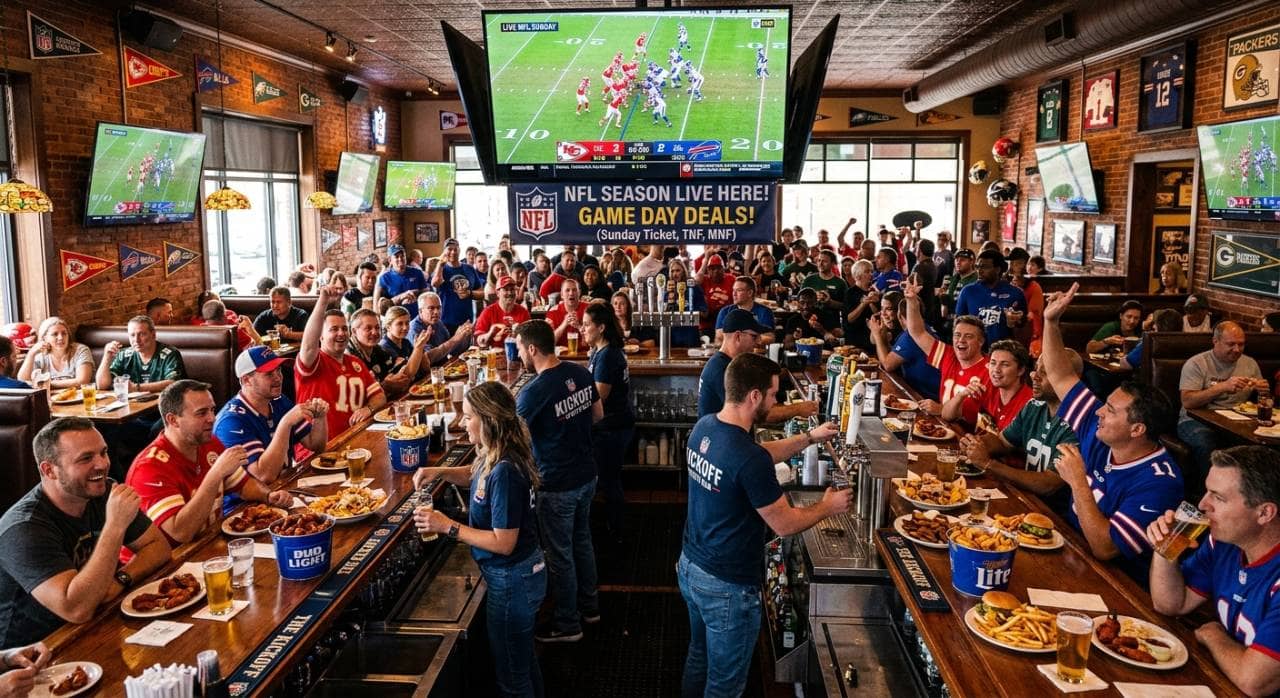
Prepare your restaurant for NFL season with smart menu planning, staffing, marketing, technology, and atmosphere strategies that boost season-long revenue.
Sep 9, 2026
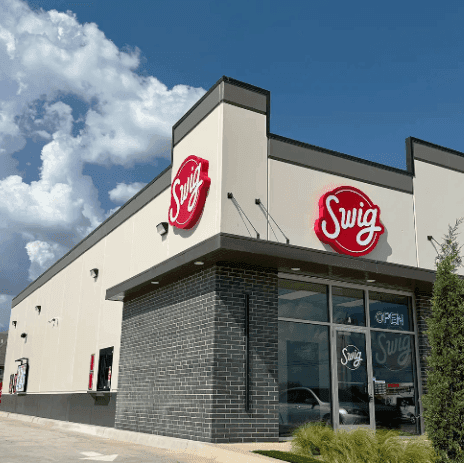
Swig signs franchise agreement for 11 South Denver locations, marking Colorado entry and validating its national expansion strategy.
Sep 8, 2026
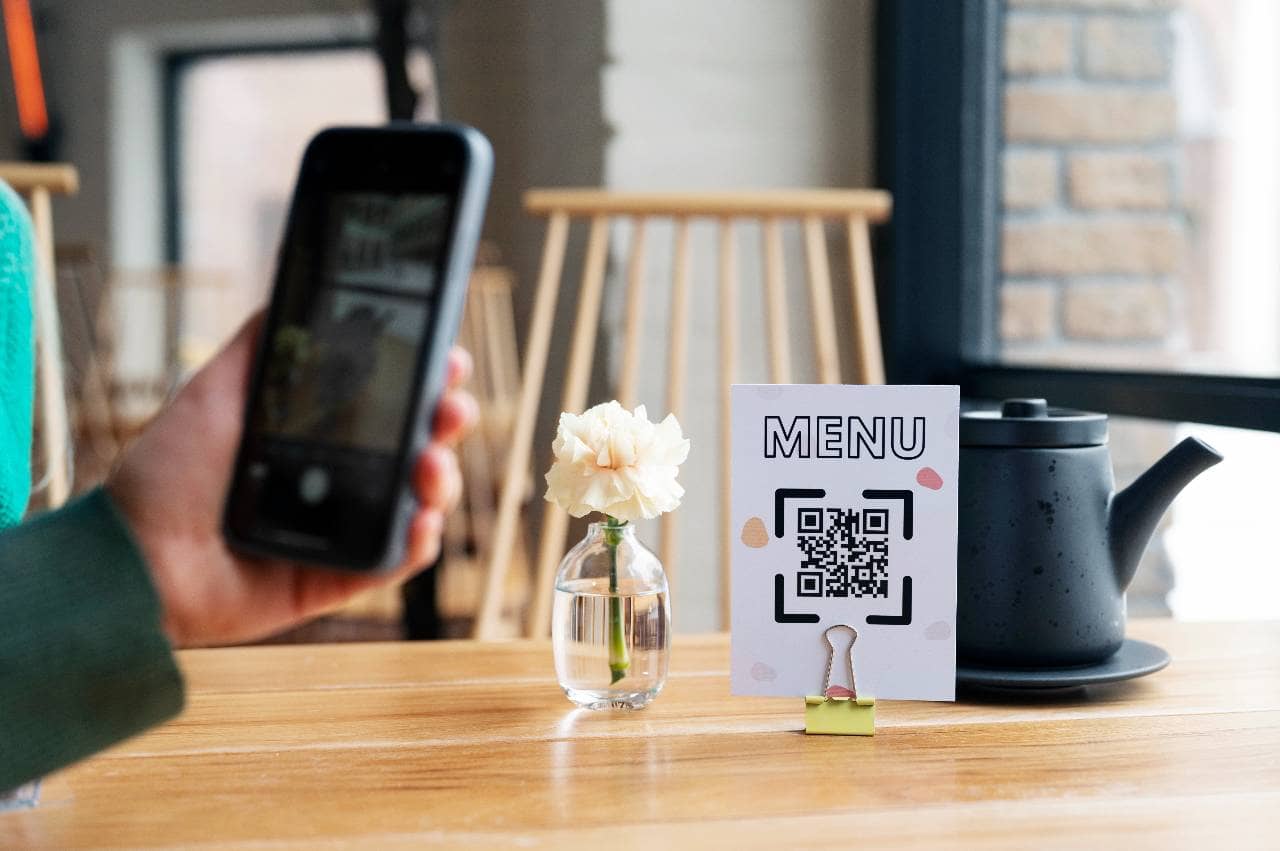
QR code menus let restaurants replace paper menus digitally, enabling instant updates, contactless browsing, ordering, and payment through simple smartphone scanning.
Sep 7, 2026
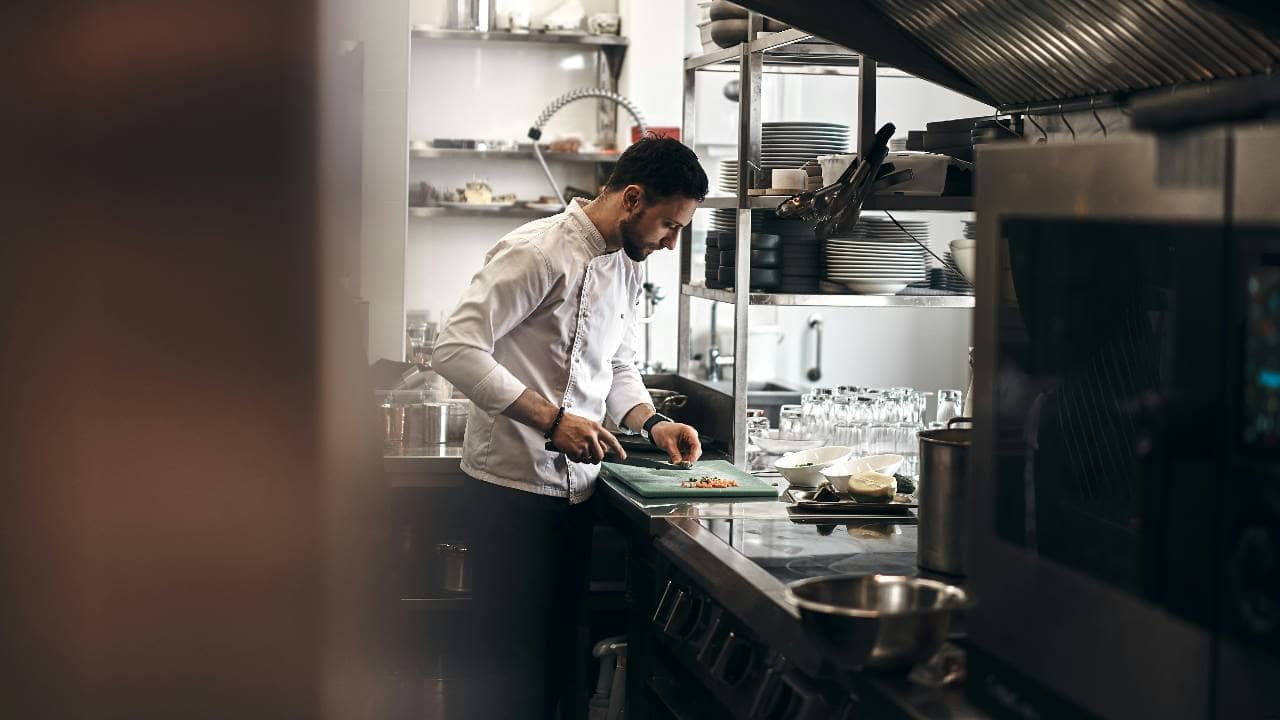
Complete guide helping restaurant owners choose essential kitchen equipment - covering cooking, refrigeration, prep, sanitation, ventilation, safety, and long-term maintenance planning.
Sep 7, 2026

Avoiding common restaurant payroll mistakes - misclassification, tip credit errors, overtime miscalculations - protects businesses from costly penalties, back pay, and compliance risks.
Sep 4, 2026
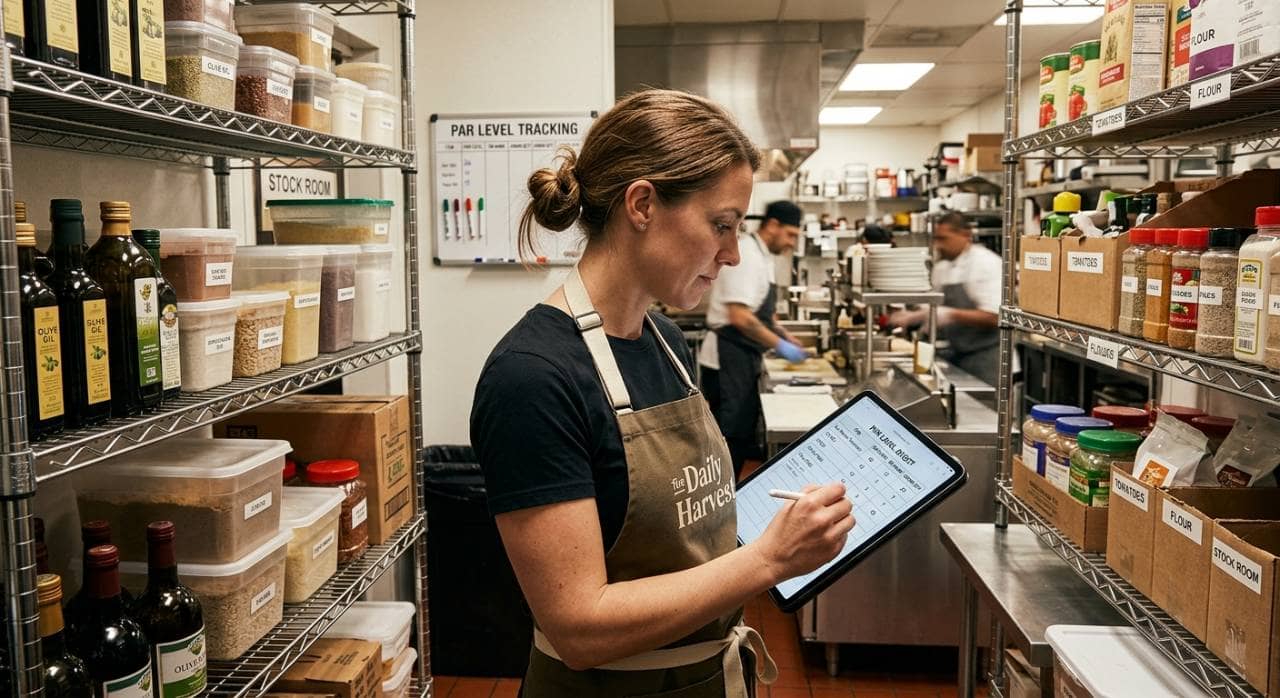
Learn to calculate par levels for restaurant food, beverages, and packaging inventory, preventing stockouts and waste through proper formulas.
Sep 4, 2026
Caribou Coffee appoints Zane Thomas-Rogers as Chief Operations Officer to strengthen execution across its expanding coffeehouse network.
Sep 4, 2026

Unlock Exclusive Access To Webinars, Events, And The Latest News For Free!
Executive moves and capital reshuffles reshape fast-casual brands, signaling a new era of growth, value pricing, and ownership shifts.

Photo by Fabio Sasso
Papa John’s entered a new tempo in its leadership rhythm, formalizing a transition by naming Todd Penegor as President and Chief Executive Officer, effective August 1, 2024, with Penegor joining the company’s Board of Directors. He succeeds Ravi Thanawala, who has served as Interim CEO since March 2024, signaling the close of a transitional period as the chain retools its executive bench. The moment carries more than pomp, it speaks to a growth-minded plan and a governance alignment that invites franchise partners, investors, and guests to watch the stove as strategy starts to simmer across the menu and the markets.
Todd Penegor arrives from The Wendy’s Company, where he led as President and Chief Executive Officer from 2016 to 2024, after earlier leadership roles at Kellogg and Ford. His two-decade arc in consumer brands is marked by building franchisee partnerships, elevating premium positioning, and steering capital allocation with a growth-minded compass. The appointment also places him on Papa John’s board, a move the company frames as governance in service of scale and profitability.
Leadership moves of this scale are rarely about a single chair. They ripple through franchise relations, investor confidence, and the pace at which a growth agenda is translated into real-world results. As Papa John’s positions its new chief executive, the industry watches how quickly governance and strategy align with execution across markets, and how a seasoned hand translates learning from one brand into another. This is where the kitchen meets the ledger, and the next chapter begins to take shape.

Leadership reshuffles are not isolated events. They unfold amid a broader set of structural moves reverberating through the chain-restaurant landscape. The sector has seen shifts that extend beyond one brand, as lenders and private-capital players reshuffle ownership and influence. In this moment, Rubio’s Coastal Grill filed for Chapter 11 protection in June 2024 to facilitate a sale, illustrating how distress and capital structure steer outcomes for fast-casual concepts. The sale to The Original Fish Taco LLC, an affiliate of TREW Capital Management Private Credit, for roughly $40 million in a credit bid, shows how credit markets shape brand trajectories.
Shake Shack presents a contrasting momentum narrative. In its second quarter of 2024, the company posted a 4.0% lift in same-Shack sales versus 2023 and opened twelve new Company-operated Shacks plus eleven licensed. The numbers sketch a dual image of a sector pursuing both unit growth and strategic pricing/mix optimization to sustain profits, even as other brands navigate leadership churn and capital reconfigurations.
Penegor’s onboarding and Rubio’s sale are not isolated anecdotes; they sit within a market where capital and talent mobility define the playing field. The lesson here is nuanced: growth requires not only bold ideas but a reliable structure to fund and sustain them, while ownership changes remind operators that capital can migrate with or without a formal press release.

Growth tactics in this period hinge on more than enticing menus; they ride on how brands balance promotions, pricing, and guest experience. The industry has watched a familiar player, McDonald’s, lean into value with a $5 Meal Deal, a move that sparked traffic gains in the U.S. and raised questions about the longer arc of profitability when price-led incentives are deployed. The conversation is practical and intimate: value can bring visitors back, but it must be measured against margins and long-run brand equity.
Traffic gains from value promotions are not universal guarantees of durable growth. Some analyses point to uplift in visits, while others flag mixed effects on same-store sales, reminding the industry that a short-term traffic spike must translate into sustainable profitability. The takeaway is a quiet reminder: the field will reward those who blend price discipline with consistent product quality and guest care, turning temporary traffic into lasting preference.
Shake Shack is cited as a case study in momentum, showing how a disciplined mix of promotions, menu innovation, and selective international expansion can sustain growth, even as the sector negotiates leadership changes. The market’s heartbeat seems to favor operators who balance energy with discernment, who listen to guests while steering pricing and promotions with a steady hand.

Gaps in the picture become more visible as leadership moves unfold and capital reshuffles intensify. The precise long-term impact of executive transitions on brand strategy and franchise execution remains to be seen, especially as consumer tastes evolve and inflation pressures compress discount expectations. While traffic may rise, durability of profitability hinges on a steadier alignment of price, product, and people.
Value promotions present a spectrum of outcomes. Industry reporting emphasizes watching market share dynamics, pricing discipline, and the efficiency of promotions across regions and formats. The current moment invites careful scrutiny: a brief traffic uplift doesn’t automatically translate into sustained profitability, and the balance between growth and margin remains delicate.
Industry reporting suggests a watchful stance: growth requires disciplined capital allocation, a clear strategic direction, and adaptable go-to-market tactics that align value with rising consumer expectations in a fast-velocity market.
Taken together, the leadership shifts, bankruptcy-driven ownership moves, and aggressive growth tactics sketch a restaurant sector that is volatile yet ripe with opportunity. The Papa John’s transition signals a growth-oriented agenda guided by an executive with deep franchising and consumer-brand experience, while Rubio’s upheaval underscores the ongoing role of private-capital actors in determining outcomes for brands in distress. Shake Shack’s momentum, supported by promotions, menu innovation, and selective international expansion, illustrates how a thoughtful balance of pricing, product quality, and guest experience can sustain growth amid change.
For operators, investors, and franchisees, the moment calls for disciplined capital allocation, a clear strategic direction, and adaptable go-to-market tactics that pair value with a trustworthy guest experience. The aroma of opportunity lingers, inviting a slower, kinder pace of growth that prioritizes sustainability as much as speed.
What to carry forward is not a single doctrine but a willingness to learn from each move: leadership, leverage, and the human side of growth, franchise partners, crews in the kitchen, and guests who crave hospitality as much as a warm plate. In this evolving field, the most inviting strategy may be the simplest: stay generous, stay deliberate, and let the moment’s momentum translate into lasting trust.
