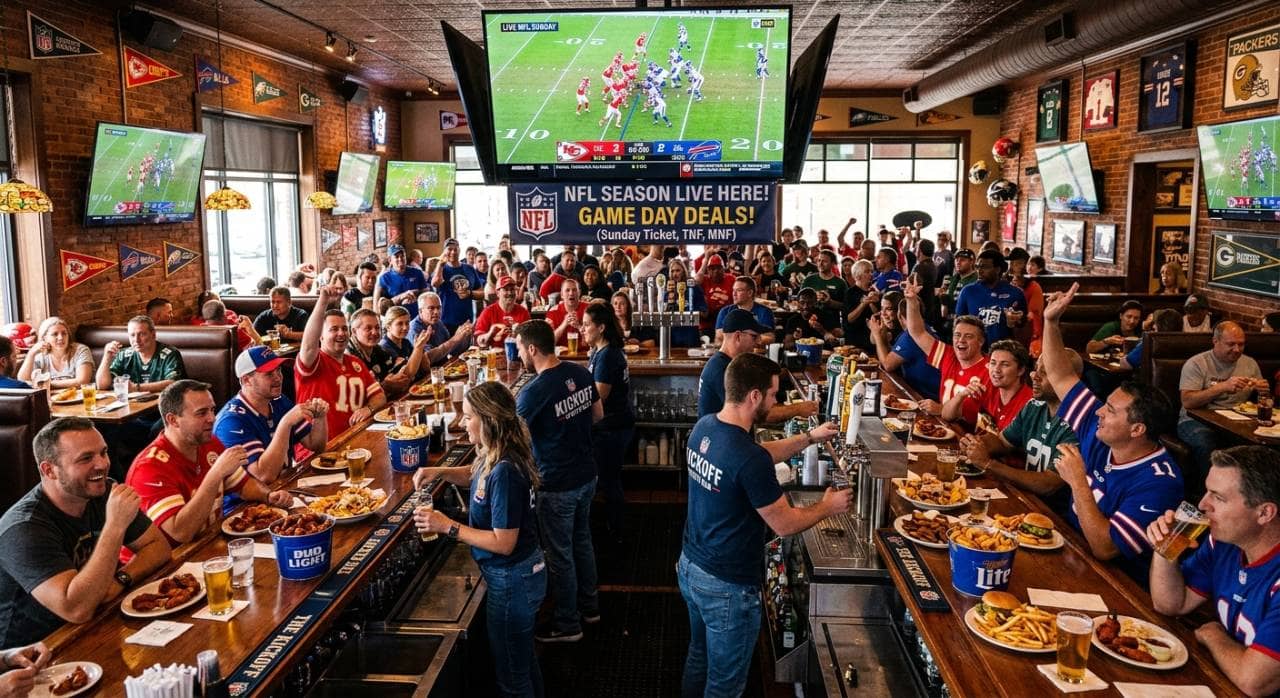
How to Prepare Your Restaurant for the NFL Season
Prepare your restaurant for NFL season with smart menu planning, staffing, marketing, technology, and atmosphere strategies that boost season-long revenue.
Marketing
Sep 9, 2026
Prepare your restaurant for NFL season with smart menu planning, staffing, marketing, technology, and atmosphere strategies that boost season-long revenue.
Sep 9, 2026
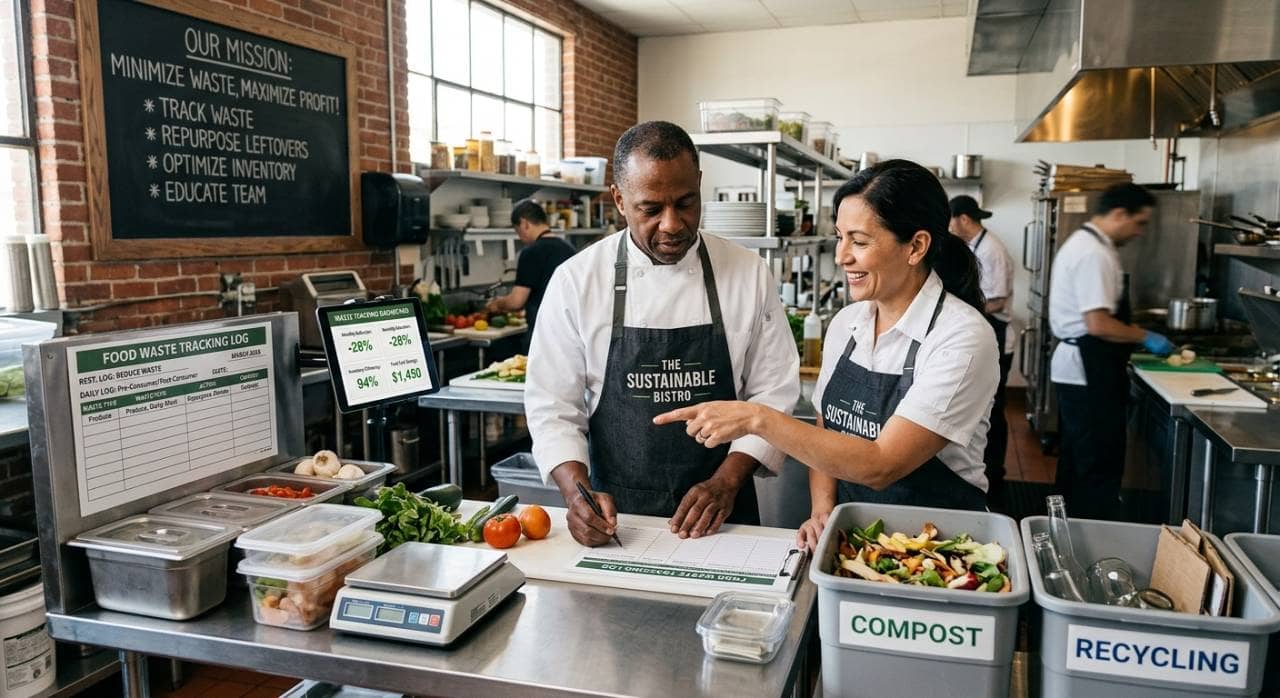
Learn how to reduce food waste in restaurants through smarter purchasing, storage, preparation, and service strategies that cut costs.
Sep 9, 2026
Swig signs franchise agreement for 11 South Denver locations, marking Colorado entry and validating its national expansion strategy.
Sep 8, 2026
Complete guide helping restaurant owners choose essential kitchen equipment - covering cooking, refrigeration, prep, sanitation, ventilation, safety, and long-term maintenance planning.
Sep 7, 2026
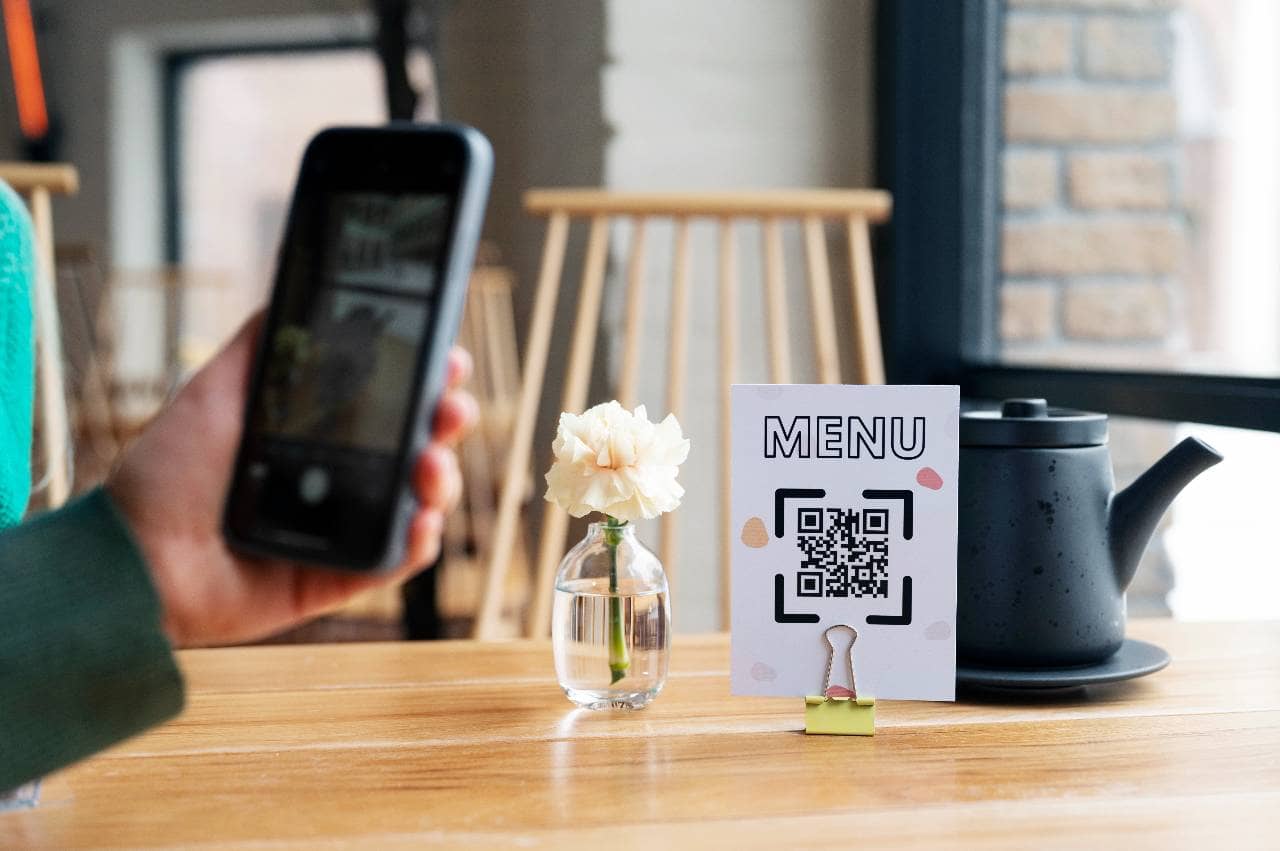
QR code menus let restaurants replace paper menus digitally, enabling instant updates, contactless browsing, ordering, and payment through simple smartphone scanning.
Sep 7, 2026

Avoiding common restaurant payroll mistakes - misclassification, tip credit errors, overtime miscalculations - protects businesses from costly penalties, back pay, and compliance risks.
Sep 4, 2026
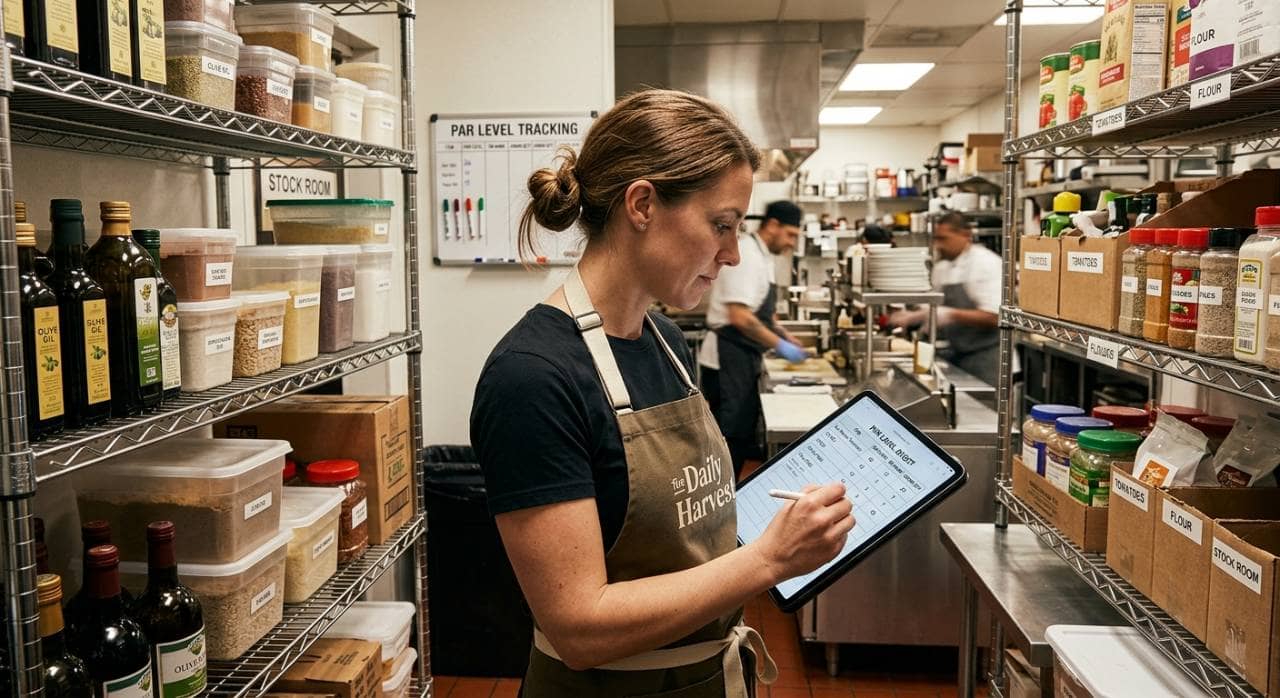
Learn to calculate par levels for restaurant food, beverages, and packaging inventory, preventing stockouts and waste through proper formulas.
Sep 4, 2026
Caribou Coffee appoints Zane Thomas-Rogers as Chief Operations Officer to strengthen execution across its expanding coffeehouse network.
Sep 4, 2026
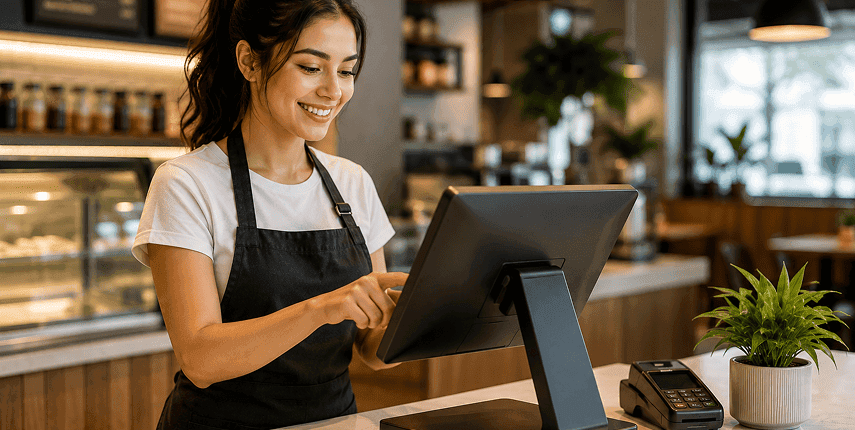
Compare the top 10 restaurant POS systems in the USA for 2026. Explore features, pricing, pros, cons, and the best POS options for every restaurant type.
Jul 1, 2026

Learn how to handle restaurant payroll yourself, from calculating hours and wages to managing tips, taxes, and final paychecks.
Sep 2, 2026

Unlock Exclusive Access To Webinars, Events, And The Latest News For Free!
Loyalty shifts from discounts to data-driven personalization, unlocking durable growth through first-party data and AI insights.

Photo by Spencer Davis
Across a dining landscape shadowed by inflation, loyalty programs are evolving from pure discounts into a trusted framework for sustained growth. This shift is not merely about keeping guests returning; it’s about expanding a loyal base in a way that supports higher visit frequencies and larger baskets. Industry data signals the pace of enrollment is brisk: Paytronix notes that leading quick-service operators enroll roughly 110 new loyalty members per store each month, top full-service brands about 70, and c-stores around 36 per location. When programs scale thoughtfully at the store level, the payoff isn’t fleeting, it's durable engagement that aligns with a balanced, nourishing dining experience:
These figures aren’t just numbers; they point to a practical opportunity: expand the loyal base in ways that support repeat visits and bigger orders. First‑party data becomes the bedrock for personalization, allowing brands to tailor messages and offers with consent. In fact, early analyses show 16.5% year‑over‑year loyalty spend growth and a lift of 18–24% in customer lifetime value for opt‑in members. The message is clear: when a guest feels seen with respect and relevance, every interaction feels nourishing and balanced.
Restaurants are pointing toward a future where data science informs guest experiences. The industry’s appetite for AI‑driven insights is growing, reflected in the National Restaurant Association’s Restaurant Technology Outlook (2024), which shows operators already using AI and planning broader adoption. This signals a broader shift away from tactical discounts toward data‑driven experiences that feel thoughtful. In practice, AI can help tailor recommendations, predict visit timing, and shape how offers appear across channels, all while anchoring decisions in guest consent and privacy.
To translate this into steady lift, brands must deepen their first‑party data collection, invest in real‑time analytics, and craft personalized experiences that feel respectful rather than intrusive. The road map is practical: design experiences that respect guest preferences, ensure transparent data practices, and measure impact on visits and basket size. When data governance is disciplined, experiments yield measurable gains in loyalty spend and lifetime value.
Across the sector, loyalty is moving from a promotional add-on to a strategic engine. The industry press and analytics converge on a clear view: technology and analytics shape guest experiences and program design, turning loyalty into a durable growth lever. The NRA’s coverage of the 2024 State of the Restaurant Industry frames loyalty and rewards as focal points for retaining customers and driving steady traffic in a volatile environment.
Yet uncertainty remains. Transitioning from discount‑heavy tactics to value‑added experiences requires careful design, governance, and ongoing measurement. The joint conclusions from NRA and Paytronix emphasize that technology investments, first‑party data strategies, and clear program structures determine whether loyalty programs become durable growth levers or simply short‑term promotions. The takeaway is practical: balance math, consent, and relevance, and you begin to close the gaps that separate aspirational personalization from reliable guest relationships.
For operators facing inflation and cost pressure, loyalty offers a credible path to stabilize traffic and lift per‑guest value when designed around precise data and guest consent. The trajectory is clear: deepen first‑party data collection, invest in real‑time analytics and AI‑driven insights, and craft personalized experiences that meaningfully move visits and baskets. The evidence from Paytronix and NRA paints a practical picture: loyalty is no longer a marketing garnish but a strategic platform for growth.
As brands scale these capabilities, they should stay transparent about data practices, prioritize relevancy over breadth, and maintain a test‑and‑learn mindset. Measured experiments that connect with disciplined data governance can deliver double‑digit gains in spend and visits. The long arc is nourishing: loyalty becomes a steady, inflation‑proof heartbeat for restaurants that view guests as people, not transactions.

Looking ahead, the most enduring loyalty programs are built with intention: a careful balance of data governance, guest consent, and meaningful personalization that respects time and value. This is where restaurants can turn inflationary pressure into opportunity: a clearer, more nourishing guest journey that rewards trust as much as spend.
By iterating with transparency and curiosity, brands can deliver experiences that move visits and baskets without eroding margins. Paytronix and NRA signals are practical: loyalty is a platform for durable growth when paired with disciplined measurement and a culture of test‑and‑learn.
