
California Penalizes Dickey's for Franchise Disclosure Violations
California shifts to public enforcement strategy against Dickey's for deceptive franchise disclosures, signaling stricter state-level franchise oversight.
Franchising
Sep 10, 2026
California shifts to public enforcement strategy against Dickey's for deceptive franchise disclosures, signaling stricter state-level franchise oversight.
Sep 10, 2026
Paul Brown temporarily steps away from Inspire Brands as Scott Murphy assumes interim CEO role during confidential IPO filing process targeting late 2026.
Sep 10, 2026
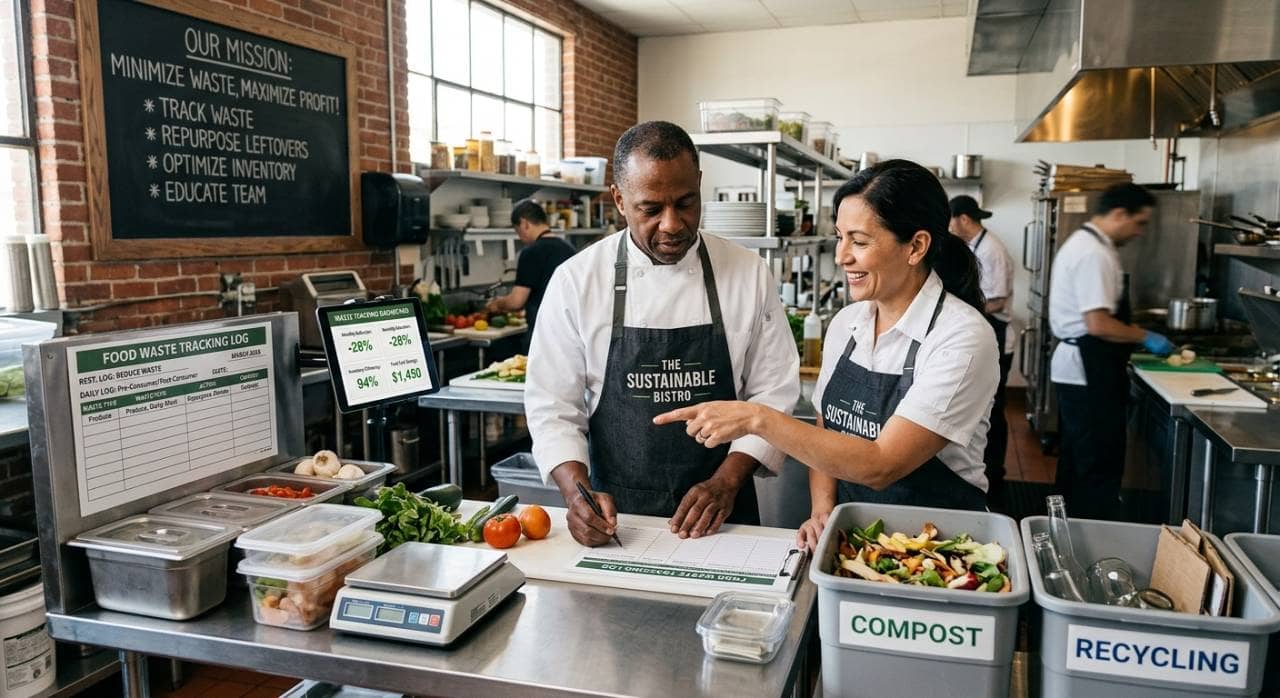
Learn how to reduce food waste in restaurants through smarter purchasing, storage, preparation, and service strategies that cut costs.
Sep 9, 2026
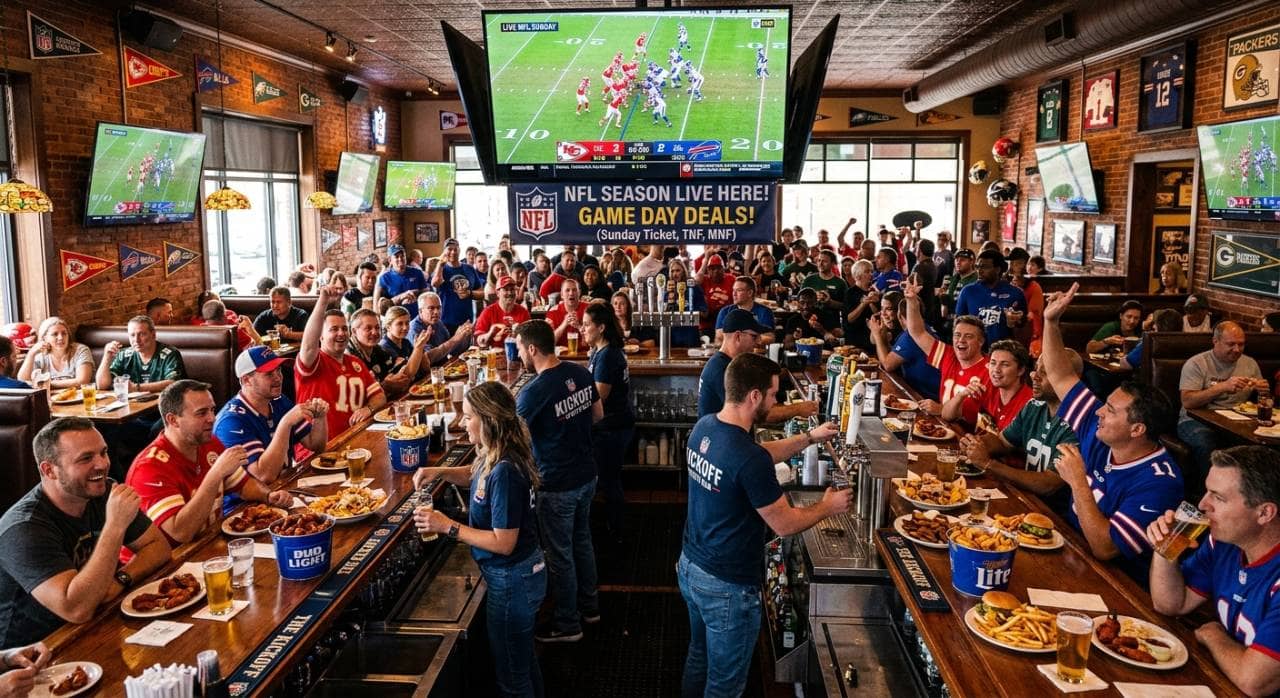
Prepare your restaurant for NFL season with smart menu planning, staffing, marketing, technology, and atmosphere strategies that boost season-long revenue.
Sep 9, 2026
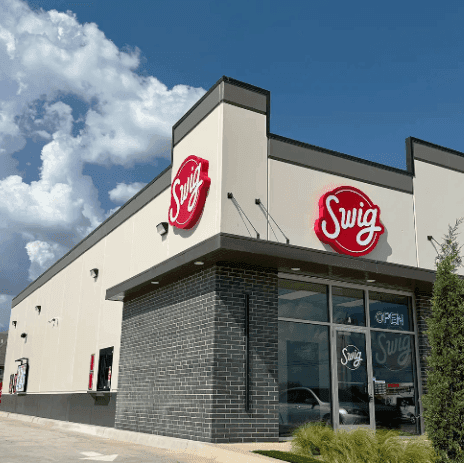
Swig signs franchise agreement for 11 South Denver locations, marking Colorado entry and validating its national expansion strategy.
Sep 8, 2026
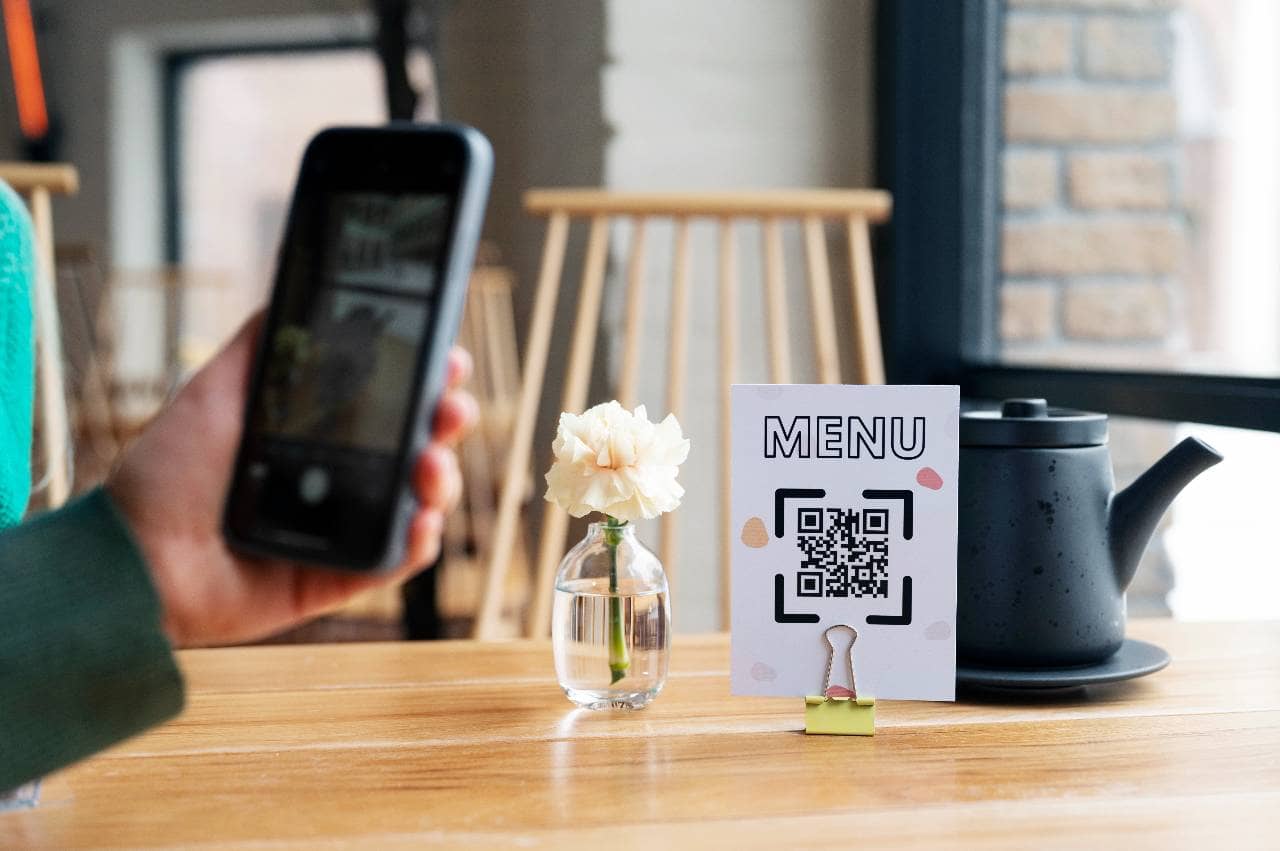
QR code menus let restaurants replace paper menus digitally, enabling instant updates, contactless browsing, ordering, and payment through simple smartphone scanning.
Sep 7, 2026
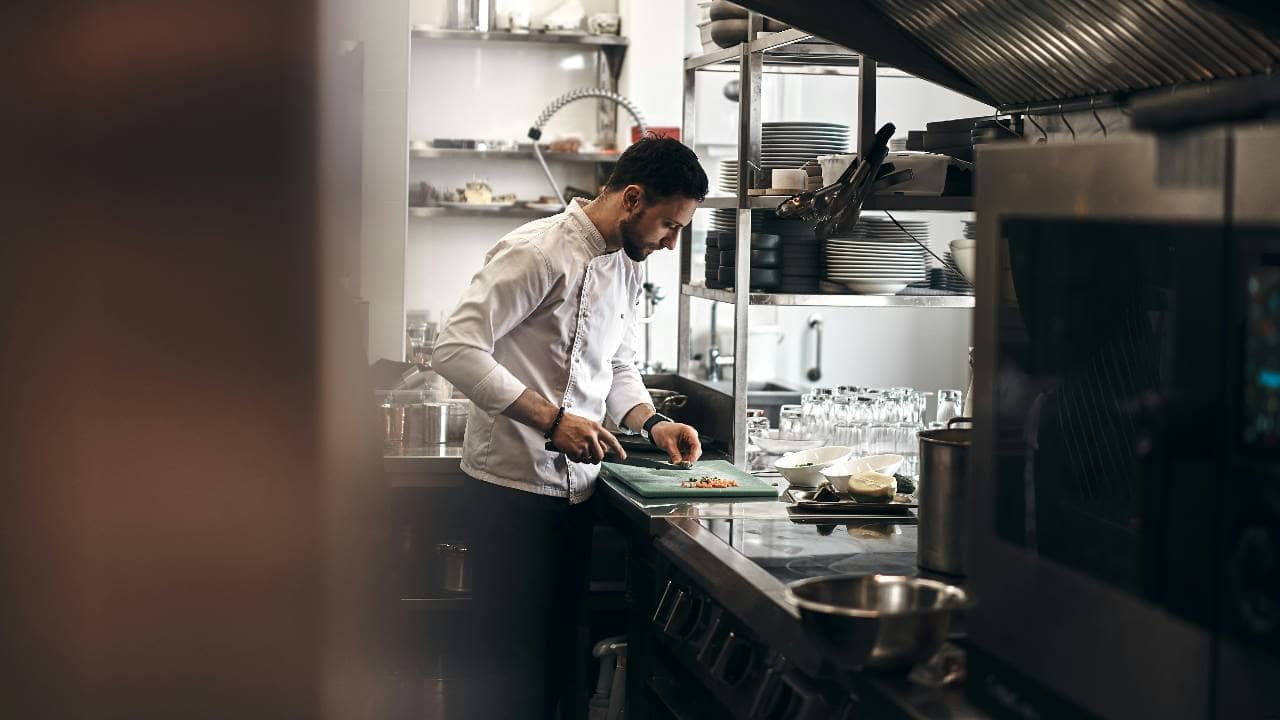
Complete guide helping restaurant owners choose essential kitchen equipment - covering cooking, refrigeration, prep, sanitation, ventilation, safety, and long-term maintenance planning.
Sep 7, 2026

Avoiding common restaurant payroll mistakes - misclassification, tip credit errors, overtime miscalculations - protects businesses from costly penalties, back pay, and compliance risks.
Sep 4, 2026
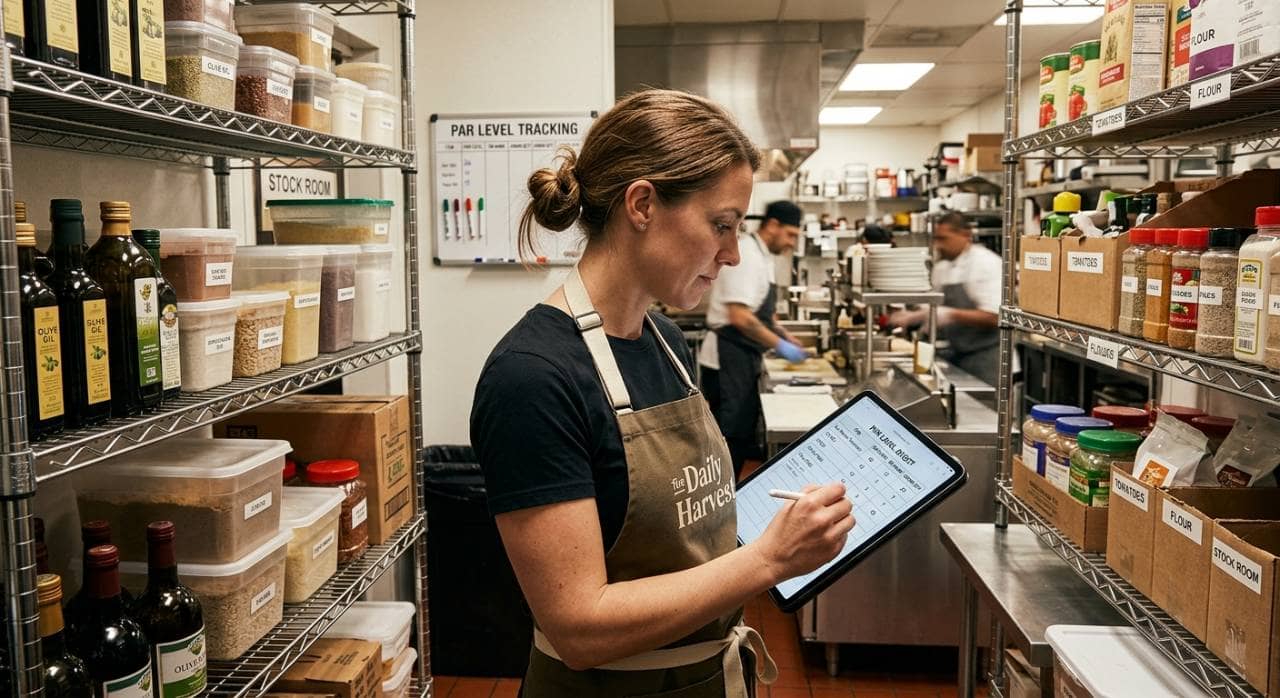
Learn to calculate par levels for restaurant food, beverages, and packaging inventory, preventing stockouts and waste through proper formulas.
Sep 4, 2026
Caribou Coffee appoints Zane Thomas-Rogers as Chief Operations Officer to strengthen execution across its expanding coffeehouse network.
Sep 4, 2026

Unlock Exclusive Access To Webinars, Events, And The Latest News For Free!
McDonald's $5 Meal Deal sparked a value war, extended through August in most markets, and foreshadowed McValue's broader approach to everyday low pricing.
On June 25, 2024, McDonald's rolled out a small, comforting offer designed to ease wallets and invite lingering. The McDonald's $5 Meal Deal presented a simple choice: a McDouble burger or a McChicken sandwich, plus four items, small fries, four-piece Chicken McNuggets, and a small soft drink. It was a four-week test, not a cliff dive, and the tone suggested a gentle nudge rather than a splash. The idea, let a dependable bundle draw people back into stores, one visit at a time, lingered as summer approached. That straightforward blueprint would soon ripple through the industry, turning conversations about price into conversations about presence.
From the outset, the four-week window was the frame of the experiment. For some markets, the bundle carried a $5 price with a potential $6 McDouble option in certain locales, illustrating regional pricing flexibility. The rollout was designed to be simple to understand and easy to replicate across thousands of U.S. stores, a factor that likely aided its broad appeal. Early data suggested more than curiosity: Placer.ai documented a notable uptick in visits around launch week, signaling a traffic lift that could outperform rivals during cautious consumer spells. This signal stood out even after controlling for the prior Grimace Shake surge.
Analysts quickly noted the deal appeared to deliver a measurable impact on foot traffic. Placer.ai data cited by Nation's Restaurant News showed the promotion coinciding with accelerated visitation trends, even after factoring in the prior Grimace Shake surge from the previous year. "McDonald's $5 Meal Deal appears to be having a positive impact on visitation trends," said RJ Hottovy, head of analytical research at Placer.ai. The signal suggested a real lift relative to a two-year baseline, underscoring value-driven promotions as a competitive lever.
Following the initial four weeks, the promotion broadened as franchisees and company leadership voted to extend the bundle in many markets. Bloomberg reported that roughly 93% of McDonald's U.S. locations committed to keeping the bundle on menus through August, though exact end dates varied by geography. The extension underscored management’s belief that affordable options were essential to sustaining traffic momentum and offsetting higher menu prices in other segments. As reporting noted, some markets could continue the deal into December, depending on local votes and store-level decisions, illustrating both promise and regional nuance.
The breadth of the extension signaled more than a simple promotion; it reflected a strategic bet that price-led value can support a broader business goal. Industry observers highlighted that the extended window traveled with a mosaic of local decisions, rather than a uniform nationwide timetable. The franchisee-vote mechanism pointed to an ongoing question: how durable is a discount-driven traffic lift, and at what price will margins rebound as the promotional cadence evolves?

McDonald's value push did not occur in isolation. The broader quick-service landscape responded with a slate of value-focused promotions, from app-exclusive freebies to deeply discounted bundles. Axios highlighted the 93% buy-in for August and noted that rivals, Burger King, Wendy’s, Jack in the Box, and even Starbucks in some formats, launched or expanded competing value plays to capture bargain-seeking diners. The moment reflects a go-to-market shift: retain traffic, manage margins, and preserve customer lifetime value amid a climate of cautious consumer confidence.
With momentum came questions about long-term viability. End dates vary by location, and some markets have yet to vote on extending beyond August. Analysts and operators watched the process closely, given that local economics, wage trends, and competitive dynamics could influence both the duration of the extended period and the longer-term value strategy. The reliance on franchisee votes also highlighted a deeper question: how durable is a discount-driven traffic lift, and what price will margins rebound at as the cadence evolves?

In the broader arc of the value conversation, McDonald’s began articulating a broader strategy. In April 2026, the company introduced McValue, expanding options beyond the $5 bundle with a new Under $3 Menu and a $4 Breakfast Meal Deal, alongside the existing Meal Deals at lunch and dinner. The expanded value platform offers more choice, flexibility, and predictable everyday low prices, with meal deals continuing to be a staple. Notably, the new structure maintains a $5 or $6 entry point for certain deals, reflecting pricing nuance across times of day and menu category.
Taken together, the evolution signals a long-run shift in how McDonald’s designs its value ladder. The goal remains a gentle invitation to return, even as prices rise. By weaving broad accessibility with regional adaptability, both in-app promotions and local adaptations, McDonald’s seeks to sustain traffic without eroding profitability. The familiar McChicken Meal Deal for $5 and McDouble Meal Deal for $6 stay in scope, but the architecture now accommodates a wider range of options that meet different budgets and moments.
