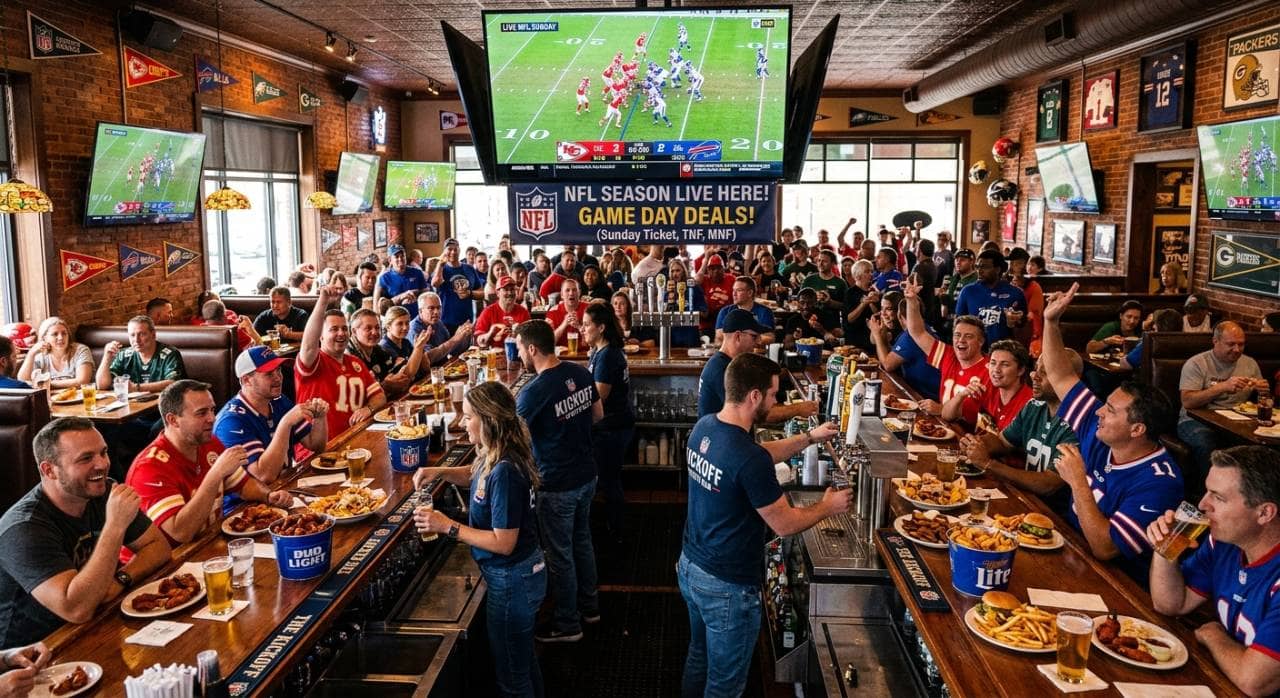
How to Prepare Your Restaurant for the NFL Season
Prepare your restaurant for NFL season with smart menu planning, staffing, marketing, technology, and atmosphere strategies that boost season-long revenue.
Marketing
Sep 9, 2026
Prepare your restaurant for NFL season with smart menu planning, staffing, marketing, technology, and atmosphere strategies that boost season-long revenue.
Sep 9, 2026
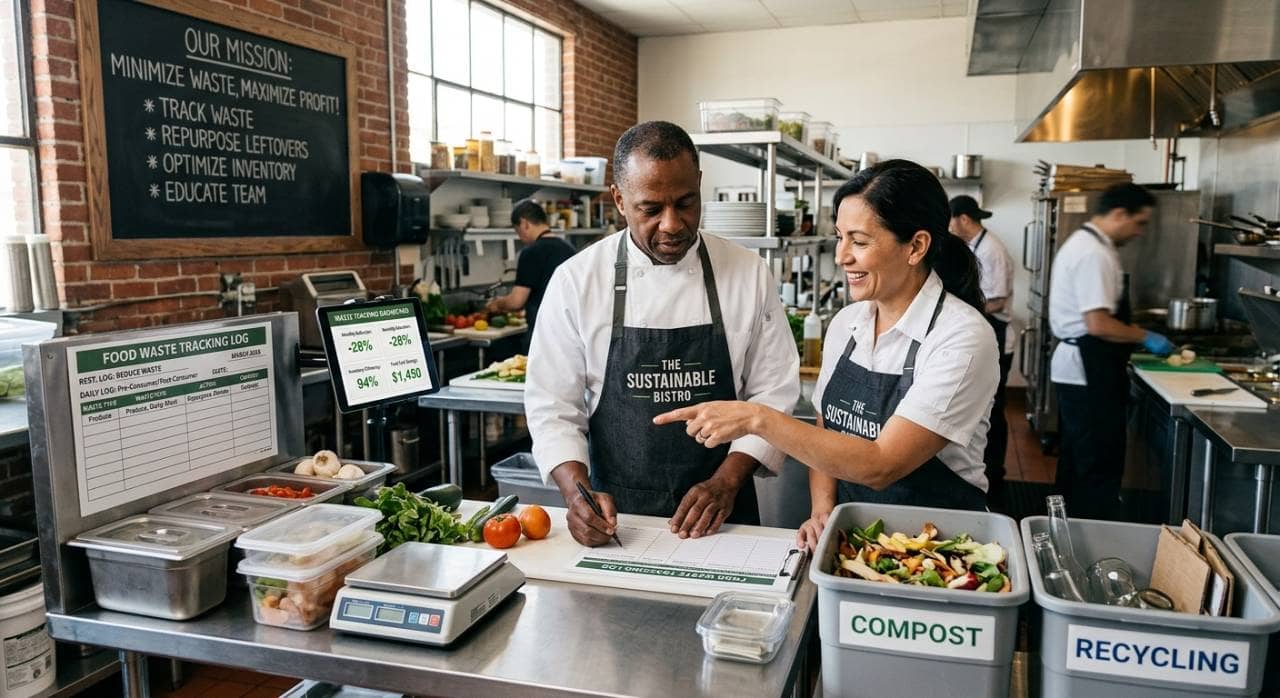
Learn how to reduce food waste in restaurants through smarter purchasing, storage, preparation, and service strategies that cut costs.
Sep 9, 2026
Swig signs franchise agreement for 11 South Denver locations, marking Colorado entry and validating its national expansion strategy.
Sep 8, 2026
Complete guide helping restaurant owners choose essential kitchen equipment - covering cooking, refrigeration, prep, sanitation, ventilation, safety, and long-term maintenance planning.
Sep 7, 2026
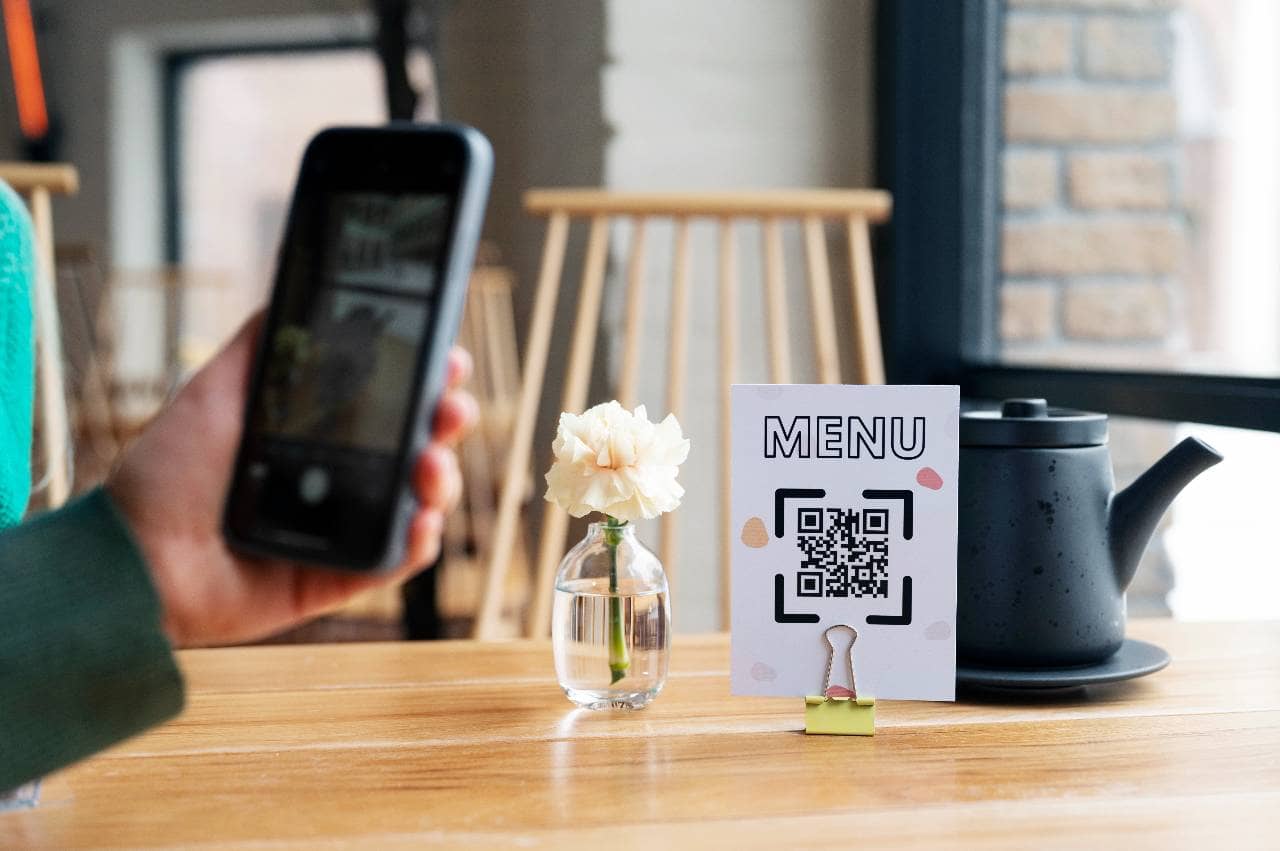
QR code menus let restaurants replace paper menus digitally, enabling instant updates, contactless browsing, ordering, and payment through simple smartphone scanning.
Sep 7, 2026

Avoiding common restaurant payroll mistakes - misclassification, tip credit errors, overtime miscalculations - protects businesses from costly penalties, back pay, and compliance risks.
Sep 4, 2026
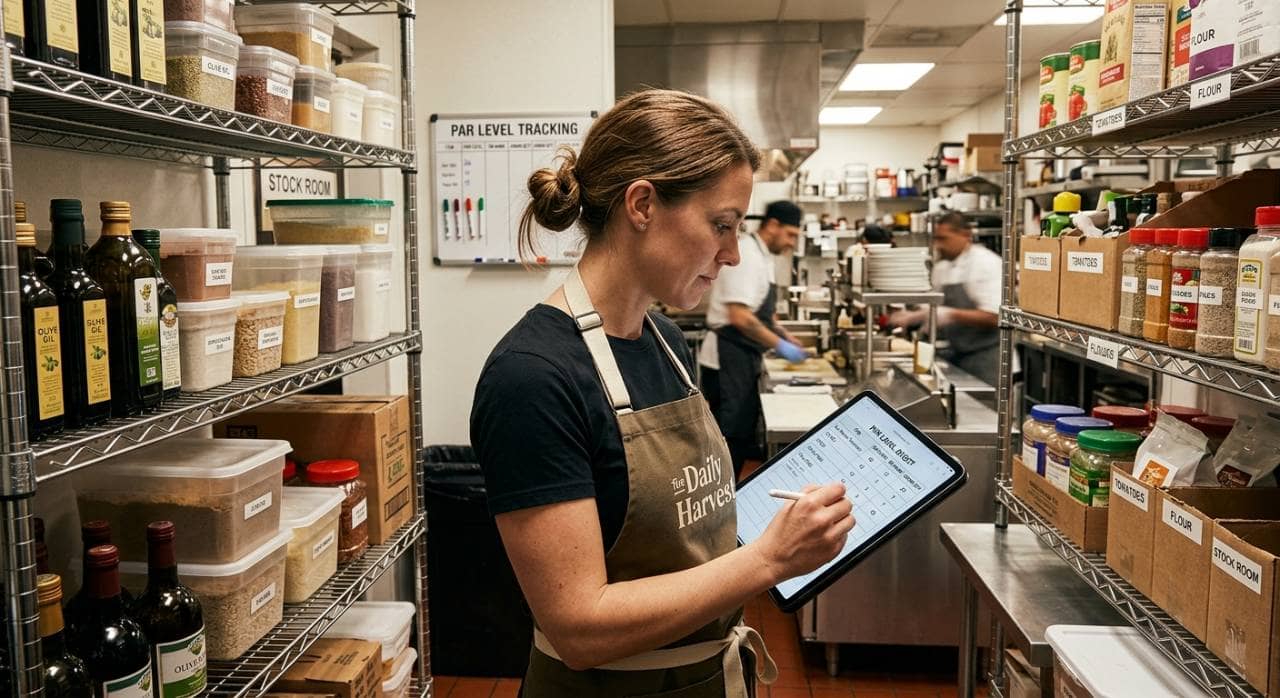
Learn to calculate par levels for restaurant food, beverages, and packaging inventory, preventing stockouts and waste through proper formulas.
Sep 4, 2026
Caribou Coffee appoints Zane Thomas-Rogers as Chief Operations Officer to strengthen execution across its expanding coffeehouse network.
Sep 4, 2026
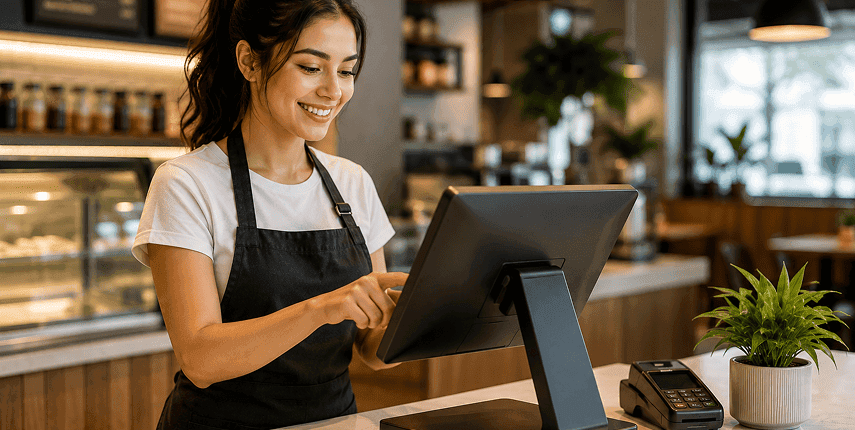
Compare the top 10 restaurant POS systems in the USA for 2026. Explore features, pricing, pros, cons, and the best POS options for every restaurant type.
Jul 1, 2026

Learn how to handle restaurant payroll yourself, from calculating hours and wages to managing tips, taxes, and final paychecks.
Sep 2, 2026

Unlock Exclusive Access To Webinars, Events, And The Latest News For Free!
Giants stall in 2024 as under-100 brands surge with rapid openings, momentum, and new formats—a shift redefining growth in the restaurant world.

Photo by Adhitya Sibikumar
The restaurant world is neck-deep in a polarization that’s hard to miss. In 2024, Top 500 chains posted sales growth of 3.1%, a pace Technomic described as the slowest year in a decade outside the pandemic. That slowdown isn’t chaos, it’s a recalibration: giants drifted on price-driven gains while real volume was harder to pull. On the other side, nimble concepts under 100 locations chased growth through speed to scale and menu innovation. This isn’t a blip; it’s a shift in how leadership is defined. It’s a setup for a deeper look at momentum, whether it’s stick‑to‑itiveness from giants or sprint from the newcomers.
Looking closer at the data, the contrasts sharpen. In 2024 roughly 30 chains opened 100 locations or more, signaling a wave of scale among disruptors in chicken and fast‑service, and among cross‑category concepts. Yet the Top 500’s overall unit growth remained modest, around 1.6%, proving that more openings didn’t automatically translate into proportional sales gains. Add it up: total sales crested near $437.1 billion, a gain, but not a surge. Within the top ranks, a few banners still posted standout momentum, Dave’s Hot Chicken at 57% and Wingstop at 37%, demonstrating that a handful can bend the curve even as the crowd slows.

Set against the general slowdown, momentum is coming from a quieter engine: openings, not just price. In 2024, the market saw 30 chains pushing beyond a hundred locations, with fast‑casual disruption, particularly in chicken and cross‑category concepts, accelerating faster than the giants. Meanwhile, the Top 500 still showed the rate of new stores at a subdued pace, underscoring a delta between scale and sustained sales. The contrast didn’t happen by accident; it reflected a shift in emphasis from footprint growth to velocity into new markets and formats.
Within the ranks, a handful posted real momentum in 2024: Dave’s Hot Chicken at 57% and Wingstop at 37%, among others. These leaders show that momentum isn’t reserved for the largest banners; it’s earned by speed to market, differentiated menus, and disciplined execution. The gap between giants and newcomers isn’t a rumor, it’s a measurable shift in who can scale fastest without surrendering margins.
Despite momentum signals, uncertainties linger. The long‑term profitability of rapid openings in a high‑inflation environment remains a question mark for many operators. While the Top 500 data show strong openings among sub‑100 brands, translating those openings into durable cash flow and meaningfully higher same‑store sales depends on local market dynamics, execution, and cost discipline. The data also show that nearly 40% of Top 500 chains recorded sales declines in 2024, up from 26% the prior year, underscoring the volatility operators faced even as some concepts flourished. Industry observers caution that the pace of change may tilt toward nimble, consumer‑centric concepts, but apples‑to‑apples comparisons will require ongoing, longer‑term data.
NRN and Technomic’s coverage reinforces the tug-of-war between inflation pressure and real momentum. As one Technomic note captured, "Sales for the industry’s three largest chains rose by a combined 1.2% in 2024 after increasing by more than 11% the prior year." That near‑term divergence helps explain why investors and operators are recalibrating expectations about market leadership and the durability of growth across segments. The takeaway: momentum exists, but it’s uneven and requires careful tracking over time.

For operators, investors, and franchisees, the landscape is rewriting the rules of success. The focus is shifting away from sheer footprint to the speed and discipline required to translate openings into durable profitability. The emergence of sub‑100 chains with momentum shows a new bar for leadership: quick scale, sustainable unit economics, and a differentiated value proposition. Local market fit, compelling brand storytelling, and agile operations are the new levers. Pricing discipline and cost management aren’t optional; they’re the difference between a flash in the market and lasting growth.
In practice, leadership now hinges on translating momentum into profitability. The framework from NRN and Technomic gives operators a way to evaluate franchise opportunities and competitive strategy without chasing every new opening. Expect sharper focus on market entry timing, menu differentiation, and cost control. The playbook is simpler and tougher at the same time: move fast, stay lean, and prove you can keep momentum without sacrificing margins.
