
California Penalizes Dickey's for Franchise Disclosure Violations
California shifts to public enforcement strategy against Dickey's for deceptive franchise disclosures, signaling stricter state-level franchise oversight.
Franchising
Sep 10, 2026
California shifts to public enforcement strategy against Dickey's for deceptive franchise disclosures, signaling stricter state-level franchise oversight.
Sep 10, 2026
Paul Brown temporarily steps away from Inspire Brands as Scott Murphy assumes interim CEO role during confidential IPO filing process targeting late 2026.
Sep 10, 2026
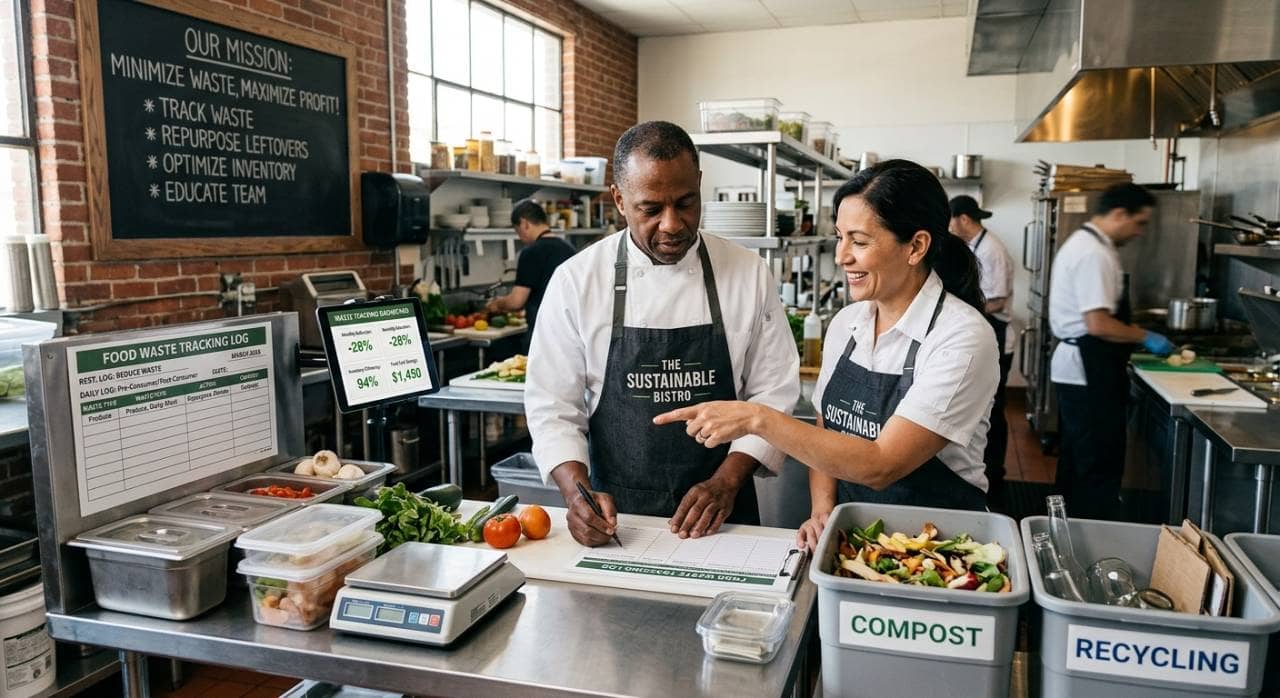
Learn how to reduce food waste in restaurants through smarter purchasing, storage, preparation, and service strategies that cut costs.
Sep 9, 2026
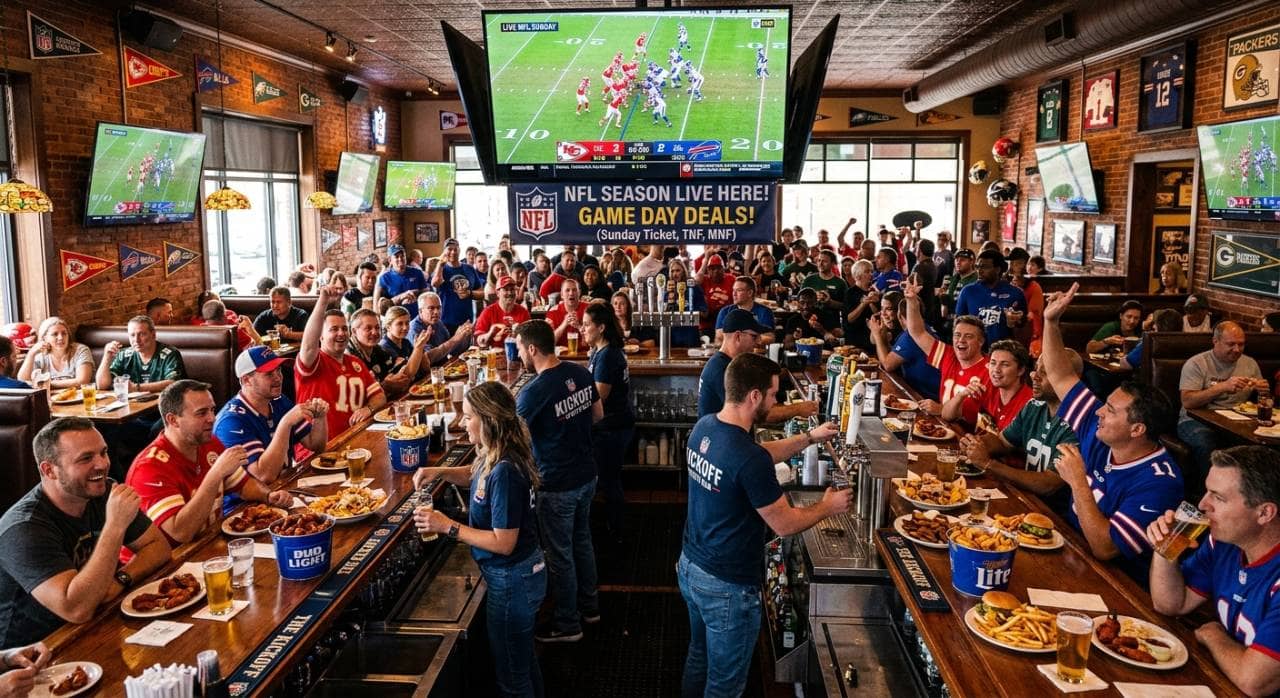
Prepare your restaurant for NFL season with smart menu planning, staffing, marketing, technology, and atmosphere strategies that boost season-long revenue.
Sep 9, 2026
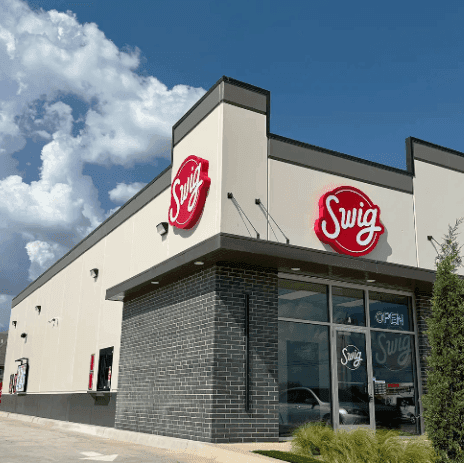
Swig signs franchise agreement for 11 South Denver locations, marking Colorado entry and validating its national expansion strategy.
Sep 8, 2026
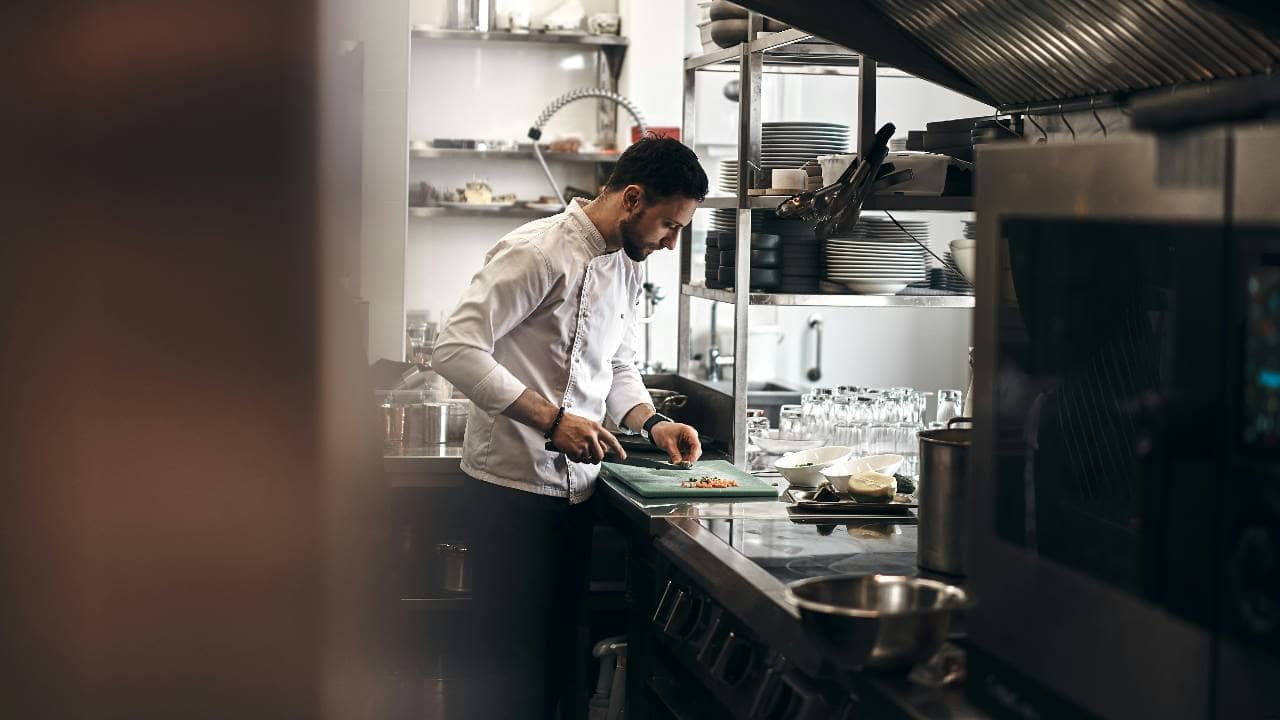
Complete guide helping restaurant owners choose essential kitchen equipment - covering cooking, refrigeration, prep, sanitation, ventilation, safety, and long-term maintenance planning.
Sep 7, 2026
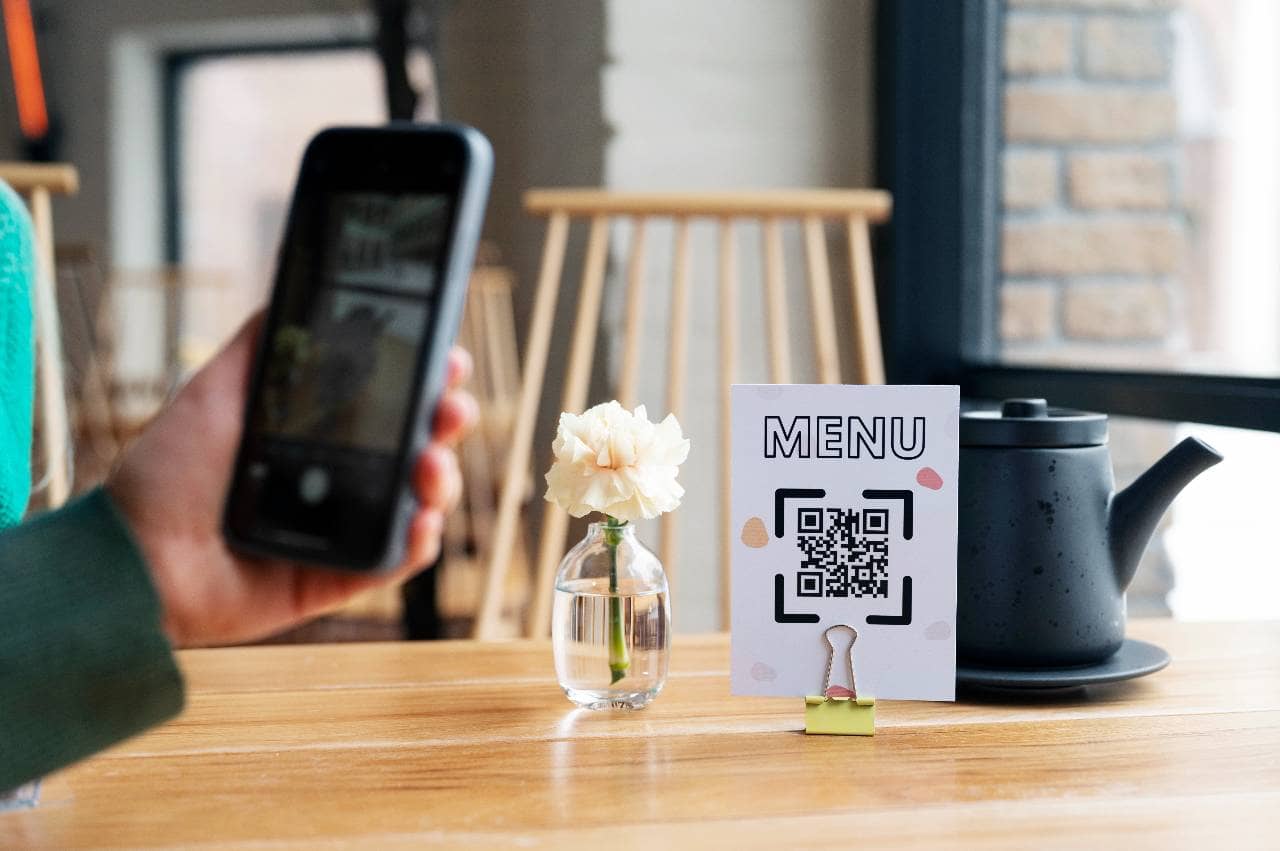
QR code menus let restaurants replace paper menus digitally, enabling instant updates, contactless browsing, ordering, and payment through simple smartphone scanning.
Sep 7, 2026

Avoiding common restaurant payroll mistakes - misclassification, tip credit errors, overtime miscalculations - protects businesses from costly penalties, back pay, and compliance risks.
Sep 4, 2026
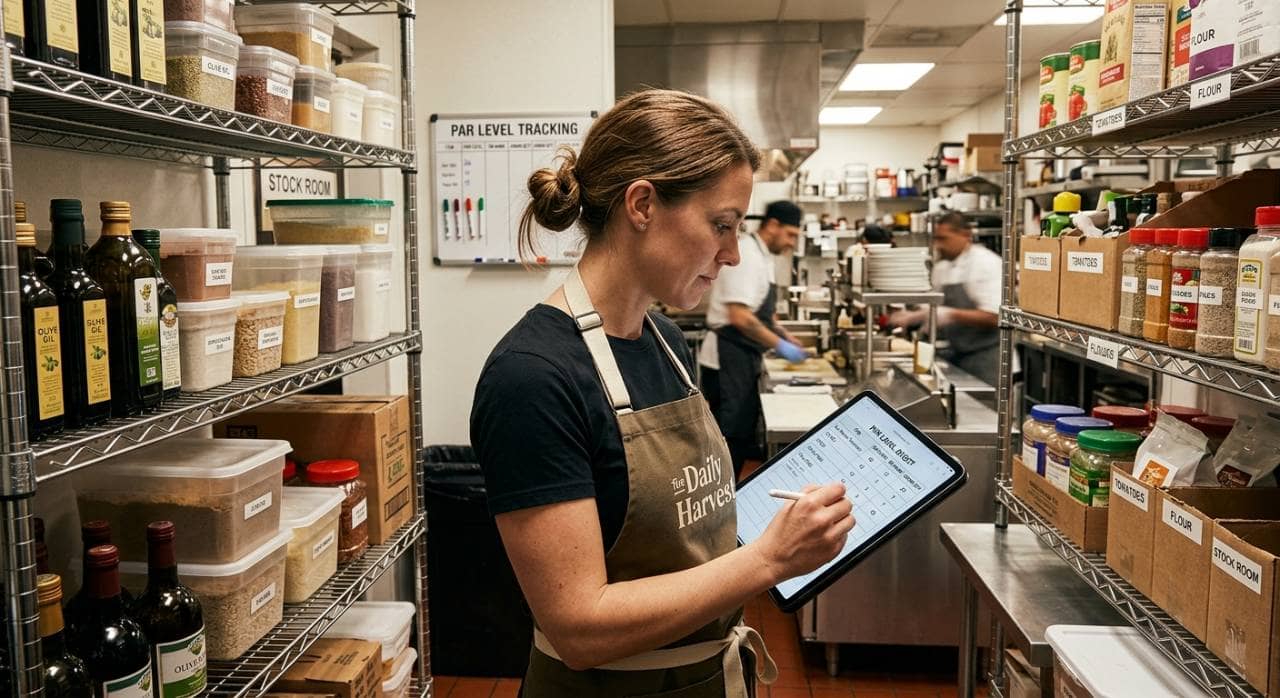
Learn to calculate par levels for restaurant food, beverages, and packaging inventory, preventing stockouts and waste through proper formulas.
Sep 4, 2026
Caribou Coffee appoints Zane Thomas-Rogers as Chief Operations Officer to strengthen execution across its expanding coffeehouse network.
Sep 4, 2026

Unlock Exclusive Access To Webinars, Events, And The Latest News For Free!
Starbucks bets on a portable CEO with a Newport Beach remote office, jet commute, and flexible leadership to spark a bold turnaround.

Photo by Roman Denisenko
When Brian Niccol steps into Starbucks' helm, he steps with a footprint that redefines leadership location. Instead of uprooting to Seattle, he will anchor a compact Newport Beach remote office financed by the company, staffed with an assistant of his choosing, and will have access to a company jet for shuttling to the Seattle headquarters. The arrangement, disclosed in his offer letter, frames a new era of leadership mobility for a company long associated with a single coast.
The plan insists he will reside in Newport Beach and commute roughly 1,000 miles to the Seattle office, but in practice he will not be doing that daily. The implication is a flexible, purposeful approach to aligning talent with a distributed, multi-location enterprise.
Starbucks defines his primary office as the Seattle Support Center, with the majority of his time to be spent there or visiting company stores, roasting facilities, and offices around the world. The arrangement, described as exceeding typical hybrid guidelines and workplace expectations for other partners, is part of a larger pattern shaping how top-level leadership can operate in a labor market hungry for talent.
Niccol's ascent follows a familiar script for a turnaround operator. He will succeed Laxman Narasimhan on September 9, 2024, stepping into a period of pressure to reignite growth at Starbucks. Publicly, Starbucks framed the move as a deliberate recalibration to restore momentum and investor confidence, a signal that the company wants fresh strategic energy drawn from Niccol's track record at Chipotle. Industry observers point to a broader trend of leaders balancing geography with talent in a tight labor market, where location is increasingly a lever, not a constraint.
Beyond the biography, the Newport Beach plan centers on a tightly defined support structure: a dedicated, compact remote office funded by Starbucks and staffed to support Niccol's needs, alongside executive housing support during the transition. A private-jet commute to Seattle is part of the package, and he is expected to spend substantial time at the SSC and across Starbucks' global network of stores and roasting facilities. Analysts note this is a concrete example of how large employers reconcile executive mobility with corporate presence, while housing support signals practical steps to ease an early transition.
Reactions from the company signal a blend of confidence and measured ambition. A Starbucks spokesperson stated, "Brian Niccol has proven himself to be one of the most effective leaders in our industry, generating significant financial returns over many years," a line that underscores a belief in his ability to drive value for partners, customers, and shareholders. The language around incentives and the willingness to experiment with top-level work arrangements reflects a broader appetite for bold, talent-driven turnaround strategies.
Industry coverage frames the offer as both a talent play and a signal about flexibility in executive leadership. The arrangement envisions travel, time in the Seattle center, and heavy store visits, aligning with macro shifts where leaders can be geographically mobile without compromising governance. In a sector that prizes cadence, the Newport plan is presented as a pragmatic response to labor-market dynamics and the search for durable momentum in the Starbucks brand.
From the financial end, the package is timely and eye-catching: Niccol's first-year compensation could reach nearly $117 million. The package comprises a $1.6 million base salary, a $10 million signing bonus, up to $7.2 million in annual cash incentives, a targeted $23 million in annual stock awards, and a one-time $75 million replacement equity grant to offset holdings he forfeits by leaving Chipotle. The numbers are tied to Starbucks’ performance, and the plan aims to secure a proven operator who can steer the company back toward growth. The start date is set for September 9, 2024, with the Newport Beach–Seattle shuttle arrangement central to the job.
Starbucks’ public messaging reiterates confidence in Niccol’s ability to add value for partners, customers, and shareholders, while signaling a willingness to test new work arrangements at the top of the company. The compensation package is framed not only as remuneration but as an incentive architecture designed to align leadership output with long-term performance.

Despite the bold structure, questions linger about execution across the broader organization. The model raises concerns about equity, morale, and geographic balance within the workforce. How long will temporary housing be extended? Will broader relocation packages appear for other executives? How will the hybrid policy translate for a CEO who spends substantial time away from a single region? Investors, employees, and industry watchers will be watching for tangible evidence that this approach translates into improvements in store performance, profitability, and brand health.
If successful, the Newport–Seattle mobility could nurture a broader sense that leadership can be portable without sacrificing governance. The example aligns with a wider trend toward flexible leadership arrangements among top firms seeking to balance talent, costs, and shareholder expectations. The coming months will test whether other major brands follow with their own 'supercommuter' leadership stories, and whether the Starbucks experiment signals a lasting shift in how we define presence at the top of a multi-location enterprise.
