
California Penalizes Dickey's for Franchise Disclosure Violations
California shifts to public enforcement strategy against Dickey's for deceptive franchise disclosures, signaling stricter state-level franchise oversight.
Franchising
Sep 10, 2026
California shifts to public enforcement strategy against Dickey's for deceptive franchise disclosures, signaling stricter state-level franchise oversight.
Sep 10, 2026
Paul Brown temporarily steps away from Inspire Brands as Scott Murphy assumes interim CEO role during confidential IPO filing process targeting late 2026.
Sep 10, 2026
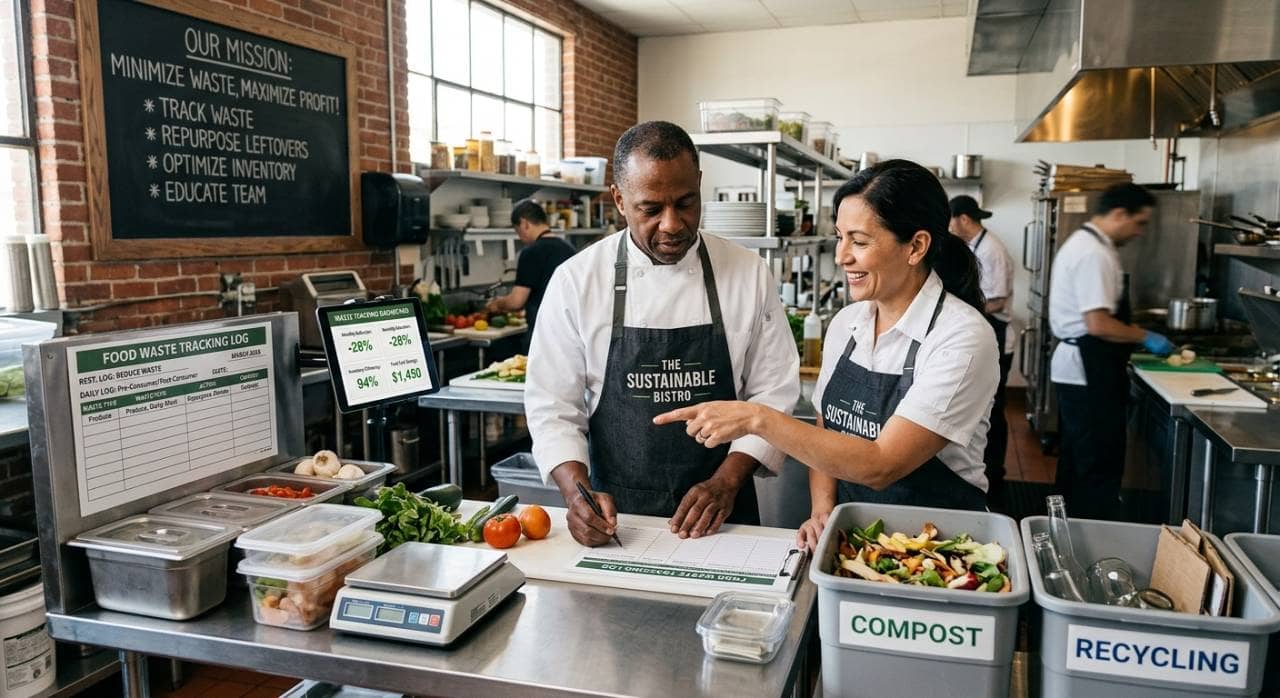
Learn how to reduce food waste in restaurants through smarter purchasing, storage, preparation, and service strategies that cut costs.
Sep 9, 2026
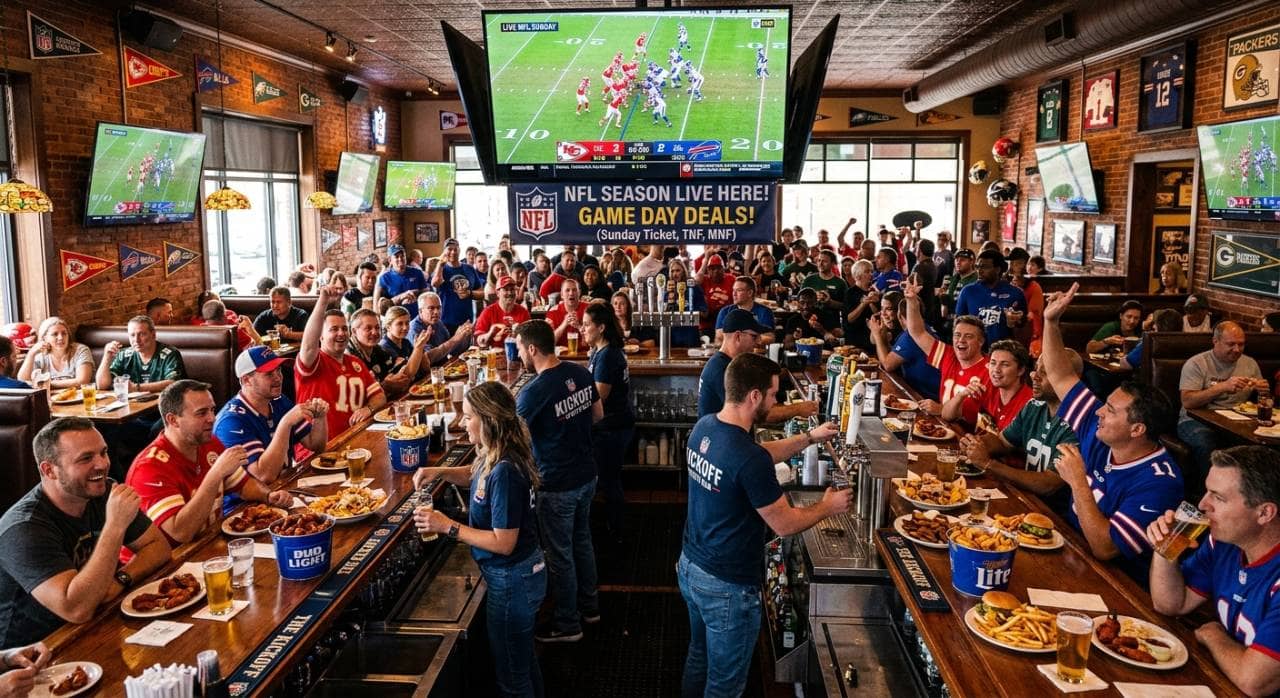
Prepare your restaurant for NFL season with smart menu planning, staffing, marketing, technology, and atmosphere strategies that boost season-long revenue.
Sep 9, 2026
Swig signs franchise agreement for 11 South Denver locations, marking Colorado entry and validating its national expansion strategy.
Sep 8, 2026
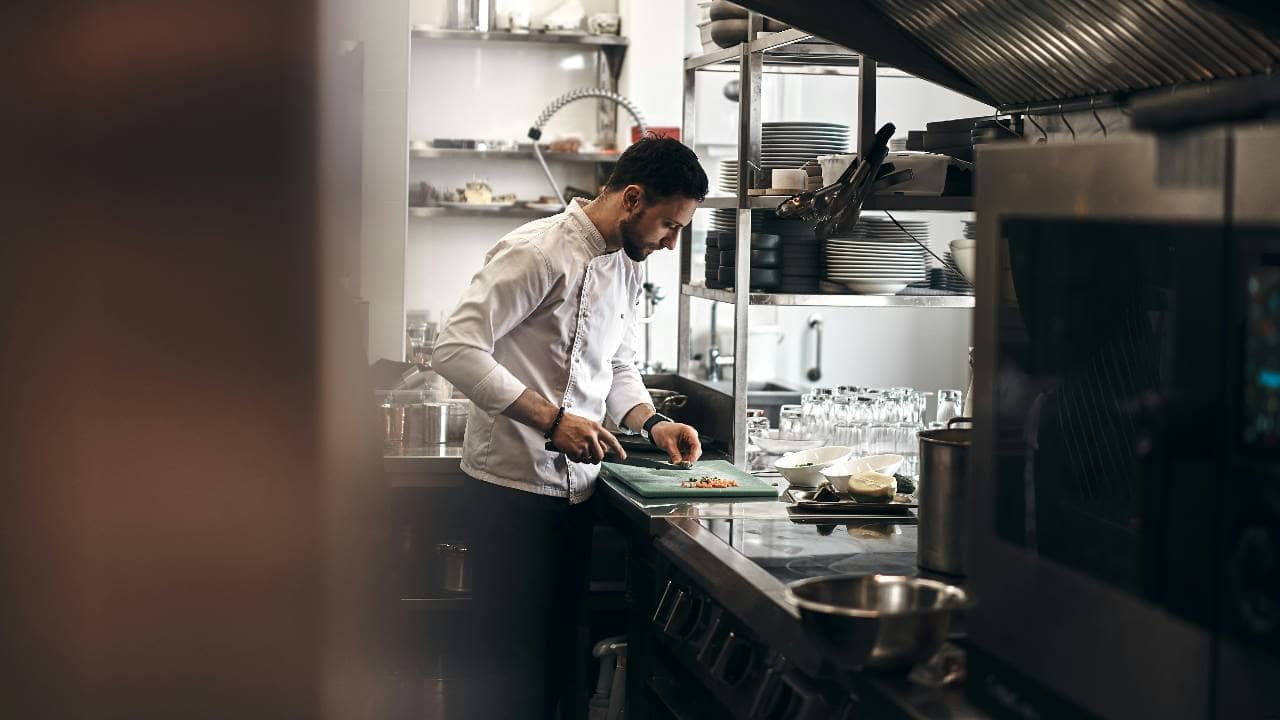
Complete guide helping restaurant owners choose essential kitchen equipment - covering cooking, refrigeration, prep, sanitation, ventilation, safety, and long-term maintenance planning.
Sep 7, 2026
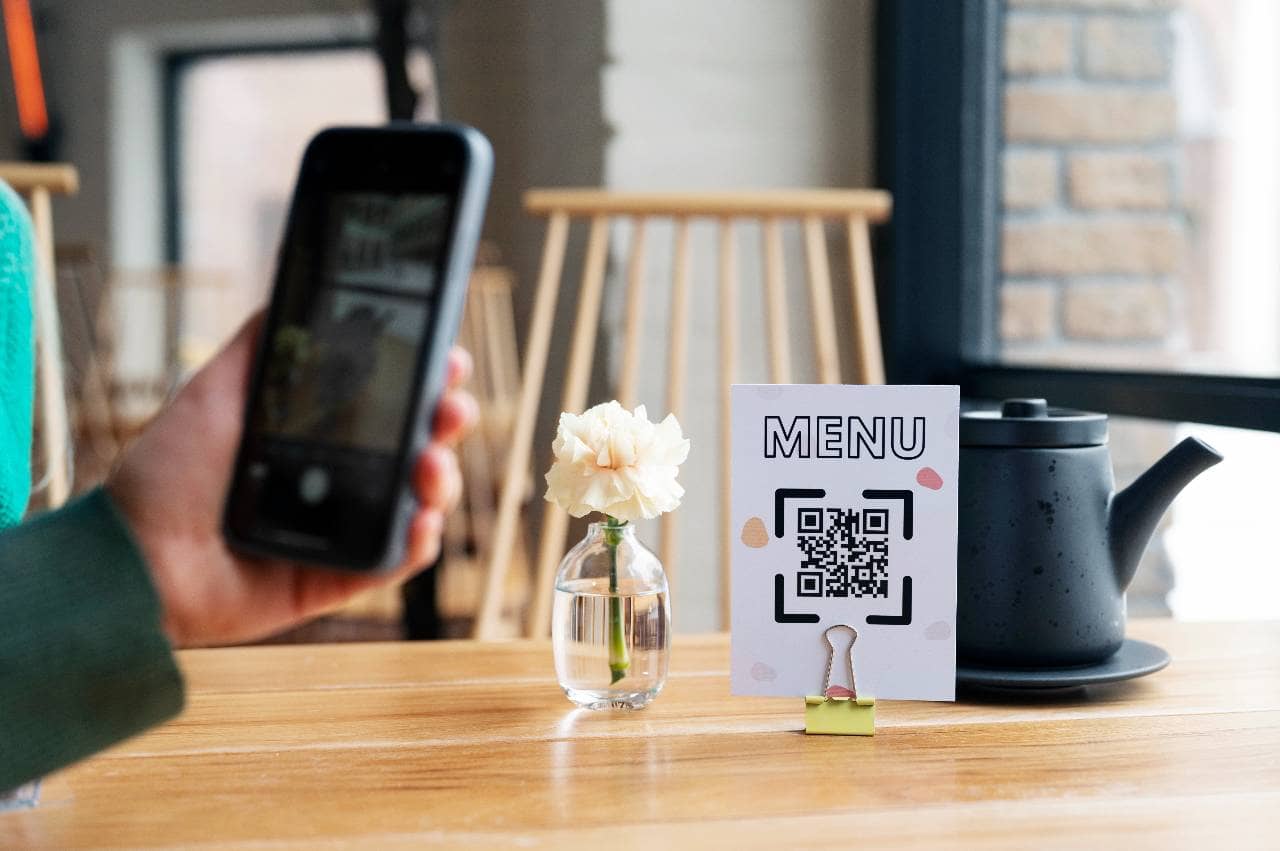
QR code menus let restaurants replace paper menus digitally, enabling instant updates, contactless browsing, ordering, and payment through simple smartphone scanning.
Sep 7, 2026

Avoiding common restaurant payroll mistakes - misclassification, tip credit errors, overtime miscalculations - protects businesses from costly penalties, back pay, and compliance risks.
Sep 4, 2026
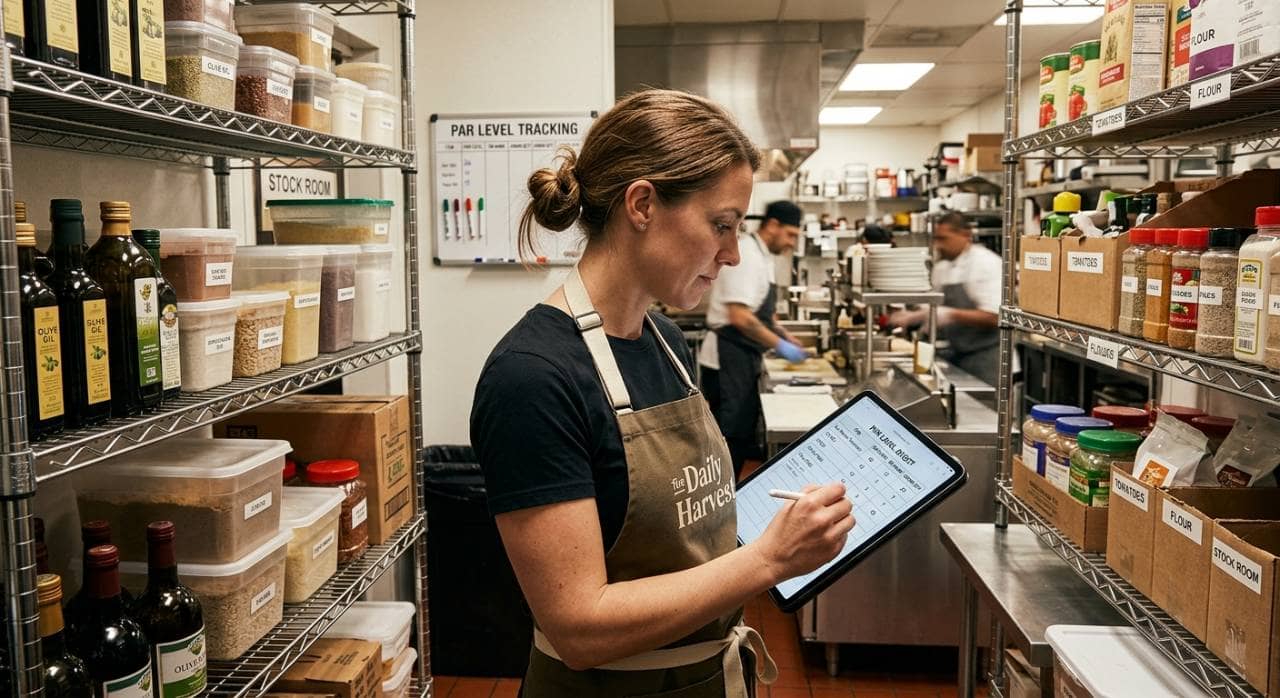
Learn to calculate par levels for restaurant food, beverages, and packaging inventory, preventing stockouts and waste through proper formulas.
Sep 4, 2026
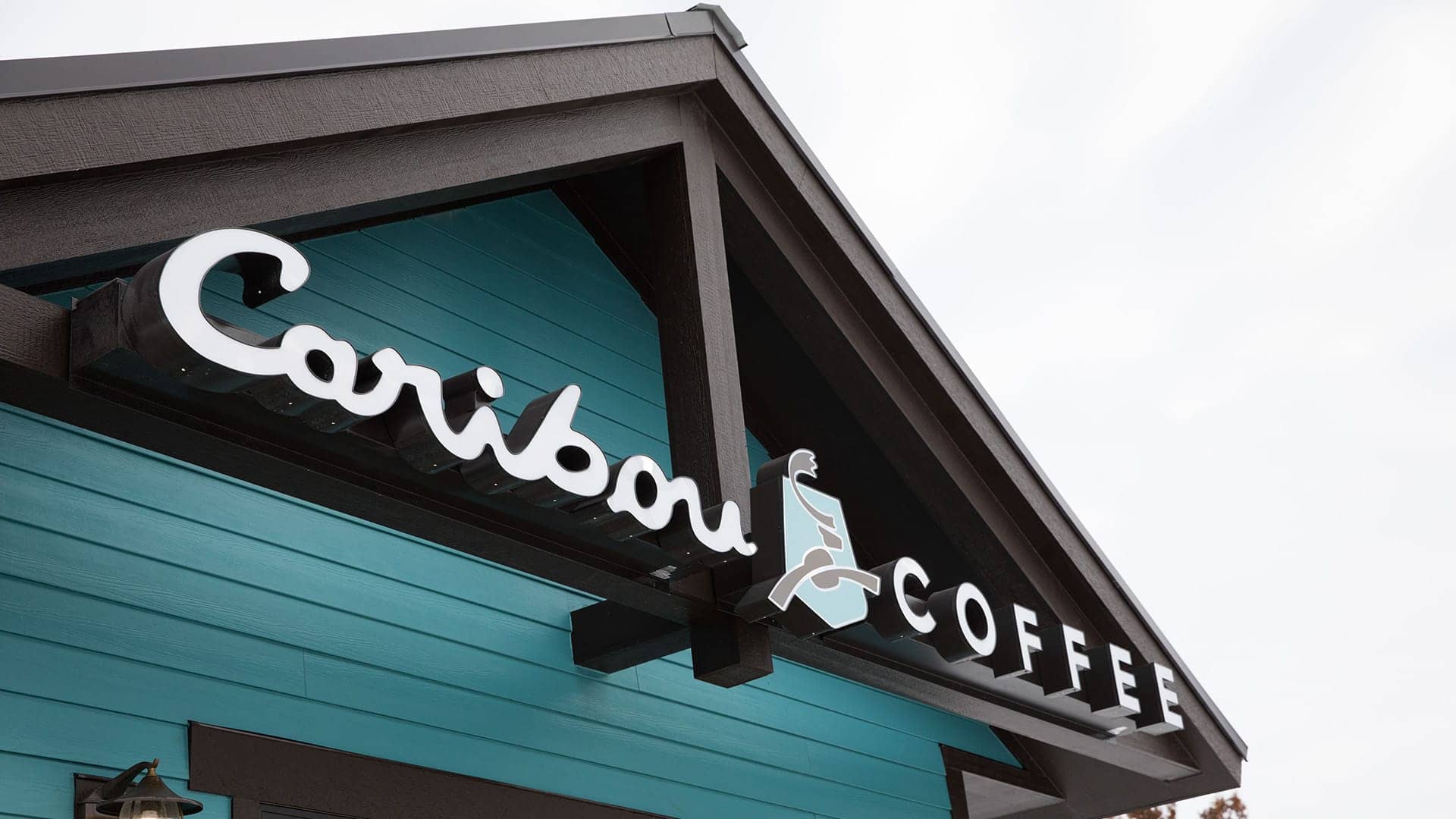
Caribou Coffee appoints Zane Thomas-Rogers as Chief Operations Officer to strengthen execution across its expanding coffeehouse network.
Sep 4, 2026

Unlock Exclusive Access To Webinars, Events, And The Latest News For Free!
A careful look at Starbucks' new CEO Brian Niccol and a landmark pay package, aimed at aligning incentives with performance amid brand revival and digital challenges.

Photo by Robert Bye
Across the corporate air, a quiet sense of change settles like the first warm breath of morning. Starbucks named Brian Niccol to be its next chief executive, with the appointment taking effect on September 9, 2024. The move is presented as a deliberate reset, guided by a leader with a track record of driving traffic and improving operations at Chipotle Mexican Grill and Taco Bell. In boardrooms and on trading screens alike, the transition is framed as essential to reconciling premium branding in a price-conscious market, a shifting union landscape, and a digital backbone that has needed reliability fixes. It’s a moment that invites patient listening and hopeful anticipation, a turning of the page:
Starbucks’ governance materials describe the leadership transition as a step toward turning around the brand and rebuilding trust with workers, customers, and investors. In coverage and investor discussions, the move is seen as a signal that the company intends to translate strategy into a more reliable guest experience, steadier store operations, and a governance model aligned with performance. Industry observers and analysts watch how this leadership shift will deliver tangible results, whether the brand can reclaim momentum while staying true to its premium storytelling and the practical discipline required to run thousands of stores. It’s a test of culture as much as strategy.

Starbucks’ 2025 proxy lays out a tiered, highly performance-oriented compensation plan designed to make whole the value Niccol would forfeit by leaving Chipotle. The signing component is $5,000,000, paid on the one-month anniversary of his start date, while a replacement equity grant targets $75,000,000 to $80,000,000, allocated 60% to PRSUs and 40% to RSUs. The package also includes a base salary of $1,600,000, prorated for 2024, plus an annual incentive target of 225% of base salary (with a prorated amount for 2024) and annual equity incentives targeting $23,000,000 for 2025. The design emphasizes pay-for-performance with long-term awards tied to relative TSR and other metrics.
Viewed in this light, the arrangement acts as a careful make-whole structure intended to mirror the value Niccol forfeited at Chipotle while anchoring long-term incentives to Starbucks’ performance arc. Beyond the headline numbers, the inclusion of a heavy performance component signals that compensation is meant to drive durable outcomes rather than entitlement. The replacement grants are framed as a bridge to align the executive’s interests with investors, while the mix of PRSUs and RSUs points toward a disciplined, multi-year horizon for value creation.

Starbucks’ public materials tie Niccol’s compensation directly to performance, illustrating a broader shift in governance toward outcomes over entitlement. The board describes the replacement equity grants as a mechanism to keep a long-run focus on shareholder value, while market watchers weigh whether the package stacks up against norms for elite leadership. Analysts observe that the balance of cash and equity is designed to support execution, innovation, and talent retention in a high-stakes, globally scaled operation. The framing aims to reassure stakeholders while signaling ambition for a steadier, more predictable trajectory.
Timeline and top-line context are anchored in public filings: an August 2024 announcement, the CEO role and chairmanship effective September 9, 2024, and the board’s ratification of replacement equity as part of a make-whole package. The 2025 proxy then provides a concrete map of base pay, incentive targets, and the structure of long-run grants, outlining how Starbucks intends to tie executive pay to sustained performance. In a period marked by turbulence, this transition aims to steady the course toward profitability, brand revival, and governance clarity.

Niccol’s arrival lands in a broader industry moment that includes ongoing union dynamics and a shifting competitive backdrop for food-service brands. Coverage emphasizes a tension between preserving a premium, experience-led brand and meeting value-conscious consumer expectations, while labor pressures challenge costs and scheduling. At Starbucks, observers watch how this balance unfolds in real time: can the flagship coffeehouse preserve its aspirational identity while offering a more accessible economics? The digital layer, the app and ordering system, also draws attention, since reliability and speed are central to today’s customer expectations.
Observers note that a broader industry debate on executive compensation is intertwined with worker welfare and wage scrutiny. For Starbucks, the dual challenge remains: restore traffic and brand prestige while navigating labor deals and upgrading a digital backbone to stay aligned with evolving consumer behavior. The outcome will largely depend on how governance translates sophisticated plans into everyday service, ensuring that ambition meets the reality of thousands of stores.

Niccol’s arrival is framed as a turning, rather than a pause, toward a more disciplined, performance-driven growth path anchored by a substantial make-whole replacement equity grant and governance designed to tie rewards to long-term shareholder value. The phrase Back to Starbucks echoes a broader push to revive momentum from brand storytelling to partner engagement. The real test will be translating a bold blueprint into consistent execution across thousands of stores, all while navigating evolving labor dynamics and a digital platform that still requires refinement. It’s a moment to measure not just ambition but a practical route to reliability.
As the new era unfolds, the true measure may be governance and incentives translating into everyday service, steady traffic, and the warmth customers return for, the cozy heartbeat of the café made resolute by disciplined leadership and steady hands.
