California Penalizes Dickey's for Franchise Disclosure Violations
California shifts to public enforcement strategy against Dickey's for deceptive franchise disclosures, signaling stricter state-level franchise oversight.
Franchising
Sep 10, 2026
California shifts to public enforcement strategy against Dickey's for deceptive franchise disclosures, signaling stricter state-level franchise oversight.
Sep 10, 2026
Paul Brown temporarily steps away from Inspire Brands as Scott Murphy assumes interim CEO role during confidential IPO filing process targeting late 2026.
Sep 10, 2026
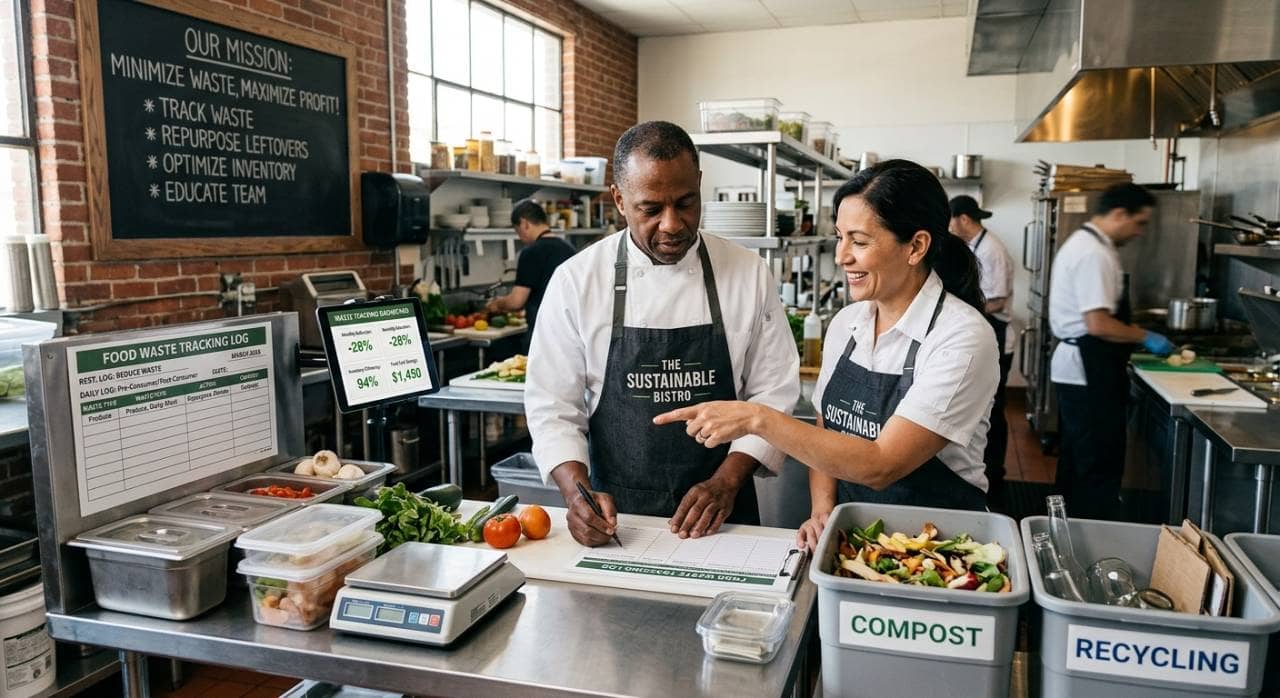
Learn how to reduce food waste in restaurants through smarter purchasing, storage, preparation, and service strategies that cut costs.
Sep 9, 2026
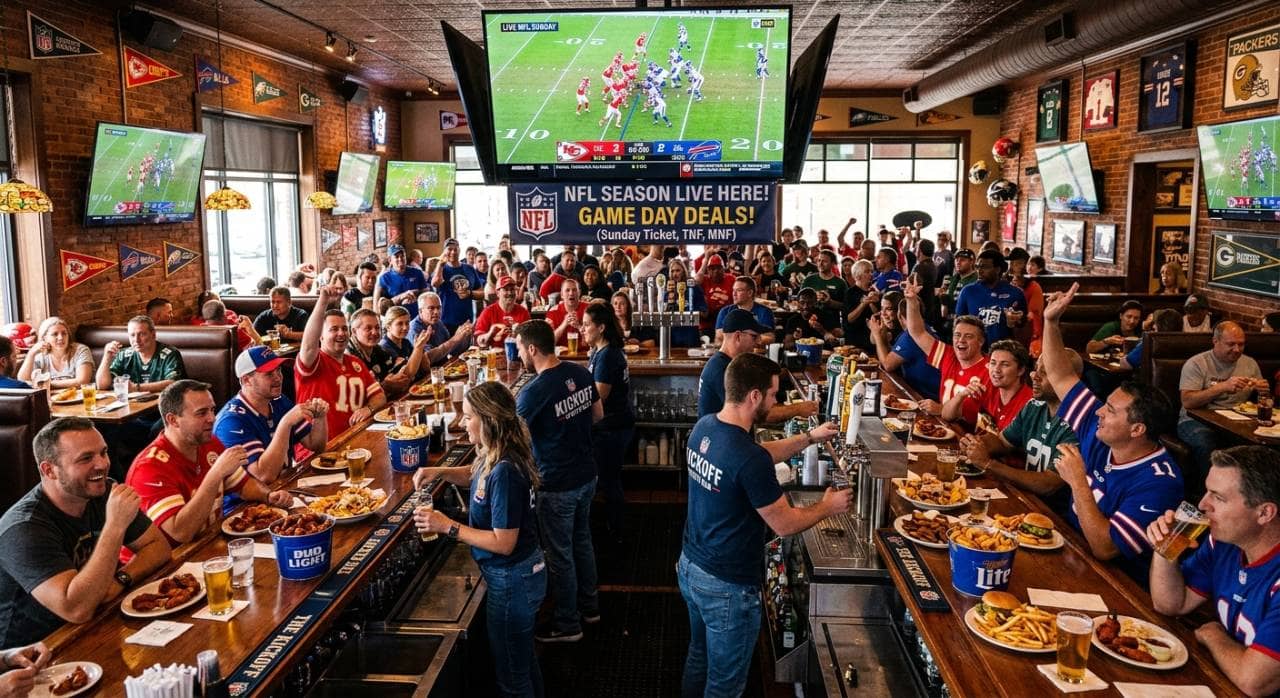
Prepare your restaurant for NFL season with smart menu planning, staffing, marketing, technology, and atmosphere strategies that boost season-long revenue.
Sep 9, 2026
Swig signs franchise agreement for 11 South Denver locations, marking Colorado entry and validating its national expansion strategy.
Sep 8, 2026
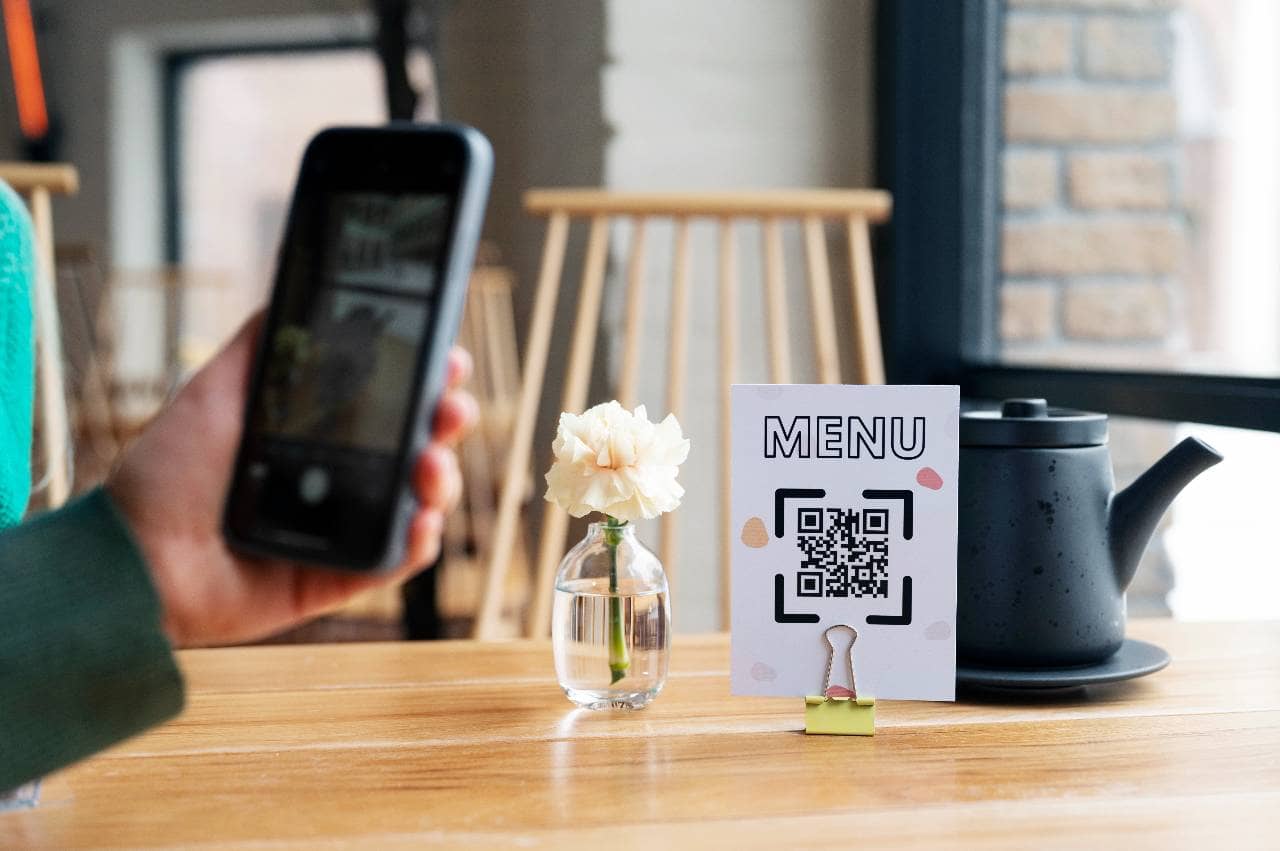
QR code menus let restaurants replace paper menus digitally, enabling instant updates, contactless browsing, ordering, and payment through simple smartphone scanning.
Sep 7, 2026
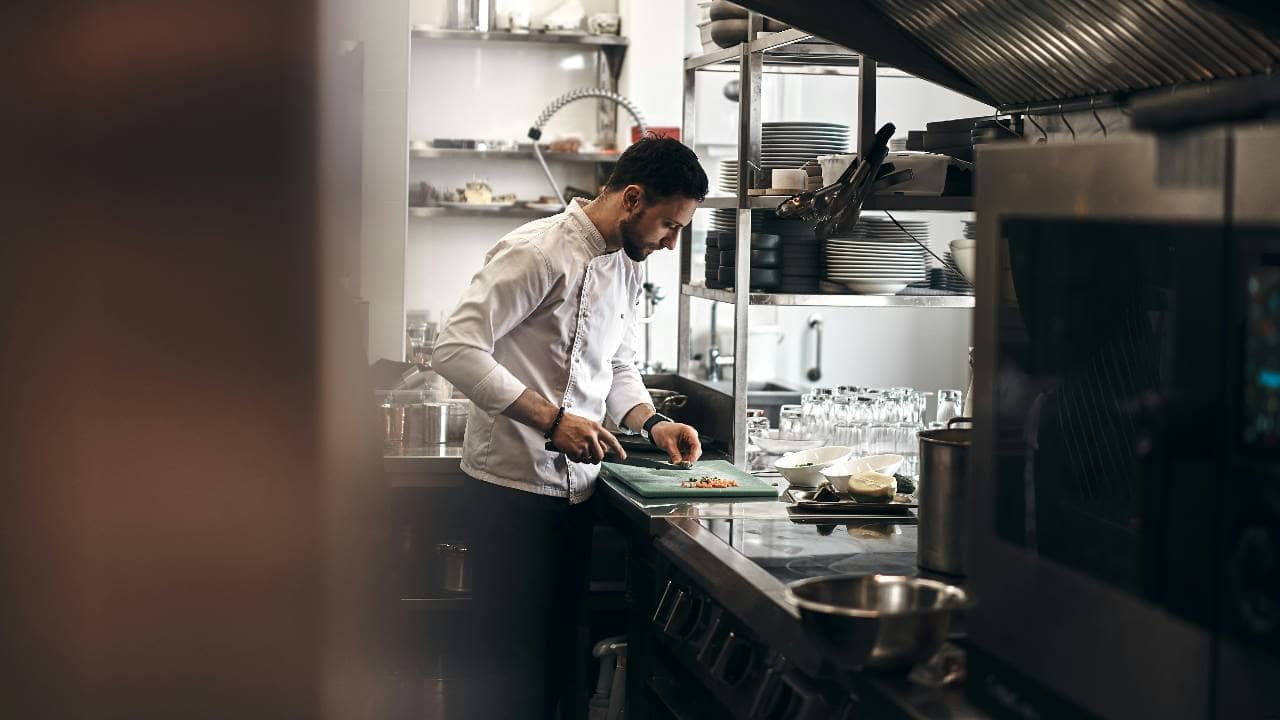
Complete guide helping restaurant owners choose essential kitchen equipment - covering cooking, refrigeration, prep, sanitation, ventilation, safety, and long-term maintenance planning.
Sep 7, 2026

Avoiding common restaurant payroll mistakes - misclassification, tip credit errors, overtime miscalculations - protects businesses from costly penalties, back pay, and compliance risks.
Sep 4, 2026
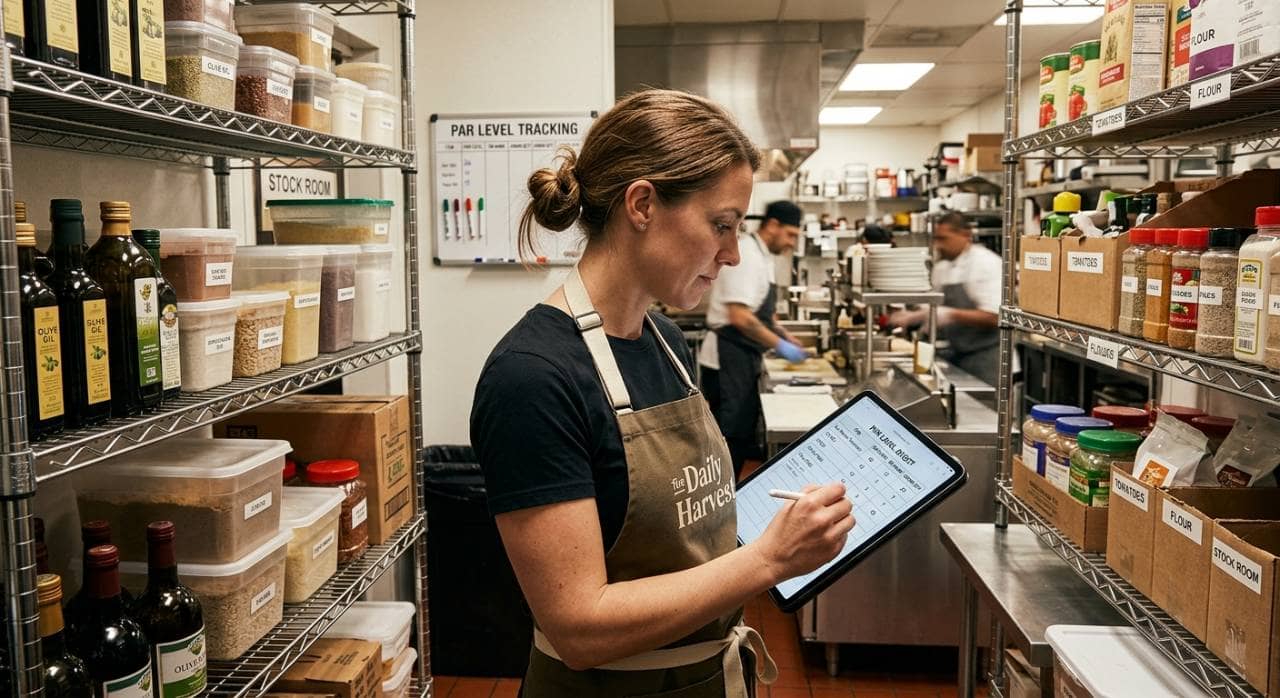
Learn to calculate par levels for restaurant food, beverages, and packaging inventory, preventing stockouts and waste through proper formulas.
Sep 4, 2026
Caribou Coffee appoints Zane Thomas-Rogers as Chief Operations Officer to strengthen execution across its expanding coffeehouse network.
Sep 4, 2026

Unlock Exclusive Access To Webinars, Events, And The Latest News For Free!
Brian Niccol launches a four-point turnaround to restore Starbucks' welcoming coffeehouse feel, speed, and storytelling.

Photo by Hieu Tran
Brian Niccol has begun his first week as CEO of Starbucks, stepping into a moment when momentum has slipped and the brand's rhythm wobbles. He addressed customers, employees, and investors in an open letter that lays bare a blunt truth: the company has drifted from its core identity as a welcoming coffeehouse. The message is plain, and it's a signal of intent. While many customers still feel the chain's signature magic daily, the experience in too many U.S. locations has started to feel transactional, with menus that overwhelm, products that deviate, and waits that drag on. Niccol is here to reanchor the brand, fast.
Niccol inherits a company that has endured leadership churn since 2022 and has just weathered two quarters of weaker sales and traffic in its two largest markets. His background from Chipotle is cited as a credible marker for turning scale and service discipline into real, repeatable results. “Bloomberg described the appointment as a pivotal leadership change,” and the early outreach aims to build credibility with customers and managers alike. The first days are about setting expectations, not slogans: a turnaround that is outward-facing and grounded in front-line action across thousands of stores.
Four-point plan centers on four pillars: empowering baristas with the best tools and decision rights; meeting customer expectations on quality and service; elevating in-store experience to recapture the welcoming atmosphere; and refining brand storytelling to sharpen the public narrative. Each pillar targets gaps from front-line execution to the story told outside the four walls. “These moments are opportunities for us to do better,” Niccol says, framing a customer-first cadence for the months ahead.
- Empowering partners – invest in people and processes, not just equipment, to build long-term loyalty.
- Quality and service discipline – streamline menus, improve consistency, and reduce waits.
- Welcoming store environment – recapture the cafe as a community hub with speed and warmth.
- Brand storytelling clarity – ensure actions align with messages, both in-store and publicly.
These steps become measurable targets tied to customer experience metrics and service timing.
Niccol's onboarding package drew strong attention as a clear signal that Starbucks is serious about a rapid, high-impact turnaround. The package is reported around $85 million in value, designed to secure a leader capable of executing changes across thousands of stores. Axios summarized the components, detailing a base salary of $1.6 million per year, a $10 million sign-on bonus, and a one-time equity replacement grant estimated at $75–$80 million, among other awards. The emphasis on equity-based compensation signals the bid to align leadership with long-term performance.
Beyond the money, early signals matter: investors and analysts are watching for a tangible cadence that translates plan talk into day-to-day store performance. Coverage noted that the market will judge on the speed of service, order accuracy, and the alignment of field leadership with the new strategy. In the weeks ahead, the company will need to show store-level discipline, a clearer brand voice, and a measurable lift in traffic as a result. The first 100 days are framed as a critical period to prove that the backers' confidence is earned, not promised.

Beyond the United States, Niccol has signaled a global lens for Starbucks’ turnaround. China is a priority market where momentum had slowed, and renewed emphasis on store experience, service quality, and product relevance could help regain growth. The global view also respects local contexts, notably in the Middle East, where brand perception intersects with regional realities. Starbucks frames its global plan as a balance between speed, modernization, and cultural nuance, aiming to keep the cafe as a community hub even as formats and seating capacity evolve.
Investor-day presentations in 2026 highlighted modernization: newer store formats, retrofitting, and faster espresso production. AP coverage noted Starbucks intends to open hundreds of new U.S. stores and add seating to thousands of existing locations, signaling a broader footprint refresh. Niccol’s leadership is framed as a vehicle to deliver near-term improvements and longer-term returns for shareholders, with a global push that ties operational discipline to a clearer, more inviting customer experience.
If Niccol’s blueprint translates into tangible improvements in store atmosphere, service speed, and brand storytelling, Starbucks could reestablish its role as a community coffeehouse rather than a transactional pit stop. Early signals from investor-day coverage suggest a willingness to accelerate modernization, new store formats, retrofitting programs, and faster espresso production, while preserving the core social appeal that has drawn customers for decades. The broader industry will watch how the company balances scale with human connection at the point of sale.
The test, in the end, is whether the magic Niccol seeks to revive becomes a consistent, observable reality in daily store visits and digital interactions. If execution catches up to rhetoric, the reset could ripple through the industry, shaping staffing models, menu philosophy, and the pace of modernization, without sacrificing the human connection that defines Starbucks at its best.