
California Penalizes Dickey's for Franchise Disclosure Violations
California shifts to public enforcement strategy against Dickey's for deceptive franchise disclosures, signaling stricter state-level franchise oversight.
Franchising
Sep 10, 2026
California shifts to public enforcement strategy against Dickey's for deceptive franchise disclosures, signaling stricter state-level franchise oversight.
Sep 10, 2026
Paul Brown temporarily steps away from Inspire Brands as Scott Murphy assumes interim CEO role during confidential IPO filing process targeting late 2026.
Sep 10, 2026
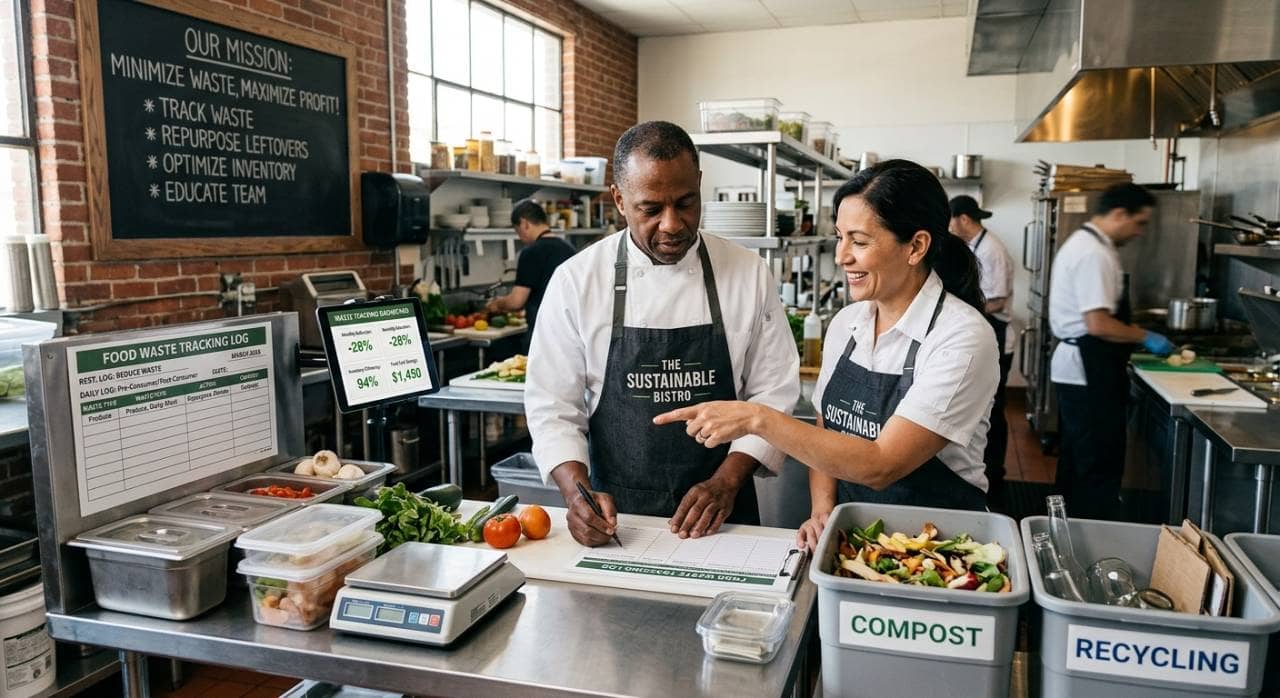
Learn how to reduce food waste in restaurants through smarter purchasing, storage, preparation, and service strategies that cut costs.
Sep 9, 2026
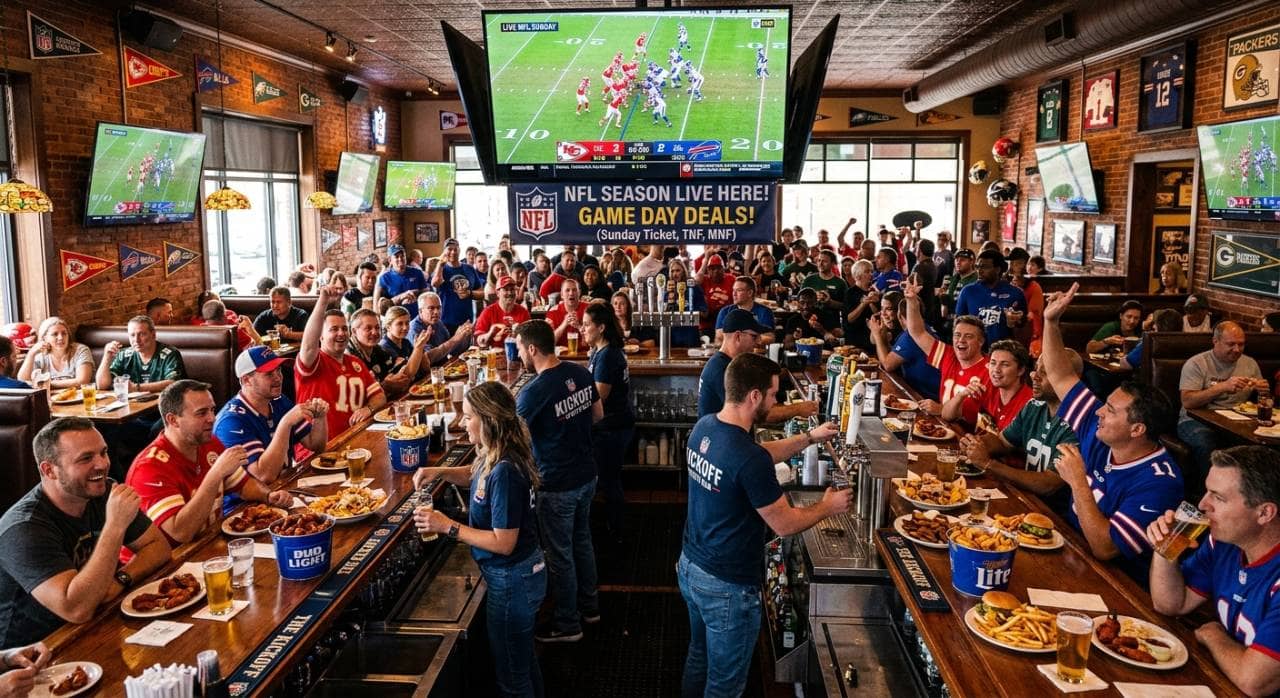
Prepare your restaurant for NFL season with smart menu planning, staffing, marketing, technology, and atmosphere strategies that boost season-long revenue.
Sep 9, 2026
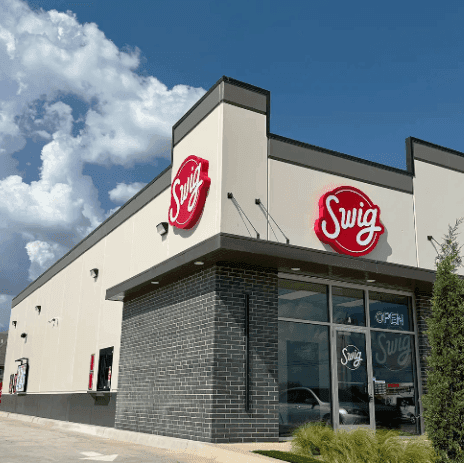
Swig signs franchise agreement for 11 South Denver locations, marking Colorado entry and validating its national expansion strategy.
Sep 8, 2026
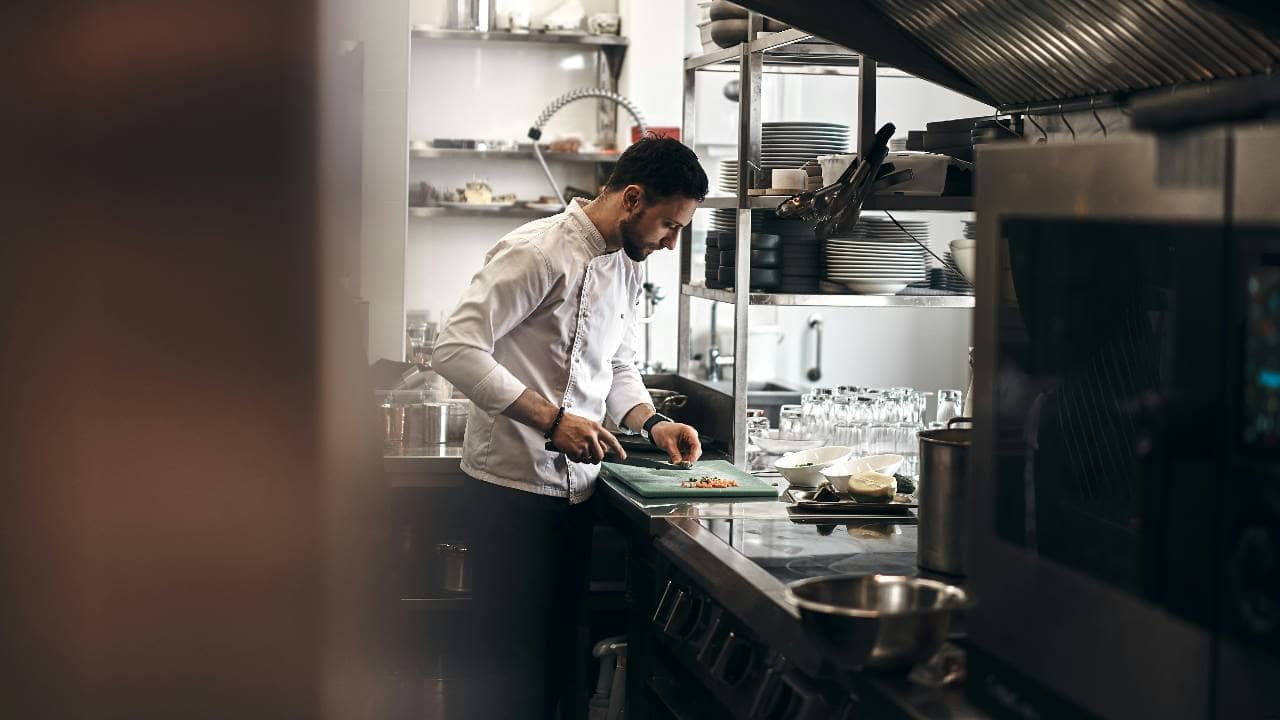
Complete guide helping restaurant owners choose essential kitchen equipment - covering cooking, refrigeration, prep, sanitation, ventilation, safety, and long-term maintenance planning.
Sep 7, 2026
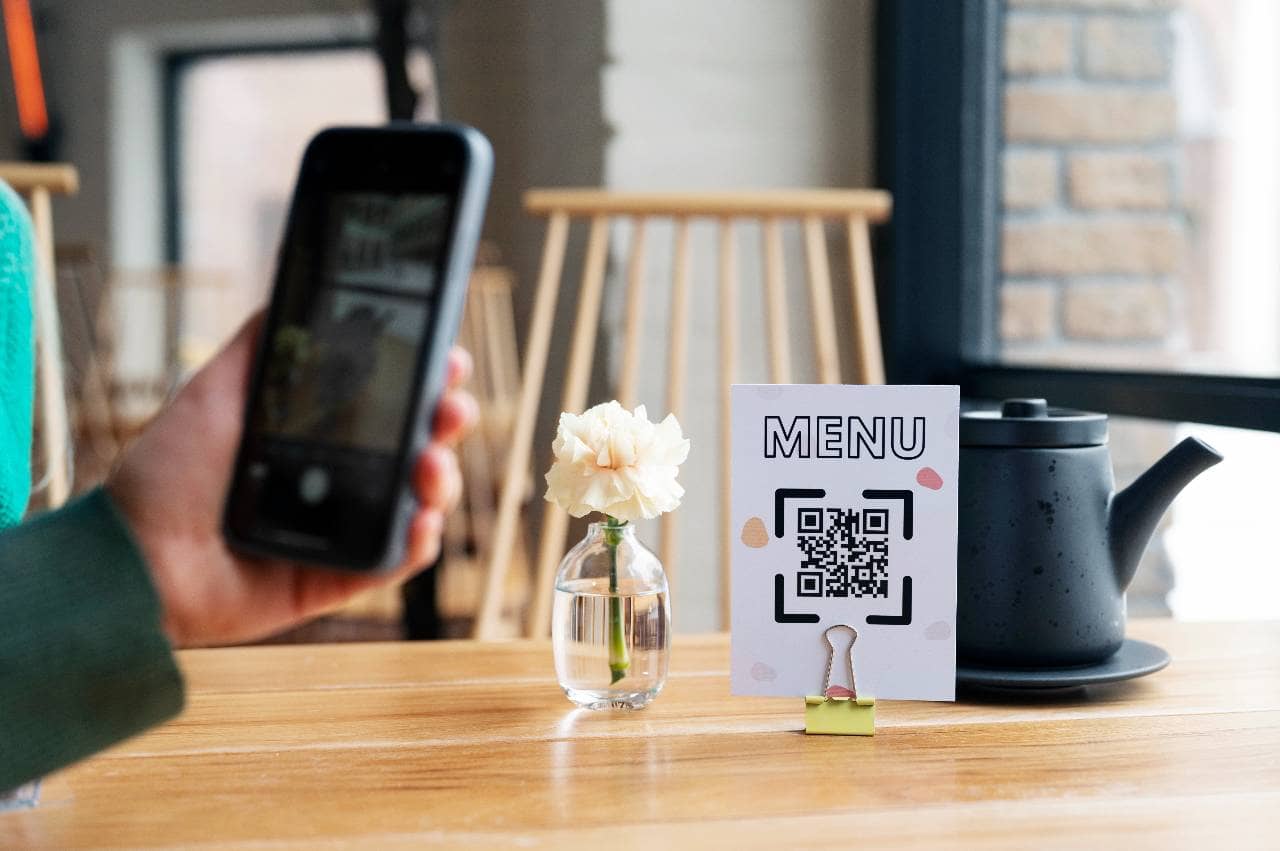
QR code menus let restaurants replace paper menus digitally, enabling instant updates, contactless browsing, ordering, and payment through simple smartphone scanning.
Sep 7, 2026

Avoiding common restaurant payroll mistakes - misclassification, tip credit errors, overtime miscalculations - protects businesses from costly penalties, back pay, and compliance risks.
Sep 4, 2026
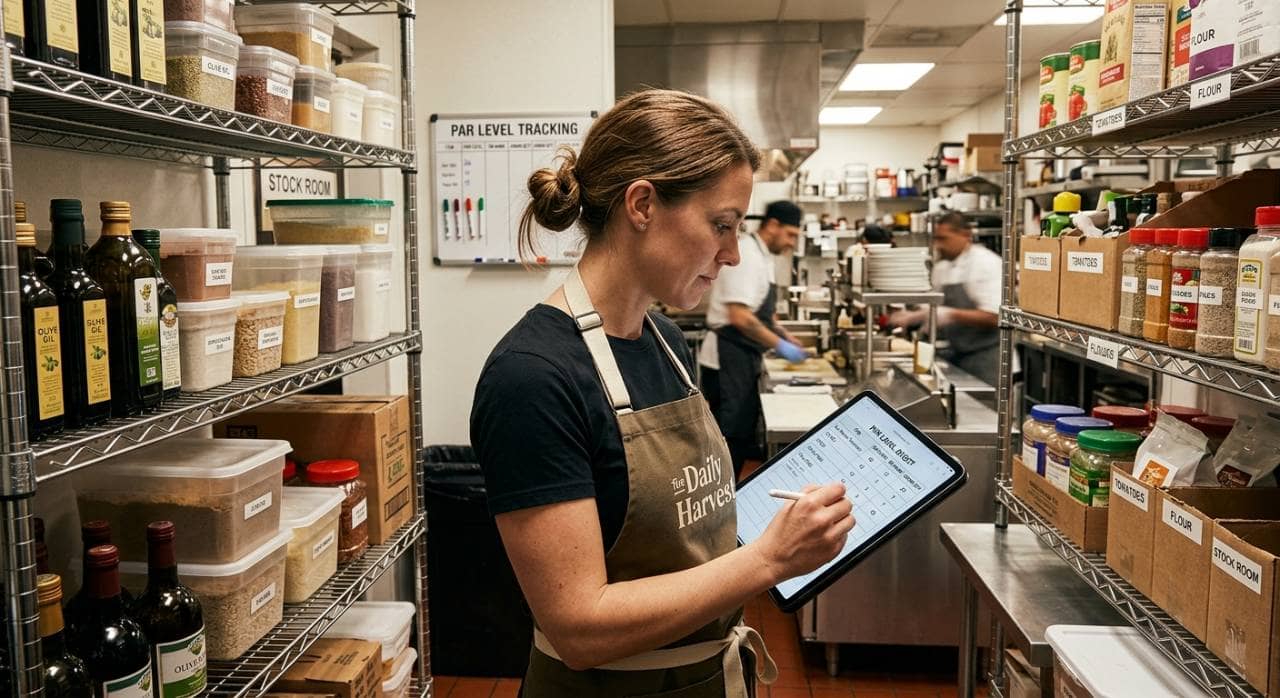
Learn to calculate par levels for restaurant food, beverages, and packaging inventory, preventing stockouts and waste through proper formulas.
Sep 4, 2026
Caribou Coffee appoints Zane Thomas-Rogers as Chief Operations Officer to strengthen execution across its expanding coffeehouse network.
Sep 4, 2026

Unlock Exclusive Access To Webinars, Events, And The Latest News For Free!
A regional bagel tale from Oklahoma City: authentic New York techniques, a measured franchising plan, and a neighborhood‑driven growth story.

Photo by Claudio Schwarz
Old School Bagel Café didn’t arrive with a gimmick. It grew from a clear market gap left when New York Bagel faced bankruptcy and change in 2000. Danny Cowan spent two decades with the New York Bagel chain, managing two franchises in Denver and mastering a 60-second boil before baking. That precision, water-boiled, crisp exterior, soft center, defined a New York–style bagel that Middle America rarely saw at the time. When that brand faltered, Cowan asked a simple question: could a Heartland town taste that authenticity? He left his career as a sales rep and realtor, joined forces with his childhood friend Wayne Hansen, and later with Kyle Tapp to chase a regional dream in Oklahoma City. The stakes were modest, but the vision wasn’t.
As the idea matured, the team found its footing. When [the founders] came back home to Oklahoma, there weren’t any New York–style bagel shops in the region, and the community kept asking for one. said Joey Conerly. The moment crystallized a simple mission: bring authentic technique and a neighborly vibe to a market that deserved it, setting the table for a regional concept built to scale without losing its sense of place.
Old School Bagel Café differentiated itself by chasing both breakfast and lunch, a move that widened daypart appeal. The morning rush is fed by classic sandwiches and specialty coffees, while lunch draws center on signature bagel sandwiches like the Old Smokey, the Cuban, and the Turkey Avocado. Build-your-own options with customizable meats, cheeses, and vegetables, offered hot or cold, give guests real choice. As Joey Conerly says, Everyone thinks of bagels and cream cheese, but when we throw pulled pork and Swiss on a bagel, it throws everybody for a loop. That flavor-forward approach, plus a drive-thru that often saw breakfast and lunch in one visit, underscored a cross-daypart appeal. The team also layered in delivery, a dedicated app, and catering to reach customers where they live.
The menu evolution didn’t stop there. Across the years, the brand modernized operations and widened channels to meet guests on their terms. Delivery partnerships, a mobile ordering app, and catering became a structured, multi-channel growth engine that complemented the café’s hands-on service ethos. The result was a familiar hospitality vibe, now with the efficiency and reach of a modern franchise-friendly model.

Half of Old School Bagel Café’s sales originate from the afternoon crowd, and lunch revenues have surpassed breakfast for years. Over seventeen years, the brand has inch-by-inch expanded delivery, the app, and catering services. The past year proved pivotal: corporate units doubled from seven to fifteen, and same-store sales rose 39 percent since 2019. A loyalty program launched in November 2023 has helped monitor engagement, yielding more than 50,000 member accounts. A comprehensive brand refresh modernized operations: upgraded equipment, unified technology across stores, and consistent POS, menus, and pricing. We’ve always been ahead of the game. We launched on Uber Eats way before the pandemic, and we invested heavily in our existing stores before starting down a large growth path. We’ve done three remodels, including our original location. Conerly notes.
That momentum also triggered a formal brand refresh: upgraded equipment, unified technology, and standardized menus and pricing across all stores. The result is a cohesive customer experience, even as the network remains distributed. It’s a small but vital step toward reliable growth.
Franchise Strategy Takes Shape is a blunt, hopeful phrase for what’s next. In late April, after a patient 15-month run that saw eight new stores open, Old School Bagel unveiled a structured program steered by Joey Conerly and his decade of franchising know‑how. The model was sharpened around site selection, unit layout, branding, store design, preferred vendors, and equipment packages. They tested drive-thru formats, standalone shops, inline configurations, and spaces that didn’t fit the classic box. The mission is clear: recruit passionate operators who want to be part of a community, not just a business. Old School Bagel needs engaged owner-operators. I’ve seen the good, the bad, and the ugly in franchising, and I don’t want that for us. We want to be a support structure for people who want to grow the concept and be connected to the operation.
Expansion priorities were mapped to markets within a practical drive from Oklahoma City, Texas, Kansas, Missouri, and Arkansas, so the team can provide hands-on support and maintain supply chain discipline. The plan also reserves select corporate stores with a proven track record for franchise transfer, accelerating network growth while keeping oversight tight. In short, the franchise program is designed to scale with care, not at the expense of culture or control.

Old School Bagel’s path unfolds inside a broader industry moment marked by consolidation and transformation. The early-2000s shakeup, including the bankruptcy and reorganization of several bagel brands, reshaped who could grow and how. The Journal Record reported that New York Bagel Enterprises filed for Chapter 11 bankruptcy in February 2000, with liquidation plans and worldwide asset considerations. In the wake, players pursued combinations and new ownership structures, while larger brands like Einstein Bros. Bagels navigated their own restructurings. That backdrop helps explain why a regional, community‑driven concept like Old School Bagel Café can feel both fresh and resilient.
The footprint in Oklahoma City and nearby markets remains mixed. TravelOK lists the OKC site at 10946 N May Ave as part of the brand’s regional presence, while Norman hosts multiple sites and some older units, like a former 2747 S I-35 Service Rd location noted as closed. The map shows a network still evolving to demand, with lease terms, unit economics shaping growth. Those signals matter if the network is to stay cohesive as it grows.
The Old School Bagel story offers a practical playbook: turn craft into a regional franchise with disciplined operations, a customer‑centered culture, and a measured growth path. By leaning into authentic New York techniques, a clear daypart strategy, and a modern tech backbone, the chain aims to deliver consistency across markets while preserving the community vibe that sparked its momentum. The mix of founder experience, early delivery adoption, and a structured franchising plan creates a credible EEAT narrative, experience, expertise, authority, and trust, without pretending there’s no friction. Yet gaps exist: footprint variability and the ongoing need to keep a unified brand as the network expands.
For the broader restaurant industry, the takeaway is approachable: regional authenticity, backed by data, oversight, and community ties, can outpace blunt mass expansion when paired with disciplined franchising and continuous improvement. Old School Bagel’s story isn’t just about bagels; it’s about turning a craft into a scalable, community‑rooted movement that still tastes like home.
