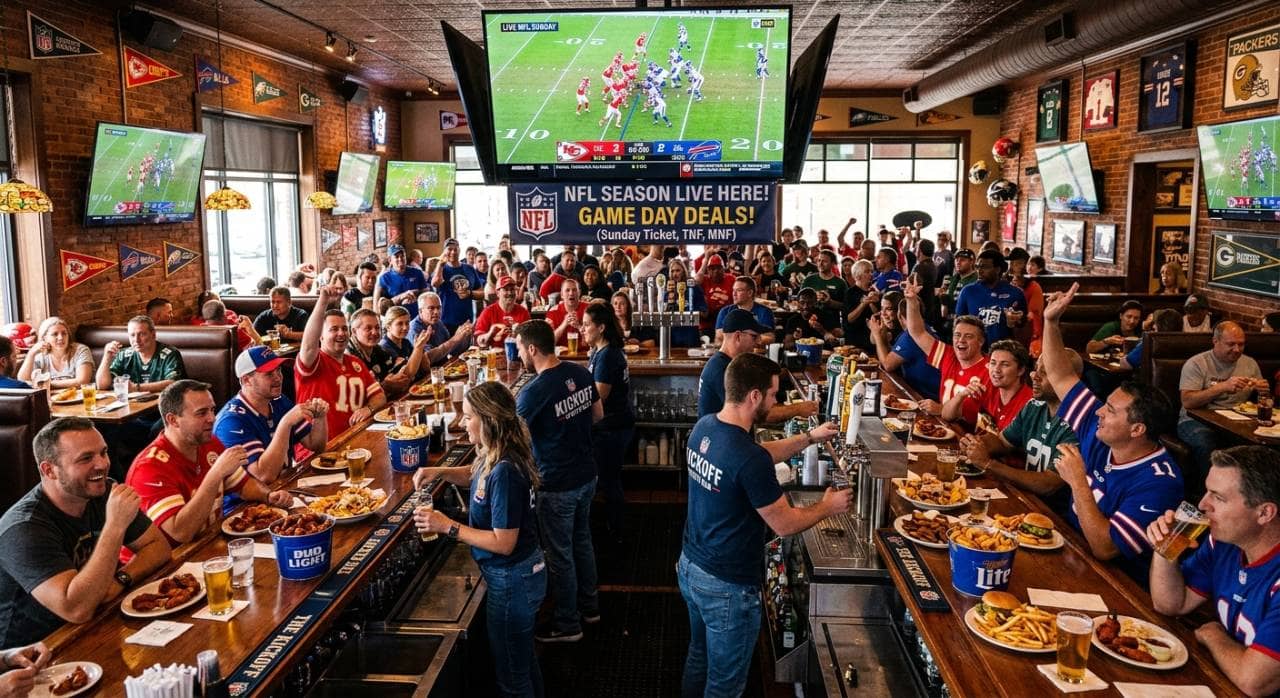
How to Prepare Your Restaurant for the NFL Season
Prepare your restaurant for NFL season with smart menu planning, staffing, marketing, technology, and atmosphere strategies that boost season-long revenue.
Marketing
Sep 9, 2026
Prepare your restaurant for NFL season with smart menu planning, staffing, marketing, technology, and atmosphere strategies that boost season-long revenue.
Sep 9, 2026
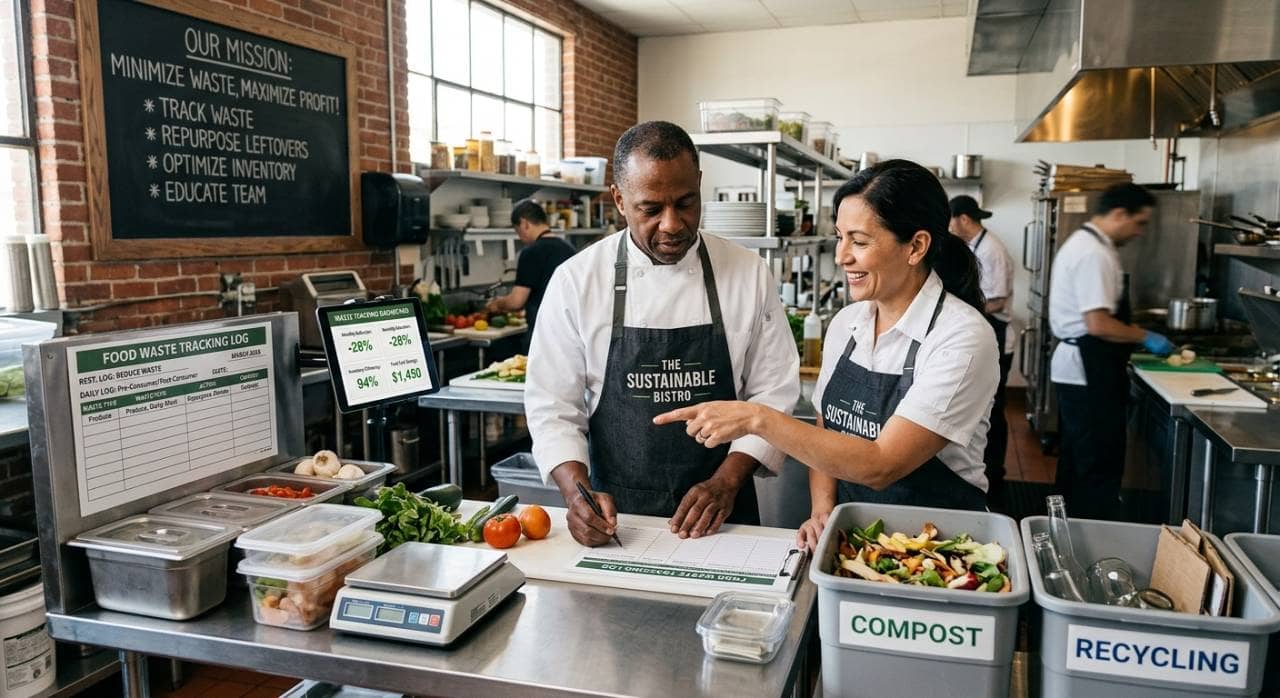
Learn how to reduce food waste in restaurants through smarter purchasing, storage, preparation, and service strategies that cut costs.
Sep 9, 2026
Swig signs franchise agreement for 11 South Denver locations, marking Colorado entry and validating its national expansion strategy.
Sep 8, 2026
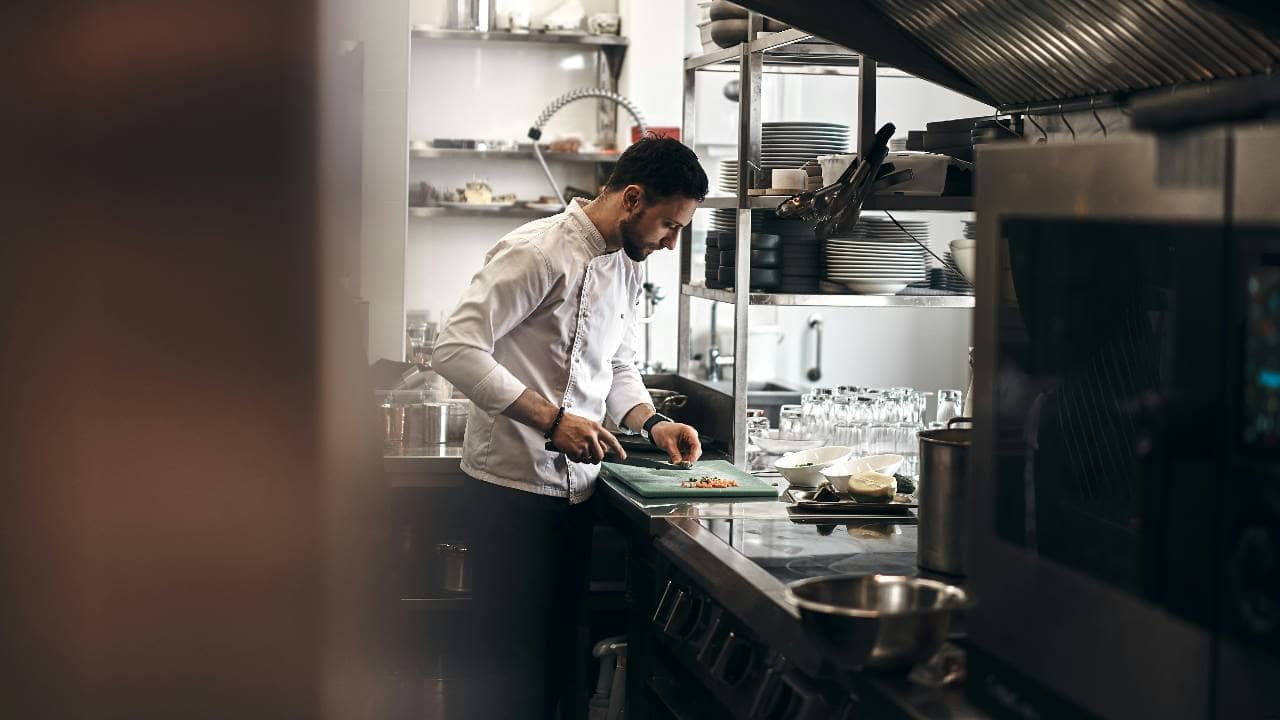
Complete guide helping restaurant owners choose essential kitchen equipment - covering cooking, refrigeration, prep, sanitation, ventilation, safety, and long-term maintenance planning.
Sep 7, 2026
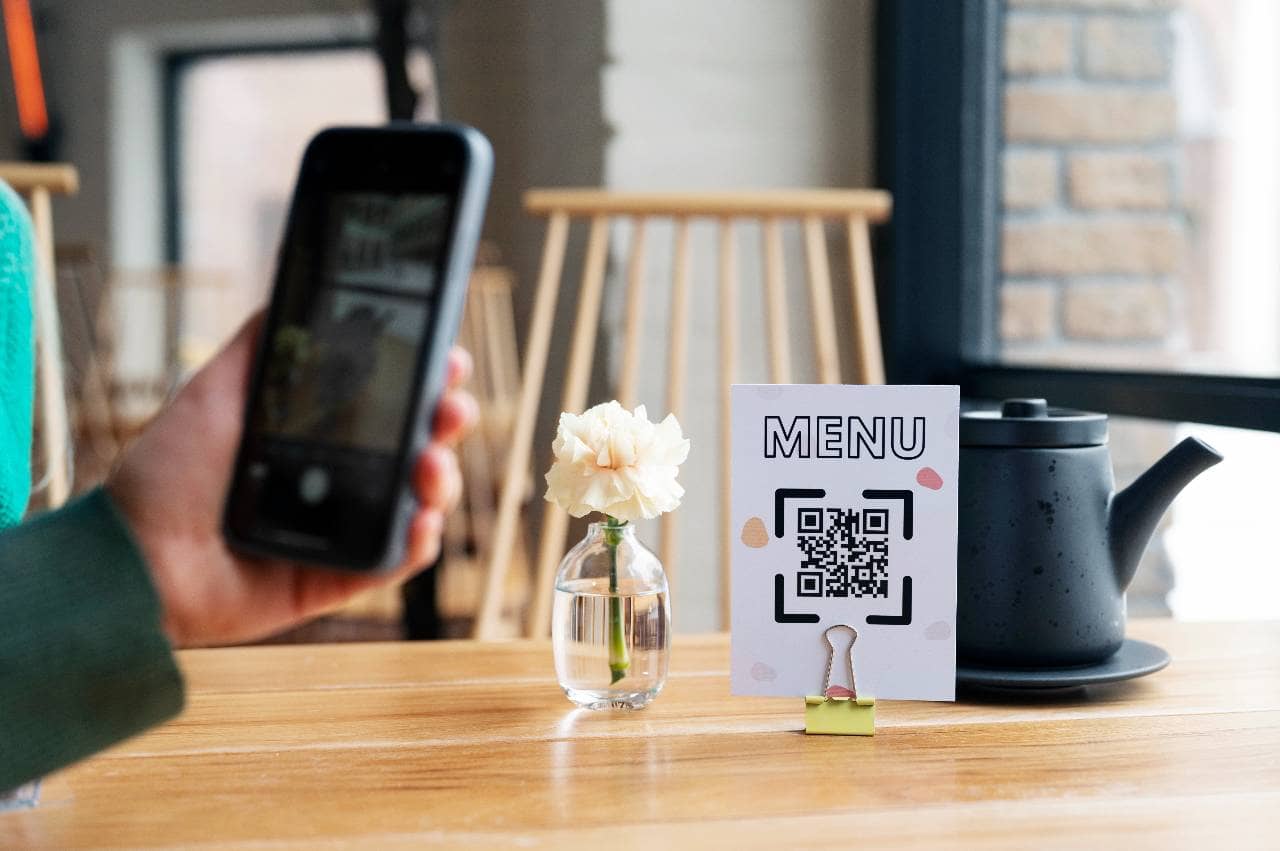
QR code menus let restaurants replace paper menus digitally, enabling instant updates, contactless browsing, ordering, and payment through simple smartphone scanning.
Sep 7, 2026

Avoiding common restaurant payroll mistakes - misclassification, tip credit errors, overtime miscalculations - protects businesses from costly penalties, back pay, and compliance risks.
Sep 4, 2026
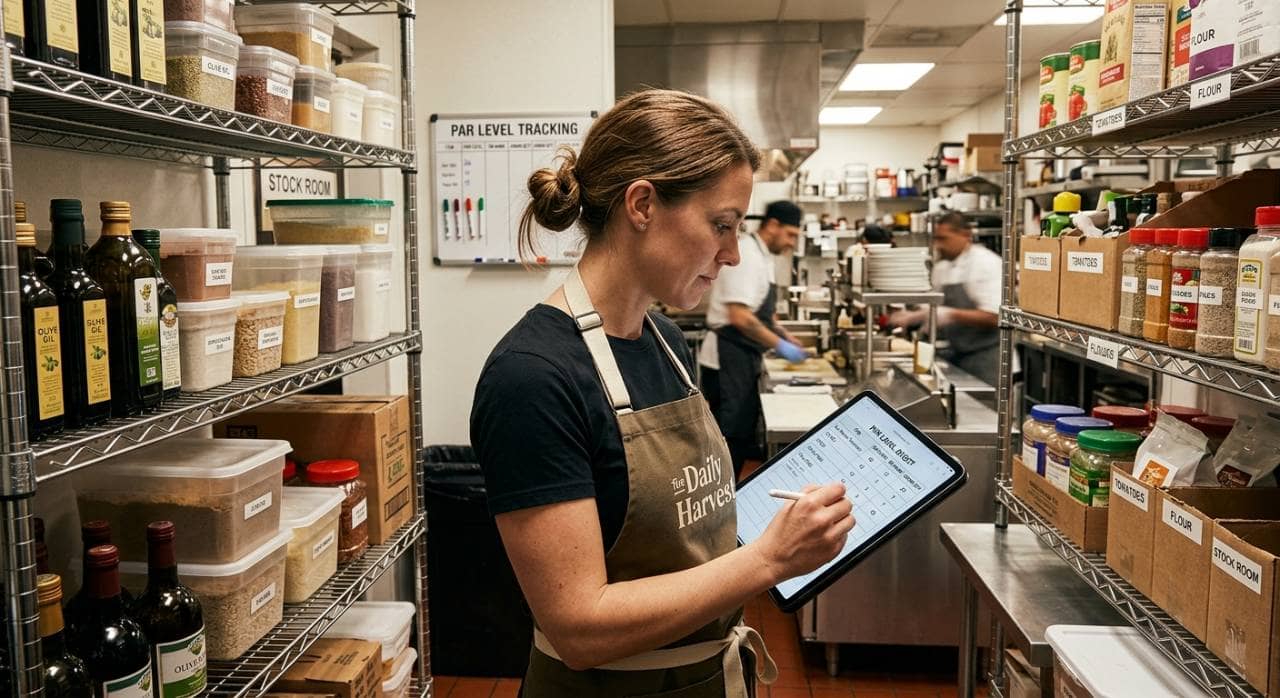
Learn to calculate par levels for restaurant food, beverages, and packaging inventory, preventing stockouts and waste through proper formulas.
Sep 4, 2026
Caribou Coffee appoints Zane Thomas-Rogers as Chief Operations Officer to strengthen execution across its expanding coffeehouse network.
Sep 4, 2026

Compare the top 10 restaurant POS systems in the USA for 2026. Explore features, pricing, pros, cons, and the best POS options for every restaurant type.
Jul 1, 2026

Learn how to handle restaurant payroll yourself, from calculating hours and wages to managing tips, taxes, and final paychecks.
Sep 2, 2026

Unlock Exclusive Access To Webinars, Events, And The Latest News For Free!
One Table Restaurant Brands files Chapter 11 to stabilize Tender Greens and Tocaya, pursuing a sale as post-pandemic pressure reshapes mid-sized chains.

Photo by Qi Li
One Table Restaurant Brands, the parent company behind Tender Greens and Tocaya Modern Mexican, has filed for Chapter 11 to stabilize the business and pursue a potential sale. The combined platform operates 39 locations in California and Arizona, with 24 Tender Greens and 15 Tocaya Modern Mexican stores, two brands with distinct identities sharing a single back office. The filing marks a hard pivot from routine operations toward a controlled process focused on liquidity and leadership continuity. This is the moment to make a critical choice: keep the doors open under protective oversight or risk the brand’s future.
To keep the day-to-day running, the company moved to secure debtor-in-possession financing and quickly won interim approval to draw from a $3 million DIP facility led by Breakwater Management LP. The arrangement is designed to sustain operations and administrative costs during the Chapter 11 process, a lifeline that helps avoid disruption to customers and vendors while a sale strategy unfolds. The development underscores the pandemic’s lingering effects on mid-sized restaurant groups and the volatility looming over the sector.
These brands grew from a shared platform yet carried distinct identities, Tender Greens with a farm-to-fork sensibility and Tocaya Modern Mexican with a modern twist, before the pandemic intensified financial stress. The August 2021 merger, done on a 50/50 basis, aimed to streamline supply chain and back-office functions while preserving leadership autonomy at the brand level. Harald Herrmann, who took the helm in February 2022, described the pandemic era as a turning point, calling it catastrophic for the restaurants. External coverage framed the period as revealing vulnerabilities in debt load, occupancy trends, and delivery economics.
External observers have framed the post-pandemic period as a turning point that exposed debt load, occupancy trends, and the economics of third-party delivery. The combined platform sought to reduce friction between the brands while keeping leadership autonomy at the brand level intact. The stress was not a temporary blip but a structural shift in consumer patterns and cost structures. The pandemic era didn't just pause growth; it demanded a new calculation of margins, price, and scale.
One Table merged vendors and back-office operations under a single umbrella, but Tender Greens and Tocaya Modern Mexican retained leadership and customer-facing independence. The reset aimed to squeeze efficiency from a shared platform while protecting the day-to-day personality of each brand. By mid-2024, the footprint stood at 24 Tender Greens and 15 Tocaya Modern Mexican stores, a number the bankruptcy case would manage going forward. Industry observers noted the move as an effort to stabilize liquidity and create a clearer path to a potential sale.
Consolidation was framed around a practical goal: shared supply-chain capabilities and back-office economies of scale. The arrangement sought to shield margins from persistent pressure, even as post-pandemic consumer behavior shifted. The flip side was risk: a dip in occupancy and a lean market for multi-brand platforms. Still, the strategy positioned the brands for a sale, with a clearer picture of overlapping vendors, negotiated terms, and a stable vendor network.
Public messaging during the filing stressed continuity rather than collapse. Executives publicized assurances that the brands would remain open while the process proceeded, and lenders signaled willingness to back ongoing operations through the bankruptcy. Neither brand was poised for immediate store closures, a point repeatedly stressed by spokespeople in the early chapters of the case.
Those assurances helped maintain consumer access to the existing Tender Greens and Tocaya locations as the sale process unfolded. The willingness of lenders to fund ongoing operations signaled a path forward even as debt remained a factor. The real test is still ahead: value must survive the courtroom and the auction room.
Debt sits at the center of the case. One Table owes more than $16 million to a cadre of creditors, a debt load that limited buyers during the exploratory sales process that began in late 2022. The bankruptcy plan hinged on debtor-in-possession financing, with Breakwater Management LP providing a funding lifeline to sustain operations and administrative costs during the proceedings. The case traced a path from Chapter 11 filing in mid-2024 to an asset-sale dynamic that saw Breakwater acquire the underlying enterprise, positioning the Tender Greens and Tocaya units for a post-bankruptcy outcome.
Uncertainties persist around the exact shape of a final plan and the likelihood of ownership changes. Court filings and observers note that a liquidation or reorganization plan has progressed, with public reports indicating a liquidating plan’s confirmation in late 2025, while the ultimate trajectory depends on court rulings, creditor recoveries, and potential competing bids. The case also involves disputes over dismissal procedures for the estate, underscoring that even after a sale, settlements of claims remain in play. The One Table saga illustrates the fragility and resilience of regionally focused restaurant groups navigating a volatile market.
