
California Penalizes Dickey's for Franchise Disclosure Violations
California shifts to public enforcement strategy against Dickey's for deceptive franchise disclosures, signaling stricter state-level franchise oversight.
Franchising
Sep 10, 2026
California shifts to public enforcement strategy against Dickey's for deceptive franchise disclosures, signaling stricter state-level franchise oversight.
Sep 10, 2026
Paul Brown temporarily steps away from Inspire Brands as Scott Murphy assumes interim CEO role during confidential IPO filing process targeting late 2026.
Sep 10, 2026
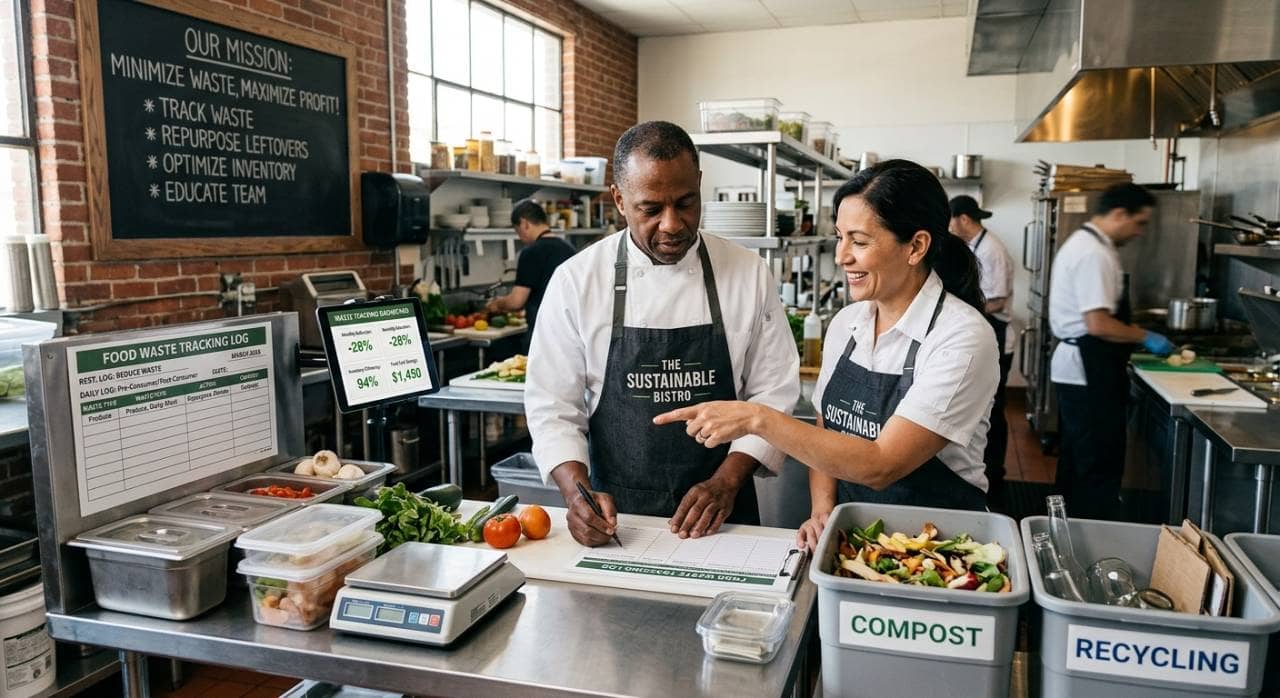
Learn how to reduce food waste in restaurants through smarter purchasing, storage, preparation, and service strategies that cut costs.
Sep 9, 2026
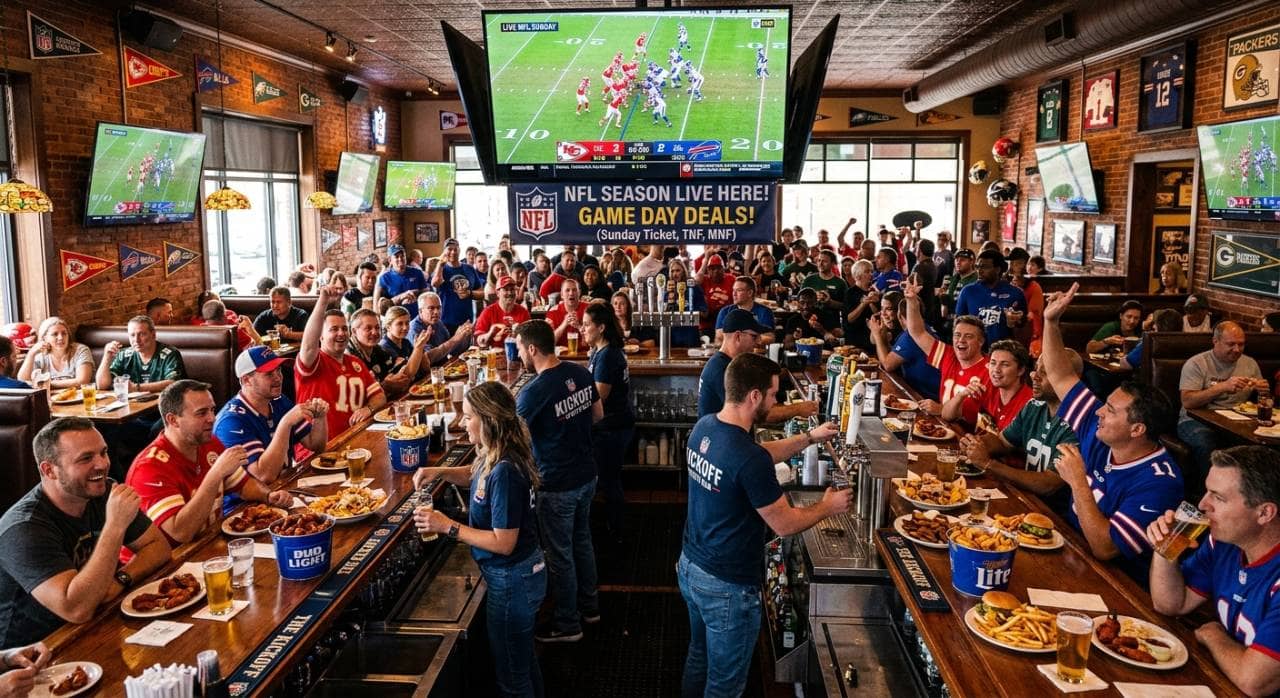
Prepare your restaurant for NFL season with smart menu planning, staffing, marketing, technology, and atmosphere strategies that boost season-long revenue.
Sep 9, 2026
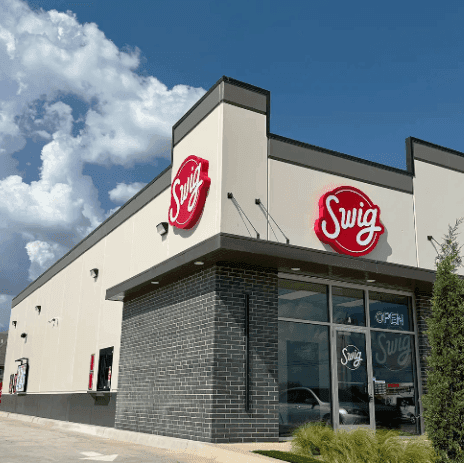
Swig signs franchise agreement for 11 South Denver locations, marking Colorado entry and validating its national expansion strategy.
Sep 8, 2026
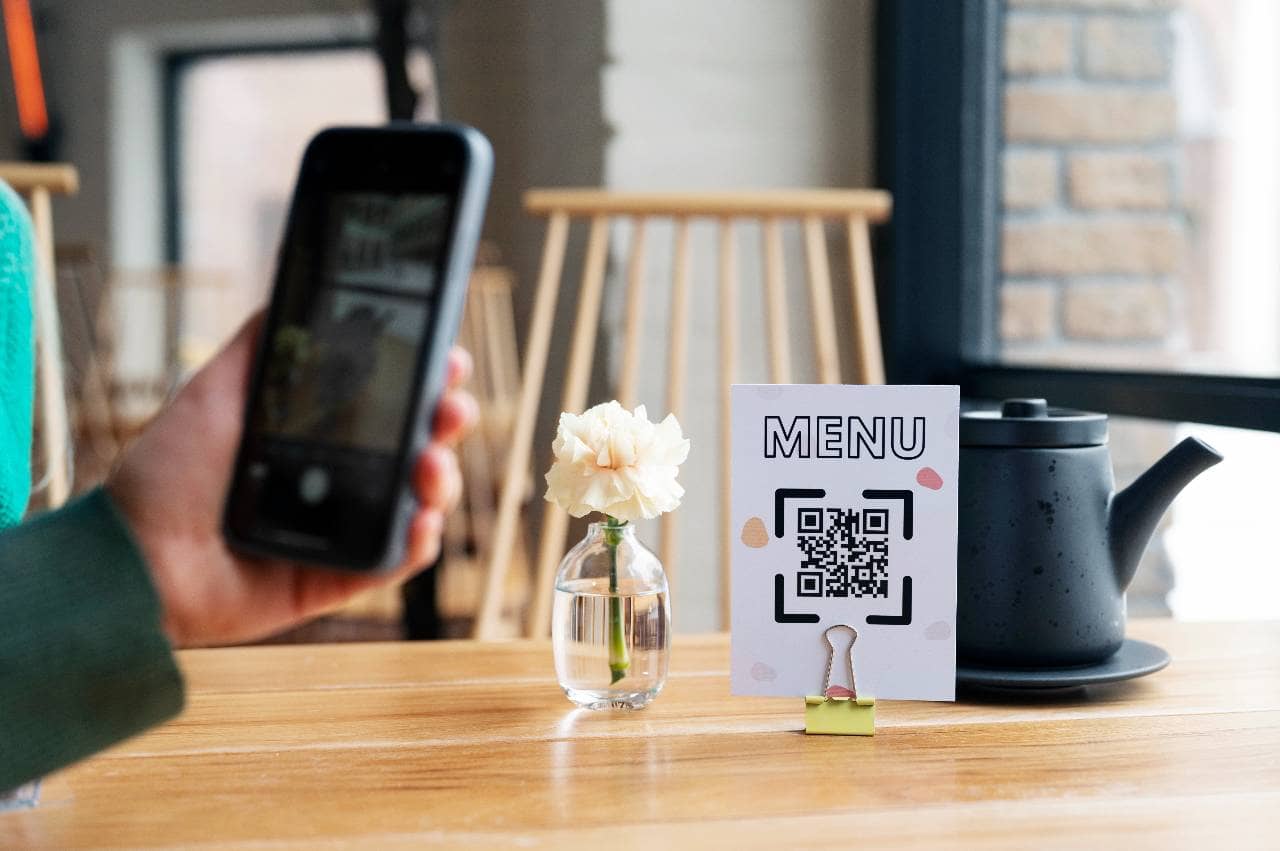
QR code menus let restaurants replace paper menus digitally, enabling instant updates, contactless browsing, ordering, and payment through simple smartphone scanning.
Sep 7, 2026
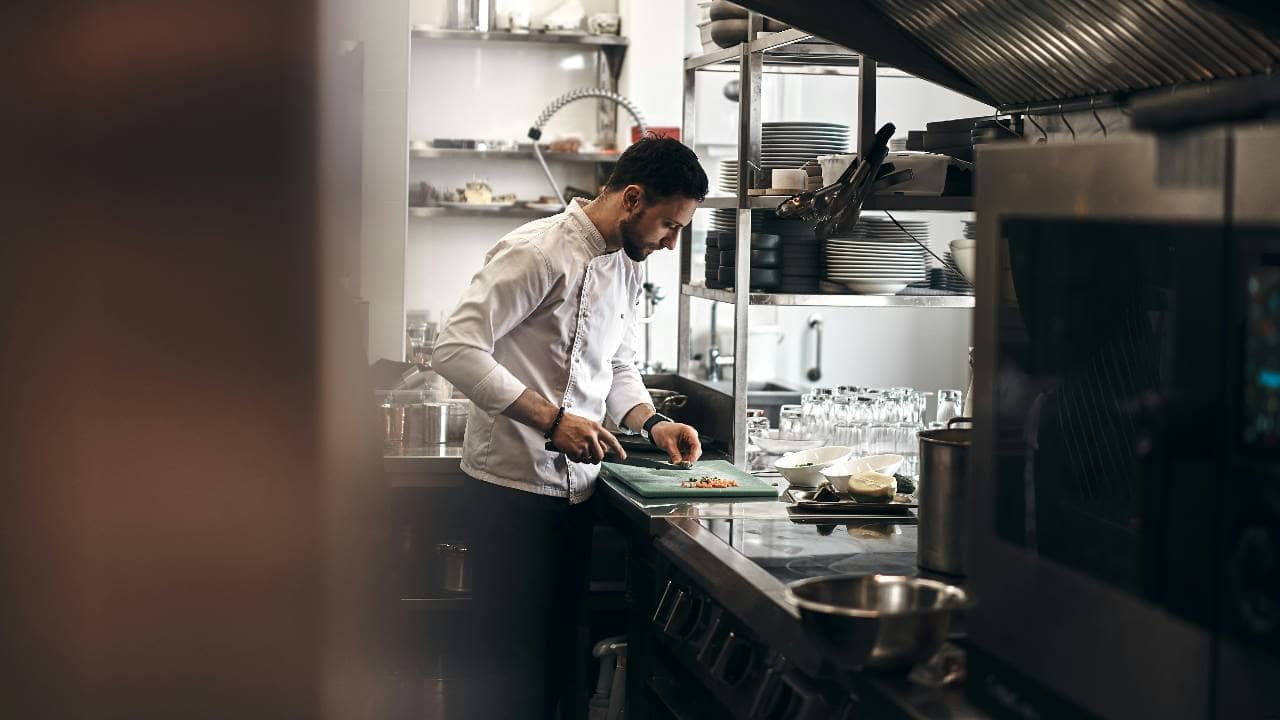
Complete guide helping restaurant owners choose essential kitchen equipment - covering cooking, refrigeration, prep, sanitation, ventilation, safety, and long-term maintenance planning.
Sep 7, 2026

Avoiding common restaurant payroll mistakes - misclassification, tip credit errors, overtime miscalculations - protects businesses from costly penalties, back pay, and compliance risks.
Sep 4, 2026
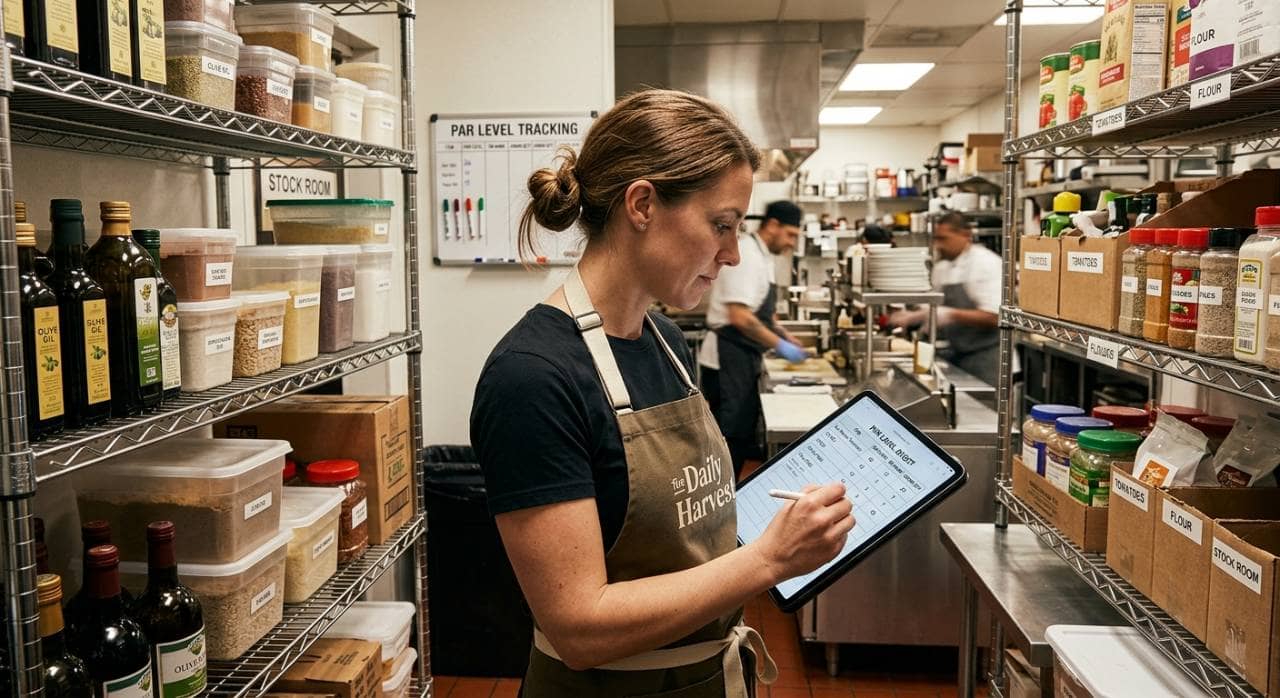
Learn to calculate par levels for restaurant food, beverages, and packaging inventory, preventing stockouts and waste through proper formulas.
Sep 4, 2026
Caribou Coffee appoints Zane Thomas-Rogers as Chief Operations Officer to strengthen execution across its expanding coffeehouse network.
Sep 4, 2026

Unlock Exclusive Access To Webinars, Events, And The Latest News For Free!
Panera's second round of layoffs and a shift to par-baked bread illustrate a leaner path for growth amid value-driven dining and global expansion.

Photo by Daniel
Panera is stepping into a new phase of cost discipline and organizational agility, announcing a second round of corporate layoffs within a year as part of a broader restructuring. The move is described as operations simplification, an effort to speed decision‑making and align the business with evolving consumer demand and macroeconomic pressures. While precise headcount figures remain undisclosed, the signal is unmistakable: Panera is trimming layers at the headquarters level to sharpen execution where it matters most. In practice, this is a thoughtful reset that echoes a broader trend in global fast‑casual brands: act quickly or risk losing relevance. For JAB Holding, the stewardship that ties Panera to a wide portfolio amplifies every strategic choice.
Within the broader frame, the overhaul is presented not as a reaction to short‑term pressures alone but as a recalibration toward faster decision‑making and a more scalable model for a brand that sits at the crossroads of nourishment and convenience. It’s a moment that asks how Panera can keep its warm, bakery‑style experience while trimming process complexity. The signals carry beyond the cafeteria walls: Panera Rise and the larger family of brands under Panera Brands will be watching closely as the company tests what agile, value‑driven growth looks like in a competitive landscape.
What this means for the near term is a careful balancing act: preserve the warmth of Panera’s experience while tightening the gears that drive speed and scale. The conversation now extends from executive suites to the dining room, how decisions at headquarters translate into store‑level tempo, and how Panera sustains nourishment as its footprint grows.
Beyond the newsroom, Panera Rise is framed as momentum built on a durable brand foundation. The overhaul aligns with the transformation program introduced to guide growth toward ambitious goals like exceeding $7 billion in systemwide sales by 2028 and four strategic pillars: menu evolution, value, guest experience, and network expansion. The rollout is housed under Panera Brands, signaling a deliberate modernization of the operating model while preserving the essence of Panera’s identity, bread quality that stands as a hallmark of the brand. The narrative is clear: the overhaul seeks speed and resilience, rooted in a thoughtful, nourishing standard that remains relevant in a shifting market.
The program’s ambitions read like a recipe for sustainable growth: redefine value without eroding the warmth of the customer’s experience, upgrade ingredients and the ambiance of in‑store moments, and reimagine bakery operations to support scale. In materials and interviews, the emphasis remains on a coherent path to expand Panera’s footprint without compromising the quality that gives guests reason to return, an alignment of nourishment with a business model that can weather volatility.
This is not a cosmetic shift; it’s a deliberate framework for growth designed to translate a beloved bakery‑cafe into a scalable system that can respond as markets shift and consumers seek reliable value.

One of the most visible mechanical changes is Panera’s move away from baking all bread in‑house toward par‑baked production by third‑party suppliers, finished in‑store for on‑demand baking. The aim is to ensure consistent availability across locations while reducing central complexity. The company has signaled plans to shutter or reconfigure remaining fresh-dough facilities as part of this shift, a step that aligns with efficiency and supply‑chain rationalization. The move is described as a practical way to simplify production while safeguarding the brand’s standards.
Industry coverage and Panera Rise materials describe the logic: outsourcing bread production preserves menu standards while enabling scale. By maintaining quality control and reliability of the bread, the brand hopes to keep customer expectations intact even as operations move closer to the store. The switch raises questions about supplier dependence and the long‑term economics of bread production, yet Panera frames the arrangement as a practical way to simplify central operations and reduce risk in a volatile environment.
The broader implication is a choreography between procurement, bakery execution, and store staffing that preserves the integrity of Panera’s menu while enabling a leaner, more resilient backbone for growth.

Panera’s leadership presents the restructuring as momentum built on a durable foundation. CEO Paul Carbone described Panera Rise as a program that solidifies the brand’s core while pursuing aggressive growth through its four pillars, a pledge to keep the guest at the center of every decision. "Our bread is our superstar and the homage to our brand," said Brooke Buchanan, Chief Corporate Affairs Officer, underscoring the centrality of bread quality to Panera’s identity. The messaging emphasizes quality control, consistent guest experience, and a clear path to scale under a unified framework. It is a narrative that seeks to balance warmth with efficiency.
Taken together, these statements signal a leadership posture that treats growth as an extension of core values rather than a separate initiative. The four pillars, menu evolution, value, guest experience, and network expansion, appear not as slogans but as a daily operating plan guiding decisions from procurement to store staffing, and from recipe standards to technology investments. The emphasis on centering guests and safeguarding bread quality suggests a maturity in how Panera links its quality controls to scalable, value‑driven expansion.
The real test will be translating voice into everyday discipline across dozens, perhaps hundreds, of outlets, ensuring that a message about nourishment becomes a lived practice at the front of house and in the bakery case.
Financially, Panera Rise articulates a growth trajectory that pairs systemwide sales uplift with investments in menu and cafe experience. The plan calls for strengthening value propositions and expanding the network through modernization and franchise alignment. While near‑term headcount changes command attention, the overarching aim is a leaner, more scalable organization capable of sustaining growth as consumer preferences shift and economic headwinds persist. The thread tying everything together is a commitment to delivering consistent, high‑quality experiences at value-conscious price points across a broader footprint.
In public statements, leadership ties the workforce realignment to Panera’s long‑standing aim: to balance nourishment with efficiency and predictability in guest experiences. The emphasis on a leaner structure is not a retreat from service but a repositioning that hopes to protect margins while expanding access. The plan also points to a strategic choreography between bakehouse operations, menu development, and store design, elements that will determine how value translates into loyalty as Panera grows beyond current markets.
The true test lies in translating this blueprint into healthier margin expansion, guest loyalty, and sustainable profitability as Panera expands its footprint through a mix of owned and franchised stores across new geographies.

Beyond Panera’s walls, data from YouGov show casual‑dining brands increasingly perceived as delivering more value than fast food, a tilt that shapes pricing and guest expectations in a fickle economy. The dynamic coincides with global expansion efforts by peers, Chipotle breaking ground in the Middle East with its Dubai location under Alshaya Group and plans in Kuwait and the UAE, as well as Killer Burger expanding beyond the Pacific Northwest. Taken together, these moves underscore a broader pivot toward globalization and franchise partnerships as American fast‑casual concepts seek new markets while preserving brand identity.
The landscape is not limited to expansion alone; it also reflects value dynamics that shape how brands price, promote, and service a growing cross‑border clientele. Panera’s restructuring sits within this larger arc, where efficiency, reliability, and thoughtful signaling about quality become competitive advantages in a market that values nourishment as much as speed and accessibility.
For observers, the next 18–24 months will be a crucible for whether these strategic moves translate into sustained sales, guest loyalty, and profitability across both core markets and new geographies.
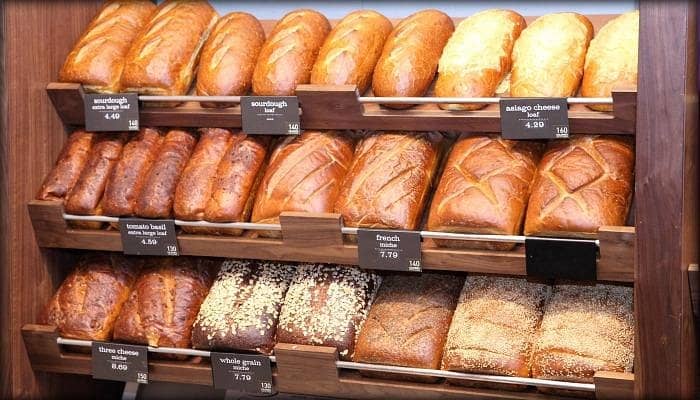
Several key questions remain unresolved. The scale and timetable of Panera’s corporate layoffs have not been publicly disclosed, leaving observers to parse official statements and industry reporting for signals about future staffing, store‑level effects, and potential IPO considerations for Panera’s parent. The shift to par‑baked bread and outsourced production raises concerns about product consistency and supplier dependence, even as Panera emphasizes menu quality and guest experience in its messaging. On the competitive front, YouGov data underscore a value‑driven environment, but how individual brands translate that into price architecture, service levels, and operational efficiency will determine winners in 2026 and beyond. The global expansion efforts by Chipotle and Killer Burger illustrate growth opportunities but also bring regulatory, logistics, and cultural considerations that can shape execution across markets.
Taken together, Panera’s restructuring sits within a broader industry arc where value, speed, and scale intersect with supply‑chain resilience and international growth. The transformation is less about a single headline and more about sustaining nourishment as a defining attribute while expanding the brand footprint in a way that remains thoughtful, nourishing, and balanced.
For Panera and its peers, the coming period will reveal whether this pivot becomes a turning point for U.S. brands abroad, a moment where value, speed, and scale align across markets, inspiring a new standard for nourishing, thoughtful, sustainable hospitality.
