
California Penalizes Dickey's for Franchise Disclosure Violations
California shifts to public enforcement strategy against Dickey's for deceptive franchise disclosures, signaling stricter state-level franchise oversight.
Franchising
Sep 10, 2026
California shifts to public enforcement strategy against Dickey's for deceptive franchise disclosures, signaling stricter state-level franchise oversight.
Sep 10, 2026
Paul Brown temporarily steps away from Inspire Brands as Scott Murphy assumes interim CEO role during confidential IPO filing process targeting late 2026.
Sep 10, 2026
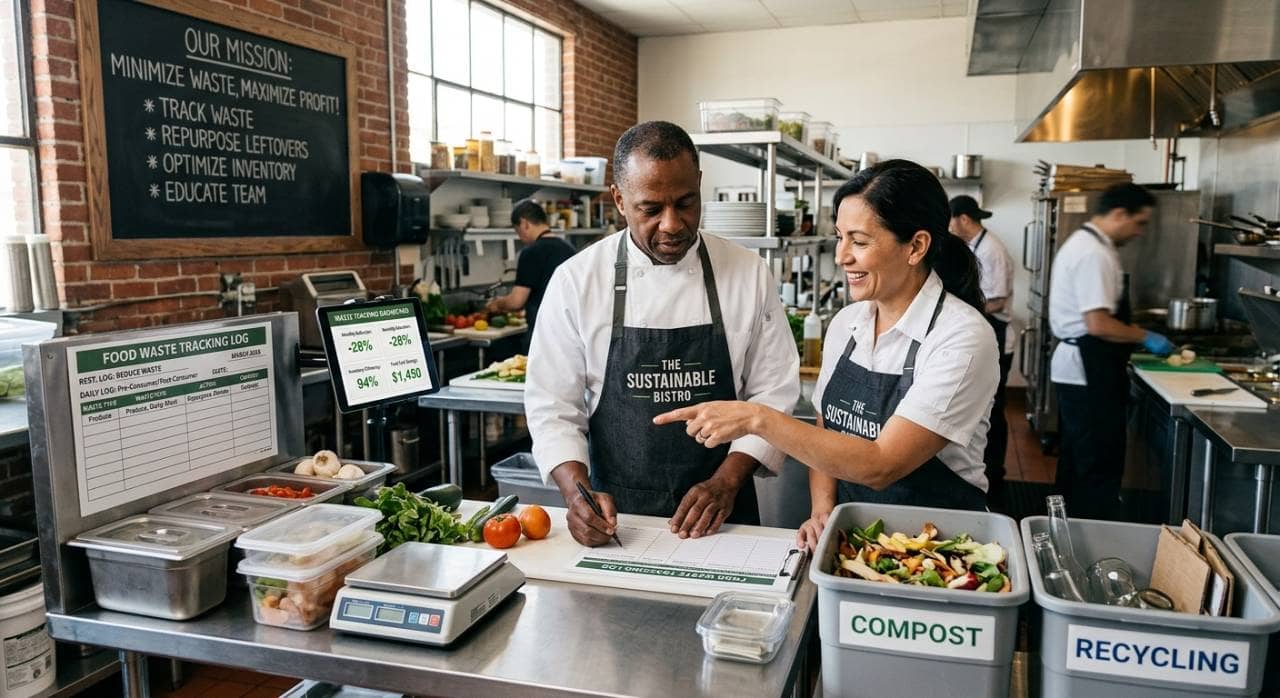
Learn how to reduce food waste in restaurants through smarter purchasing, storage, preparation, and service strategies that cut costs.
Sep 9, 2026
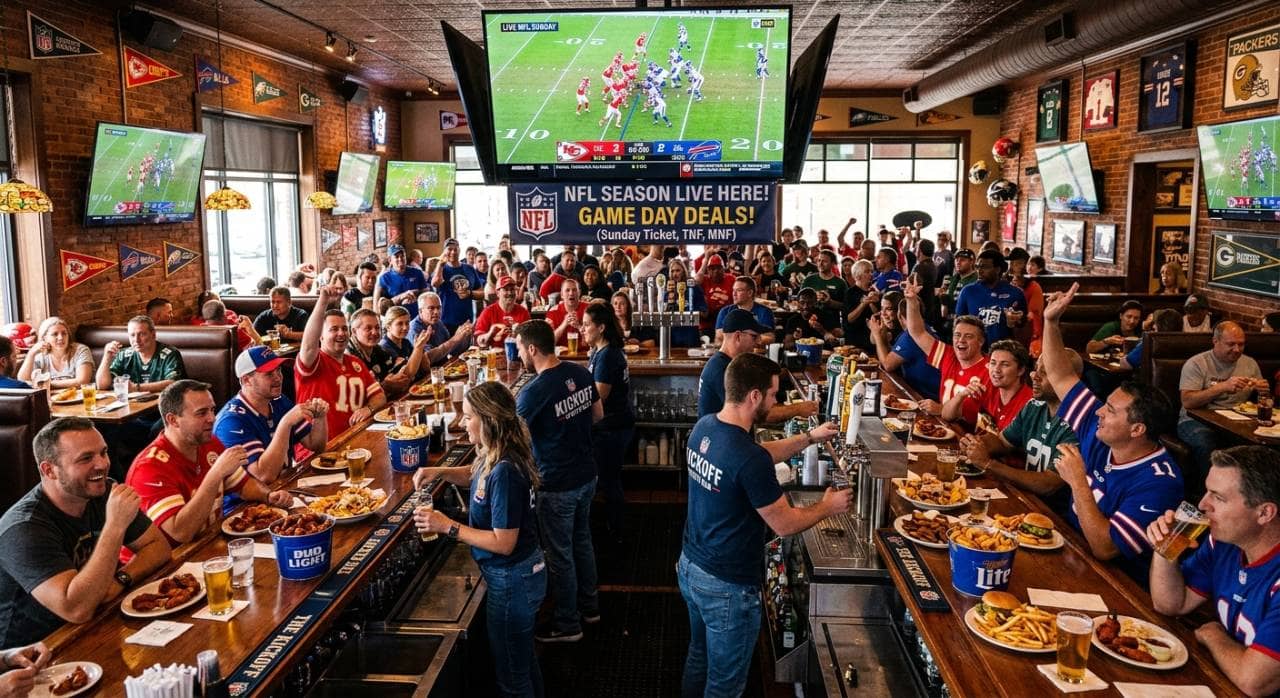
Prepare your restaurant for NFL season with smart menu planning, staffing, marketing, technology, and atmosphere strategies that boost season-long revenue.
Sep 9, 2026
Swig signs franchise agreement for 11 South Denver locations, marking Colorado entry and validating its national expansion strategy.
Sep 8, 2026

Complete guide helping restaurant owners choose essential kitchen equipment - covering cooking, refrigeration, prep, sanitation, ventilation, safety, and long-term maintenance planning.
Sep 7, 2026
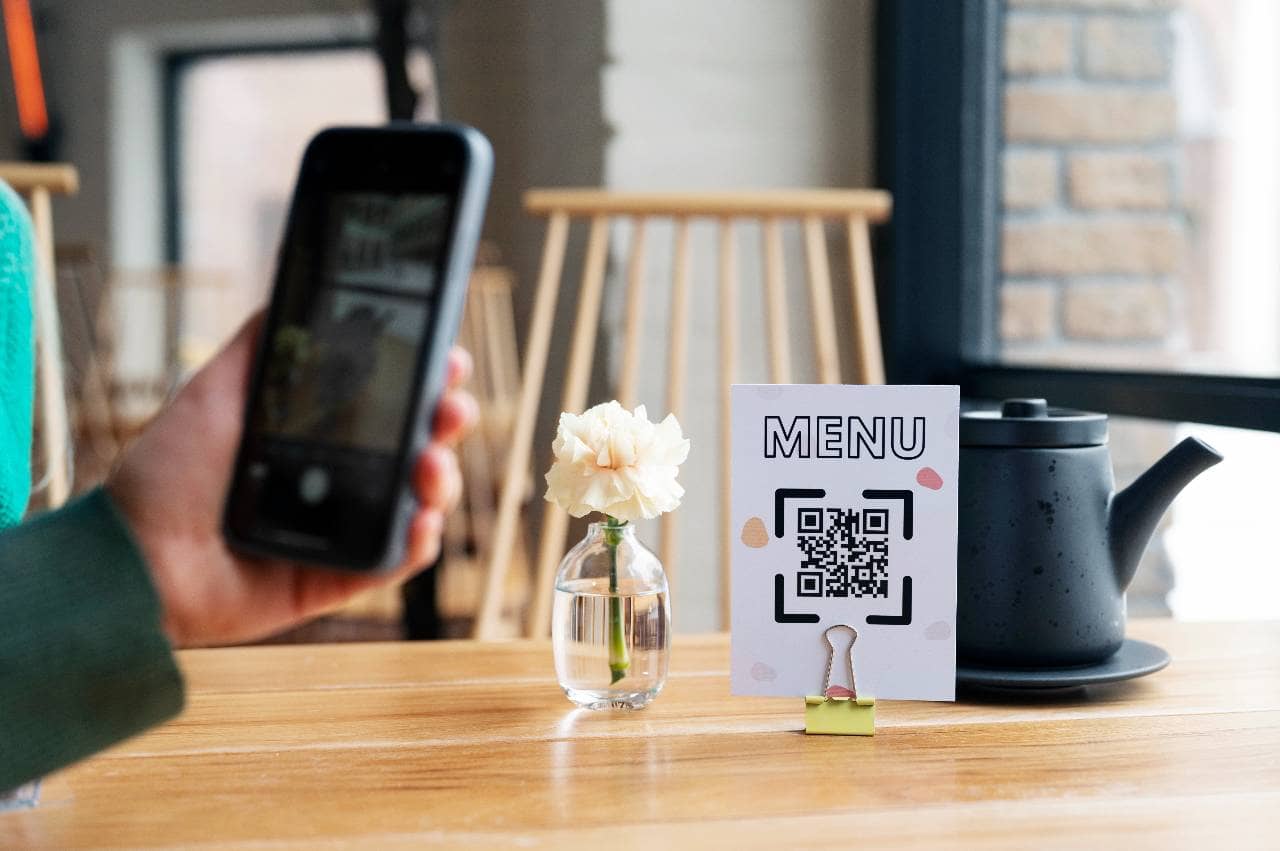
QR code menus let restaurants replace paper menus digitally, enabling instant updates, contactless browsing, ordering, and payment through simple smartphone scanning.
Sep 7, 2026

Avoiding common restaurant payroll mistakes - misclassification, tip credit errors, overtime miscalculations - protects businesses from costly penalties, back pay, and compliance risks.
Sep 4, 2026
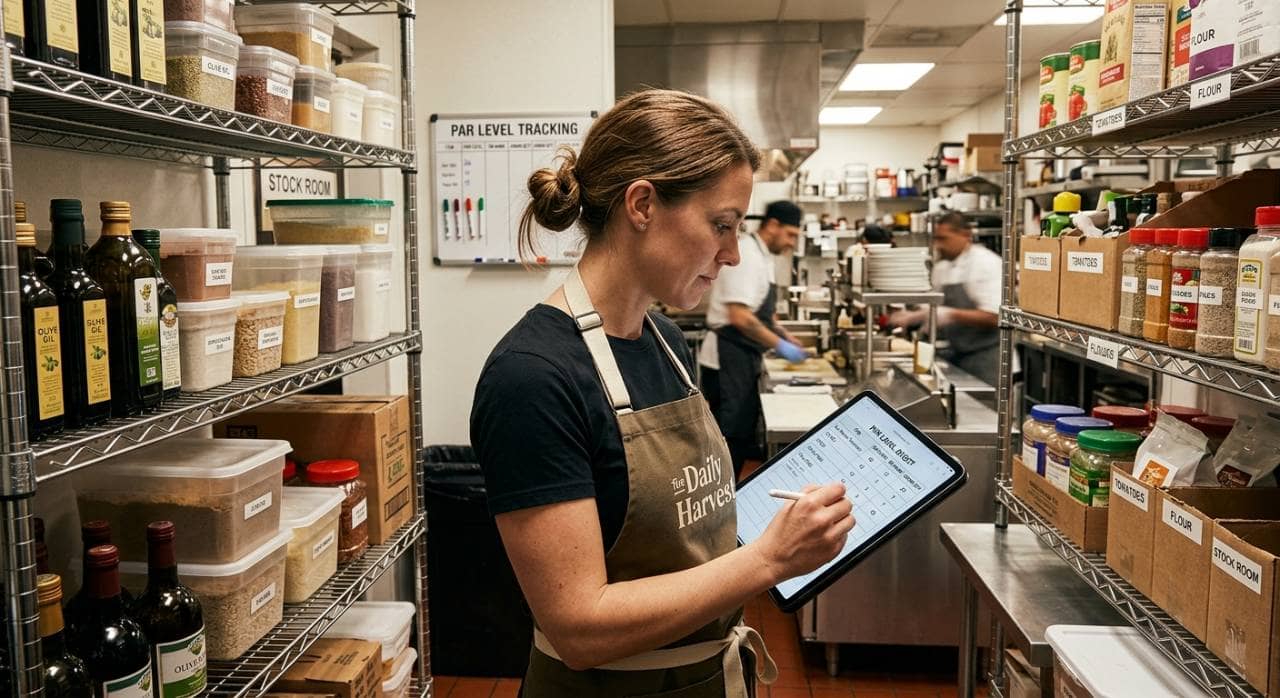
Learn to calculate par levels for restaurant food, beverages, and packaging inventory, preventing stockouts and waste through proper formulas.
Sep 4, 2026
Caribou Coffee appoints Zane Thomas-Rogers as Chief Operations Officer to strengthen execution across its expanding coffeehouse network.
Sep 4, 2026

Unlock Exclusive Access To Webinars, Events, And The Latest News For Free!
A deep dive into how restaurants balance tip rules, scheduling, and tax compliance with modern payroll tech—keeping teams paid on time and regulators satisfied.

Photo by Nick Karvounis
Payroll in a restaurant isn’t a checkbox on the ledgers. It’s a live system that keeps people paid, guests served, and regulators satisfied. In an industry built on tipped wages, variable schedules, and local rules, operators weave onboarding, hours-tracking, tip handling, and tax remittance into one auditable flow. The latest realities include federal tip credits and debates about tipping-related deductions that ripple into tax returns. For example, federal law still allows tipped workers to be paid as low as $2.13 per hour, with tips filling the rest to reach the minimum over a workweek; many states patch or lift that baseline. These dynamics shape pay periods, hours, and tip distribution. This is the bloodstream of the operation.
Core mechanics start with verified employee data and onboarding paperwork, W-4 forms and direct deposit details, properly tied to each job title or rate. Pay periods follow state law, often weekly or biweekly, with rules on when wages must be paid after a period ends. Hours must cover all work, including prep and close shifts, and should be separated by role when staff work at multiple rates. Tip tracking remains central: card tips flow through POS totals, while cash tips rely on employee reporting that must be reconciled. Systems must support tip pooling or sharing and separate service charges, because the IRS treats service charges as wages, not tips, for tax purposes. Gross pay comes from hours, overtime, and deductions like taxes, benefits, and employer taxes. Digital pay stubs and portals finish the loop. A calendar with automated reminders keeps teams compliant.
So this isn't a side project. It’s frontline reliability: accurate clocks, clear tip-sharing, and timely pay keep teams motivated and guests satisfied. When pay runs are late or wrong, trust and morale suffer and service dips follow. The next chapters explore how the rhythm on the floor maps to the numbers in the ledger.

Operators describe payroll as the backbone of guest satisfaction and workforce stability. When pay runs land late or are miscalculated, trust frays and morale sinks, often translating to lower service during peak shifts. Tipped staff feel the tug of tip variability and cash reporting, watching weeks with punchier tips or tighter cash flow. Yet analysts point to a different truth: the most successful restaurants invest in integrated payroll platforms that synchronize POS tip data, timekeeping, and tax reporting, while giving employees transparent access to pay stubs and tip breakdowns.
These platforms aren’t optional luxuries; they align with regulatory expectations and audits. Operators connect payroll to POS data so card-tip amounts flow automatically, and they implement reliable reporting to capture cash tips. They also support clear tip-sharing arrangements and separate service charges, with dashboards for staff to see their pay stubs and tip details. The legal context reinforces the need: the Department of Labor stresses consistent tip credits and overtime rules, while the IRS pushes for accurate tip reporting and proper labeling of dollars as tips vs. service charges.
In short, getting payroll right is a big win for morale and guest experience. The tech choices you make ripple from the kitchen to the front-of-house, shaping trust, stability, and service quality on busy nights.

Financial outcomes hinge on timely tax payments, accurate year-end reporting, and the ability to reconcile payroll data with quarterly filings. The federal framework requires regular withholding and remittance of Social Security, Medicare, and income taxes, plus unemployment taxes; mismatches between W-2s and quarterly filings can trigger penalties and audits. The IRS and the Department of Labor require careful treatment of tips and service charges; service charges distributed to employees are wages and must be reported as such on payroll and tax filings, while tips may be pooled or distributed and reported as tip income. Employers should maintain three years of payroll records, or longer where state law requires, and ensure that back-ups exist for every wage, tip, and deduction. Year-end tasks include reconciling payroll data, filing FUTA forms, and reviewing all reported tips for accuracy. In recent policy conversations, proposals to modify tip tax treatment and expand or limit tip credits have surfaced, creating a moving target for payroll planners. For example, legislation and regulatory discussions in 2024–2025 highlighted potential changes in the way tips are taxed and how tipped workers are treated under new rules; while not enacted everywhere, operators should monitor developments and adjust processes when needed.
Within this framework, the distinction between tips and service charges matters. Tips are income to employees, often pooled, and reported for tax purposes, while service charges are wages with different tax handling. The moving target of policy, no universal standard, means payroll planners must build flexibility into schedules, deductions, and reporting. The era of proposals to end no-tax-on-tips or alter tip deductions only adds to the planning load.
So the practical takeaway is to stay informed, keep audit trails, and plan for a changing landscape that doesn’t wait for a textbook update.

Across the industry, growing adoption of purpose-built payroll software is the norm rather than the exception. Systems designed for restaurants address tip pooling, multi-rate pay, and service-charge distinctions; they also simplify tax filings and provide employee portals for payroll self-service. Analysts point to leading payroll platforms as essential for scale, reducing risk of miscalculation and penalties. The grocery field and hospitality closely track these developments; mainstream payroll providers publish state-by-state wage data and tips guidance to help employers plan. Experts emphasize that successful operators link their payroll system to POS data so that card-tip amounts flow automatically into payroll and to ensure that cash tips are accurately captured through reliable reporting.
In practice, many restaurants use integrated software to stay current with tax rates, wage laws, and local labor rules, while also offering employees digital access to pay records and tip details. The DOL and IRS distinctions between tips and service charges underscore the need for precise labeling and accounting, and the trend toward connected systems shows no sign of slowing.
The big takeaway is simple: integrate where it counts. Link payroll to POS data, keep staff informed, and lean into platforms that handle multi-rate pay and tip-sharing without turning a blind eye to regulations.
Despite progress, significant gaps remain. State-by-state differences in tip credits and tipped-minimum wages create a moving target for operators who operate across multiple jurisdictions; even well-structured systems require ongoing maintenance to reflect changes in wage laws, service-charge regulations, and reporting rules. Analysts note that some states prohibit using tips to meet minimum wage or require different pooling rules, which complicates payroll design and training. The absence of a universal standard means that small restaurants can struggle with compliance if they rely on outdated spreadsheets or manual processes. Moreover, policy debates about tipping, such as proposals to end no-tax-on-tips or to alter tip deductions, introduce further uncertainty for financial planning and wage budgeting. Operators can mitigate risk by engaging payroll professionals, subscribing to regulatory updates, and building audit trails that document how each paycheck was calculated, including tip pools, service charges, and deductions. The coming years are likely to bring continued reform chatter and continued evolution in how employers report tips and service charges.
Policy debates about tipping, such as proposals to end no-tax-on-tips or to alter tip deductions, add uncertainty for budgeting. Operators mitigate risk by engaging payroll professionals, subscribing to regulatory updates, and building audit trails that document how each paycheck was calculated, including tip pools, service charges, and deductions. The horizon promises ongoing reform chatter and evolving reporting rules.
The takeaway is to stay prepared: diversify knowledge, keep systems adaptable, and maintain rigorous records so that payroll can weather shifts in policy without breaking.
Taken together, restaurant payroll is a core management discipline: it shapes labor costs, workforce morale, and regulatory compliance. The path forward is to implement purpose-built payroll tools that handle multiple wage rates, tip-sharing arrangements, and service charges, while aligning with federal and state tax rules and local ordinances. Operators who invest in integrated systems, and keep their teams informed about how pay is calculated, tend to report steadier payroll timing, fewer discrepancies, and stronger staff trust. The EEAT lens is important here: the expertise rests not only in calculating wages but in applying rules consistently, validating data against tax filings, and communicating outcomes transparently to employees. Industry authorities, including the DOL and the IRS, provide the framework; restaurants harness the processes to deliver reliable pay, minimize penalties, and maintain a stable, motivated workforce. The takeaway is clear: payroll is not a back-office afterthought but a strategic function that underpins performance in a high-turnover, highly regulated industry.
The takeaway is that EEAT, expertise, experience, authority, and trust, applies to how you manage payroll and how you share outcomes with your team. The framework from DOL and IRS provides structure; restaurants that link payroll to POS data and keep transparent, on-time pay will win on accuracy, penalties, and staff loyalty.
Bottom line: payroll is a strategic function that underpins performance in a high-turnover, highly regulated industry, and the big wins come from smart tools, clear communication, and steady, timely pay.
