
California Penalizes Dickey's for Franchise Disclosure Violations
California shifts to public enforcement strategy against Dickey's for deceptive franchise disclosures, signaling stricter state-level franchise oversight.
Franchising
Sep 10, 2026
California shifts to public enforcement strategy against Dickey's for deceptive franchise disclosures, signaling stricter state-level franchise oversight.
Sep 10, 2026
Paul Brown temporarily steps away from Inspire Brands as Scott Murphy assumes interim CEO role during confidential IPO filing process targeting late 2026.
Sep 10, 2026
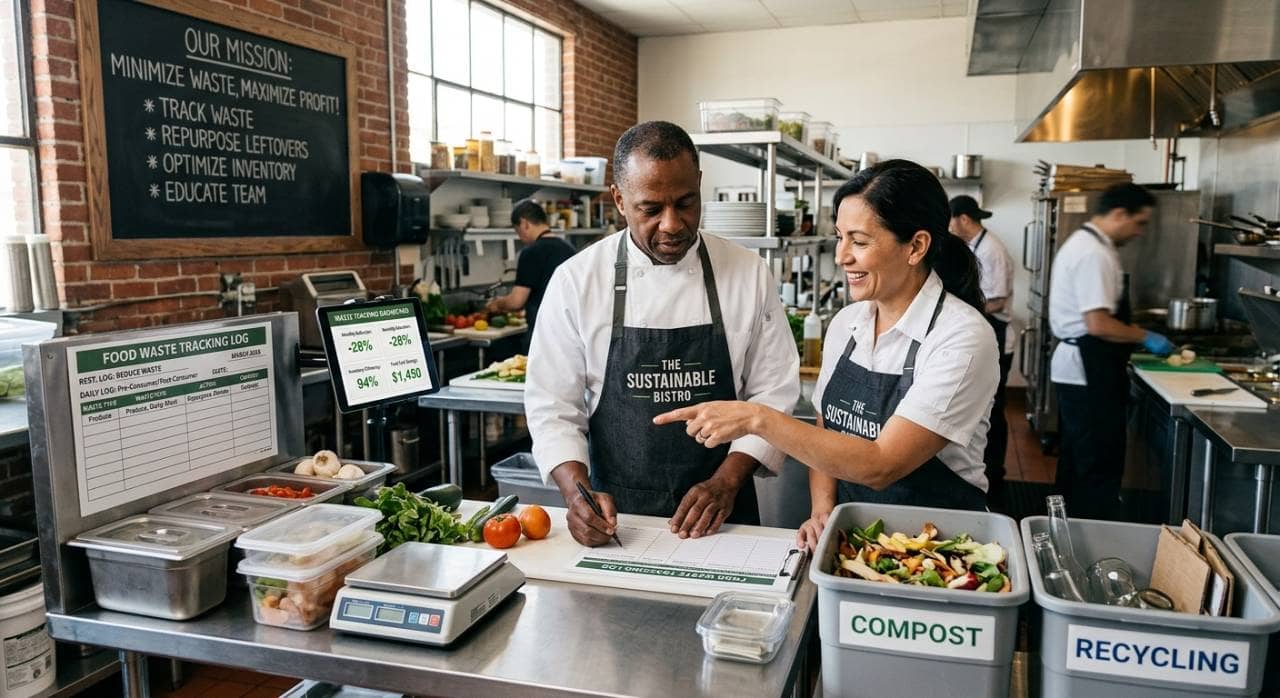
Learn how to reduce food waste in restaurants through smarter purchasing, storage, preparation, and service strategies that cut costs.
Sep 9, 2026
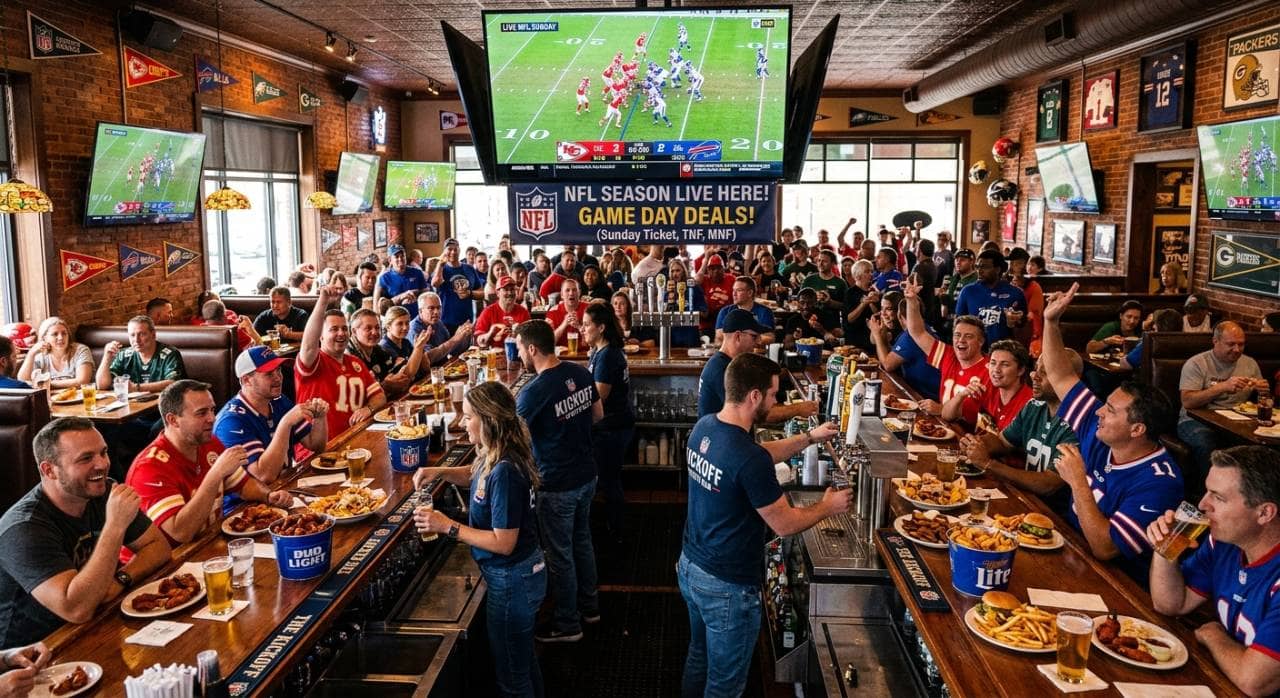
Prepare your restaurant for NFL season with smart menu planning, staffing, marketing, technology, and atmosphere strategies that boost season-long revenue.
Sep 9, 2026
Swig signs franchise agreement for 11 South Denver locations, marking Colorado entry and validating its national expansion strategy.
Sep 8, 2026
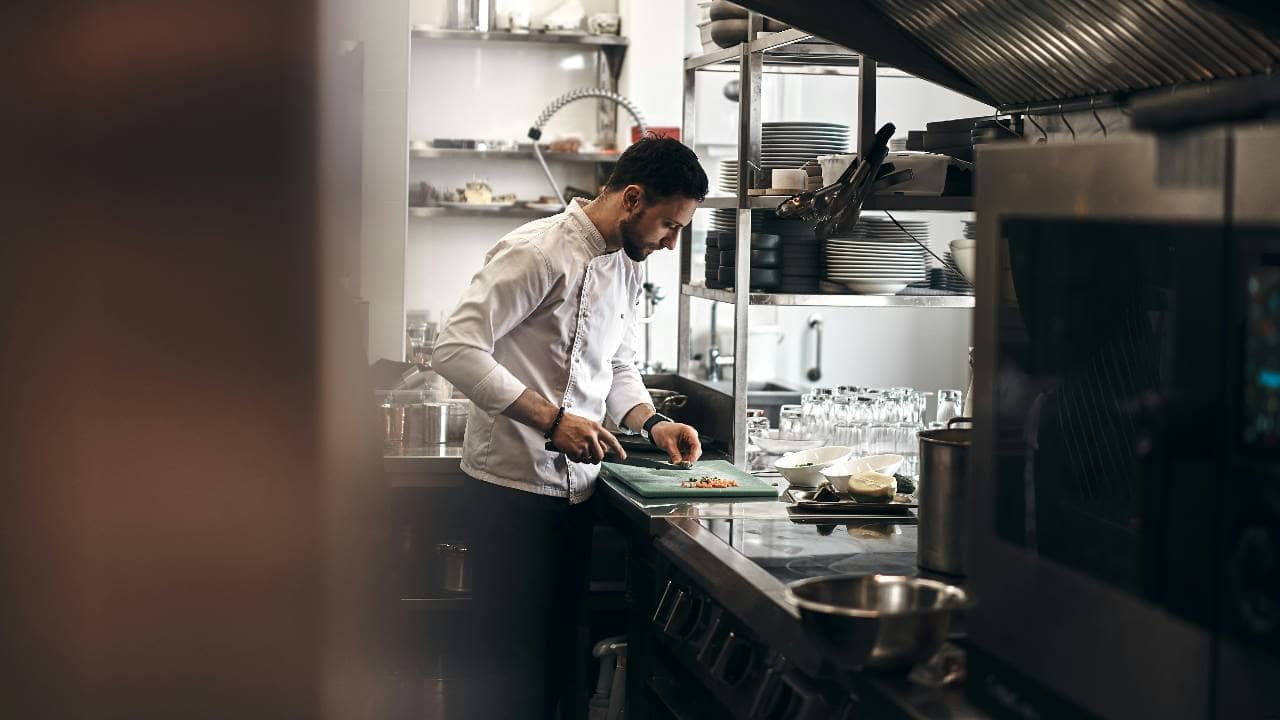
Complete guide helping restaurant owners choose essential kitchen equipment - covering cooking, refrigeration, prep, sanitation, ventilation, safety, and long-term maintenance planning.
Sep 7, 2026
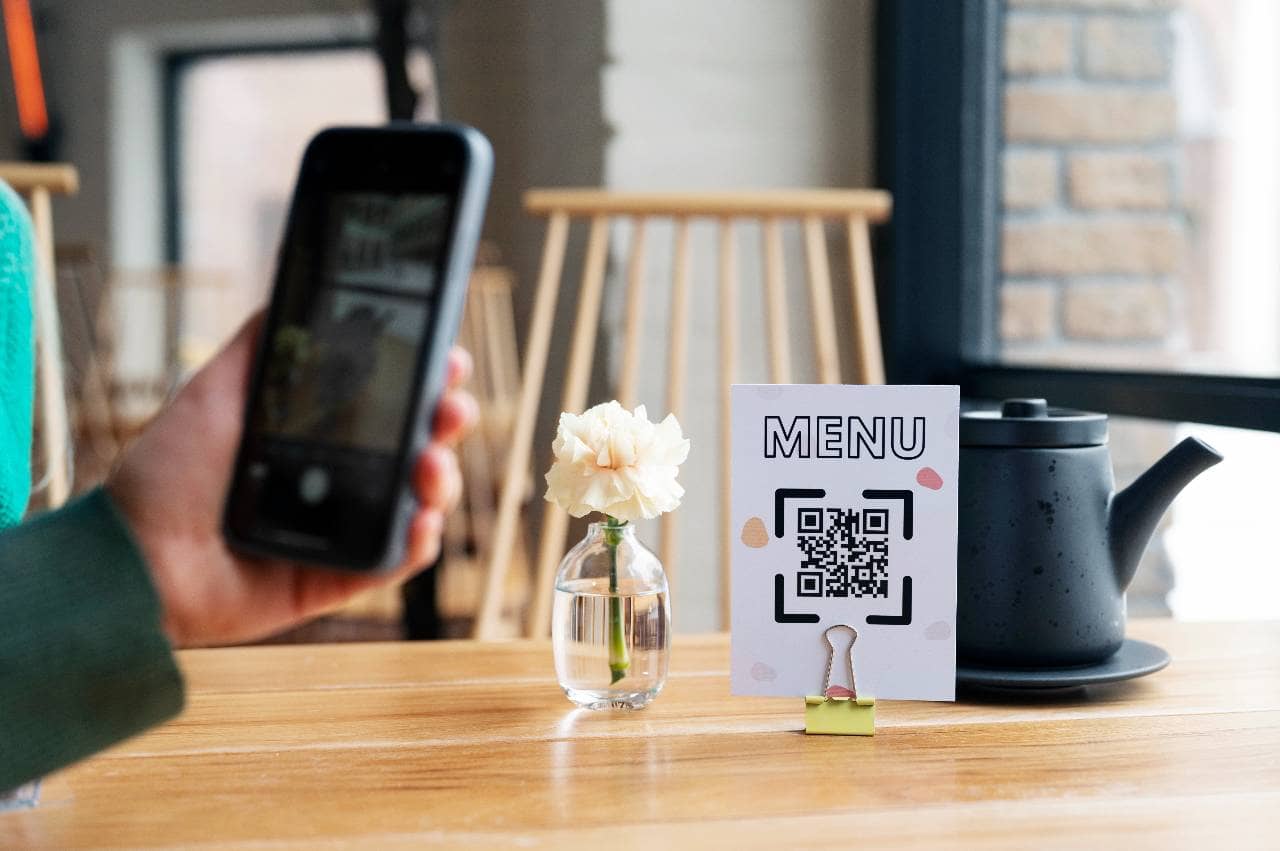
QR code menus let restaurants replace paper menus digitally, enabling instant updates, contactless browsing, ordering, and payment through simple smartphone scanning.
Sep 7, 2026

Avoiding common restaurant payroll mistakes - misclassification, tip credit errors, overtime miscalculations - protects businesses from costly penalties, back pay, and compliance risks.
Sep 4, 2026
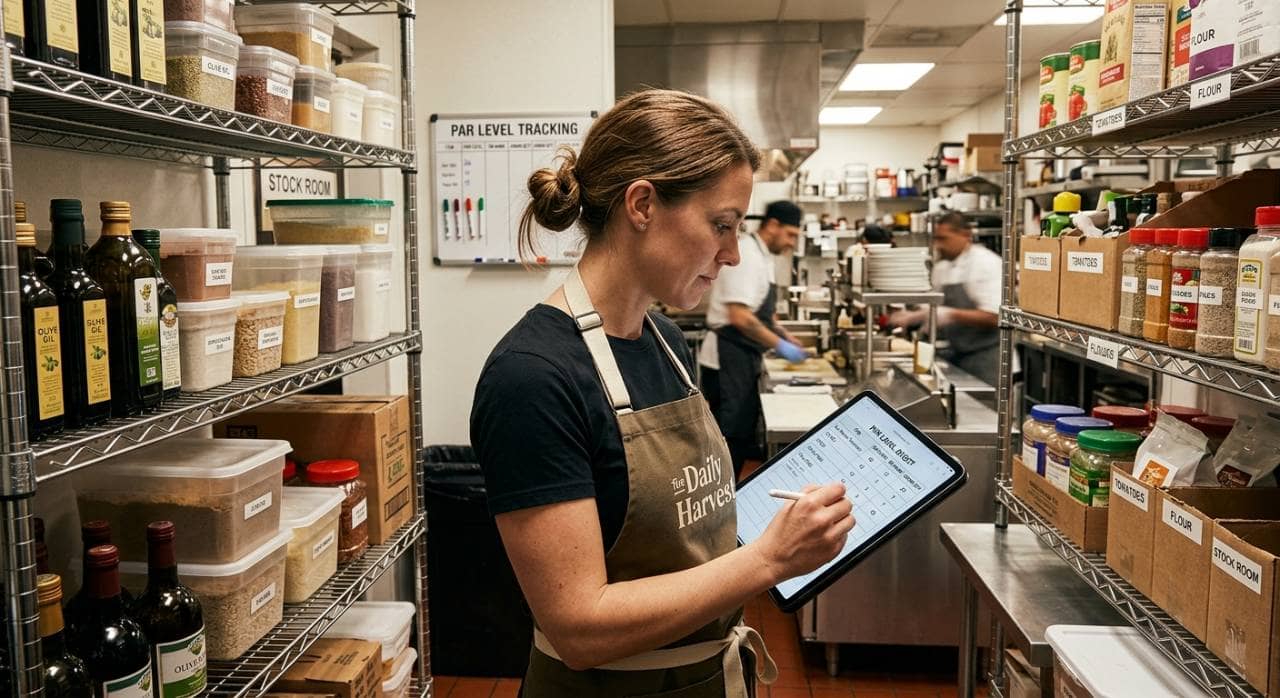
Learn to calculate par levels for restaurant food, beverages, and packaging inventory, preventing stockouts and waste through proper formulas.
Sep 4, 2026
Caribou Coffee appoints Zane Thomas-Rogers as Chief Operations Officer to strengthen execution across its expanding coffeehouse network.
Sep 4, 2026

Unlock Exclusive Access To Webinars, Events, And The Latest News For Free!
Portillo's pilots self-order kiosks and a downsized restaurant prototype to speed service, boost discovery, and expand reach across markets.

Photo by Mark Pecar
Portillo’s is stepping boldly into the digital era with its first self-order kiosk prototype in the Chicago market. The pilot, launched in Downers Grove, marks a pivotal shift for a brand that started in 1963 and now runs 88 restaurants across 10 states. CEO Michael Osanloo says the goal is simple but powerful: let guests visually explore the menu and nudges them toward entrées and add-ons that appeal to different tastes. The 24-inch Bite kiosks sit at the heart of this experiment, offering an alternate path to order while freeing up front-line staff for other tasks. It’s a big win for guest choice.
"We’re especially excited about helping guests visually explore our menu. [And we] love the idea of using images to suggest entrées and add-ons that appeal to various consumer types.", Portillo’s CEO.
Two 24-inch Bite kiosks have been installed in Downers Grove, with plans to roll out to the brand’s flagship downtown Chicago location in Q3 and two more installations in California later this month. The kiosks deliver a video-enabled ordering flow and a visual journey through Portillo’s full menu, designed to help guests discover new items and increase check sizes. The approach is described as an additional ordering channel that complements existing service lines, aiming to give guests more choice while preserving the personal touch for those who prefer it. “By offering an alternative ordering experience, we're giving guests another way to get their Portillo’s.”, Keith Correia, Portillo’s chief information officer.
Portillo’s is reimagining real estate with a downsized prototype. The company is testing a 6,300-square-foot restaurant footprint, a roughly 1,500-square-foot cut, about 20% smaller than the traditional model. CEO Michael Osanloo says the move slashes build costs without throttling capacity to deliver industry-leading AUVs. The aim is faster, more scalable growth that still preserves Portillo’s speed and hospitality. This bold experiment is already planned to light up three Texas locations by year’s end, signaling a deliberate pivot toward leaner, quicker expansion that fits evolving consumer needs and a tighter economic climate.
The footprint pilot sits alongside Portillo’s broader digital push. By year’s end, the Texas deployments are slated to join a multi-market expansion that leverages smaller footprints, image-driven menus, and connected ordering to broaden reach while keeping the brand’s momentum. The combination aims to reduce build-time and capital outlay without sacrificing throughput, guest experience, or the pace of service that has become a Portillo’s signature.

Drive-thru enhancements sit at the core of Portillo’s longer-term playbook. Year-to-date drive-thru speed has improved by 15 seconds versus the prior year, a sign of progress toward pre-pandemic performance levels. Osanloo acknowledges the team is still aiming to return to 2019 benchmarks, but emphasizes that the right focus is yielding tangible gains. The blend of faster drive-thru, digital ordering options, and smaller-format restaurants is designed to broaden market reach while preserving Portillo’s hallmark speed and hospitality.
In practice, the drive-thru gains reinforce a central thesis: when you couple speed with smart ordering channels, you unlock convenience at scale. The kiosk program, the downsized footprint, and drive-thru improvements aren’t separate bets, they’re a coordinated strategy to speed up service, drive check sizes, and invite more guests to Portillo’s with less friction.
Portillo’s results for the second quarter ended June 30 show ongoing adaptation in a competitive landscape. Net income reached $6.5 million, or 10 cents per share, versus $6.8 million or 12 cents per share in the prior year, while revenue rose 7.5% to $181.9 million from $169.2 million. Same-store sales dipped by 0.6%. The mix, rising total sales alongside a modest profit decline, signals a company in transformation, with upfront costs offsetting near-term profitability but aimed at longer-term guest experience and efficiency gains.
The numbers reflect a portfolio in motion: kiosk deployment, faster drive-thru, and a shift toward smaller-format stores are not just experiments, but a coordinated effort to deliver convenience and discovery at scale. The early results show progress, even as Portillo’s weighs upfront costs against the promise of higher guest satisfaction and stronger unit economics over time.

Industry Context places Portillo’s moves within a broader trend toward ‘Restaurant of the Future’ concepts, smaller footprints, and digitally enabled guest journeys. Coverage highlights 5,500- to 6,000-square-foot ROTF designs aimed at lowering buildout costs while preserving high AUVs. Designers are pursuing standardized, compact formats that still support efficient production lines and smooth guest flow. Portillo’s appetite for a smaller prototype and image-driven ordering fits neatly into this multi-market expansion vision.
In Portillo’s case, ROTF’s logic, smaller boxes, lower costs, durable guest volumes, helps explain the push toward a 6,300-square-foot model and a more visual menu. The brand’s multi-market rollout, including Texas and California, mirrors a broader industry tilt toward portability and speed without sacrificing the guest experience.

Even with a clear plan, questions remain about how quickly digital and footprint innovations translate into sustained profitability and loyalty. Portillo’s has signaled that pilot feedback will shape rollout timing and site selection in the quarters ahead. As with any major transformation, risks around technology integration, price sensitivity, and the pace of new-store openings loom large in a competitive market. Industry observers note that the coming quarters will be critical for assessing whether kiosks, smaller boxes, and drive-thru gains meet expectations for guest experience and shareholder value.
In the end, Portillo’s is leaning into speed, image-driven discovery, and leaner spaces as a unified playbook. The payoff would be a guest journey that’s faster and more engaging, paired with a scalable model that could keep the brand vibrant as markets evolve. If the combination pays off, Portillo’s won’t just ride the trend, it may help define the shape of fast casual in the near future.
