
California Penalizes Dickey's for Franchise Disclosure Violations
California shifts to public enforcement strategy against Dickey's for deceptive franchise disclosures, signaling stricter state-level franchise oversight.
Franchising
Sep 10, 2026
California shifts to public enforcement strategy against Dickey's for deceptive franchise disclosures, signaling stricter state-level franchise oversight.
Sep 10, 2026
Paul Brown temporarily steps away from Inspire Brands as Scott Murphy assumes interim CEO role during confidential IPO filing process targeting late 2026.
Sep 10, 2026
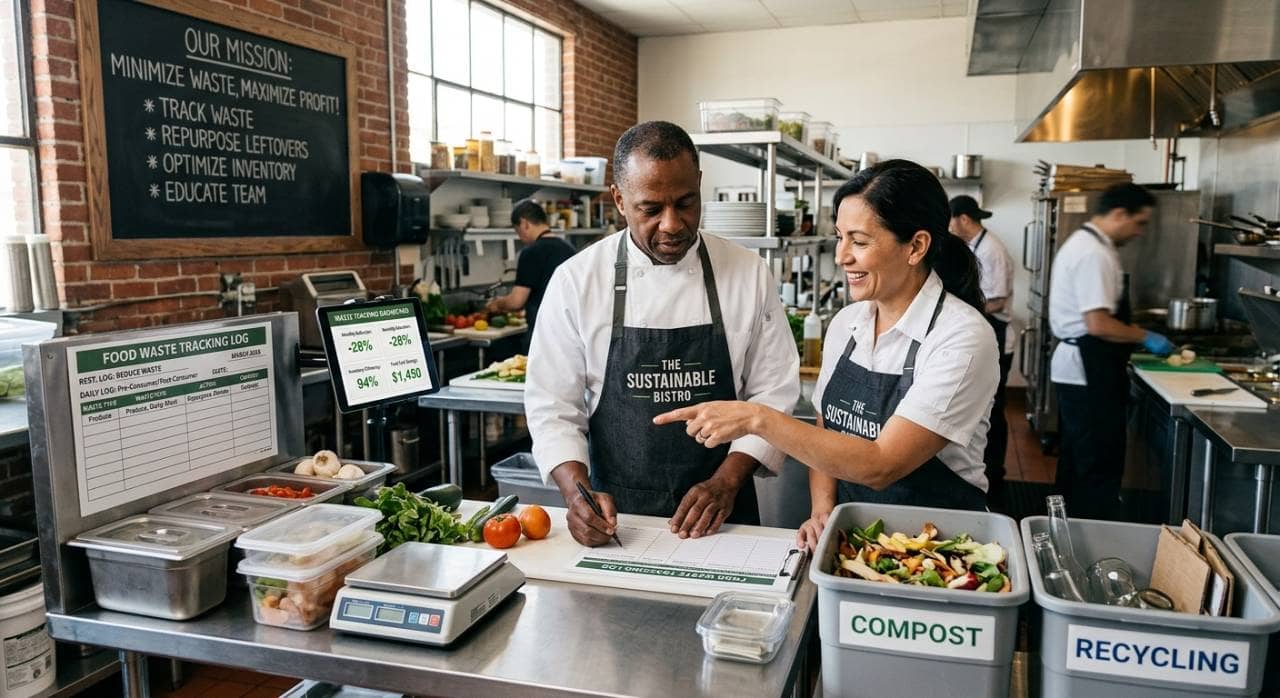
Learn how to reduce food waste in restaurants through smarter purchasing, storage, preparation, and service strategies that cut costs.
Sep 9, 2026
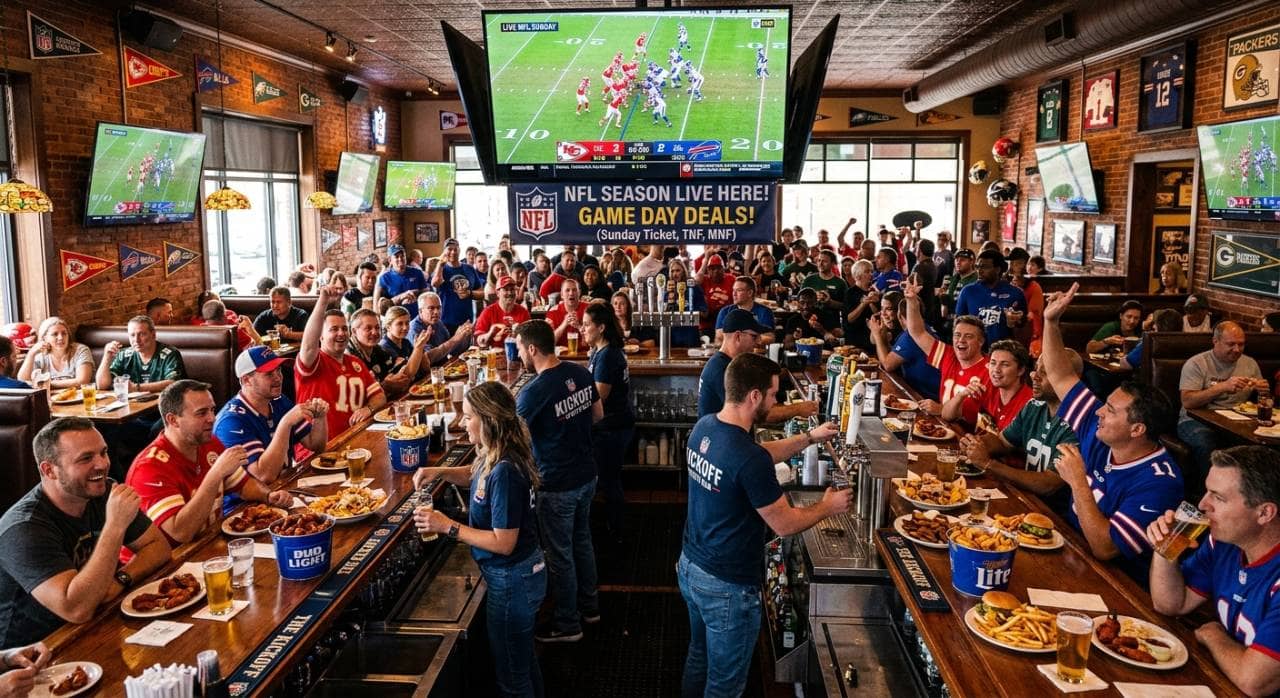
Prepare your restaurant for NFL season with smart menu planning, staffing, marketing, technology, and atmosphere strategies that boost season-long revenue.
Sep 9, 2026
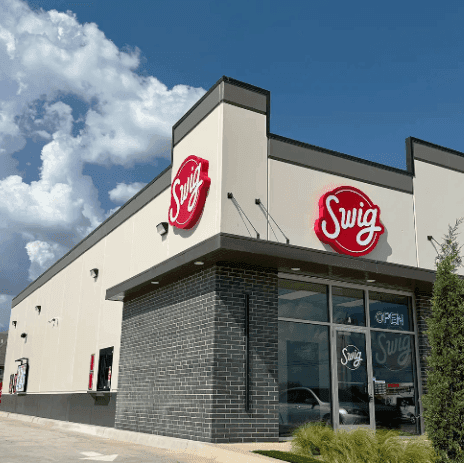
Swig signs franchise agreement for 11 South Denver locations, marking Colorado entry and validating its national expansion strategy.
Sep 8, 2026

QR code menus let restaurants replace paper menus digitally, enabling instant updates, contactless browsing, ordering, and payment through simple smartphone scanning.
Sep 7, 2026

Complete guide helping restaurant owners choose essential kitchen equipment - covering cooking, refrigeration, prep, sanitation, ventilation, safety, and long-term maintenance planning.
Sep 7, 2026

Avoiding common restaurant payroll mistakes - misclassification, tip credit errors, overtime miscalculations - protects businesses from costly penalties, back pay, and compliance risks.
Sep 4, 2026
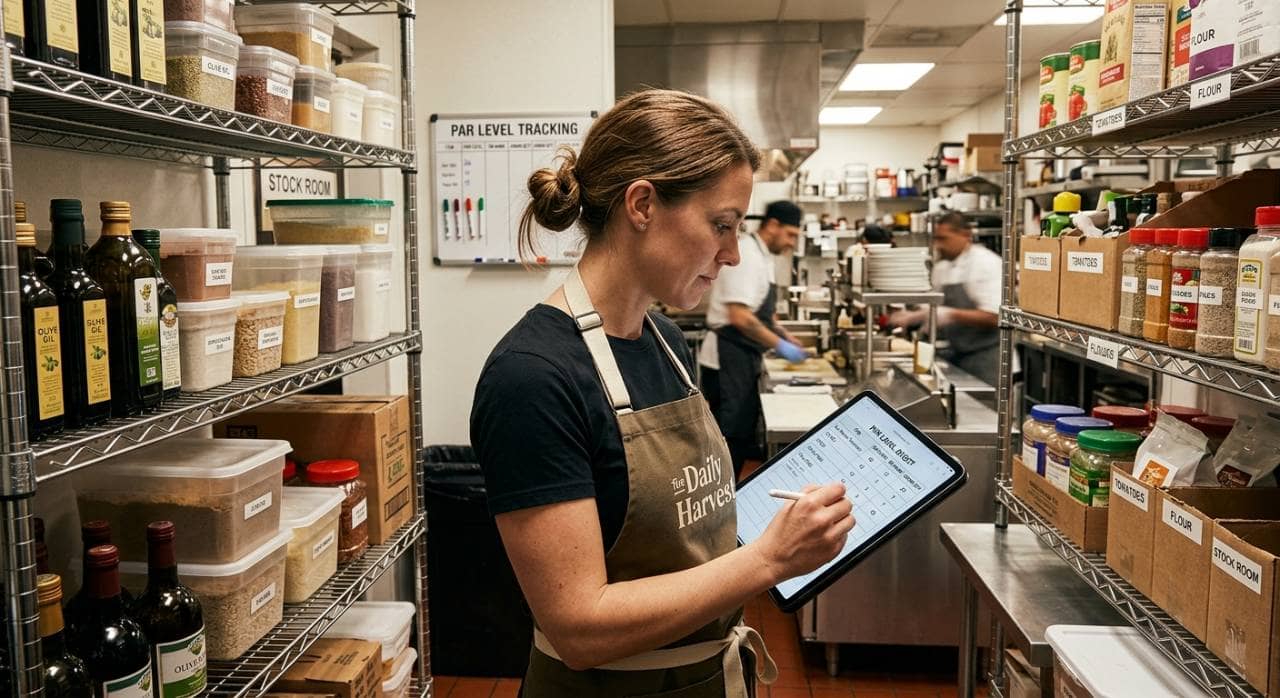
Learn to calculate par levels for restaurant food, beverages, and packaging inventory, preventing stockouts and waste through proper formulas.
Sep 4, 2026
Caribou Coffee appoints Zane Thomas-Rogers as Chief Operations Officer to strengthen execution across its expanding coffeehouse network.
Sep 4, 2026

Unlock Exclusive Access To Webinars, Events, And The Latest News For Free!
A portrait of Portillo’s CFO Michelle Hook, detailing a multi-channel growth plan, operational levers, and mentorship-driven culture shaping the brand.

Photo by Ball Park Brand
Since December 2020, Portillo’s has looked to its chief financial officer not merely as a numbers gatekeeper but as a navigator of growth in a post-pandemic landscape. Michelle Hook arrived at a moment of recalibration, pressing for a more expansive playbook: stronger marketing, streamlined operations, and a readiness to pursue new sales channels while accelerating expansion into growth markets. Her journey from a long tenure at Domino’s signals a broader industry pattern, women reaching the C‑suite even as representation remains uneven. This is the moment where leadership meets the kitchen floor: what comes next for a brand rethinking how it grows.
From Domino’s to Portillo’s, Hook’s path illustrates the value of cross‑functional mastery and mentorship. She spent a 17‑year arc at Domino’s, rising from senior manager of corporate accounting and reporting to vice president of finance, global finance, planning and analysis, and investor relations. In 2013 she earned the Women Making Their Mark award from the Women’s Foodservice Forum, a milestone she describes as both recognition and responsibility. Her trajectory, joining Domino’s just before its IPO and remaining a shareholder, foreshadows a rare ascent to the Portillo’s C‑suite. In the restaurant sector, 11.8% of S&P Global Total Market Index positions are held by women, while female workers comprise 54% of the industry. Hook attributes her ascent to deliberate effort and broad experience across functions.
Portillo’s has shifted toward a multi‑channel growth plan that leans on a broader marketing and a recalibrated media mix. In the fourth quarter the company increased advertising investment in its core Chicago market, the one with true scale, and observed higher transaction counts and stronger comparable sales. The leadership describes this not as a gamble but as a logical payback from early bets. Hook notes that the experience informs a broader plan to boost advertising budgets in the second half of the year and to accelerate growth by expanding in expansion markets.
“We’re typically not a brand that spends a bunch on advertising and marketing. We do local, grassroots marketing. In the fourth quarter, we spent more in our core market of Chicago, our only market with true scale, and saw positive transactions and comp sales. We know there was a payback.” This experience informs a broader plan to boost advertising budgets in the second half of the year and to accelerate growth by expanding in expansion markets.
Operational improvements are central to Portillo’s growth, with a laser focus on drive‑thru speed and throughput. Hook notes that even small improvements can reverberate through the topline: every 30‑second gain in service time translates to about a one‑percentage‑point lift in comparable sales. With drive‑thru representing roughly 40% of business, these gains accumulate quickly. At the same time, the brand is sharpening other levers, expanding catering, roughly 5% of sales, and extending its use of third‑party delivery platforms with targeted offers, creating a reliable, multi‑channel uplift that justifies continued investment as markets scale.
These were not one‑off bets but deliberate investments designed for scale. The math is clear in Hook’s framing: small throughput gains become meaningful top‑line contributions when the brand moves into growth markets and strengthens delivery and catering channels. The emphasis on efficiency sits alongside a growing emphasis on partnerships with delivery platforms and a diversified revenue mix, quietly building resilience into Portillo’s expansion narrative.

Beyond the numbers, Hook presents Portillo’s growth as a people‑led endeavor. She has become a mentor who champions authenticity and safe dialogue, arguing that leaders must stay true to who they are even in high‑stakes environments. The culture she fosters aims to bridge gender gaps in an industry where leadership is still uneven, while ensuring that conversations stay constructive and inclusive. In practice, mentorship becomes a mechanism for retention and growth, a way to buoy talent as Portillo’s scales across new markets and beyond the Chicago core.
“Embracing mentorship is important because then you can talk to people about things you need to talk about in a safe environment. It’s also important to be authentic to who you are. Just because you’re in a room full of people doesn’t mean you should change or be afraid to share thoughts or opinions.” This philosophy threads through Portillo’s hiring, training, and leadership development, shaping a culture that can sustain rapid expansion while staying grounded in core values.

In a market where consumer pockets tighten, Portillo’s centers value as a competitive anchor. The chain has pivoted toward bundled meals under its Famous Five concept, including offerings priced under $10 to simplify choices on a large menu and to lift attachment rates for sides and drinks. Hook explains the aim: it helps customers navigate a broad menu while reinforcing value perception at a moment when households are price‑conscious. The strategy combines a vast menu with measured pricing to compete without broad discounts, preserving margins as the business scales in growth markets.
“We run world‑class operations. We’re focused on not getting too aggressive on pricing. Consumers are still willing to spend on brands they believe provide them with an overall value and we think our vast menu does that.” That framing aligns with industry trends toward value, efficiency, and multi‑channel growth, while Portillo’s eyes real estate, labor, and platform dynamics in the road ahead as it scales.
