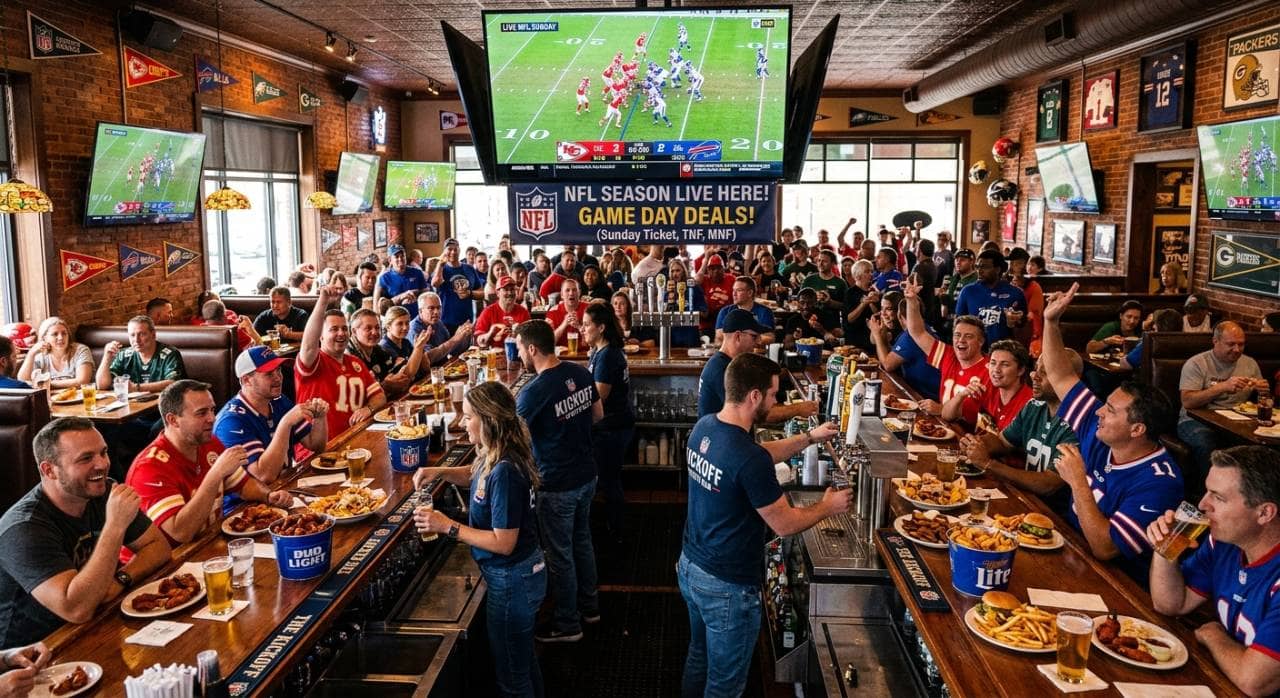
How to Prepare Your Restaurant for the NFL Season
Prepare your restaurant for NFL season with smart menu planning, staffing, marketing, technology, and atmosphere strategies that boost season-long revenue.
Marketing
Sep 9, 2026
Prepare your restaurant for NFL season with smart menu planning, staffing, marketing, technology, and atmosphere strategies that boost season-long revenue.
Sep 9, 2026
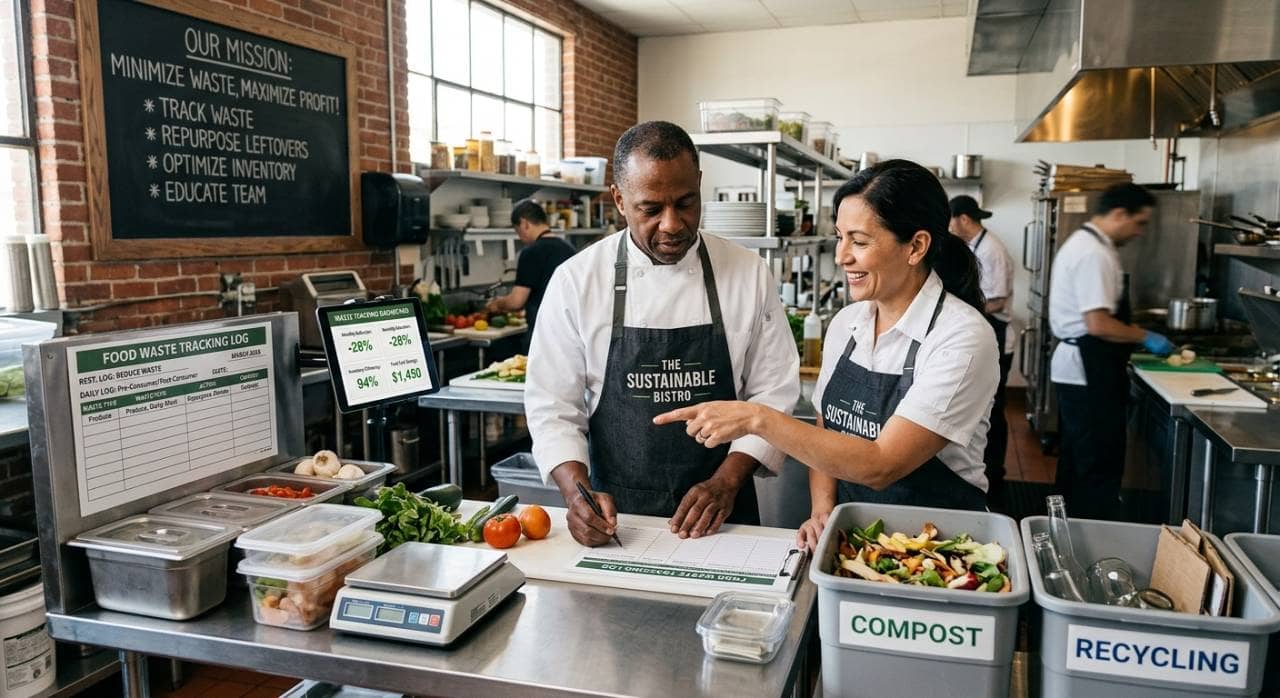
Learn how to reduce food waste in restaurants through smarter purchasing, storage, preparation, and service strategies that cut costs.
Sep 9, 2026
Swig signs franchise agreement for 11 South Denver locations, marking Colorado entry and validating its national expansion strategy.
Sep 8, 2026
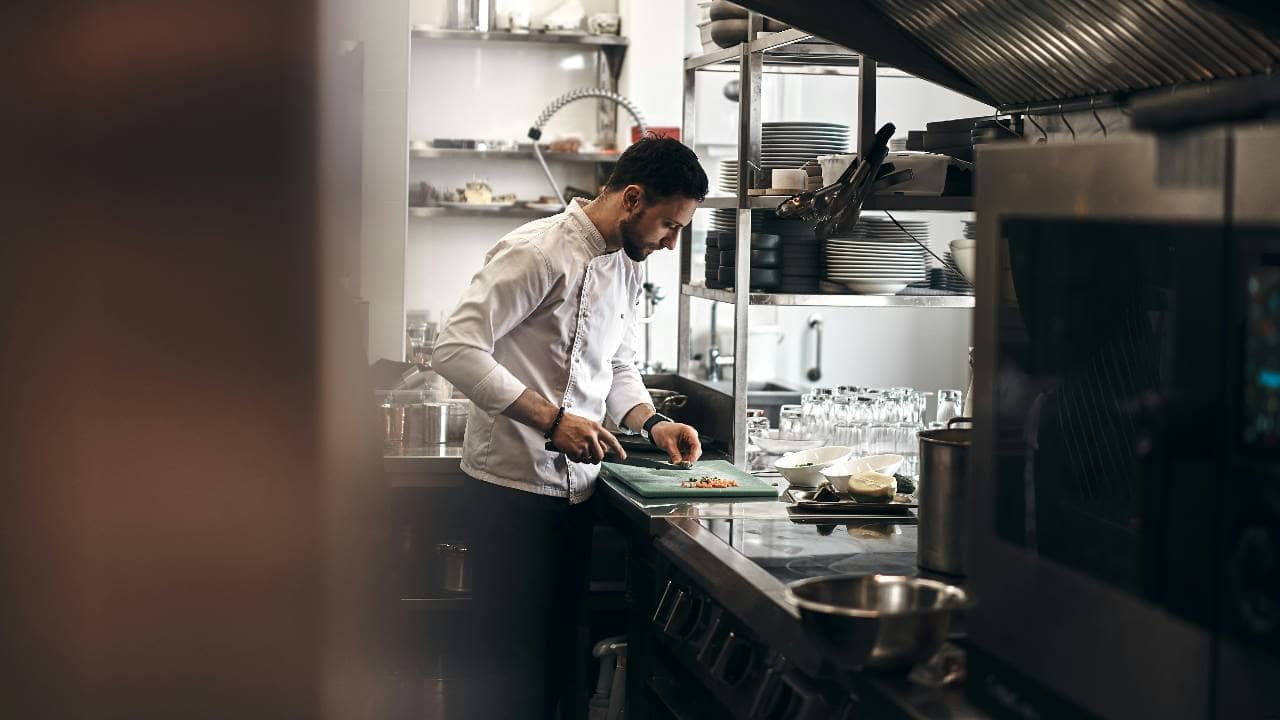
Complete guide helping restaurant owners choose essential kitchen equipment - covering cooking, refrigeration, prep, sanitation, ventilation, safety, and long-term maintenance planning.
Sep 7, 2026
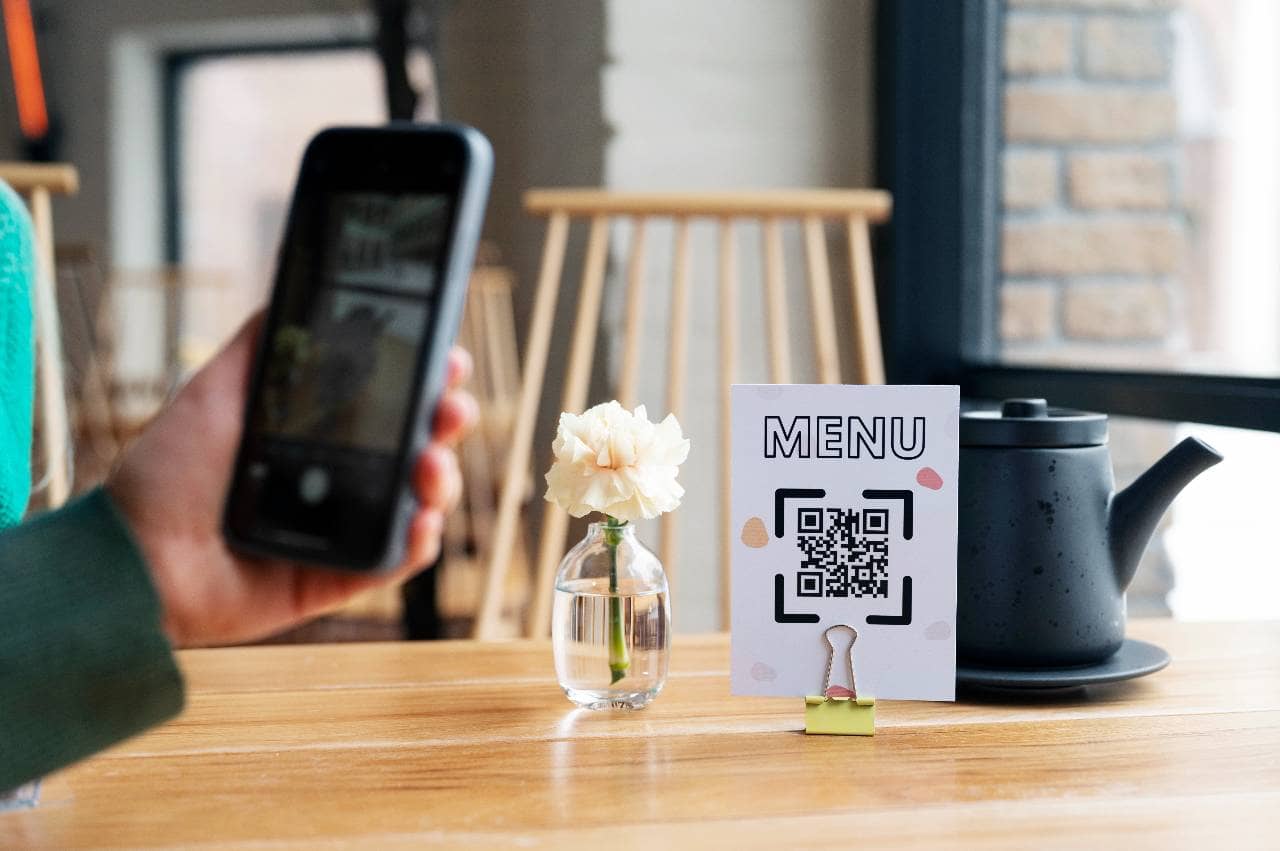
QR code menus let restaurants replace paper menus digitally, enabling instant updates, contactless browsing, ordering, and payment through simple smartphone scanning.
Sep 7, 2026

Avoiding common restaurant payroll mistakes - misclassification, tip credit errors, overtime miscalculations - protects businesses from costly penalties, back pay, and compliance risks.
Sep 4, 2026
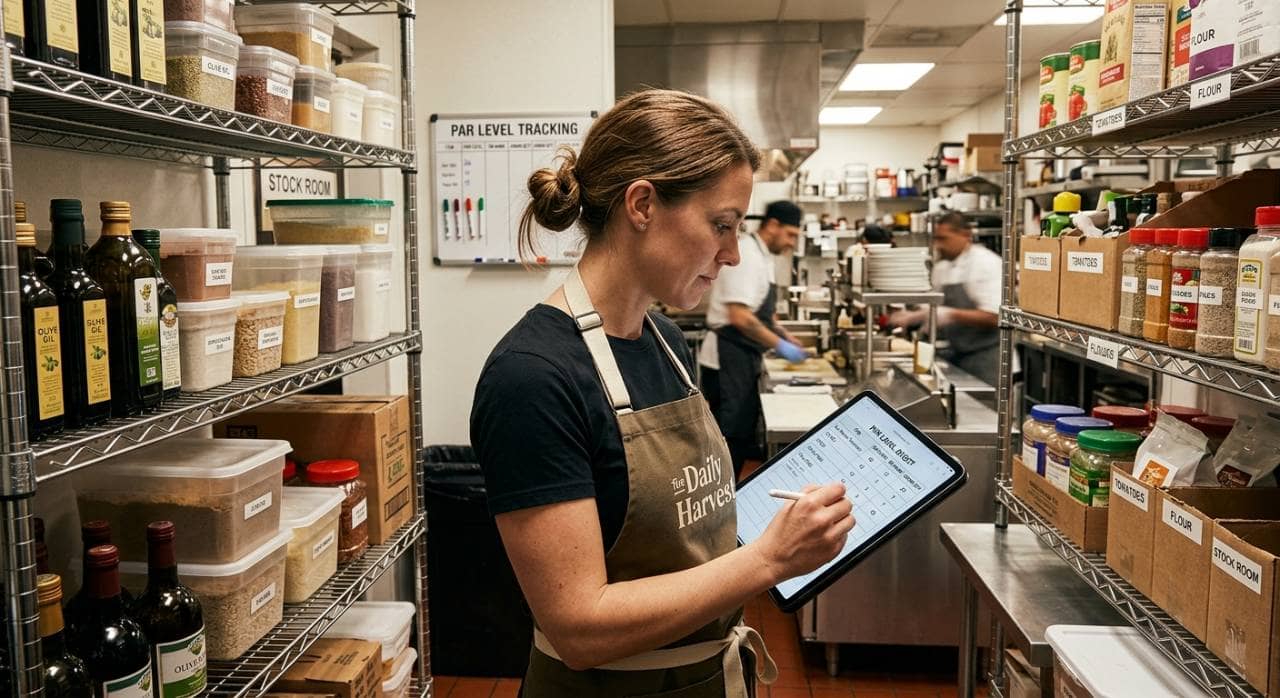
Learn to calculate par levels for restaurant food, beverages, and packaging inventory, preventing stockouts and waste through proper formulas.
Sep 4, 2026
Caribou Coffee appoints Zane Thomas-Rogers as Chief Operations Officer to strengthen execution across its expanding coffeehouse network.
Sep 4, 2026
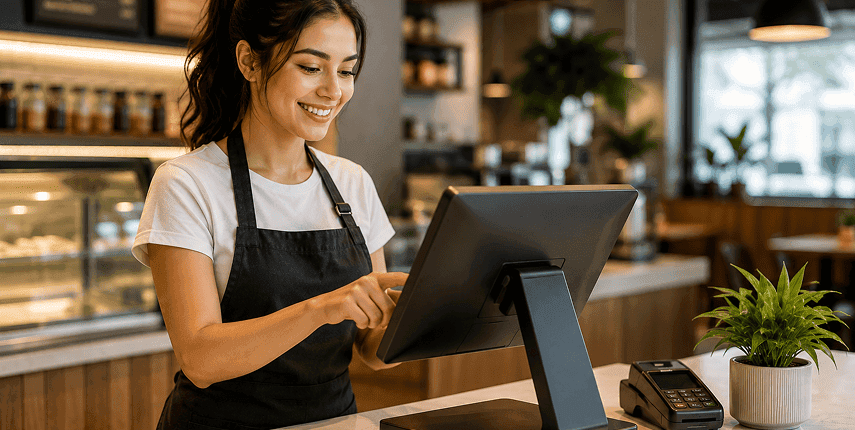
Compare the top 10 restaurant POS systems in the USA for 2026. Explore features, pricing, pros, cons, and the best POS options for every restaurant type.
Jul 1, 2026

Learn how to handle restaurant payroll yourself, from calculating hours and wages to managing tips, taxes, and final paychecks.
Sep 2, 2026

Unlock Exclusive Access To Webinars, Events, And The Latest News For Free!
A dockworkers strike across 36 U.S. ports tests restaurant supply chains, prompting shifts in sourcing and pricing.

Photo by Jason Leung
From the docks, a steady chorus of horns, cranes, and cargo doors turned suddenly muted, as a disruption drifted inland into every kitchen. When 36 major U.S. ports were affected, the reliable cadence of deliveries began to falter, and restaurants found themselves listening for arrivals that might never come on time. The immediate effect was felt in the back rooms: missing ingredients, late shipments, and the anxious sense that the daily routine could be rewritten overnight. This wasn't just a headline; it was a lived mood in places where menus hinge on what arrives each morning. It was the start of a long, gentle wait that would teach many operators to slow down and listen more closely: a quiet lesson about patience and timing.
Practically, the disruption mapped across the supply chain with a clarity that felt almost intimate. The ports handle a substantial share of imports and exports, and the perishable goods that kitchens rely on, bananas among them, became a vivid symbol of vulnerability. 3.8 million metric tons pass through these hubs each year, roughly 75% of the domestic supply, according to industry coverage. As inventories tighten, restaurants face substitutions, longer lead times, and potential price shifts. In industry chatter and newsroom dashboards alike, the question persisted: how far would a pause at the docks ripple into daily menus and customer expectations?

At the bargaining table, wages and automation became the pivot points of a much larger conversation about living standards and the pace of change. The leadership of the International Longshoremen’s Association (ILA) framed the dispute as essential to preserving jobs and dignity amid a tug-of-war with automation. Time coverage noted the call for broad wage growth to offset inflation and non-negotiable protections against automation for many workers. We are prepared to fight as long as necessary, to stay out on strike for whatever period of time it takes, to get the wages and protections against automation our ILA members deserve Daggett said, crystallizing the mood on the dockside.
Industry observers cautioned that inflation pressures and supply gaps demanded a credible settlement, and the White House and federal negotiators urged a resolution to minimize broader disruption. As a logistics expert warned, If the strikes go ahead, they will cause enormous delays across the supply chain, a reminder that the quiet moves behind the scenes can echo loudly in back rooms and boardrooms alike. In kitchens, operators weighed the immediate hit to supply against longer-term pricing strategies, while investors watched for signals about how a settlement might reshape contracts and lead times. The path forward hinged on credibility and speed, with both sides feeling the weight of the moment.
History and headlines collided in the restaurant world when Chuy’s Holdings moved to an all-cash sale to Darden Restaurants at $37.50 per share, valuing the deal at roughly $605 million. The company boasted 101 restaurants in 15 states as of mid-2024, with trailing-twelve-month revenues topping $450 million. Darden completed the acquisition, weaving Chuy’s into its growing family of brands and shifting competitive dynamics across casual dining. The timing mattered: the deal surfaced as the port disruption intensified, underscoring how capital moves can intersect with supply shocks in unpredictable ways. The completion date was targeted for October 11, 2024.
Looking ahead, observers framed this as a moment of convergence: consolidation in a crowded field and a test of how well operators can absorb shocks while maintaining growth trajectories. The Chuy’s acquisition, paired with the timing of the port disruption, pointed to a market eager to reweight its bets, on efficiency, scale, and the ability to weather volatility without sacrificing guest experience. In the calculus of finance and flavor, scale can be a safe harbor, but only if the ships, suppliers, and franchisees stay in steady alignment, with margins that still allow a warm plate to land on every table.

Beyond labor headlines, the industry charted a bold path for international growth. Subway signaled a long horizon of expansion with more than 10,000 future restaurant commitments secured through master franchise agreements developed over the prior three years. The milestone reflected a strategy to lean on local partners to unlock growth outside North America, with more than 20 master franchise agreements spanning Europe, the Middle East, Africa, Asia Pacific, and the Americas. In parallel, Dickey’s Barbecue Pit disclosed that its U.S. franchise network closed a net 85 locations in the fiscal year ending May 31, 2024, a reminder that expansion can collide with churn and the need for renewed operator support.
Taken together, these signals sketched a dual rhythm: opportunities on a global stage and the stubborn reality of domestic network management. The Subway surge suggested appetite for growth through partnerships and diverse markets, while Dickey’s closures underscored the fine balance between ambitious development and sustainable unit economics. For operators and investors, the takeaway is not to choose one path over another but to weave them together: pursue international partnerships without losing sight of domestic fundamentals, and always keep the human hand in the balance, franchisee engagement, supply reliability, and a menu that can travel without breaking.

Amid the milestones, uncertainties persisted. The October 2024 port strike ended with a tentative wage agreement and an extension of the master contract to January 15, 2025, but automation terms were still to be resolved in subsequent negotiations. Analysts cautioned that automation provisions could be a long-running sticking point, potentially delaying full normalization of port operations. For restaurant operators, the lesson was clear: diversify sourcing, accelerate supplier relationships, and maintain visibility into lead times and contingencies. The arc, from labor actions to global growth, offers a patient tale of a sector recalibrating for volatility and opportunity alike.
Taken together, these episodes remind us that one disruption can cascade through a complex ecosystem of menus, prices, and capital. The era ahead will demand resilience as both a mindset and a strategy: the art of planning for multiple futures, the patience to endure shifts on the docks, and the ambition to build connections, across continents, brands, and franchisees, that make a business not just larger, but gentler to travel with. In a café‑like rhythm, the industry leans into change with confidence, empathy, and a commitment to keeping guests fed and hearts at ease as the world keeps turning.