California Penalizes Dickey's for Franchise Disclosure Violations
California shifts to public enforcement strategy against Dickey's for deceptive franchise disclosures, signaling stricter state-level franchise oversight.
Franchising
Sep 10, 2026
California shifts to public enforcement strategy against Dickey's for deceptive franchise disclosures, signaling stricter state-level franchise oversight.
Sep 10, 2026
Paul Brown temporarily steps away from Inspire Brands as Scott Murphy assumes interim CEO role during confidential IPO filing process targeting late 2026.
Sep 10, 2026
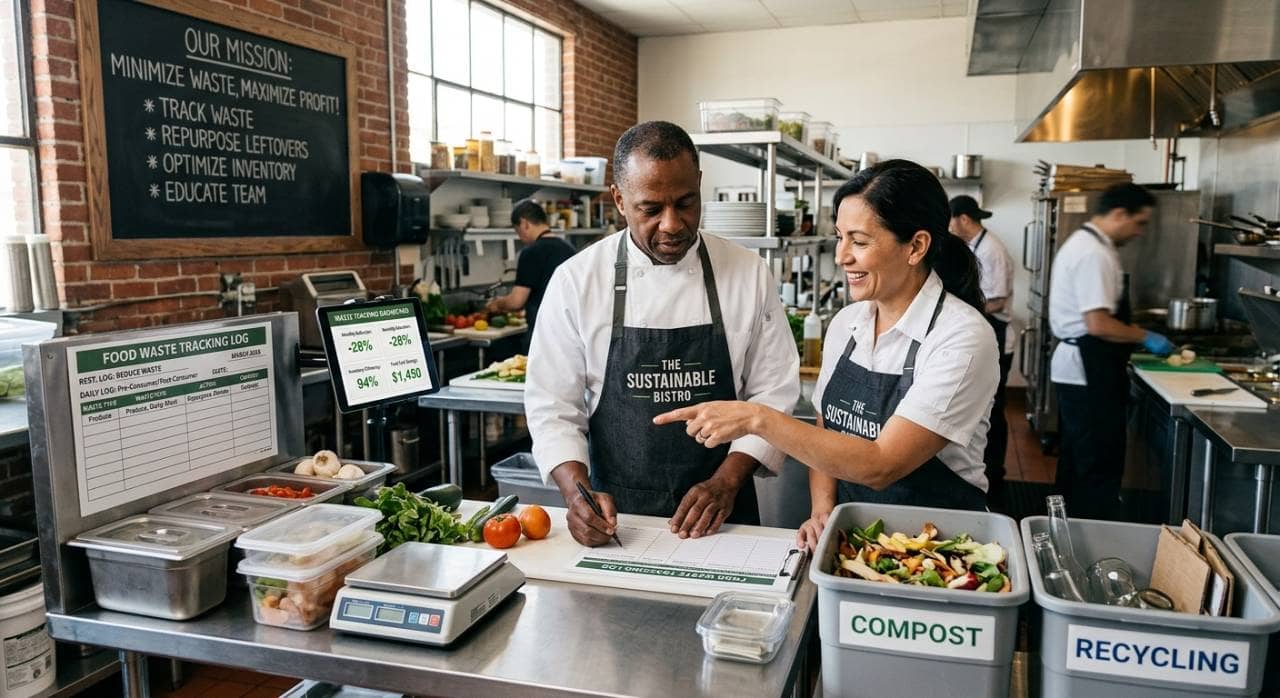
Learn how to reduce food waste in restaurants through smarter purchasing, storage, preparation, and service strategies that cut costs.
Sep 9, 2026
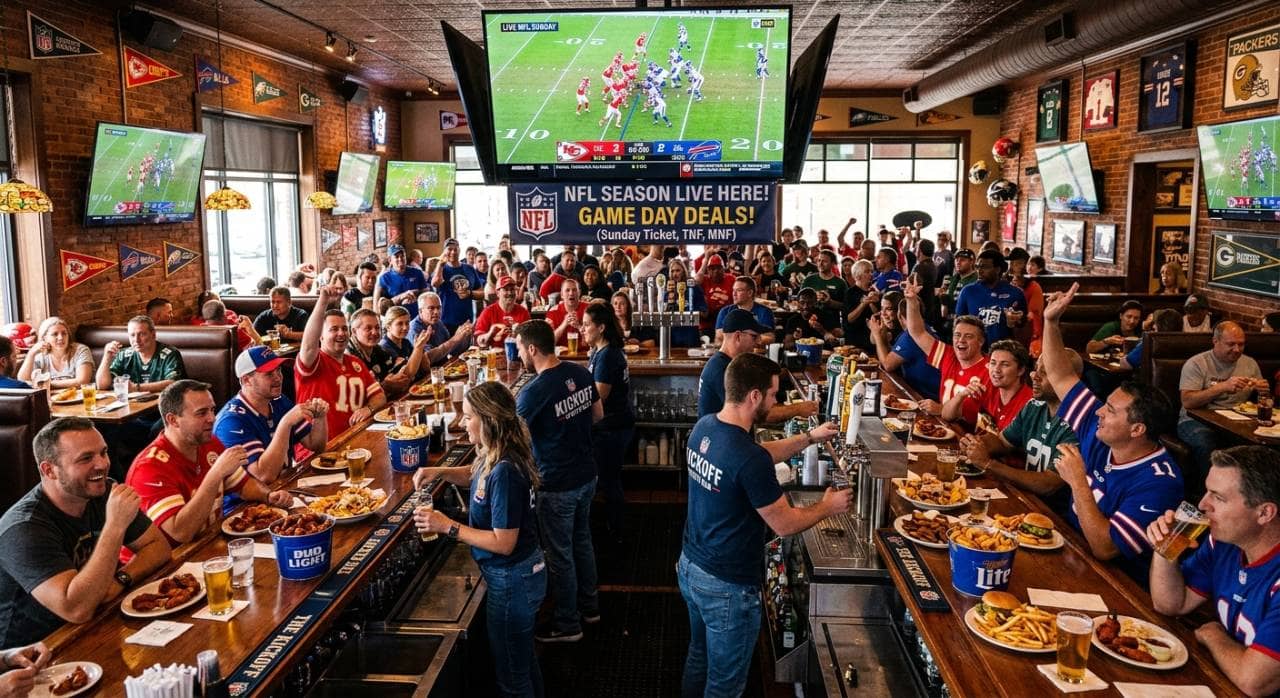
Prepare your restaurant for NFL season with smart menu planning, staffing, marketing, technology, and atmosphere strategies that boost season-long revenue.
Sep 9, 2026
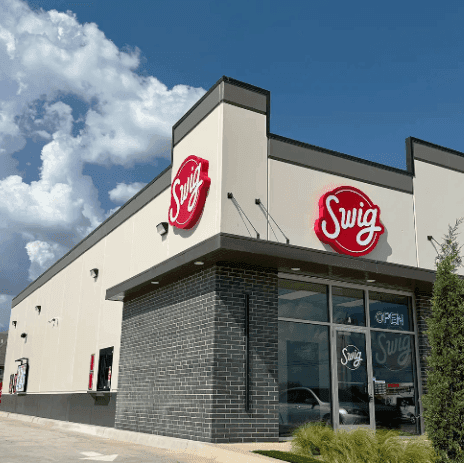
Swig signs franchise agreement for 11 South Denver locations, marking Colorado entry and validating its national expansion strategy.
Sep 8, 2026
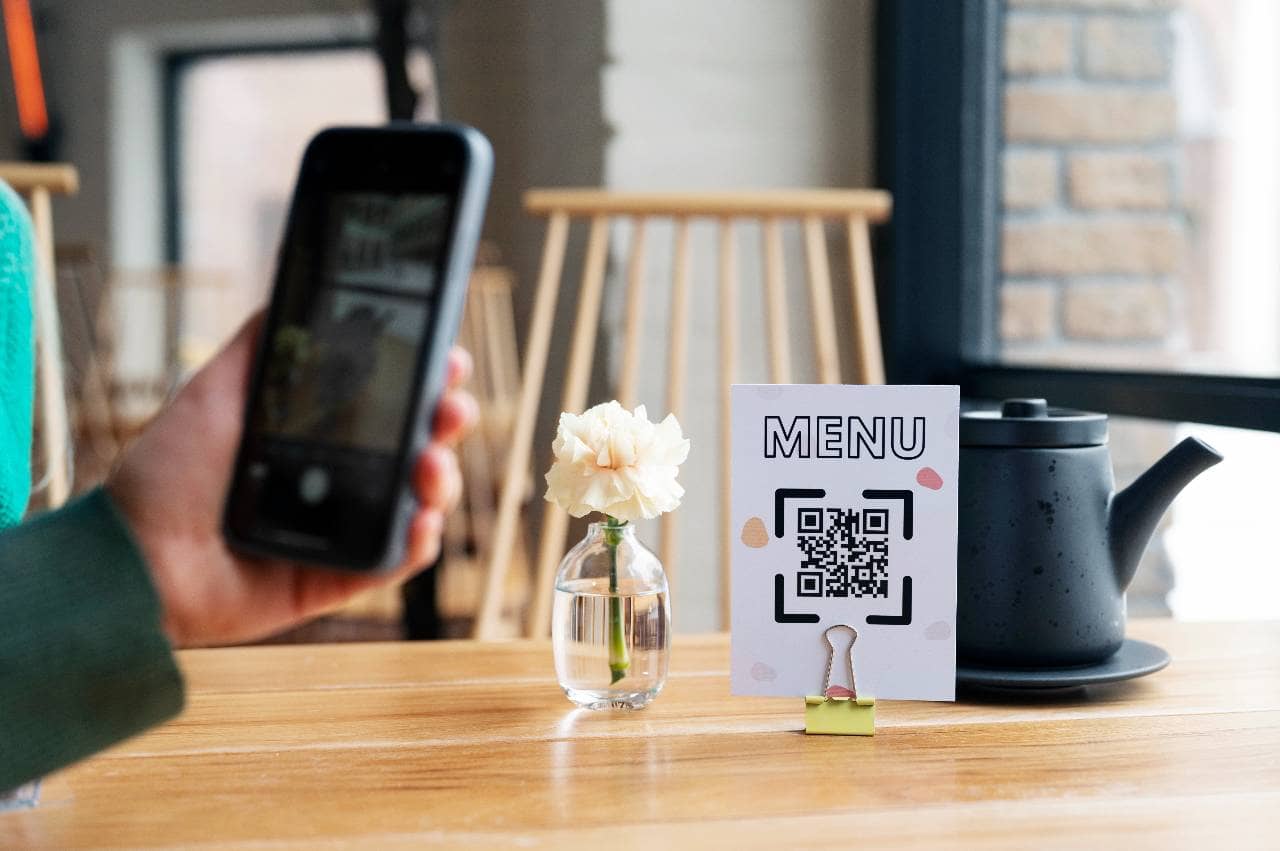
QR code menus let restaurants replace paper menus digitally, enabling instant updates, contactless browsing, ordering, and payment through simple smartphone scanning.
Sep 7, 2026
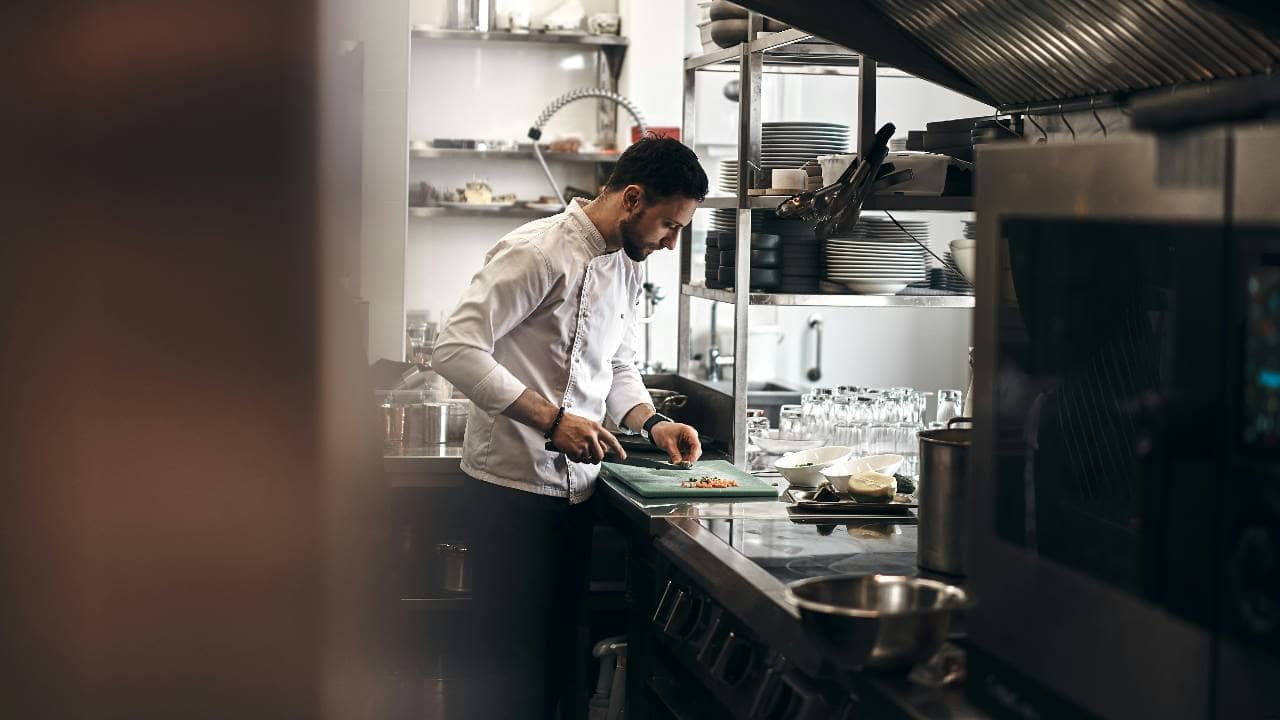
Complete guide helping restaurant owners choose essential kitchen equipment - covering cooking, refrigeration, prep, sanitation, ventilation, safety, and long-term maintenance planning.
Sep 7, 2026

Avoiding common restaurant payroll mistakes - misclassification, tip credit errors, overtime miscalculations - protects businesses from costly penalties, back pay, and compliance risks.
Sep 4, 2026
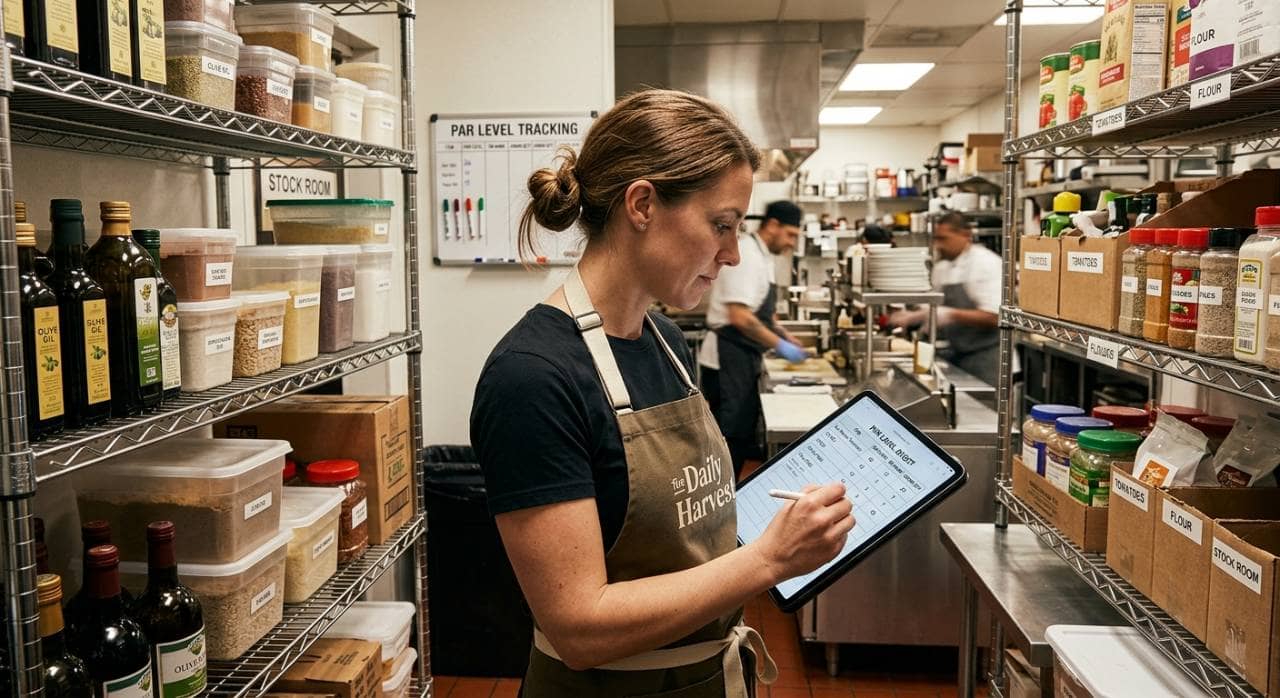
Learn to calculate par levels for restaurant food, beverages, and packaging inventory, preventing stockouts and waste through proper formulas.
Sep 4, 2026
Caribou Coffee appoints Zane Thomas-Rogers as Chief Operations Officer to strengthen execution across its expanding coffeehouse network.
Sep 4, 2026

Unlock Exclusive Access To Webinars, Events, And The Latest News For Free!
Potbelly expands to Fort Liberty and the Pentagon, testing formats and a Digital Kitchen to reach service members and families on base, targeting a 2,000-location footprint.

Photo by jack shingai
Potbelly is leaning into a bold bet: bring its oven-toasted sandwiches inside military bases. The plan centers on Fort Liberty and the Pentagon, places where service members and families move through the day with predictable needs and routines. By anchoring shops on base property, Potbelly hopes to unlock a captive, consistently hungry audience and accelerate toward a goal that sounds almost architectural: a footprint near 2,000 locations. It is a move powered by reliability, familiarity, and a quiet faith in easy, comforting dining:
From the first conversations to the horizon of growth, the base strategy centers on delivering the same menu and experience customers expect on the traditional storefronts. Oven-toasted sandwiches, soups, ice cream shakes, and fresh-baked cookies will travel with the same care and timing, ensuring familiarity even when the surroundings change. The aim is simple: reach service members and families who may not have easy access to a Potbelly shop, while positioning the brand for a wider national footprint across military installations.
As the plan unfolds, leadership frames the move as measured and intentional: expand where there is captive foot traffic, maintain a consistent menu, and scale with disciplined partnerships. The shared sense is that a base presence is not just about convenience, but about building a routine that families and service members can count on during long days away from home.

Potbelly leadership frames military bases as a unique opportunity to place the brand where service members and families would otherwise struggle to reach a Potbelly. This dovetails with a longer growth goal of reaching 2,000 locations. The aim is to build a repeat-customer base in high-traffic, security-conscious settings by offering familiar, reliable options that travel with the rhythm of base life.
At Fort Liberty, the first spaces appear inside a food court; two additional sites will attach as a drive-thru and a gas-station attachment, reflecting a testing ground for format flexibility. The company previewed an updated 1,800-square-foot prototype, with a refreshed color palette and the Potbelly Digital Kitchen, which adds a second makeline dedicated to digital orders. The updates seek to streamline both dine-in and online experiences, with digital ordering integrated into the core workflow via backline redesign and strategic pickup shelves.
This measured, base-first approach signals Potbelly intends to translate early lessons into scalable formats, balancing brand consistency with the realities of base environments and franchise growth.
Potbelly is testing formats tailored to on-base environments, beginning with a sit-in inside a food court at Fort Liberty, while two forthcoming sites lean into drive-thru and gas-station attachments. The 1,800-square-foot prototype features a refreshed color palette and the Potbelly Digital Kitchen, designed to keep online and offline orders moving in harmony.
These changes are more than aesthetics. A second makeline is dedicated to digital orders, while a backline redesign and dedicated pickup shelves connect the kitchen to the curb in a smoother rhythm. The concept is meant to be adaptable for franchise growth, letting operators manage demand whether customers stop for a quick bite or place an order from base lodging or office.
This integrated approach illustrates a future where base dining inherits the convenience expectations of urban quick-service brands.

Within the broader fast casual landscape, the base-dining trend is gathering momentum. Brands such as Panera Bread, Tropical Smoothie Cafe, and Cupbop have already opened on military properties, signaling a growing comfort with government-property dining partnerships. DoD concessions and exchange networks are increasingly aligning with brands that promise consistent menus and efficient service in high-traffic, security-focused settings. Grubhub Onsite and other digital-ordering initiatives are shaping how service members access familiar meals when they are on base.
Potbelly’s insistence on a uniform menu across base locations reinforces reliability for service members and families who rely on predictable options during on-base visits. The on-base ecosystem increasingly favors brands that can deliver the same experience with quick, friendly service, whether inside a food court, at a drive-thru, or near a base entrance.
Taken together, these signals describe a landscape where reliability and accessibility matter as much as taste.

Fort Liberty opened its first Potbelly in April, followed by a Pentagon location in July 2024. The plan called for two additional Fort Liberty sites to open by year-end, underscoring a brisk pace as the brand scales its base-friendly model. With an eye toward a universal horizon, Potbelly frames a national footprint near 2,000 locations, shaping capital planning and franchise strategy around that goal.
Nevertheless, gaps remain, wrapped in uncertainties about future base deployments beyond Fort Liberty and the Pentagon, long-term franchise agreements, and the exact pace of expansion. DoD concessions policy, base-exchange approvals, and real estate availability will help determine how quickly and where Potbelly can grow. The regulatory framework governs carry-out and dine-in on installations, and daily access can shift with security and budgeting decisions.
Looking forward, Potbelly’s strength will be measured by its ability to translate prototype learnings into scalable, profitable base locations while preserving the guest experience across diverse environments.