
California Penalizes Dickey's for Franchise Disclosure Violations
California shifts to public enforcement strategy against Dickey's for deceptive franchise disclosures, signaling stricter state-level franchise oversight.
Franchising
Sep 10, 2026
California shifts to public enforcement strategy against Dickey's for deceptive franchise disclosures, signaling stricter state-level franchise oversight.
Sep 10, 2026
Paul Brown temporarily steps away from Inspire Brands as Scott Murphy assumes interim CEO role during confidential IPO filing process targeting late 2026.
Sep 10, 2026
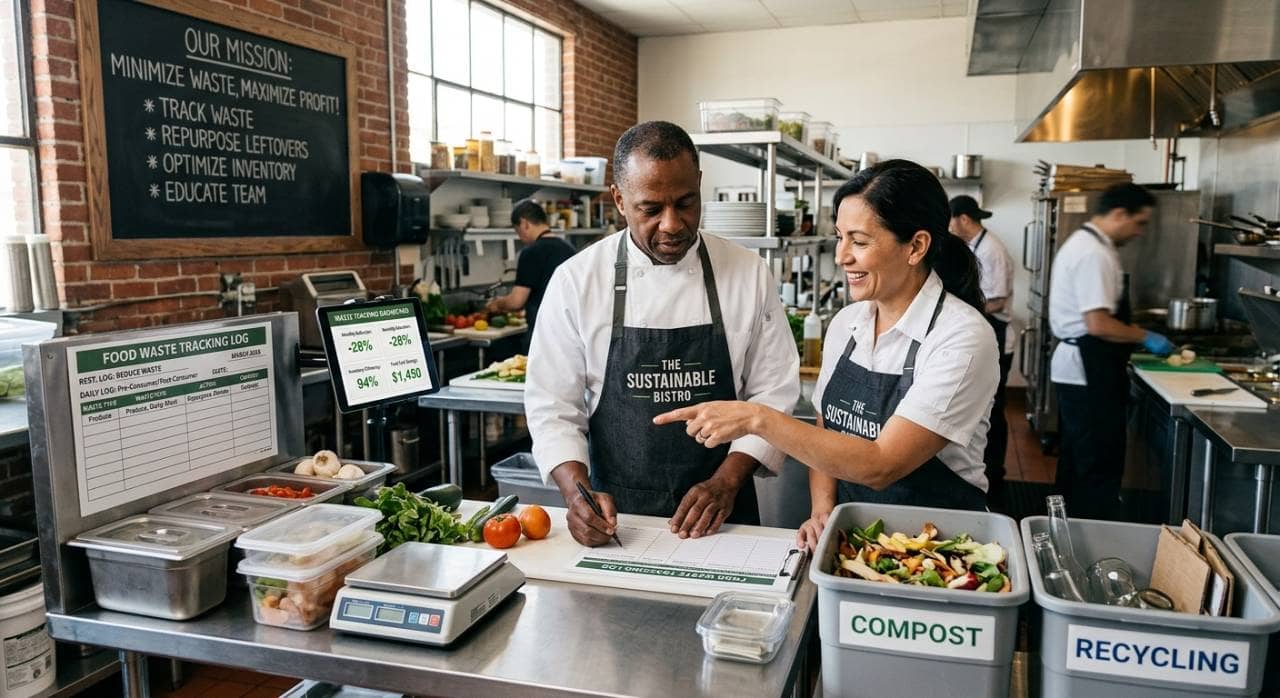
Learn how to reduce food waste in restaurants through smarter purchasing, storage, preparation, and service strategies that cut costs.
Sep 9, 2026
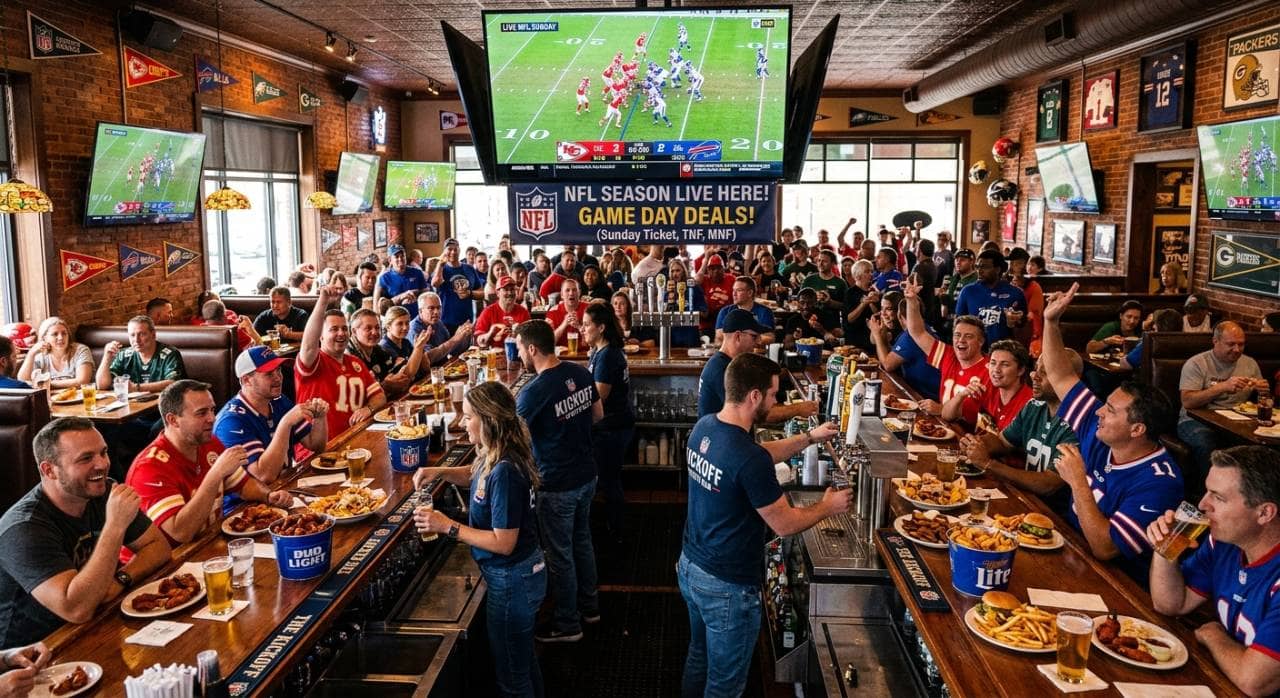
Prepare your restaurant for NFL season with smart menu planning, staffing, marketing, technology, and atmosphere strategies that boost season-long revenue.
Sep 9, 2026
Swig signs franchise agreement for 11 South Denver locations, marking Colorado entry and validating its national expansion strategy.
Sep 8, 2026
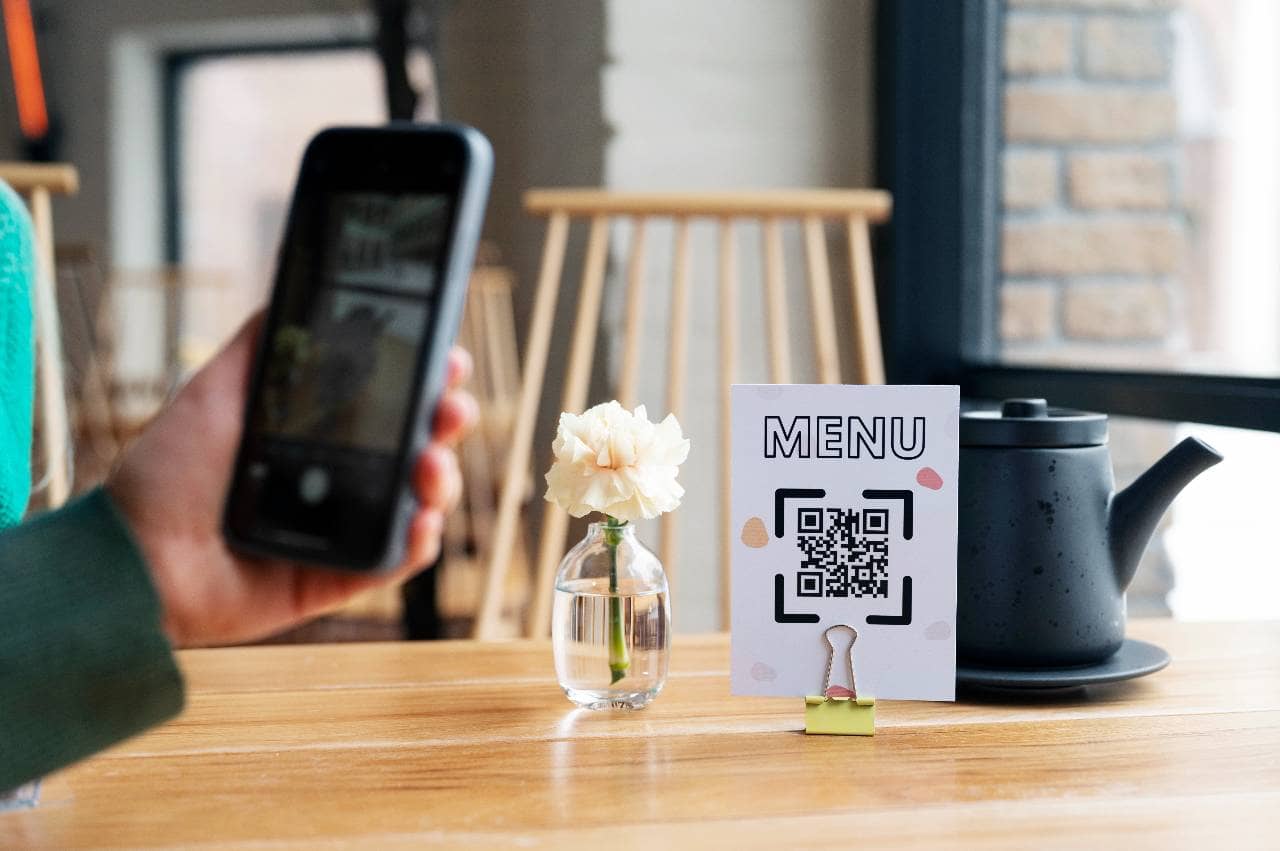
QR code menus let restaurants replace paper menus digitally, enabling instant updates, contactless browsing, ordering, and payment through simple smartphone scanning.
Sep 7, 2026
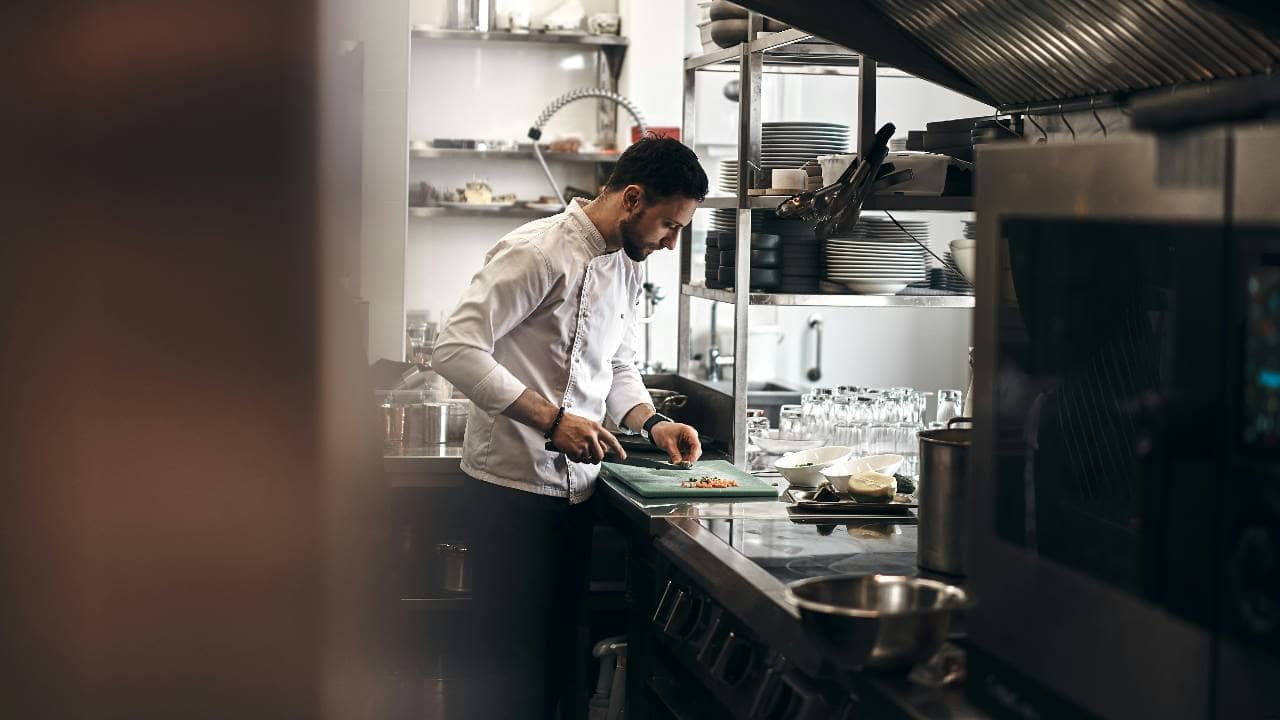
Complete guide helping restaurant owners choose essential kitchen equipment - covering cooking, refrigeration, prep, sanitation, ventilation, safety, and long-term maintenance planning.
Sep 7, 2026

Avoiding common restaurant payroll mistakes - misclassification, tip credit errors, overtime miscalculations - protects businesses from costly penalties, back pay, and compliance risks.
Sep 4, 2026
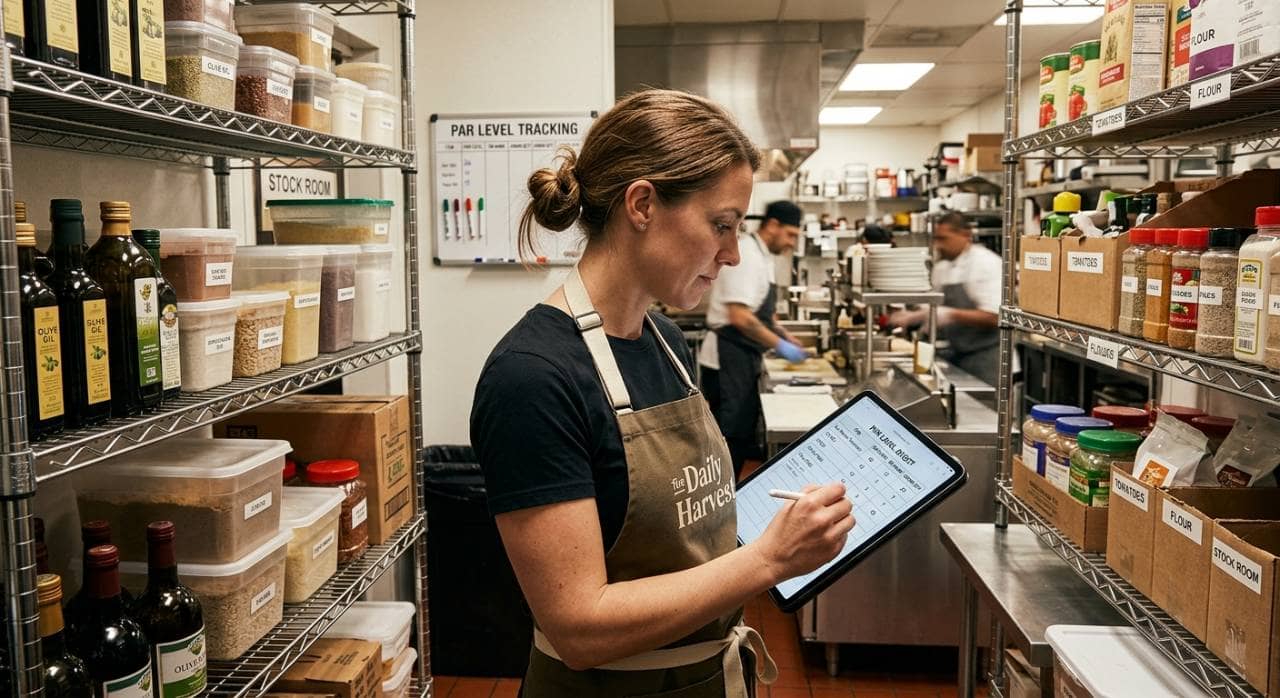
Learn to calculate par levels for restaurant food, beverages, and packaging inventory, preventing stockouts and waste through proper formulas.
Sep 4, 2026
Caribou Coffee appoints Zane Thomas-Rogers as Chief Operations Officer to strengthen execution across its expanding coffeehouse network.
Sep 4, 2026

Unlock Exclusive Access To Webinars, Events, And The Latest News For Free!
Rising menu prices meet flat grocery costs, prompting value-driven trials and leadership reshaping across major brands to balance traffic and profitability.

Photo by Praswin Prakashan
At the dawn of a new dining economy, the restaurant horizon tilts between menu price hikes and grocery bills that stubbornly refuse to rise. Diners recalibrate where to spend discretionary dollars, weighing the lure of a meal out against the comfort of buying groceries. Operators feel the tug of this divergence in real time. In the spotlight is McDonald’s, which has leaned into value as a remedy, unveiling a new $5 value meal to counteract negative traffic trends. The question behind the numbers is simpler and harsher: can discounting sustain momentum without hollowing the brand? This is the terrain where strategy and sentiment converge.
CNBC and AP News captured the moment when McDonald’s extended its $5 value meal to many markets after an initial four-week rollout, signaling a strategy aimed at winning back cash-conscious consumers while testing margins at the franchise level. Yet observers caution that the tactic carries deliberate risks: large chains must safeguard profitability while ensuring that value promotions don’t erode brand equity or recalibrate consumer expectations about what dining out should cost. The unfolding dilemma is clear: secure short-term traffic, but avoid a long-term dependence on discounts that could reshape shopper behavior toward grocery stores.

Beyond the single promo, the industry’s price dynamics sculpt decisions about operating models and the stories brands tell. The gulf between what a restaurant plate costs and what a grocery cart buys has sharpened scrutiny of cost absorption, menu design, and promotional cadence. In this milieu, McDonald’s has pursued a tiered value approach, testing both the $5 value meal and broader McValue offerings across markets. Many locales chose to sustain the value meal beyond its initial window, signaling a deliberate choice to drive traffic while watching profitability at the franchise level.
Analysts note that promotions can drive footfall but risk compressing margins if not matched with efficiency gains and menu optimization. The narrative around value also touches brand perception, consumers want reliability and affordability, not a carousel of prices that feels episodic. CNBC’s coverage of extending the deal into December and AP News’s framing of a company-wide value strategy underline a longer horizon: this is about balancing immediate traffic with sustainable earnings. The industry is watching how such efforts interact with broader cost controls, supply-chain resilience, and the discipline needed to preserve long-run equity while remaining responsive to price-sensitive customers.
Leadership shifts are reshaping the playbook for the era’s burger-and-bowl giants. In a high-profile transition, Starbucks appointed Brian Niccol as its chief executive, presenting a four-point plan intended to stabilize and grow the brand amid volatility. The announcement, framed as an open letter, signaled urgency and a refreshed strategic compass, one that seeks to reassure franchisees and investors that momentum will be reasserted through clarity more than cleverness. The move, widely read as a response to market pressures, mirrors a broader industry pattern: executives lean on a coherent roadmap to restore trust while navigating cost pressures and shifting consumer preferences.
Context surrounding Niccol’s appointment emphasizes the strategic logic of bringing Chipotle experience to Starbucks’ turnaround. The compensation package and the rationale of borrowing a fast-casual playbook into a coffeehouse giant have fueled conversations about execution risk and stakeholder alignment. Analysts note that a well-communicated plan, still unfolding, appears essential to steady performance across store networks and investor sentiment. The conversation around leadership transitions, then, becomes as much about governance as about menu design: people, timing, and a clear path are the new metrics of ambition.
Industry voices have not waited for formal plans to shape opinion. The plant-based dining narrative, once bright with novelty, has faced real-world testing as Kevin Hart’s Hart House announced the closure of its Los Angeles outposts, a notable setback for celebrity-backed concepts amid fierce competition. The shutter stories, from the Los Angeles Times to Restaurant Business and QSR Magazine, cast a spotlight on the fragility and potential of plant-based concepts in a crowded market. Yet the dialogue around innovation persists: established brands are encouraged to pursue creativity within a framework of scale and consistency, a tension that keeps the ecosystem dynamic.
In parallel, a Twin Peaks podcast discussion, featuring senior editor Bret Thorn and corporate chef Alexander Sadowsky, highlighted how seasoned brands chase novelty without abandoning execution discipline. The exchange underscored a industry-wide negotiation between invention and repeatable results, suggesting that collaborative, knowledge-sharing ecosystems can help brands experiment wisely while maintaining core standards. The Hart House moment and such conversations together illuminate the delicate balance operators strike when consumer appetite for novelty meets the realities of cost and scale.
Outcomes and timelines sharpen the industry’s risk calculus. The Hart House closure marks a concrete endpoint for a high-profile plant-based experiment, trimming four Los Angeles locations and ending a roughly two-year run from its 2022 inception to its 2024 wind‑down. It stands as a cautionary case about scalability and economics in celebrity-backed ventures, even as the broader plant-based segment continues to evolve. In the near term, McDonald’s value promotions continued to drive traffic across markets, with coverage noting the promotion’s extension and its role in a broader traffic-recovery effort. The juxtaposition of a stalled concept in one corner and a traffic-driver in another sketches the sector’s current contingent.
At the corporate level, leadership shifts, such as Starbucks’s reorientation and Niccol’s mandate, are watched for tangible signals of progress: service speed, store growth, and product simplification. Investors and franchise partners seek evidence that a coherent, phased plan translates into measurable gains in guest traffic and profitability. The stakes are not merely promotional; they are about translating a narrative of renewed discipline into a durable market position. The Hart House case and the McDonald’s promotional arc thus converge as a lesson: the industry’s forward path will hinge on balancing traffic-building tactics with disciplined cost control and a resilient brand identity.
Taken together, the current moment foregrounds a broader industry arc where value-minded consumption, operational efficiency, and portfolio simplification converge. The McDonald’s approach, value-centered yet measured, sits beside Starbucks’s leaner menu and sharper service standards, both signaling a long-game emphasis on resilience. The Hart House episode remains a reminder that celebrity-backed concepts can stumble when cost structures and consumer demand collide, urging caution and rigor as concepts scale. In this evolving theater, the threads of pricing, promotion, and experience intertwine, shaping an industry that seeks steadiness without surrendering appetite for novelty.
Looking ahead, the industry appears poised for a pragmatic blend of price-competitiveness and experiential differentiation. Promotions will remain essential to drawing traffic, yet their success will depend on disciplined cost management, supply-chain resilience, and preserving brand equity. Leadership transitions at marquee brands and ongoing conversations around plant-based concepts will keep shaping how operators test, scale, and exit ideas with an eye toward long-run profitability. The coming quarters will reveal whether a thoughtful consolidation of offers, store operations, and storytelling can deliver sustainable growth in a market that prizes both value and verve.
