
California Penalizes Dickey's for Franchise Disclosure Violations
California shifts to public enforcement strategy against Dickey's for deceptive franchise disclosures, signaling stricter state-level franchise oversight.
Franchising
Sep 10, 2026
California shifts to public enforcement strategy against Dickey's for deceptive franchise disclosures, signaling stricter state-level franchise oversight.
Sep 10, 2026
Paul Brown temporarily steps away from Inspire Brands as Scott Murphy assumes interim CEO role during confidential IPO filing process targeting late 2026.
Sep 10, 2026
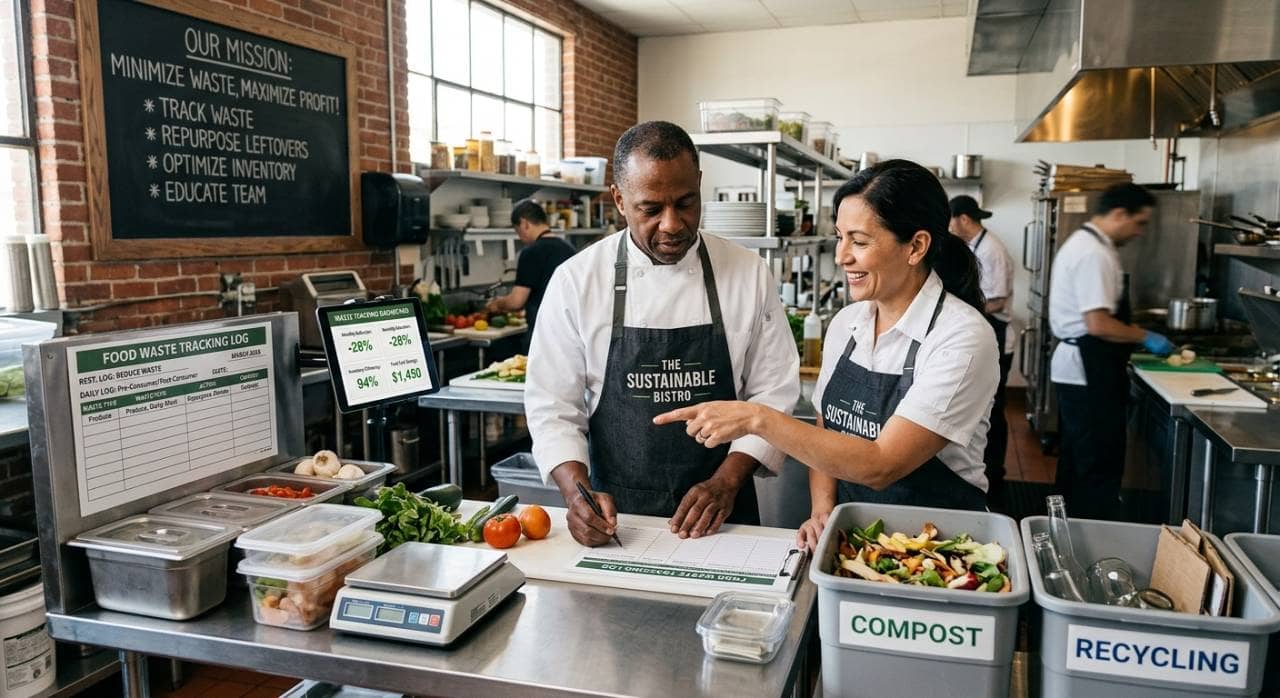
Learn how to reduce food waste in restaurants through smarter purchasing, storage, preparation, and service strategies that cut costs.
Sep 9, 2026
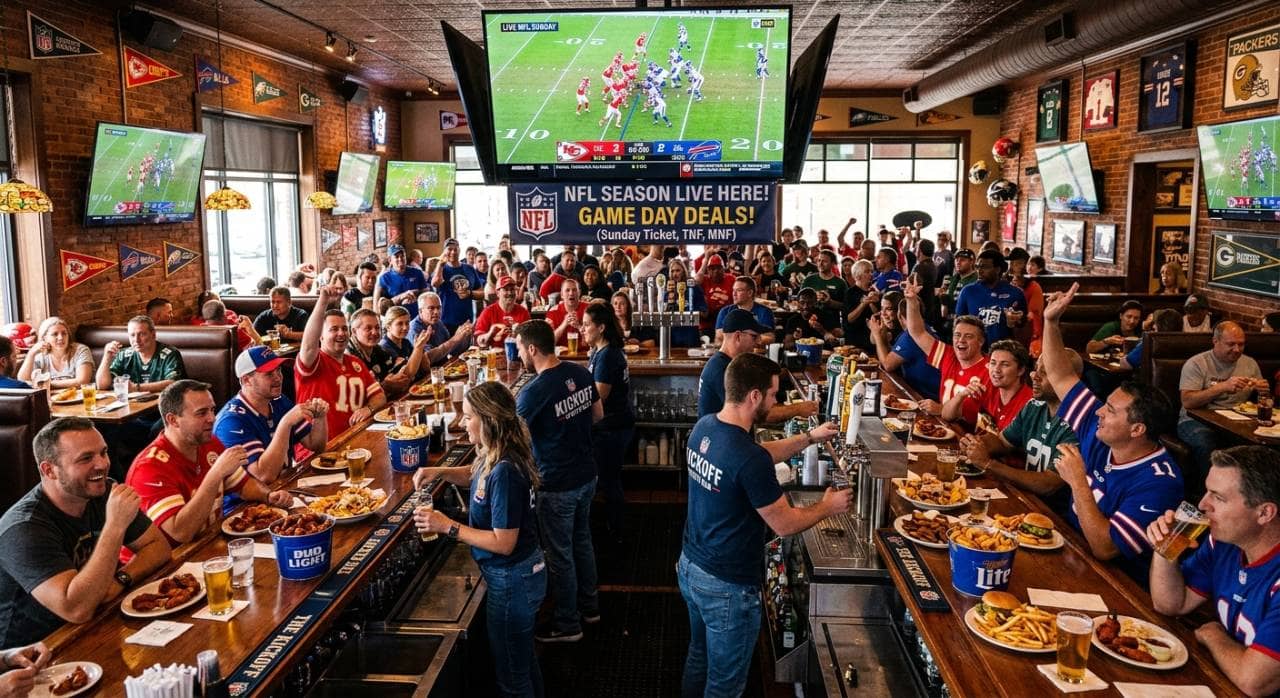
Prepare your restaurant for NFL season with smart menu planning, staffing, marketing, technology, and atmosphere strategies that boost season-long revenue.
Sep 9, 2026
Swig signs franchise agreement for 11 South Denver locations, marking Colorado entry and validating its national expansion strategy.
Sep 8, 2026

Complete guide helping restaurant owners choose essential kitchen equipment - covering cooking, refrigeration, prep, sanitation, ventilation, safety, and long-term maintenance planning.
Sep 7, 2026

QR code menus let restaurants replace paper menus digitally, enabling instant updates, contactless browsing, ordering, and payment through simple smartphone scanning.
Sep 7, 2026

Avoiding common restaurant payroll mistakes - misclassification, tip credit errors, overtime miscalculations - protects businesses from costly penalties, back pay, and compliance risks.
Sep 4, 2026
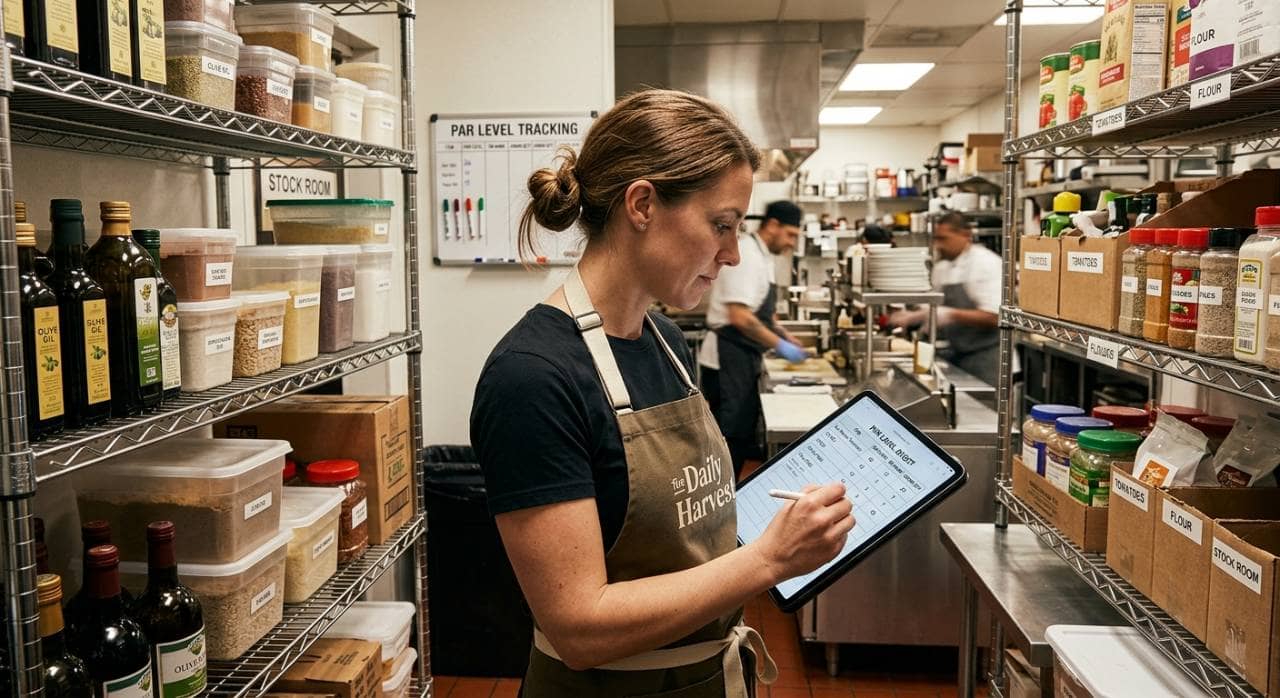
Learn to calculate par levels for restaurant food, beverages, and packaging inventory, preventing stockouts and waste through proper formulas.
Sep 4, 2026
Caribou Coffee appoints Zane Thomas-Rogers as Chief Operations Officer to strengthen execution across its expanding coffeehouse network.
Sep 4, 2026

Unlock Exclusive Access To Webinars, Events, And The Latest News For Free!
Regulators escalate enforcement of child labor laws in restaurants, tying brand oversight to franchise compliance and boosting penalties nationwide.

Photo by Shawn
Regulators across the United States are tightening oversight of child labor in restaurants, moving enforcement from isolated incidents to a sustained, industry‑wide push. The U.S. Department of Labor’s Wage and Hour Division reports seven Freddy’s Frozen Custard & Steakburgers locations in Alabama were investigated for employing children under 16 during prohibited hours and tasks, resulting in a civil penalty of $119,029. That action sits inside a broader tally: 5,792 child labor violations identified in fiscal year 2023 across hundreds of locations, with penalties that underscore a substantial enforcement uptick. Scheduling, age verification, and duties such as operating equipment become flashpoints for regulators and brand operators alike, and the trend foreshadows tighter brand‑level oversight that will reach franchisees.
These numbers aren’t mere statistics. They mark a shift where regulators tie child welfare to day‑to‑day kitchen operations, pushing companies to tighten policies from the top down. In practice that means stricter scheduling, robust age‑verification at hire, and clearly defined, restricted tasks for minors, especially around high‑risk equipment. The national trajectory is unmistakable: enforcement isn’t a sporadic beat; it’s a persistent, public, multi‑jurisdictional campaign. For operators, the implication is blunt: align corporate standards with what happens at the unit level, because regulators increasingly expect brand‑level oversight to filter to franchise locations. The industry will be measured more by compliance infrastructure than by individual audits.

Enforcement actions against high‑profile brands underscored the systemic risk to chains with sprawling franchise networks. In 2023, a McDonald’s franchisee in Kentucky permitted children as young as 10 to work at multiple locations, including a case where a 10-year-old operated a deep fryer. The department fined several Kentucky entities among others, with penalties totaling well into six figures. In parallel, Chipotle faced a District of Columbia settlement in 2023, netting more than $300,000 in civil penalties and directing managerial training and updated compliance plans.
Across other brands, actions in Blaze Pizza and its Nevada franchisee highlighted the breadth of the crackdown. Bryz Guyz Inc. was found to employ 23 children ages 15 to 17 to operate industrial dough mixers across 10 locations, resulting in a civil penalty of $277,414. Blaze Pizza stated the franchisee cooperated with the investigation and has complied with state and federal labor laws since May 2023. Taken together, these actions illustrate regulators’ willingness to pursue federal and municipal actions in tandem to curb violations, spanning late hours to hazardous tasks and scaling penalties to the scope and duration of noncompliance.

Regulatory investigations converge on a few recurring failure points, chief among them scheduling and age‑verification. One high‑profile case documented a 15-year-old operating a fryer, defying federal rules that bar under‑16 workers from handling such equipment. The persistence of these issues across brands, from burger concepts to quick‑service pizza, highlights how a franchise model can propagate risk when oversight at the franchisee level lags behind corporate policy. A representative example, Bryz Guyz Inc., showed 23 children across 10 locations in violation, resulting in a $277,414 penalty.
Regulators’ actions also reveal the breadth of violations, from late hours to hazardous tasks, and show penalties calibrated to the scope and duration of noncompliance. Blaze Pizza’s public note that its franchisee cooperated and has complied since May 2023 illustrates how investigations commonly unfold: cooperation, transparency, and rapid remediation are central to restoring compliance and brand trust.
Industry players have begun foregrounding compliance as a strategic priority. In the Blaze Pizza case, the company emphasized cooperation from the franchisee and ongoing compliance since May 2023, signaling a broader pattern of cooperative investigations and proactive remediation. The Wage and Hour Division emphasizes educational outreach as a pillar of enforcement, with District Directors rolling out guidance to share best practices and legal standards with employers nationwide.
This dual approach, penalties for violations and proactive education, signals a regulatory strategy built around accountability and prevention. Operators need a robust compliance program that translates corporate standards to every unit: centralized training, standardized scheduling tools, and reliable employee‑record systems. The department’s YouthRules resources are designed to equip employers with the knowledge to stay compliant, including practical guidance and best‑practice recommendations. Taken together, these developments suggest a lasting shift: rigorous compliance infrastructure, age verification, scheduling discipline, supplier oversight, and franchisee accountability, may become standard practice across the industry.
Regulators have laid out a multi‑year arc of penalties and settlements that reveal both scale and pace. In 2020, Massachusetts levied a landmark $1.3 million penalty against Chipotle for more than 13,000 child‑labor violations at its stores. In 2023, Chipotle’s DC settlement netted more than $322,400, while several McDonald’s franchisees in Kentucky faced penalties totaling hundreds of thousands for underage workers and prohibited schedules. In 2024, Freddy’s Frozen Custard & Steakburgers agreed to a civil penalty of $119,029 after inspections found violations at seven locations in Alabama, and in 2024 Blaze Pizza’s Nevada franchise Bryz Guyz Inc. faced $277,414 in penalties across ten locations. The pattern shows rising penalties and more aggressive regulatory outreach across jurisdictions.
The broader context shows regulators viewing the restaurant sector as high‑risk for underage workers, with enforcement activity tracking reported cases and penalties across states. A Washington Post analysis of 2023 data highlighted that while some chains operate centrally, the franchise model can complicate oversight, underscoring the need for centralized training, standardized scheduling tools, and robust employee‑record systems. Operators should expect cross‑jurisdiction enforcement and prepare accordingly.

Despite rising tempo, gaps remain where state laws diverge from federal protections. Massachusetts has historically pursued aggressive penalties, and 2024–2025 actions against Dunkin’, McDonald’s, Subway franchise operators, and Shake Shack for violations of state child labor laws underscore ongoing vigilance. The Massachusetts Attorney General’s Office has reported substantial totals in child‑labor citations since 2023, reflecting a sustained state‑level push that complements federal enforcement.
As enforcement climbs, regulators pair penalties with education to close the knowledge gap for operators. The Wage and Hour Division highlights outreach, training initiatives, and YouthRules as central to equipping employers with the know‑how to stay compliant. Taken together, these developments point to a lasting shift: a robust compliance infrastructure, from age verification and scheduling discipline to supplier and franchisee oversight, may become standard practice in the restaurant industry. The industry’s path forward seems to be accountability plus transparency and continuous education.
