
California Penalizes Dickey's for Franchise Disclosure Violations
California shifts to public enforcement strategy against Dickey's for deceptive franchise disclosures, signaling stricter state-level franchise oversight.
Franchising
Sep 10, 2026
California shifts to public enforcement strategy against Dickey's for deceptive franchise disclosures, signaling stricter state-level franchise oversight.
Sep 10, 2026
Paul Brown temporarily steps away from Inspire Brands as Scott Murphy assumes interim CEO role during confidential IPO filing process targeting late 2026.
Sep 10, 2026
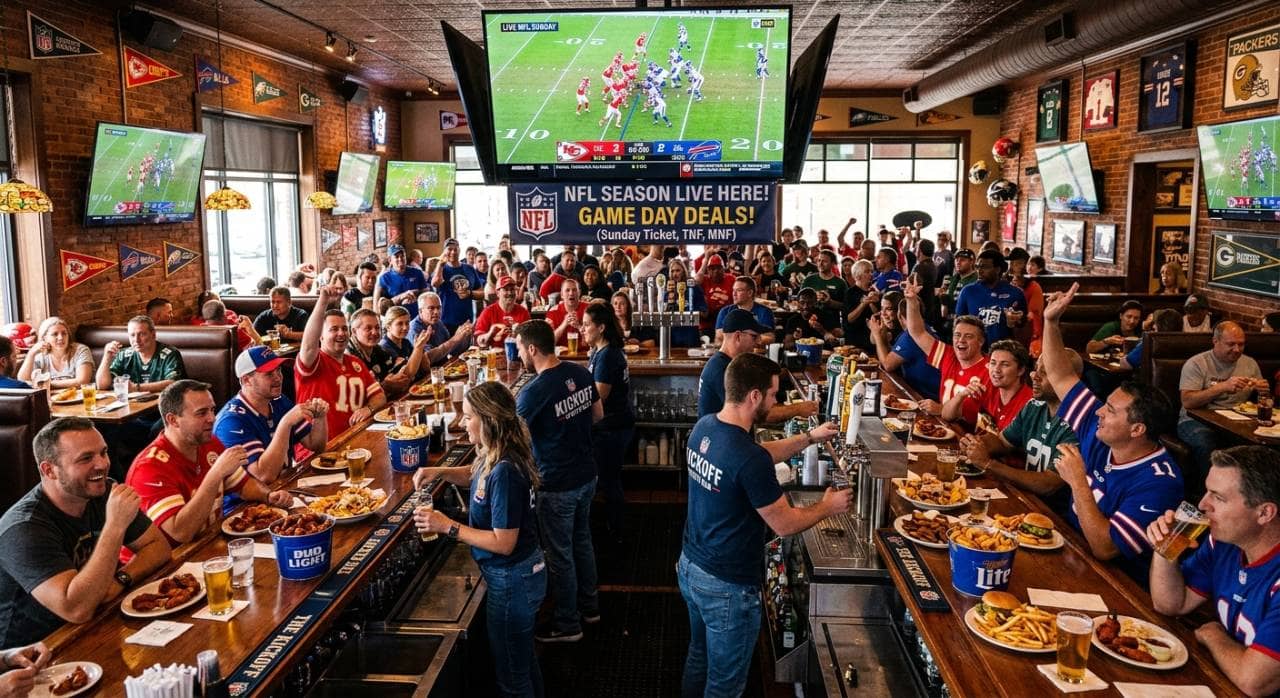
Prepare your restaurant for NFL season with smart menu planning, staffing, marketing, technology, and atmosphere strategies that boost season-long revenue.
Sep 9, 2026
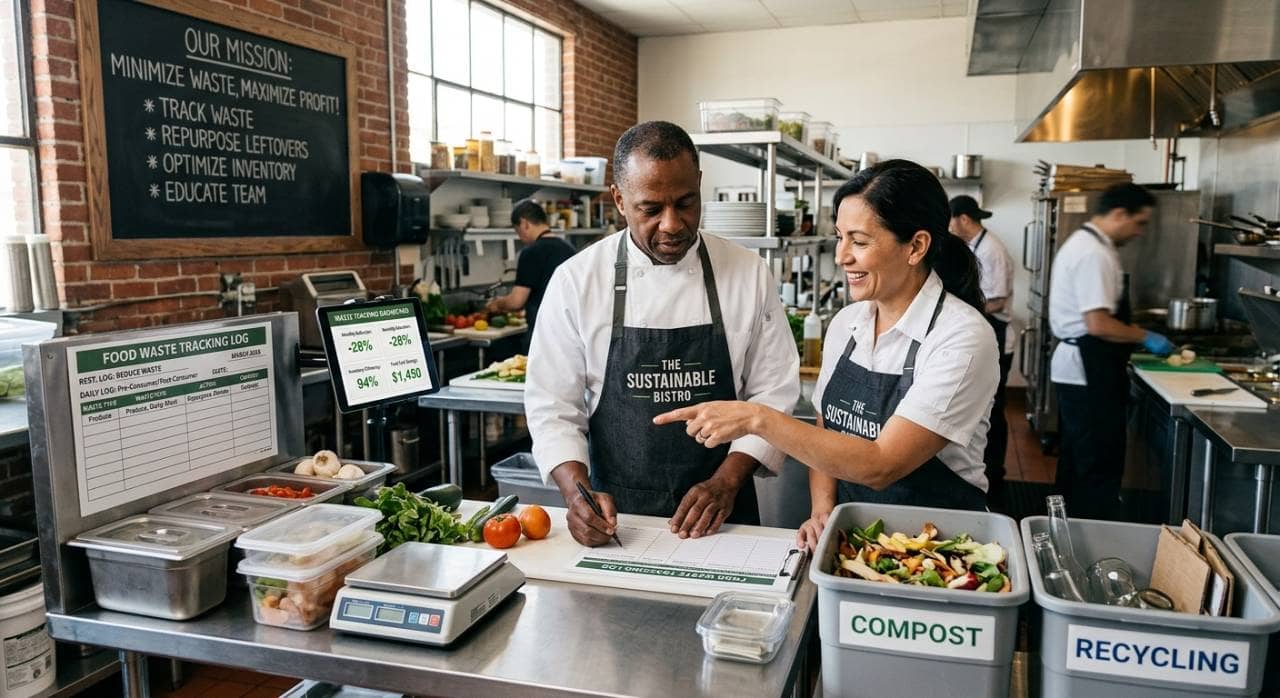
Learn how to reduce food waste in restaurants through smarter purchasing, storage, preparation, and service strategies that cut costs.
Sep 9, 2026
Swig signs franchise agreement for 11 South Denver locations, marking Colorado entry and validating its national expansion strategy.
Sep 8, 2026
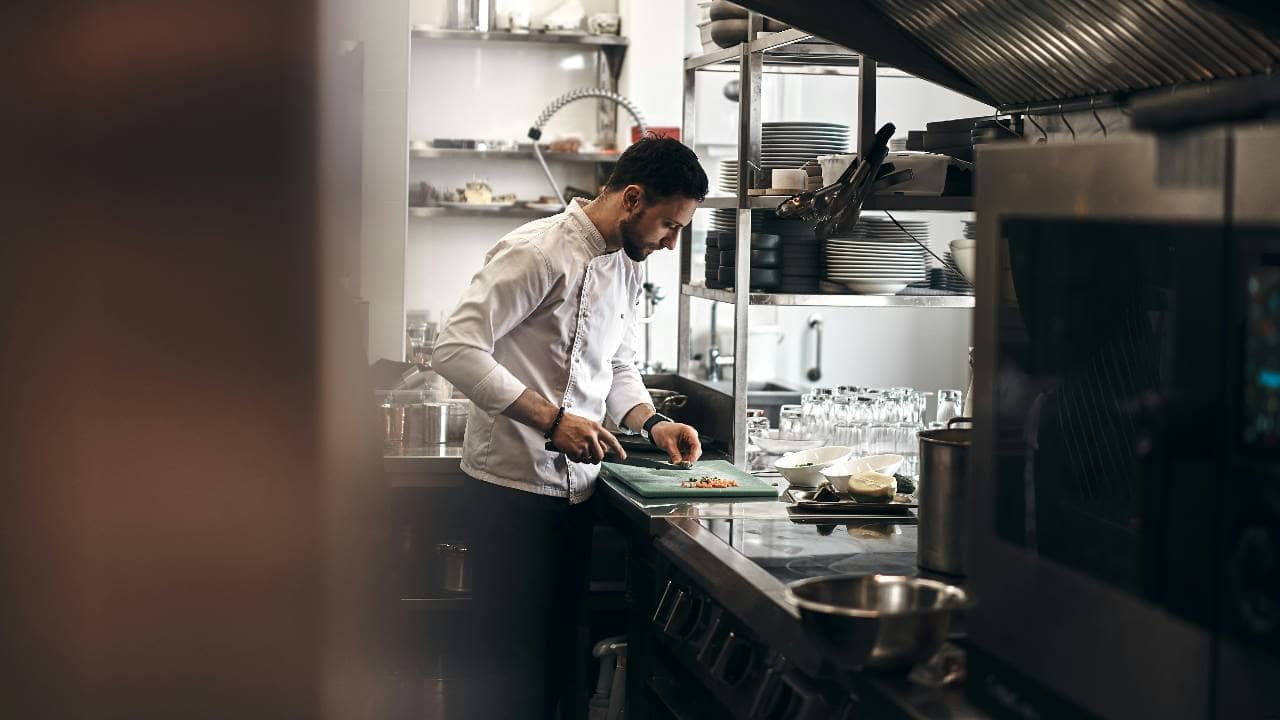
Complete guide helping restaurant owners choose essential kitchen equipment - covering cooking, refrigeration, prep, sanitation, ventilation, safety, and long-term maintenance planning.
Sep 7, 2026
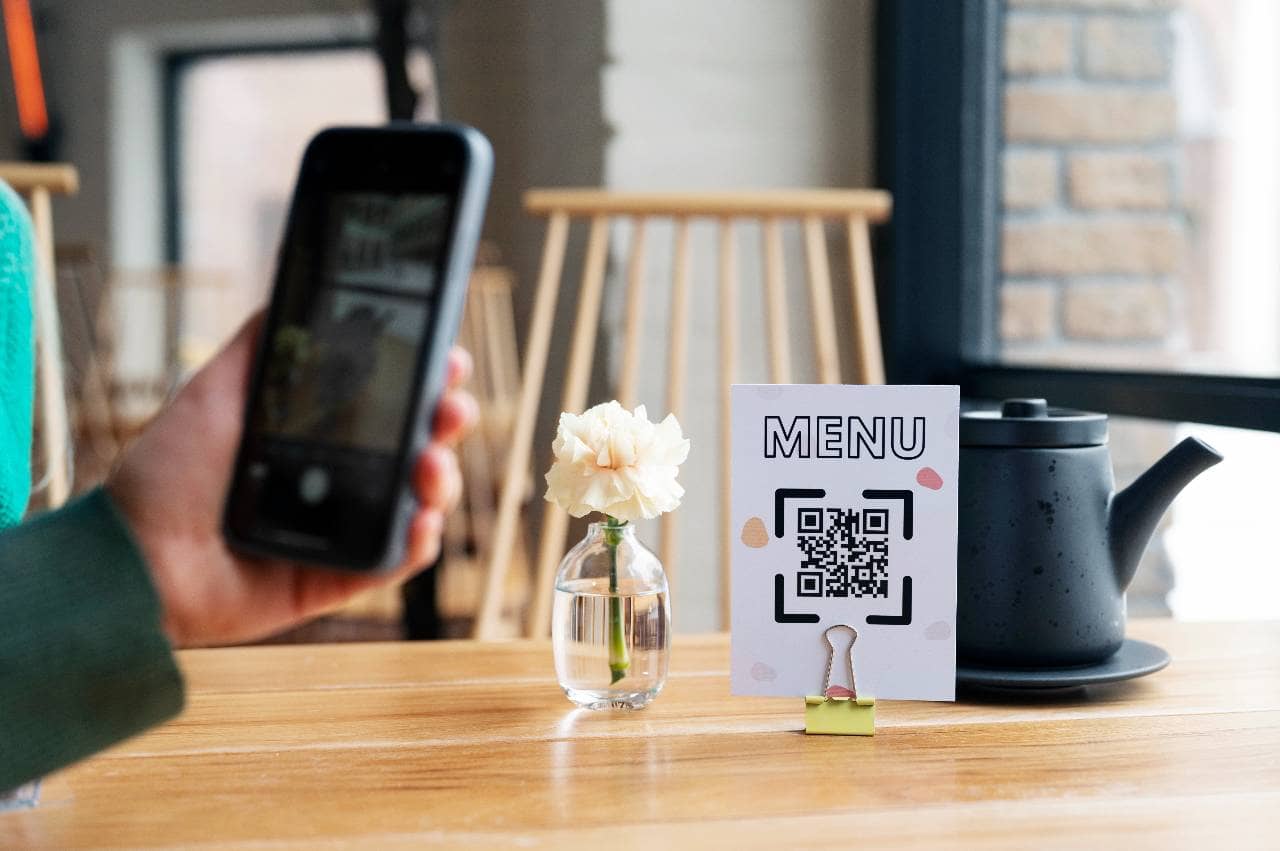
QR code menus let restaurants replace paper menus digitally, enabling instant updates, contactless browsing, ordering, and payment through simple smartphone scanning.
Sep 7, 2026

Avoiding common restaurant payroll mistakes - misclassification, tip credit errors, overtime miscalculations - protects businesses from costly penalties, back pay, and compliance risks.
Sep 4, 2026
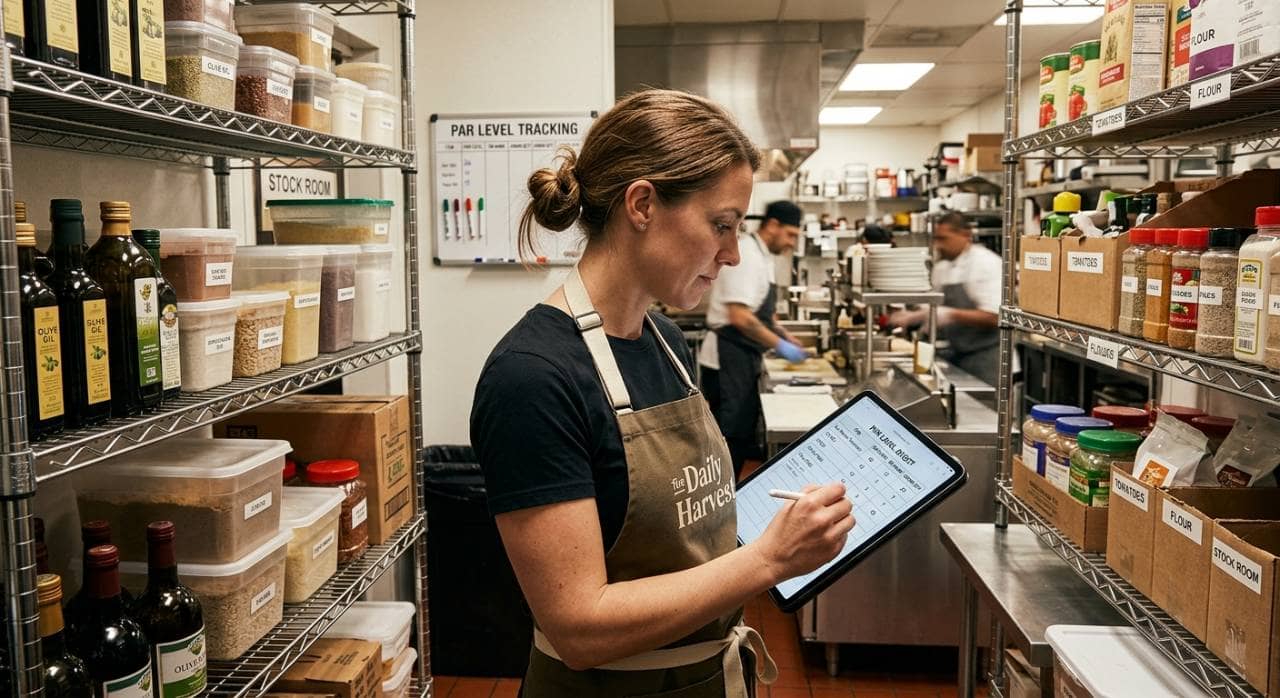
Learn to calculate par levels for restaurant food, beverages, and packaging inventory, preventing stockouts and waste through proper formulas.
Sep 4, 2026
Caribou Coffee appoints Zane Thomas-Rogers as Chief Operations Officer to strengthen execution across its expanding coffeehouse network.
Sep 4, 2026

Unlock Exclusive Access To Webinars, Events, And The Latest News For Free!
As consolidation reshapes vendors, new software entrants push toward integrated hospitality platforms that fuse operations, loyalty, and payments.

Photo by SumUp
Across the dining room and the back office, a subtle reshaping of the kitchen's operating grammar is underway. Food service has always traded in schedules, but now the clock ticks in data: reservations, purchases, and uptime weave into a single narrative. The industry's appetite for coherence is not nostalgia; it is a disciplined response to rapid change. In this climate, two moves stand out for their complementary ambitions: Linked Eats, a multi-tool platform, and Blackbird Pay, a payments concept with a fresh digital sheen. They are not merely adding features; they are testing the hypothesis that technology can function as an integrated ecosystem rather than a pile of disparate tools. How they navigate that ambition will shape the rest of the story.
At the heart of the effort is a discipline of integration over replacement. Linked Eats is described as eight tools live, with four more planned, spanning a dynamic pricing instrument with real-time trend monitoring, an AI-powered marketing suite optimized per store, SEO, uptime monitoring, and an operations communications system that distributes performance reports to operators. Robbie Earl, president and cofounder of VDC, frames the aim as a mediator rather than a dashboard: the value lies in offering an extremely tailored operator’s point of view. Everything is tested in-house before it touches the broader ecosystem, a promise of interoperability rather than monopolistic control. In this, the industry begins to hear a different note from software.
Industry pressures meet opportunity as consolidation reshapes the vendor landscape while the appetite for smarter software persists. The landscape is crowded, yet voices from within insist there remains room for entrants with operating insight. Operators continue to pursue tools that improve pricing, uptime monitoring, and internal communications, signaling a willingness to invest in smarter infrastructure even as the field heats up. That tension, between a crowded market and demand for differentiated capabilities, defines why Linked Eats and Blackbird Pay arrive at this moment. According to Market.US, the global restaurant digitization market is projected to reach $29.6 billion by 2032, a quadrupling from current levels, while 1 in 5 operators report feeling overloaded by tech choices. The math behind the numbers becomes a narrative in itself.
Within this tense landscape, the industry graces the idea that new entrants can bring genuine operating insight. The NRN Intelligence Tech Outlook notes that despite vendor consolidation, managers still seek tools that sharpen pricing, marketing, uptime, and internal communications. The implication is clear: the field wants smarter infrastructure, not more dashboards. This is precisely the case for the platforms in motion, where the emphasis is on interoperability and intelligent integration. With that framework, Linked Eats and Blackbird Pay position themselves as timely responses to real operator needs.
Linked Eats, in development for three years, now claims eight live tools and four more coming online, a compact but potent constellation. It spans a dynamic pricing instrument with real-time trend monitoring, an AI-powered marketing suite optimized per store, SEO optimization, automatic uptime monitoring to diagnose outages, and an operations communications system that distributes performance reports to operators. Robbie Earl, VDC president and cofounder, emphasizes their aim to act as a tech-stack mediator rather than a dashboard. He notes the offering delivers an extremely tailored operator’s point of view and that all components are tested on in-house concepts before providing value to the ecosystem.
A central tenet of the Linked Eats approach is interoperability over replacement: the goal is to be a trusted partner through ongoing integration and action rather than to sunset existing tools. The rhetoric is measured and purposeful: the platform does not seek to erase legacy systems but to weave them into a cohesive framework that operators can rely on for real-time decisions. With a philosophy of testing first, the team positions itself as an enabler for independents as well as multi-unit concepts seeking a disciplined, evolving digital backbone.

Voices from the kitchen and the boardroom illuminate the road ahead. Paul Molinari, cofounder and CMO of Popcorn GTM, argues that newcomers with hard-won experience can break through crowded markets. He champions AI-enabled data analytics as the engine of faster go-to-market decisions, enabling data-rich firms to spin off products more rapidly. Cut+Dry's success, Molinari notes, stems from its internal ecommerce experience at Sysco, illustrating how a specialized background accelerates tech adoption in operations. The thread running through these observations is clear: authentic domain knowledge remains a decisive differentiator in a field saturated with hype.
Taken together, the operator perspective reframes technology not as spectacle but as a lever for tangible performance. When experience meets analytics, a platform can morph from gadget to backbone. The overarching message is that real-world, on-the-ground wisdom is as valuable as the most polished pitch. In an arena crowded with claims, the emphasis on practical insight stands out as a steadying compass for independent operators seeking to navigate the tide.

Toward a more integrated canopy, the industry edges toward a future where operations, loyalty, and payments are not isolated tools but a coherent ecosystem. The visible trail includes Cyntra Labs, expanding from consultancy into a broader hardware/software suite that includes kiosks, kitchen displays, and digital signage, with engagements such as Wendy’s and Burger King signaling strong demand for seamless integration. This pivot mirrors a wider democratization of restaurant technology: frontline insights meet modern software to sculpt interoperable stacks.
Yet questions linger about interoperability, the cadence of vendor consolidation, and how quickly independents will embrace increasingly intricate tools. Even so, the industry appears to agree that winners will be those who fuse an authentic restaurant experience with nimble, scalable technology. As AI-driven analytics accelerate product cycles and data becomes a shared asset, the path forward favors solutions that respect the craft of hospitality while offering measurable improvements in pricing, service, and guest delight. In the end, the promise endures: a digital canopy that supports human warmth rather than replacing it.
