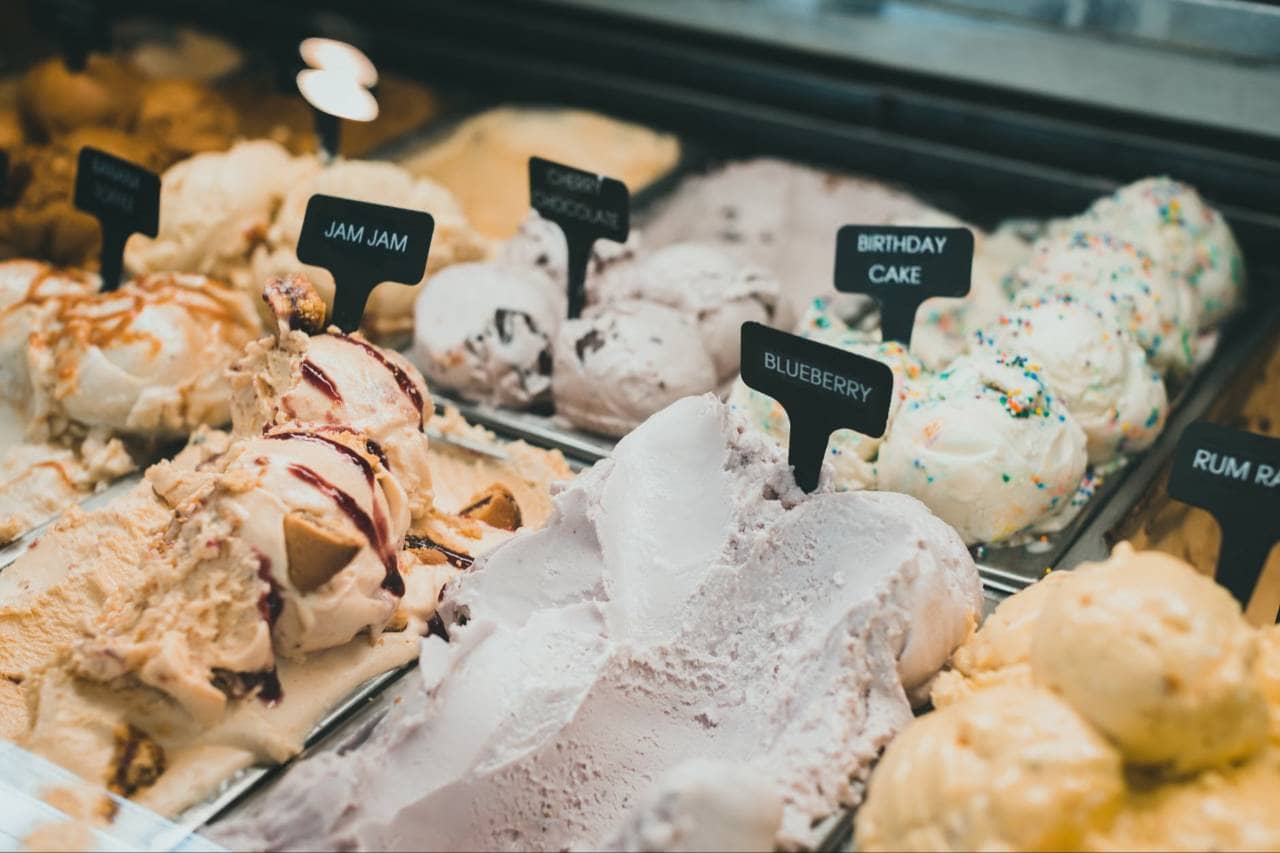
How Much Does It Cost to Open an Ice Cream Shop?
Learn the startup costs of opening an ice cream shop, including rent, equipment, renovations, permits, inventory, labor, marketing, and reserves.
Business Management
Aug 28, 2026
Learn the startup costs of opening an ice cream shop, including rent, equipment, renovations, permits, inventory, labor, marketing, and reserves.
Aug 28, 2026
Learn practical ways to reduce labour costs through smarter scheduling, forecasting, productivity, cross-training, automation, overtime control, and performance monitoring strategies.
Aug 26, 2026

A restaurant P&L statement reveals sales, expenses, and profits, helping owners manage costs, improve margins, and plan finances more effectively.
Aug 26, 2026
RaceTrac has appointed Jill Pemberton as chief financial officer, succeeding Karla Ahlert, who moves into the newly created role of chief administrative officer.
Aug 26, 2026
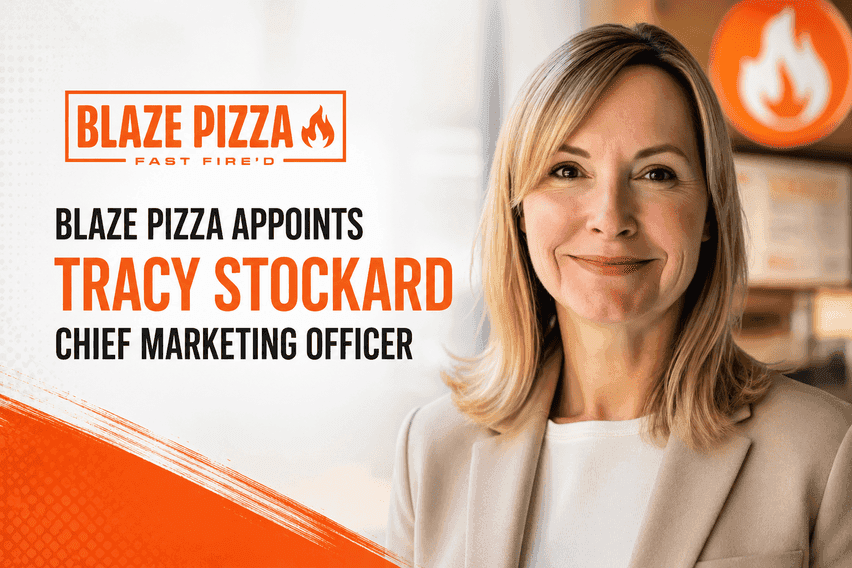
Blaze Pizza welcomes Tracy Stockard as Chief Marketing Officer, bringing decades of brand and franchise experience to drive strategic growth and guest engagement.
Aug 25, 2026

A payroll advance policy helps restaurant owners define eligibility, limits, repayment, documentation, approval procedures, and compliance requirements for employee advances.
Aug 24, 2026
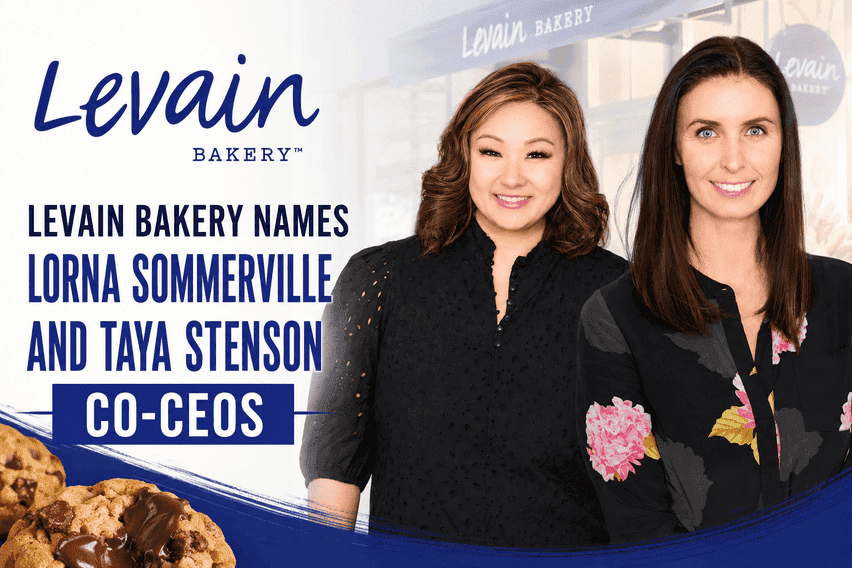
Levain Bakery appoints Lorna Sommerville and Taya Stenson as co-CEOs, blending operational and marketing expertise to power national expansion and innovation while staying rooted in its brand values.
Aug 25, 2026

Create a practical restaurant marketing plan by setting goals, targeting customers, choosing channels, budgeting wisely, scheduling campaigns, and measuring results.
Aug 24, 2026
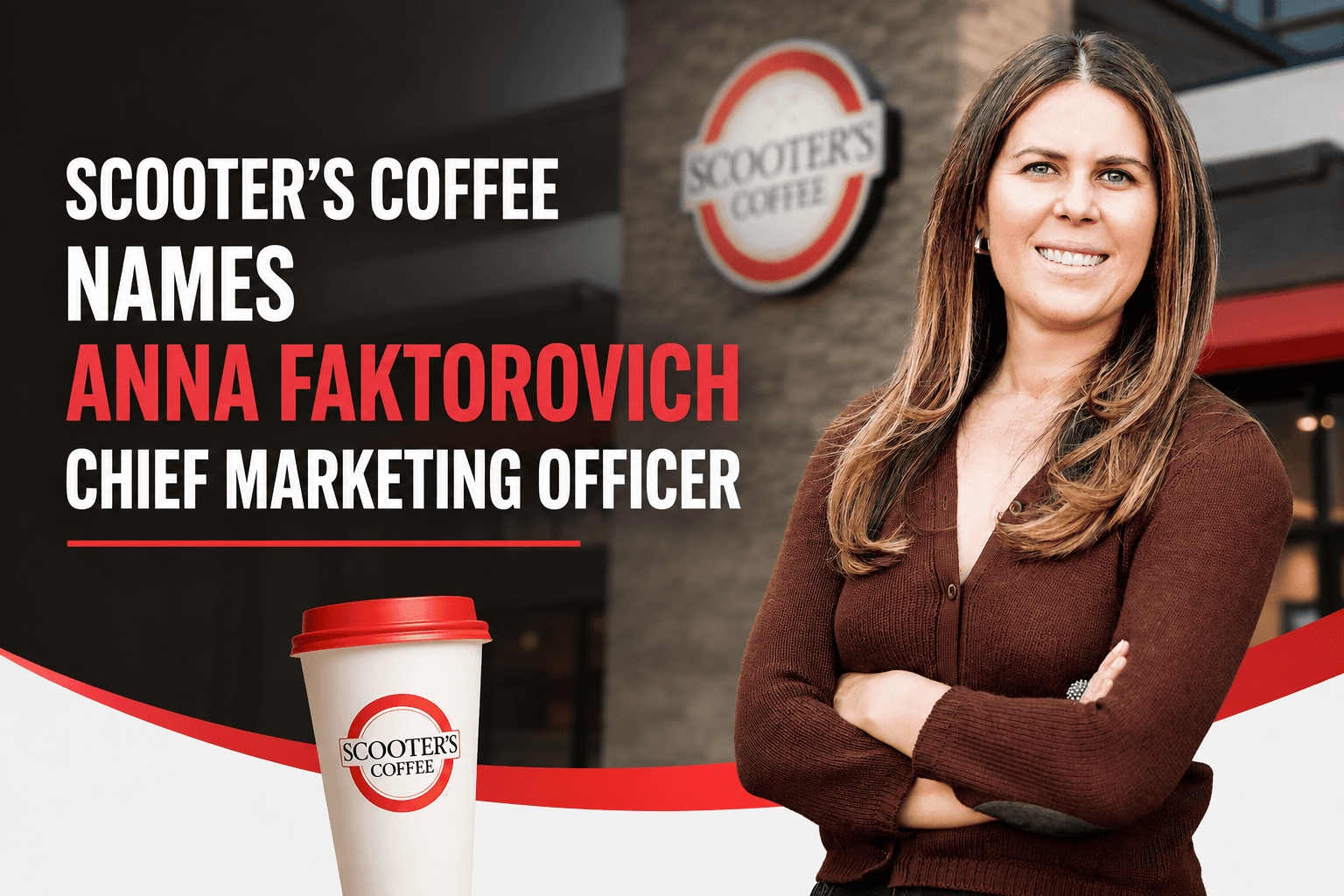
Anna Faktorovich, a seasoned marketing executive, has been named Chief Marketing Officer at Scooter’s Coffee, bringing decades of multi-brand experience to fuel the franchise’s next growth stage.
Aug 25, 2026
Dave & Buster's refreshes its executive lineup with seasoned leaders in operations, marketing, tech, and finance - signaling a growth-driven future for restaurant operators to watch.
Aug 24, 2026

Unlock Exclusive Access To Webinars, Events, And The Latest News For Free!
Restaurants enter the seasonal sprint with dual on- and off-premise demand, tariff pressure, and staffing challenges. Data-backed tactics show how to capture group bookings, scale menus, and protect margins.

Photo by Clémentine CLAUDEL
Summer fades, and the real countdown starts. The Thanksgiving‑through‑New Year’s window compresses a season’s worth of demand into a few weeks, driven by families and corporate groups. Signals point in one direction: get ready early, and build for both dining rooms and doorsteps. A Tock survey reported that "over two-thirds" of consumers plan to celebrate part of the holidays at a restaurant. The National Restaurant Association’s 2023 projections echoed that "two-thirds" of adults expect to dine out, with "48%" choosing takeout or delivery. This is a dual-track surge. Operators are urged to lock in supplier commitments and promotional calendars now to capture high‑margin group events and family bookings. Independent operators have a lane here. Per Professor Kevin Murphy of Rosen College of Hospitality Management, those who center guest experience and operational readiness are positioned to outperform. That means designing for consistency under load, clarifying offers up front, and protecting peak inventory. The window is narrow, the upside is real, and soft planning wastes it. Analysis: The matching intent signals across surveys validate an early, two-channel strategy. Front‑loading contracts and calendars aligns capacity with demand spikes.
The holiday mix is unforgiving. Large corporate events meet multigenerational family gatherings. That raises complexity across menus, staffing, and service pacing. The smart move is to design efficient menus that execute cleanly at scale. The "48%" planning takeout or delivery makes one requirement non‑negotiable: festive fare must travel well. Comfort-forward, celebratory menus paired with clear reservation availability and unambiguous pre‑order or delivery instructions convert curiosity into booked covers. Sequencing matters. Restaurants are advised to negotiate with suppliers, finalize promotional calendars, and pre‑sell group packages to fill the most sought‑after dates. Murphy’s emphasis forms a simple blueprint: prioritize what guests value, then make the back‑of‑house repeatable under holiday load. In short, reduce variables. Trim options without trimming appeal. Make everything easy to say yes to, on the phone, online, and at the table. Analysis: The combination of high demand and high complexity rewards integrated planning. Simplicity, clarity, and early commitments lower failure points when volume spikes.

Off‑premise is no longer a side door; it’s the main entrance. According to the National Restaurant Association’s 2025 Off‑Premises Restaurant Trends report, off‑premise now makes up "nearly 75%" of all restaurant traffic. Dr. Chad Moutray notes this channel represents a larger share of sales for "58%" of limited‑service and "41%" of full‑service operators compared with 2019. Millennials and Gen Z lead: "two-thirds" deem takeout essential, "nearly six in ten" use takeout or drive‑thru weekly, and "90%" cite speed as critical. Those numbers translate into concrete requirements. Menus must be built to travel. Packaging has to preserve temperature and texture. Communications should hammer value, speed, and order clarity. The holiday layer, preorders and timed pickups, adds another queue entirely. Narrowed menus, defined time windows, and clear pickup instructions keep the line moving and the product consistent. The math is simple: if speed drives satisfaction, any friction in ordering or fulfillment drags revenue. Analysis: The scale and cadence of off‑premise demand make reliability decisive. Menu engineering and queue design become revenue drivers, not back‑office chores.
Labor sets the ceiling on holiday execution. Spring‑boarding from demand forecasts, managers should assess staffing needs now using benchmarks from prior holiday seasons, as noted by Kevin Murphy. Pre‑opening events are a safe proving ground to fine‑tune positions, pacing, and communication before peak dates. Rick Camac highlights the difficulty of securing holiday help and recommends tapping temp agencies and returning college students for flexibility. Ryan Tuttle advises maintaining lines of communication with students returning in winter to build an adaptable roster. Operational hygiene matters just as much as headcount. Teams should tighten inventory tracking, publish transparent holiday hours, and reinforce communication pathways among management, staff, and guests. Put simply: write the playbook, practice the playbook, then run the playbook. When the room fills and the ticket times stack, muscle memory beats improvisation. Analysis: Pre‑planned labor pools and rehearsal reduce last‑minute scrambling. Clear schedules and stock controls help sustain pace under peak load.

Holiday guests want comfort with a celebratory edge. The guidance is to balance festive appeal with feasibility and cost: think prime rib and lobster as classics, short rib bourguignon or truffle mac and cheese as elevated anchors, and seasonal beverages accented with cranberries or winter spices. Camac sets a sharp rule for large events: "no more than three to four components," easy to plate, and designed for limited back‑of‑house space when plating at scale. Pricing reflects demand and difficulty. Group event pricing is typically at least double standard menu rates, with higher premiums closer to Christmas. That structure works only if the plates move fast and look consistent. For off‑premise, packaging must hold heat, protect texture, and open neatly on the home or office table. The aim is straightforward: each dish should read festive, travel cleanly, and plate quickly, no fussy garnishes, no fragile builds. Analysis: Constrained component counts and strategic packaging safeguard consistency. Premium pricing holds only when execution stays crisp at volume.
Marketing isn’t just ads; it’s system design. OpenTable research shows that deposits for large bookings can protect high‑demand inventory by "cutting no‑shows by up to 57% and late cancellations threefold." Online waitlists provide real‑time control over pacing. Themed Experiences, in ticketed tasting or cocktail formats, reduce no‑shows and "raise per‑guest spending by about 30%." Private Dining listings draw group bookings without endless back‑and‑forth. Voice‑AI captures reservations around the clock. Email marketing keeps seasonal menus and limited‑time offers in front of repeat guests. Each tool ties revenue assurance to operational clarity. Deposits discourage last‑minute churn, prepaid Experiences convert intent into guaranteed covers, and waitlists smooth the door. Listing private rooms and catering options surfaces high‑margin demand while staff stays focused on service. The point is to commit guests earlier, shape the flow, and reduce guesswork on the busiest nights of the year. Analysis: Quantified impacts justify using deposits and prepayment to stabilize the book. Flow tools turn peaks into planned throughput, not chaos.
Economic pressure hasn’t relented. Ryan Tuttle points to lingering effects of tariffs enacted during the previous administration. Stockpiled inventory is thinning, and evolving tariff schedules threaten pricing forecasts. Layer in post‑pandemic inflation, supply chain challenges, labor shortages, and weather‑related crop pressures, and margins keep eroding. The hedge: maintain strong supplier relationships to guard against volatility. Even with headwinds, the outlook is constructive. The National Restaurant Association’s 2025 State of the Restaurant Industry report anticipates "$1.5 trillion" in sales and "200,000" added jobs, bringing total employment to "15.9 million." "Over 80%" of operators expect 2025 sales to meet or exceed 2024. Loyalty programs matter: "70%" of operators report positive effects, and "61%" of delivery customers are influenced by membership. Off‑premise and catering stand out as practical lifelines. Tuttle notes the return‑to‑office trend is reigniting corporate event opportunities, ideal for catering and group solutions designed to scale and hold quality under price sensitivity. Analysis: Pair defensive pricing and supplier lock‑ins with aggressive pursuit of catering and loyalty. The projections support investment in scalable off‑premise despite macro strain.
Some variables remain unsettled. Tariff schedules are evolving, and the timing and magnitude of cost pass‑throughs are unclear. Consumer pullbacks are possible even as demand indicators read strong. Competition will intensify, and the available data does not break down regional differences or sub‑segment impacts during the holiday window. Evidence here draws on the Tock survey for 2024, the National Restaurant Association’s 2023 projections, its 2025 Off‑Premises Restaurant Trends report, the 2025 State of the Restaurant Industry report, and practitioner guidance from Kevin Murphy, Rick Camac, and Ryan Tuttle. Against that backdrop, the operational lesson is plain. Lock supplier contracts early. Design menus that travel and execute consistently. Build staffing plans that include temp and student labor. Deploy deposits, online waitlists, Private Dining listings, Voice‑AI, and prepaid Experiences to reduce no‑shows, manage the door, and pre‑sell premium seats. Court corporate buyers returning to in‑person events with catering‑ready packaging and firm timelines. Tie seasonal offers to loyalty, where "70%" of operators see gains and "61%" of delivery customers respond. Deliver speed, value, and clarity across both on‑ and off‑premise, where "nearly 75%" of traffic now lives. Uses short, declarative statements, favors concrete descriptions over abstract ones. That’s the standard. That’s the work. Analysis: Scenario planning around pricing and mix is prudent, but the core blueprint is settled. Guest‑centric experiences plus process discipline win the season.