
California Penalizes Dickey's for Franchise Disclosure Violations
California shifts to public enforcement strategy against Dickey's for deceptive franchise disclosures, signaling stricter state-level franchise oversight.
Franchising
Sep 10, 2026
California shifts to public enforcement strategy against Dickey's for deceptive franchise disclosures, signaling stricter state-level franchise oversight.
Sep 10, 2026
Paul Brown temporarily steps away from Inspire Brands as Scott Murphy assumes interim CEO role during confidential IPO filing process targeting late 2026.
Sep 10, 2026
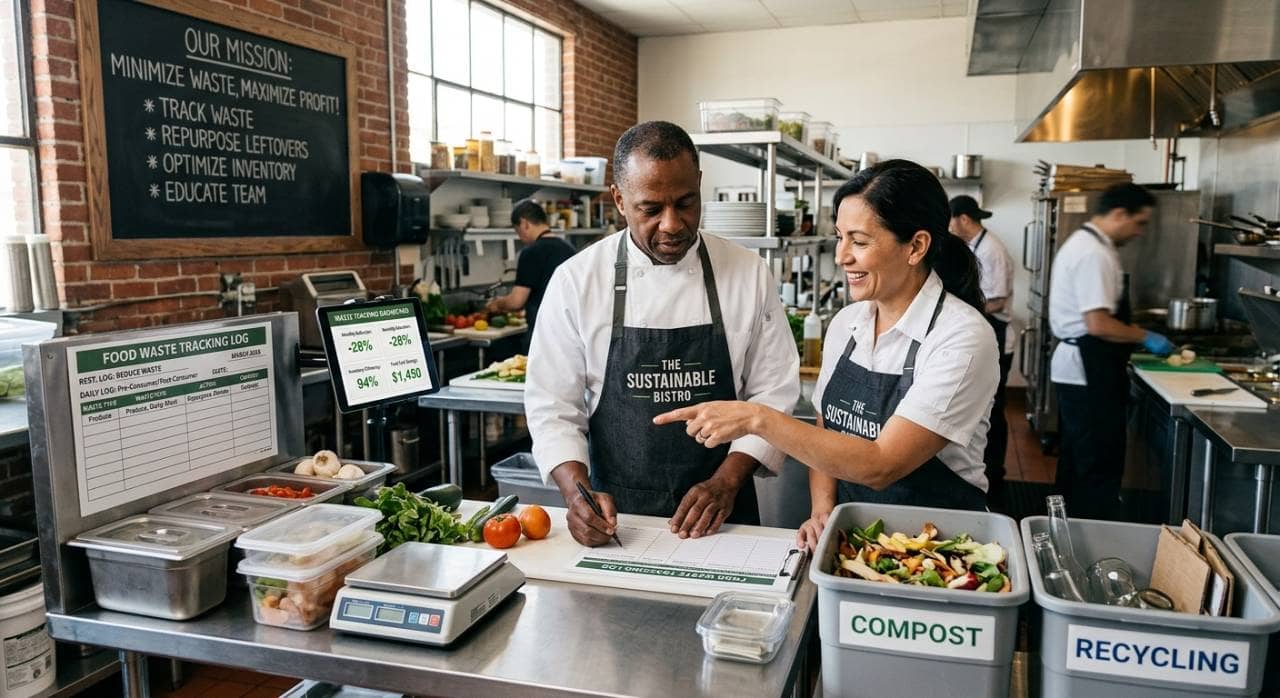
Learn how to reduce food waste in restaurants through smarter purchasing, storage, preparation, and service strategies that cut costs.
Sep 9, 2026
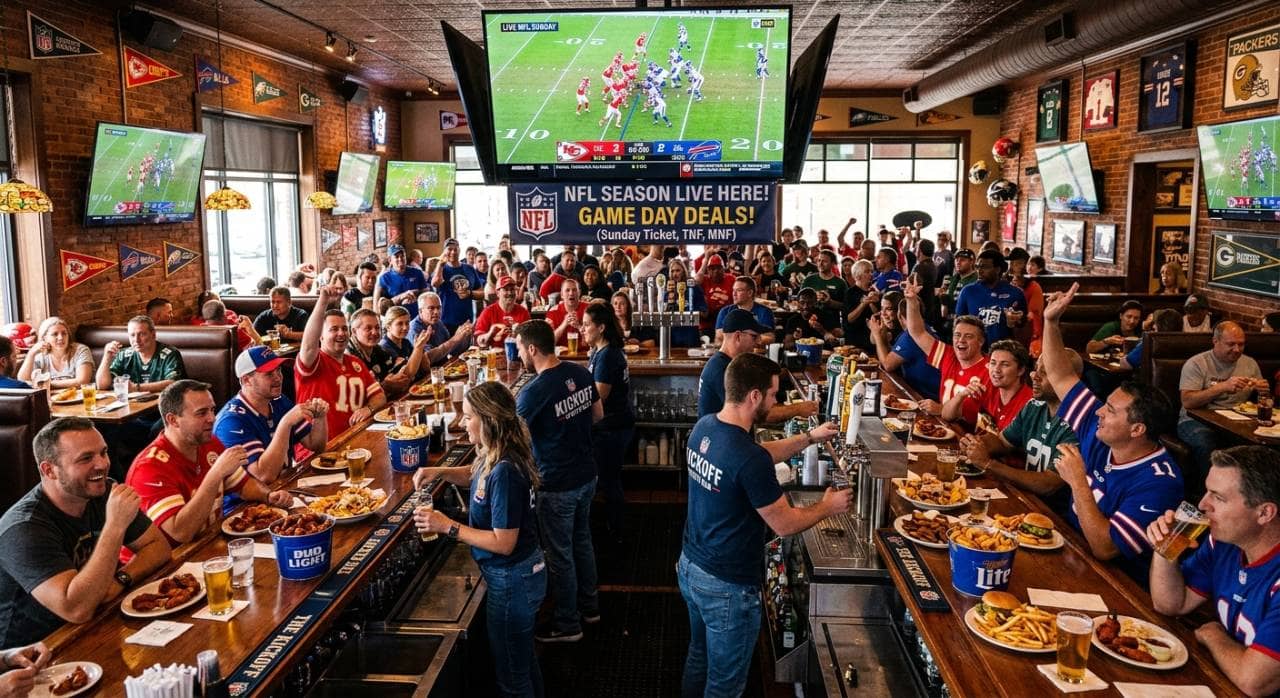
Prepare your restaurant for NFL season with smart menu planning, staffing, marketing, technology, and atmosphere strategies that boost season-long revenue.
Sep 9, 2026
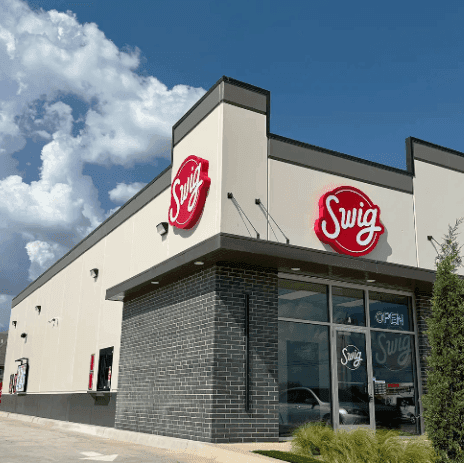
Swig signs franchise agreement for 11 South Denver locations, marking Colorado entry and validating its national expansion strategy.
Sep 8, 2026
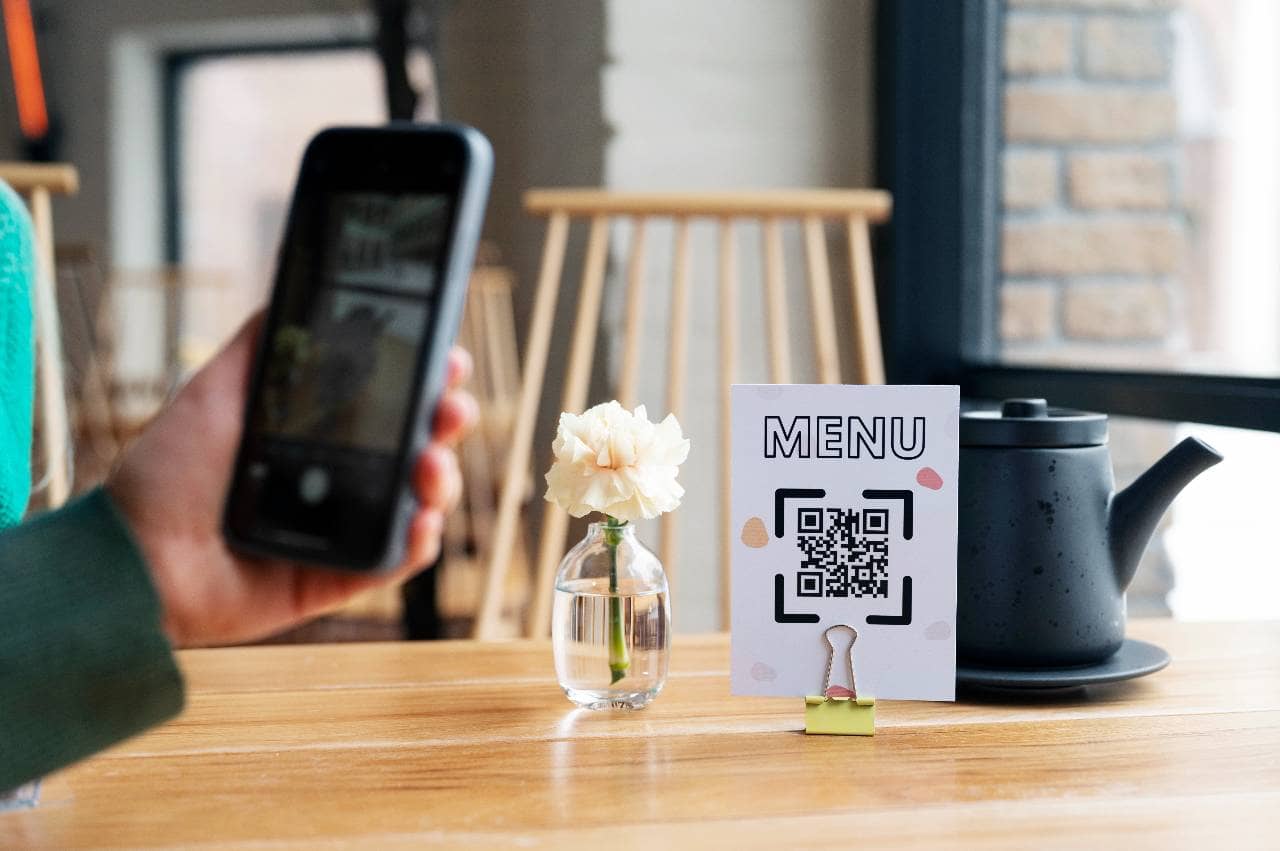
QR code menus let restaurants replace paper menus digitally, enabling instant updates, contactless browsing, ordering, and payment through simple smartphone scanning.
Sep 7, 2026

Complete guide helping restaurant owners choose essential kitchen equipment - covering cooking, refrigeration, prep, sanitation, ventilation, safety, and long-term maintenance planning.
Sep 7, 2026

Avoiding common restaurant payroll mistakes - misclassification, tip credit errors, overtime miscalculations - protects businesses from costly penalties, back pay, and compliance risks.
Sep 4, 2026
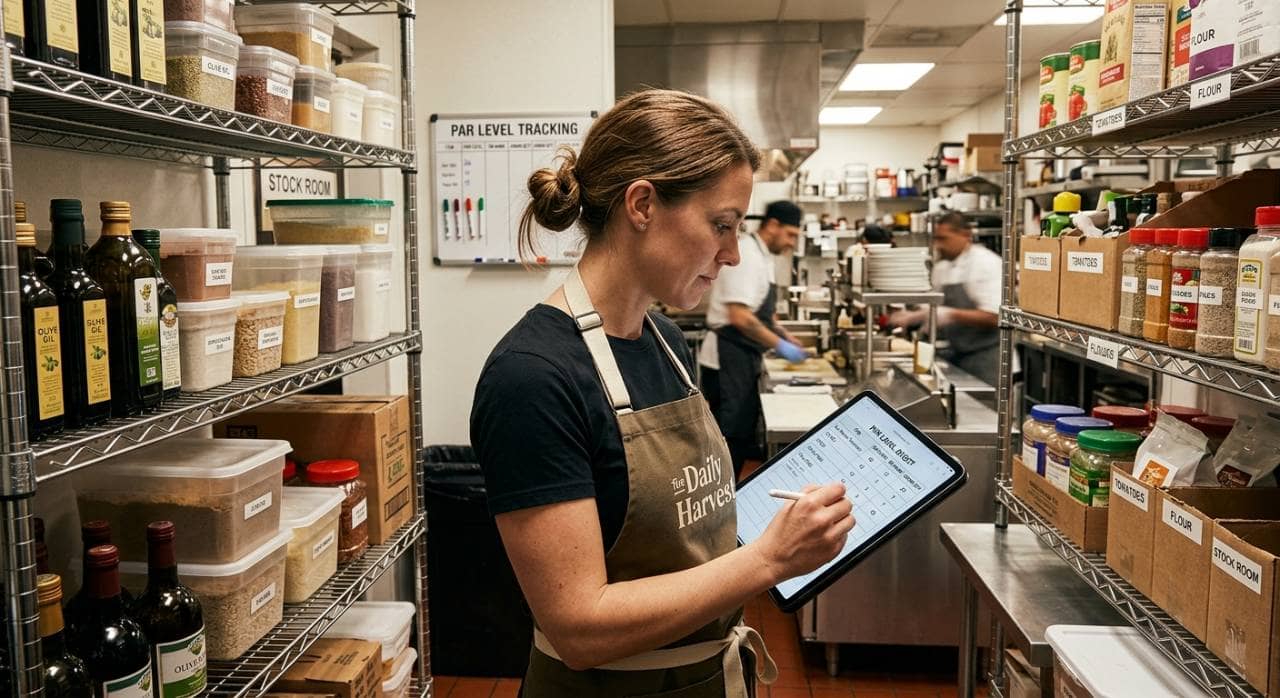
Learn to calculate par levels for restaurant food, beverages, and packaging inventory, preventing stockouts and waste through proper formulas.
Sep 4, 2026
Caribou Coffee appoints Zane Thomas-Rogers as Chief Operations Officer to strengthen execution across its expanding coffeehouse network.
Sep 4, 2026

Unlock Exclusive Access To Webinars, Events, And The Latest News For Free!
An inside look at Taco Bell’s Internal Incubator, its global push, and how grassroots innovation fuels the brand’s international growth.
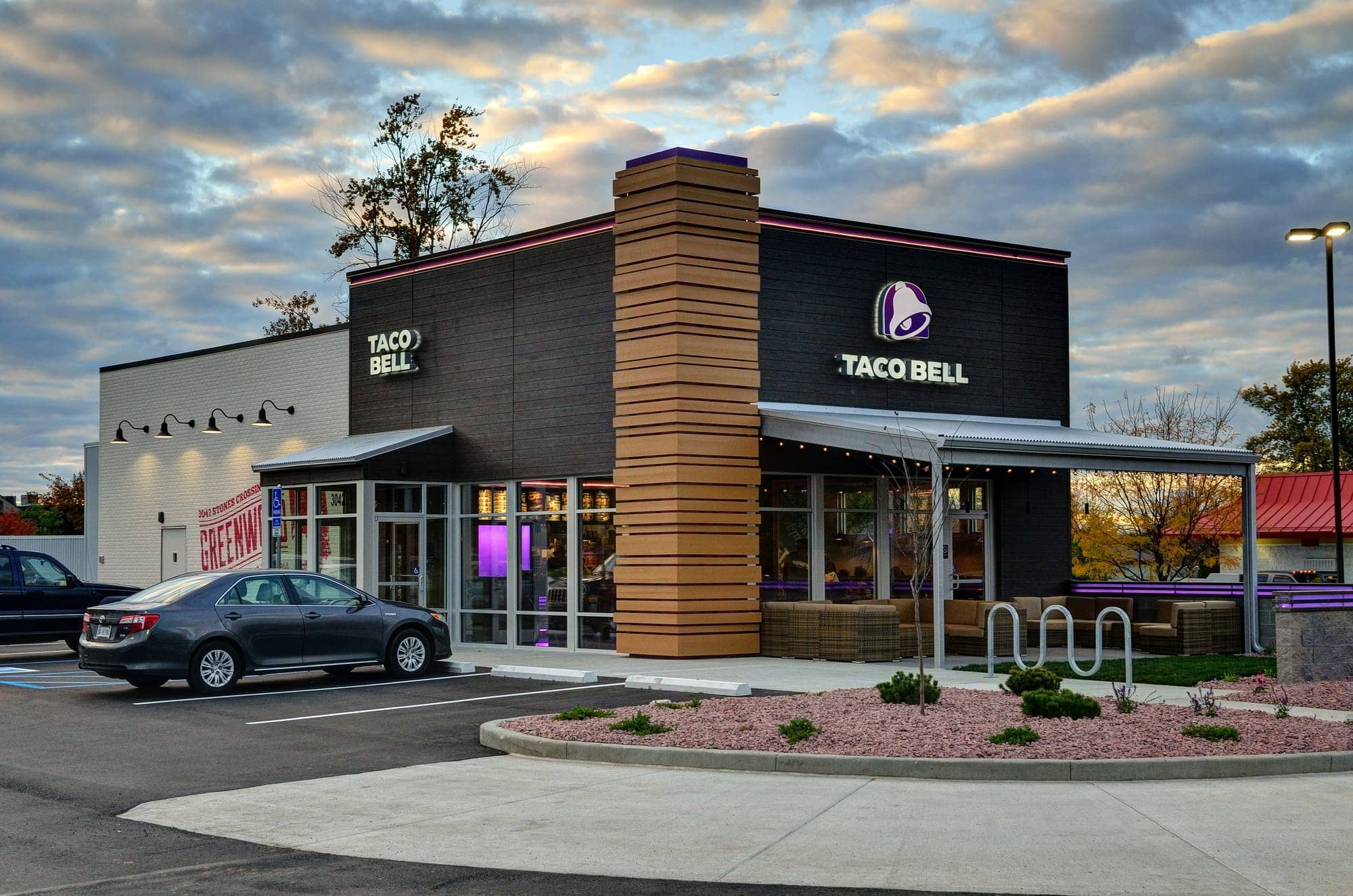
At the heart of Taco Bell’s push to stay relevant sits a plain conference room in Irvine, California that became a factory for ideas: the Internal Incubator. Roughly 50 participants from varied corners of the business gathered, including 13 international colleagues, not to polish a product but to master a repeatable method for turning doubt into action. The process is blunt and effective: apply design thinking across five stages, empathize, define, ideate, prototype, test, and watch concepts move from whiteboard to pilot. An opening icebreaker loosened the room, turning personal dilemmas into experiments in thinking outside the box. Hundreds of ideas filled the walls, then faced a disciplined leadership filter before any pilot.Echoes from leadership set the tone: "Mark was about restless creativity. Sean is about how to make the brand truly global and not just a U.S. business, but also an international business and to bring them together more tightly. Bringing the internal incubator global is part of it." The incubator launched in early 2020 at the urging of Mark King and has endured leadership shifts, expanding to include international participation as a core feature.That cross-border push signals a deliberate shift: the brand isn’t content with local wins; it wants a learning engine that travels with the logo.
2–Dynamically turning ideas into pilots, The incubator operates as a hands-on engine for turning ideas into practice, anchored in design thinking’s five stages. Each session starts with a broad ideation sprint and culminates in a distilled set of concepts vetted for internal pilots. The scale remains constant: about 50 participants per session, moderated by a cross-functional panel of roughly six to seven senior leaders who curate the idea pool and shepherd winning concepts into pilots. A standout feature is Career Connect, an internal pairing system that connects restaurant teams with corporate staff to broaden exposure to new disciplines. This bottom-up approach keeps the process agile, practical, and ripe for cross-border learning, a point executives flag as essential to Taco Bell’s broader growth ambitions.
Background and motivations, The Internal Incubator began just before the pandemic as a loose outlet for ideas from any corner of the company. The inaugural sessions in 2021 focused on preserving Taco Bell’s culture while navigating hybrid work, guided from the start by Natasha Gaffoglio, director of corporate communications and employee engagement. Using a design-thinking framework, the program sought to democratize ideation so every employee could see creative potential in their daily work. Seven sessions have followed, drawing about 50 participants from diverse functions, with a tight crew of six to seven senior stakeholders refining the slate and pushing viable efforts toward internal pilots. A notable byproduct has been Career Connect, an internal pairing system that expands internal mobility and cross-functional experience.
What it means for the workforce, gaffoglio emphasizes the broader impact: a program with hundreds of employees solving real problems isn’t just about a single pilot. It trains participants in structured thinking and lets them carry that toolkit back to their teams, multiplying impact even if a given idea never winds up in market tests. It’s a deliberate break from convention, positioning Taco Bell as a forerunner in grassroots innovation and signaling a broader bet, to treat creativity as a cumulative, teachable capability across a global organization.
Mechanics: How it works, The incubator is a pipeline. It starts with broad ideation, then funnels ideas into a handful of pilots. Each session sits on a framework of five stages, empathize, define, ideate, prototype, test, and ends with a curated set of concepts primed for internal pilots. The numbers stay steady: roughly 50 participants per session, and a cross-functional panel of six to seven leaders who decide which ideas advance. Seven sessions have occurred to date, and walls become canvases where ideas merge and mature before a decision filter. A distinctive element is Career Connect, connecting restaurant teams with corporate staff based on desired exposure to new disciplines. External observers note the incubator’s expansion beyond the United States, signaling a deliberate glide toward global integration.
The global push, The program’s design and rollout reflect Taco Bell’s preference for iterative, bottom-up development rather than top-down mandates. This stance is reinforced by leadership commentary and internal communications, and external coverage echoes a broader trend: the incubator is being watched as a model for linking grassroots ideation to scaled growth. In parallel reporting, observers point to the brand’s intent to knit its innovation engine into a global operation, not a U.S.-centric project.
Reactions and quotes, The incubator’s leadership philosophy is captured in clear statements from senior executives and cross-organizational contributors. Mezvinsky frames the evolution as a blend of leadership styles: "Mark was about restless creativity. Sean is about how to make the brand truly global and not just a U.S. business, but also an international business and to bring them together more tightly. Bringing the internal incubator global is part of it." This language frames a shift from a U.S.-centric operation toward a cohesive, worldwide platform. The program’s internal champions underscore practical gains: “To have a program with hundreds of employees helping to solve it is a huge benefit. And, at the end of the day, employees end up trained in this process and even if their idea never came to life, they now have these tools to think differently and they can teach their own teams what they learned. It’s planting a bigger seed and making us better.” External context reinforces the narrative with coverage of brand campaigns and partnerships designed to raise the brand’s global profile.
Outside perspectives, Industry coverage highlights the incubator as a potential blueprint for translating internal ideation into scalable growth. CNBC notes that Taco Bell is accelerating international expansion and pursuing meaningful scale abroad, while Marketing Dive points to collaborative partnerships and cross-functional talent mobility as levers for global visibility. Taken together, these signals position the incubator as more than an internal hobby; it is a deliberate backbone for international ambition and a test bed for how to turn creative output into repeatable, profitable growth.

Outcomes and timeline, The incubator isn’t a one-off stunt; it’s a pipeline for concrete pilots that can scale. Its origin traces to early 2020, with the first formal session in 2021 focusing on culture and hybrid work, then expanding to cross-functional and international participation in later cohorts. A key outcome has been Career Connect, operationalized as a pairing mechanism to broaden internal mobility. The broader context sits alongside Yum! Brands’ growth agenda and CNBC’s coverage of international expansion. The 2025 annual report envisions expanding to 3,000 international restaurant locations, underscoring the incubator’s role as a backbone for global growth rather than a peripheral program.
Where it leads, Taken together, these developments position Taco Bell as a global learning organization, where every employee is a potential innovator. If pilots consistently translate into measurable, repeatable growth across markets, the incubator could reshape how fast-food operators balance local adaptation with global scale. The blueprint, democratized ideation, cross-border participation, and a structured path from idea to pilot, becomes a strategic asset rather than a side project.
Gaps and uncertainties, Momentum aside, questions remain about translating hundreds of ideas into sustained impact on a national or global scale. Turning concept into pilots requires careful scoping, resource alignment, and rigorous measurement of results. While leadership extols cross-functional collaboration, the path from ideation to market-ready solutions can be uneven as Taco Bell enters new cultural and regulatory contexts. Public reporting highlights both promise and difficulty in scaling an internal, globally distributed ideation engine, with awareness outside the U.S. not yet on par with domestic momentum.
What needs to happen, The math of the program must stay under control: define how many points of impact each idea must hit, map resources to pilots, and maintain clear metrics for success. The process hinges on disciplined scoping, aligned investment, and ongoing cross-border governance. If the incubation engine proves durable, producing pilots that travel from Irvine to international markets, it will justify the broader claim: Taco Bell isn’t just testing ideas; it’s building a global capability to translate creativity into growth.
