California Penalizes Dickey's for Franchise Disclosure Violations
California shifts to public enforcement strategy against Dickey's for deceptive franchise disclosures, signaling stricter state-level franchise oversight.
Franchising
Sep 10, 2026
California shifts to public enforcement strategy against Dickey's for deceptive franchise disclosures, signaling stricter state-level franchise oversight.
Sep 10, 2026
Paul Brown temporarily steps away from Inspire Brands as Scott Murphy assumes interim CEO role during confidential IPO filing process targeting late 2026.
Sep 10, 2026
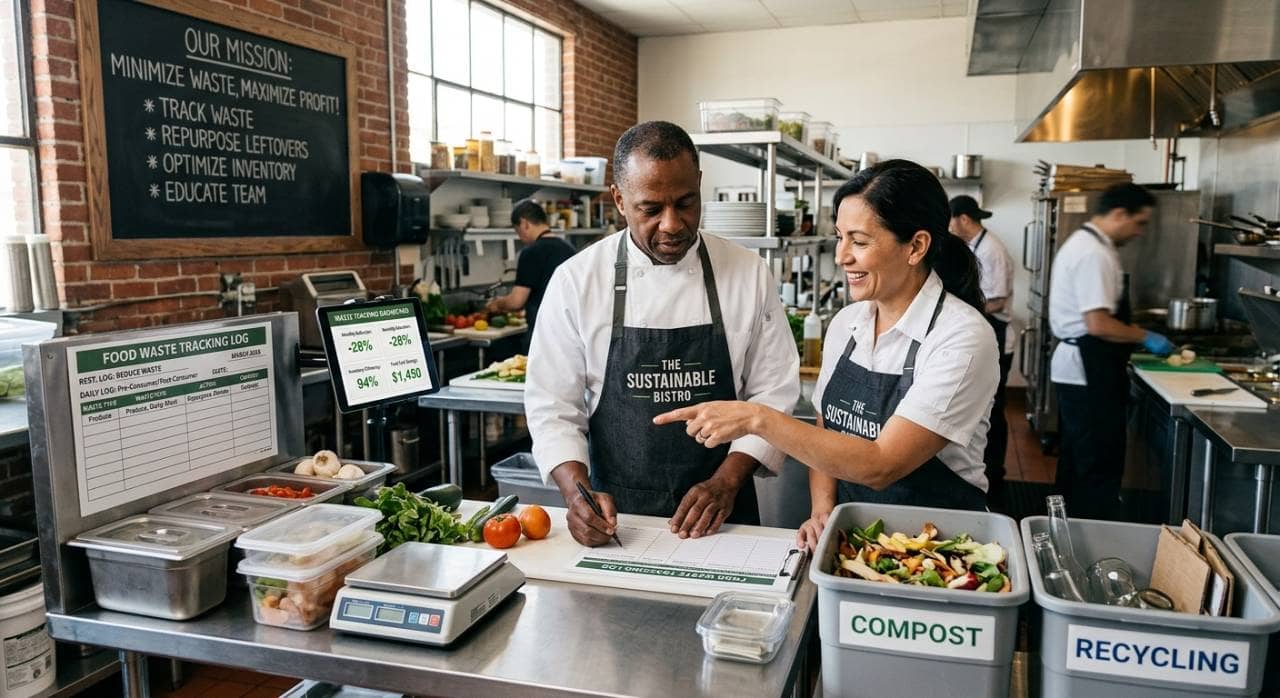
Learn how to reduce food waste in restaurants through smarter purchasing, storage, preparation, and service strategies that cut costs.
Sep 9, 2026
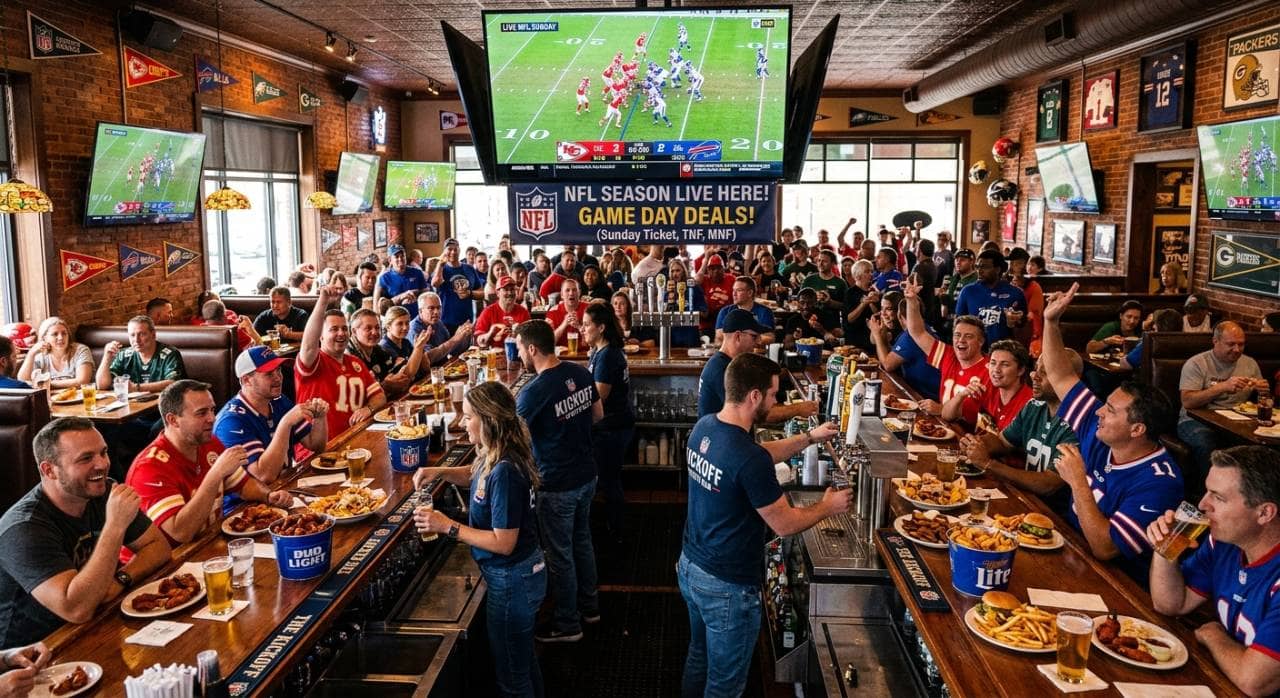
Prepare your restaurant for NFL season with smart menu planning, staffing, marketing, technology, and atmosphere strategies that boost season-long revenue.
Sep 9, 2026
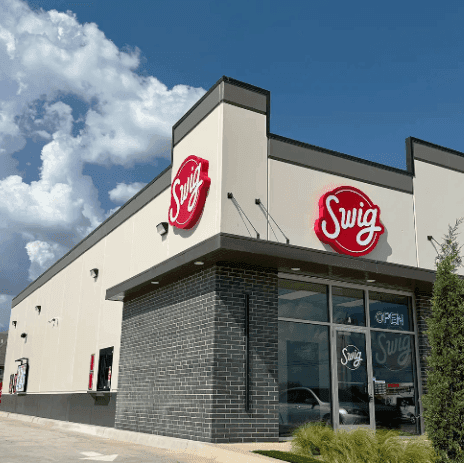
Swig signs franchise agreement for 11 South Denver locations, marking Colorado entry and validating its national expansion strategy.
Sep 8, 2026
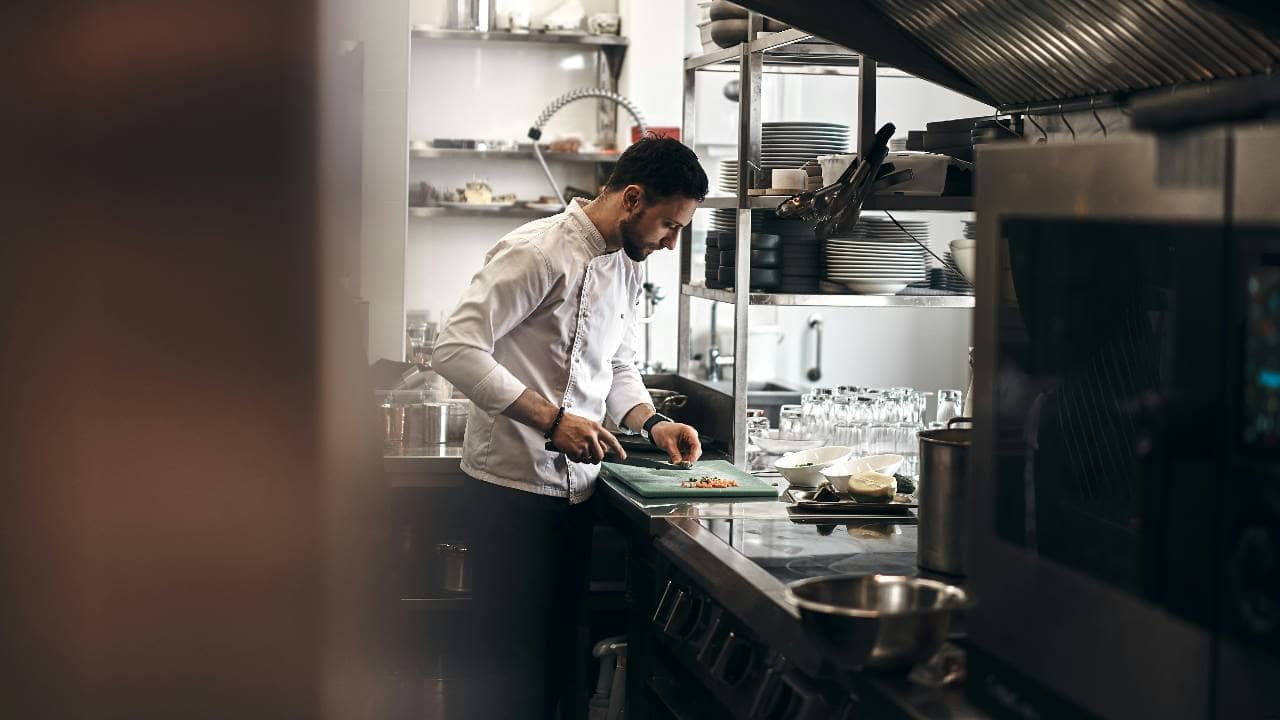
Complete guide helping restaurant owners choose essential kitchen equipment - covering cooking, refrigeration, prep, sanitation, ventilation, safety, and long-term maintenance planning.
Sep 7, 2026

QR code menus let restaurants replace paper menus digitally, enabling instant updates, contactless browsing, ordering, and payment through simple smartphone scanning.
Sep 7, 2026

Avoiding common restaurant payroll mistakes - misclassification, tip credit errors, overtime miscalculations - protects businesses from costly penalties, back pay, and compliance risks.
Sep 4, 2026
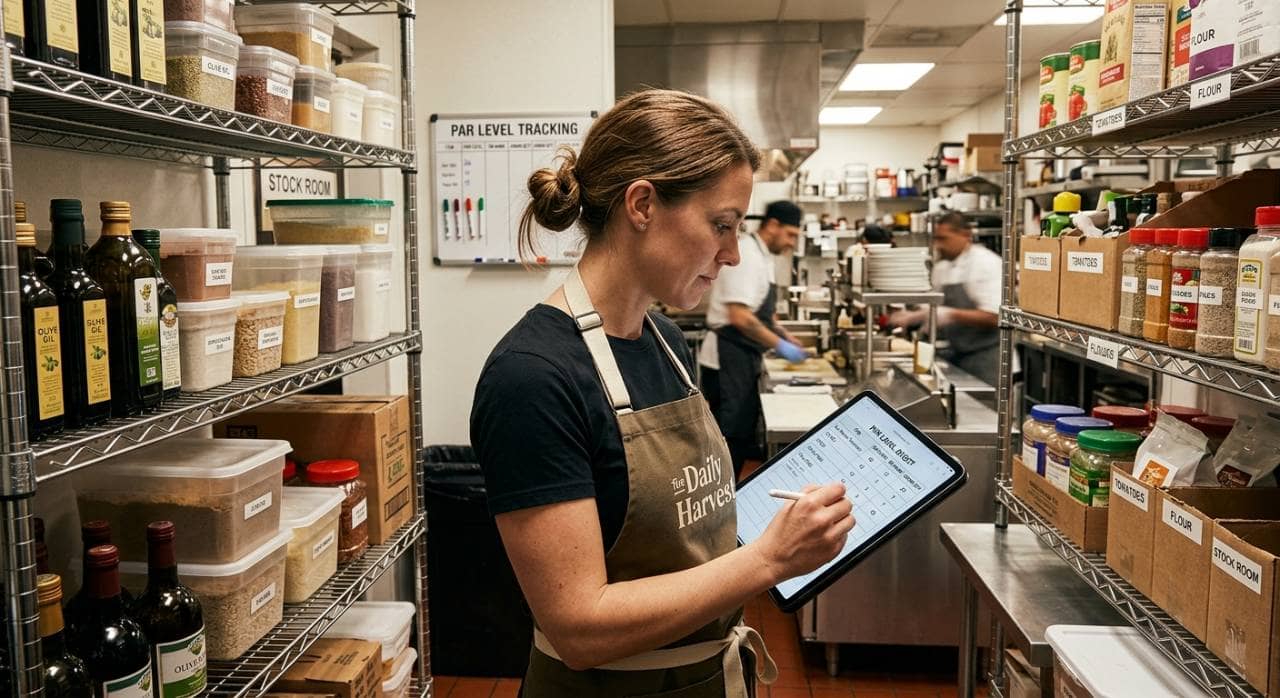
Learn to calculate par levels for restaurant food, beverages, and packaging inventory, preventing stockouts and waste through proper formulas.
Sep 4, 2026
Caribou Coffee appoints Zane Thomas-Rogers as Chief Operations Officer to strengthen execution across its expanding coffeehouse network.
Sep 4, 2026

Unlock Exclusive Access To Webinars, Events, And The Latest News For Free!
A year of distress hits casual dining as Red Lobster and peers pursue Chapter 11 restructurings, reshaping footprints, leadership, and supplier relations.
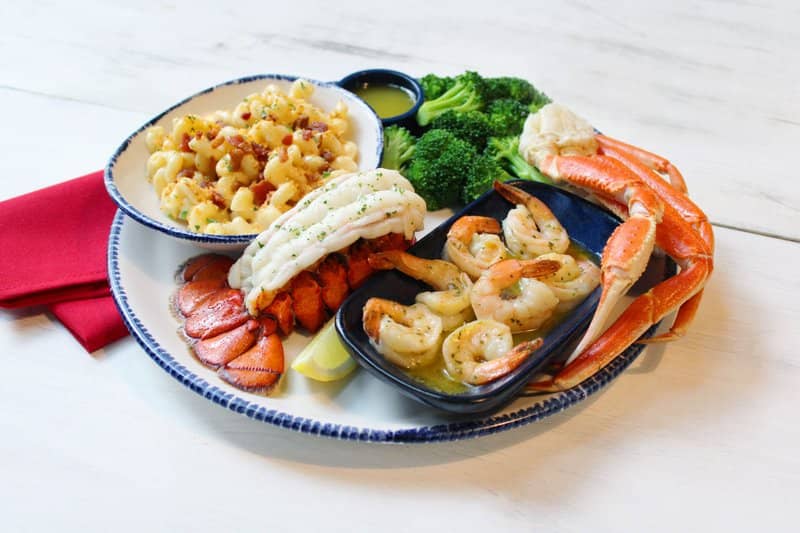
2024 proved to be a crucible for the casual-dining world, where rising costs and shifting consumer tastes pressed operators to rethink every square foot of real estate. In May 2024, Red Lobster filed for Chapter 11 protection, signaling a willingness to confront the market’s realities rather than chase unchecked expansion. The move touched off a forced recalibration: more than 100 restaurants were shuttered as the company pursued a recapitalization strategy and a sale to a lender-backed owner. A stalking-horse bid framework set the tone for leadership transitions and a reimagined balance sheet, reminding operators that resilience often begins with a hard reset.
That pivot was not an isolated one; it represented a wider market recalibration. The Red Lobster proceeding employed a stalking-horse bid structure aimed at a lender-backed sale, with a credible route to emerge under new ownership once the balance sheet, leases, and supplier terms could be reset. By late 2024, observers noted court approvals setting the stage for asset-focused exits and leadership realignments, underscoring how bankruptcy could become a disciplined reset rather than a terminal setback. The broader arc, across brands large and small, was moving toward a more selective, capital-light growth path.
Beyond the headlines, a constellation of pressures pushed margins toward a breaking point across both full-service and fast-casual concepts. Analysts highlighted persistent rising costs, especially commodity inputs and labor, as the primary drag, with softer demand in certain geographies amplifying the squeeze. The result was a clear shift in how operators thought about growth and footprint. A pattern emerged: brands began rethinking where they do business, how many locations they operate, and how they negotiate costs with suppliers. In this climate, the industry moved from expansion talk to careful pruning.
Industry coverage highlighted three persistent pressures driving closures and restructurings.
- Rising costs – Commodity inputs and labor pressures squeezed margins across the sector.
- Softer demand in select geographies – Regions where traffic cooled, forcing portfolio rethink.
- Footprint optimization – Chains began pruning locations to align real estate with demand.
These forces converged, prompting closures and a rethinking of brand footprints, including notable activity in California where Rubio’s locations were affected.
Bankruptcy protection has framed a deliberate, permission-based window for right-sizing capital structures, shuttering unprofitable branches, and renegotiating terms with vendors. Industry observers describe bankruptcy as a mechanism to align costs with reality and sharpen strategic focus, provided leadership commits to hard decisions. The emphasis across cases has been on disciplined asset sales, portfolio optimization, and leadership realignment as prerequisites to a credible comeback. The window also buys time for boards to reset store portfolios and operating models with an eye toward lasting profitability.
Within the Red Lobster narrative, Fortress Capital involvement and the prospect of a new CEO signal how investment partners expect to extract value through selective asset deals and governance shifts. Across the sector, the same logic has guided other restructurings: prune the weakest assets, renegotiate debt, and retool operating models to emerge leaner and more focused. The throughline is simple but powerful: bankruptcy can be a catalyst for a healthier, more nourishing portfolio, balanced, sustainable, and ready to serve guests with renewed thoughtfulness.

The cascading 2024 filings unfolded into a broader context of asset sales, leadership changes, and reorganized ownership. The narrative centered on Red Lobster filing in May 2024 to reduce its footprint, followed by Rubio’s Coastal Grill filing on June 5, 2024, and an August 2024 appearance by The Original Fish Taco LLFC, linked to TREW Capital Management, with an uncontested bid to acquire Rubio’s. Additional waves included Buca di Beppo (August 5, 2024) and World of Beer Bar & Kitchen filings, all moving toward exits or asset-driven restructuring.
Looking further, the broader market extended beyond a single brand. One Table Restaurant Brands, the parent to Tender Greens and Tocaya, filed in July 2024 as part of a diversification strategy, while Rōti Modern Mediterranean entered bankruptcy in 2024 and changed hands in early 2025 as new ownership sought to franchise and grow the concept. The arc shows a sector negotiating balance between owned and franchised units, with asset-light strategies gaining traction as a stabilizing force.
Taken together, the bankruptcies and restructurings mark a pivotal moment for restaurant companies: the potential to emerge stronger depends on disciplined capital allocation, courage at the leadership level, and a willingness to prune store portfolios, debt structures, and operating models. As one observer noted, bankruptcy can yield a healthier outcome for all stakeholders if management makes hard calls and retools operations accordingly. The industry faces both challenges and opportunities as capital markets reprice risk in hospitality and investors seek brands with clearer paths to sustainable profitability. The period has already reshaped ownership, governance, and strategy across the sector, with outcomes likely to influence competition, local economies, and supply chains for years to come.
This year has seen a lot of restaurant bankruptcies, including Red Lobster, Rubio’s, and Buca di Beppo, among others. The road ahead remains uncertain, but the core idea is nourishment for the industry: a balanced, thoughtful path that prioritizes sustainable profitability, governance, and guest experience over short-term headlines.