Inspire Brands CEO Steps Back as IPO Push Enters Critical Phase
Paul Brown temporarily steps away from Inspire Brands as Scott Murphy assumes interim CEO role during confidential IPO filing process targeting late 2026.
News
Sep 10, 2026
Paul Brown temporarily steps away from Inspire Brands as Scott Murphy assumes interim CEO role during confidential IPO filing process targeting late 2026.
Sep 10, 2026
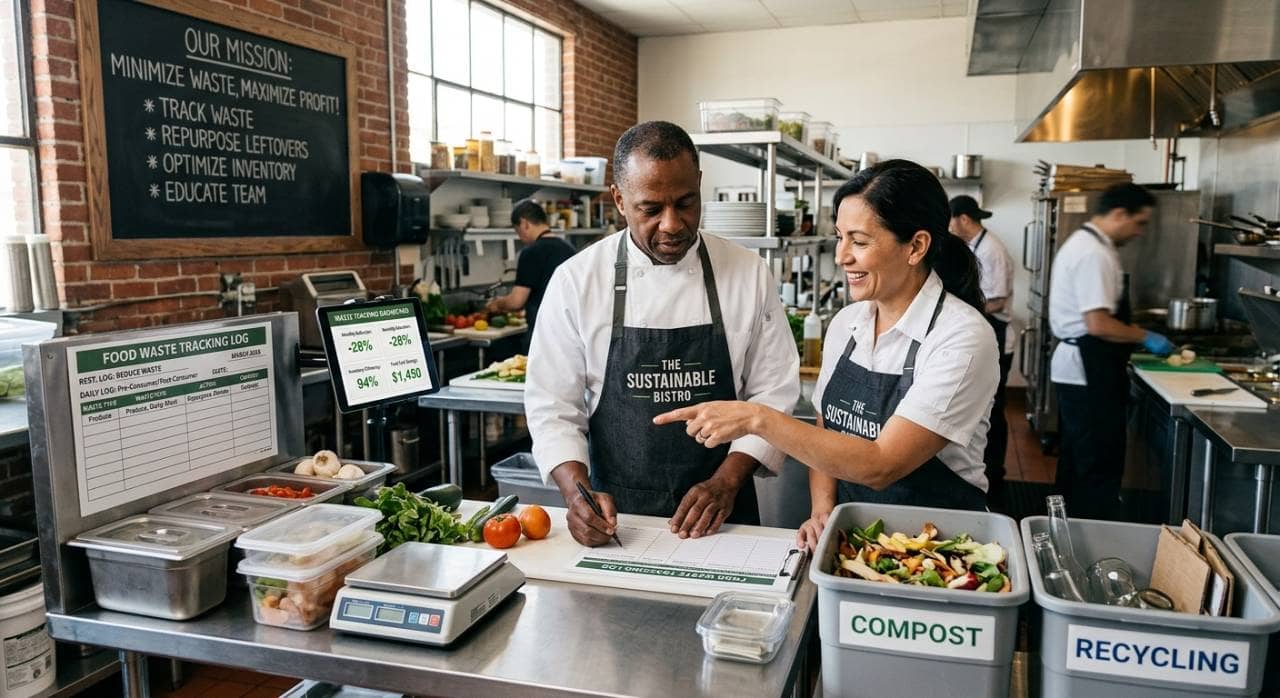
Learn how to reduce food waste in restaurants through smarter purchasing, storage, preparation, and service strategies that cut costs.
Sep 9, 2026
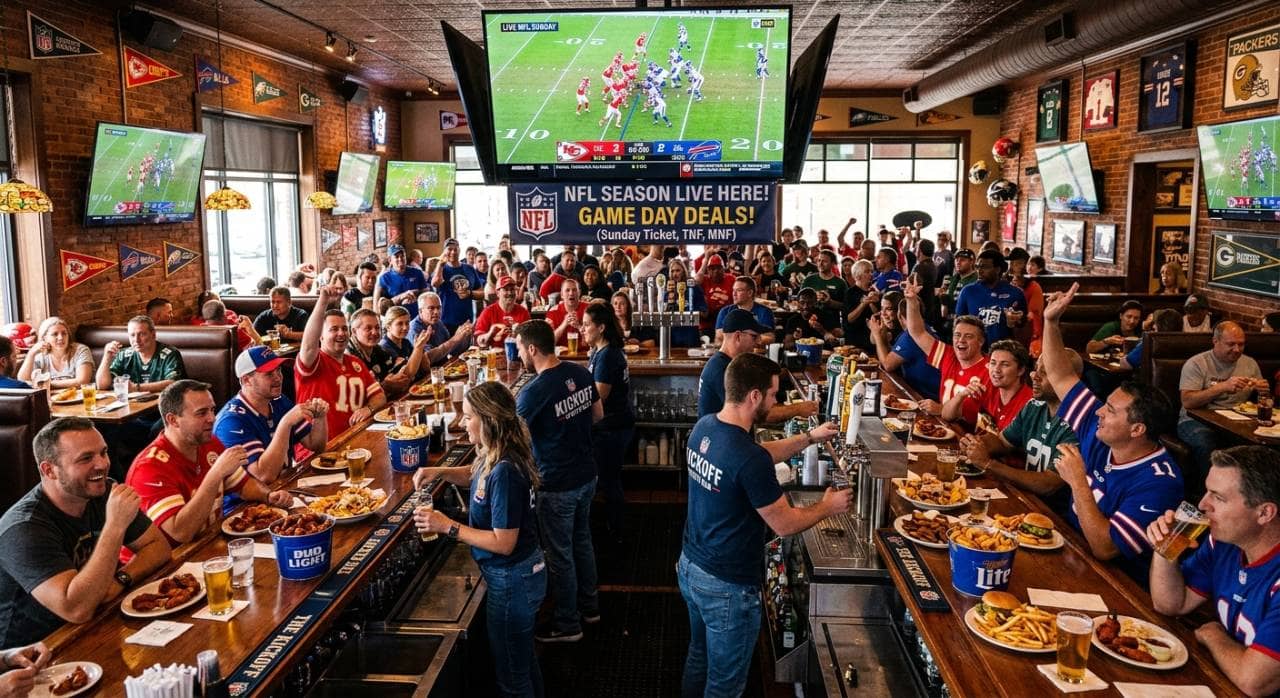
Prepare your restaurant for NFL season with smart menu planning, staffing, marketing, technology, and atmosphere strategies that boost season-long revenue.
Sep 9, 2026
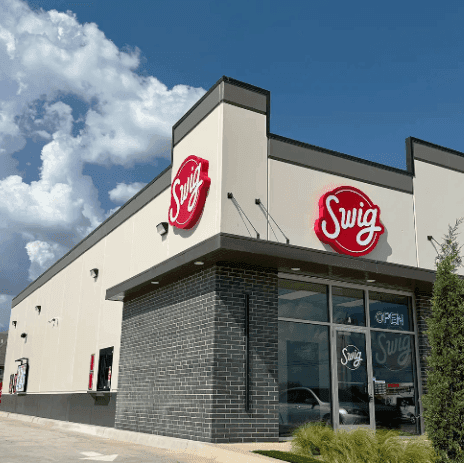
Swig signs franchise agreement for 11 South Denver locations, marking Colorado entry and validating its national expansion strategy.
Sep 8, 2026
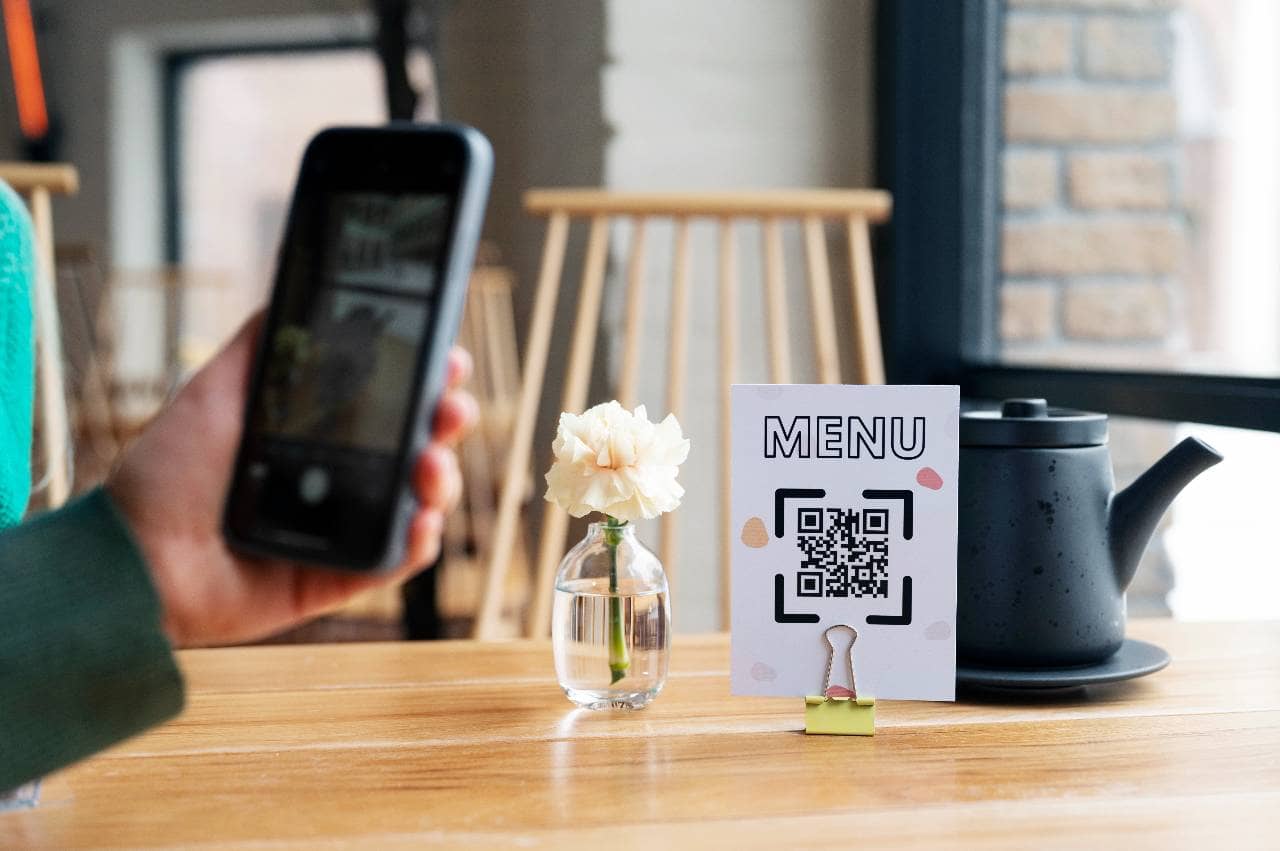
QR code menus let restaurants replace paper menus digitally, enabling instant updates, contactless browsing, ordering, and payment through simple smartphone scanning.
Sep 7, 2026
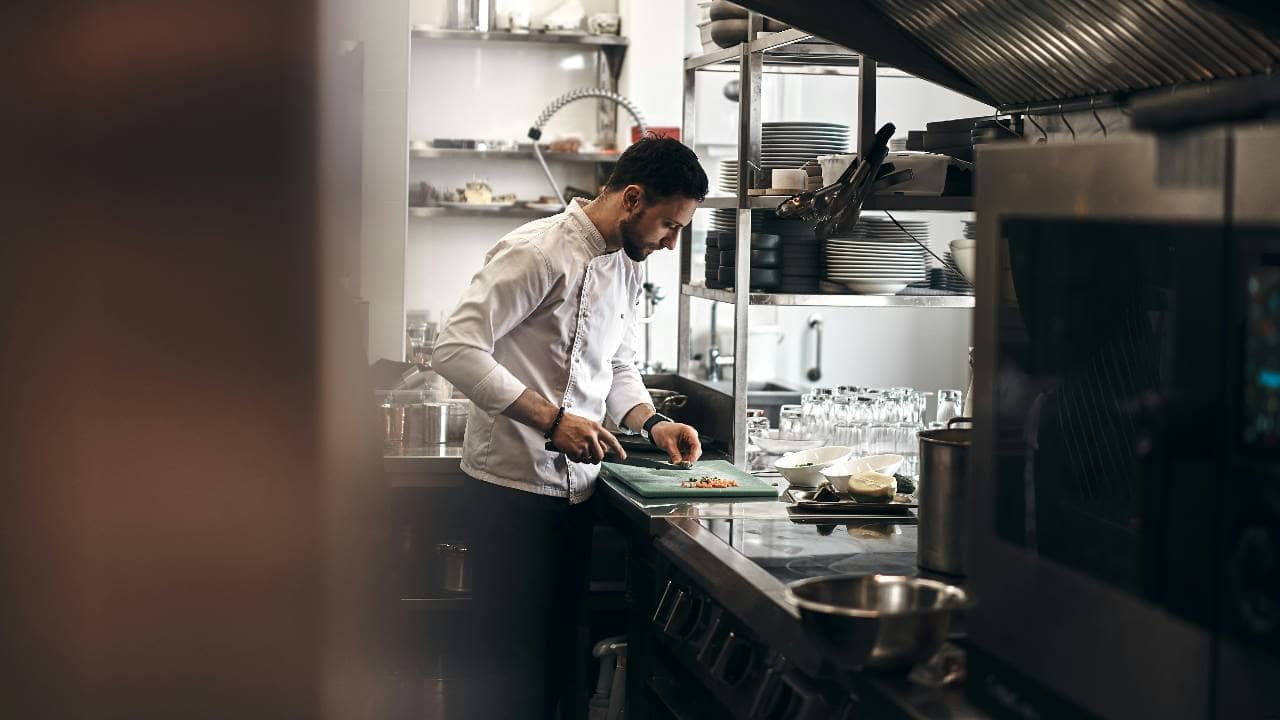
Complete guide helping restaurant owners choose essential kitchen equipment - covering cooking, refrigeration, prep, sanitation, ventilation, safety, and long-term maintenance planning.
Sep 7, 2026
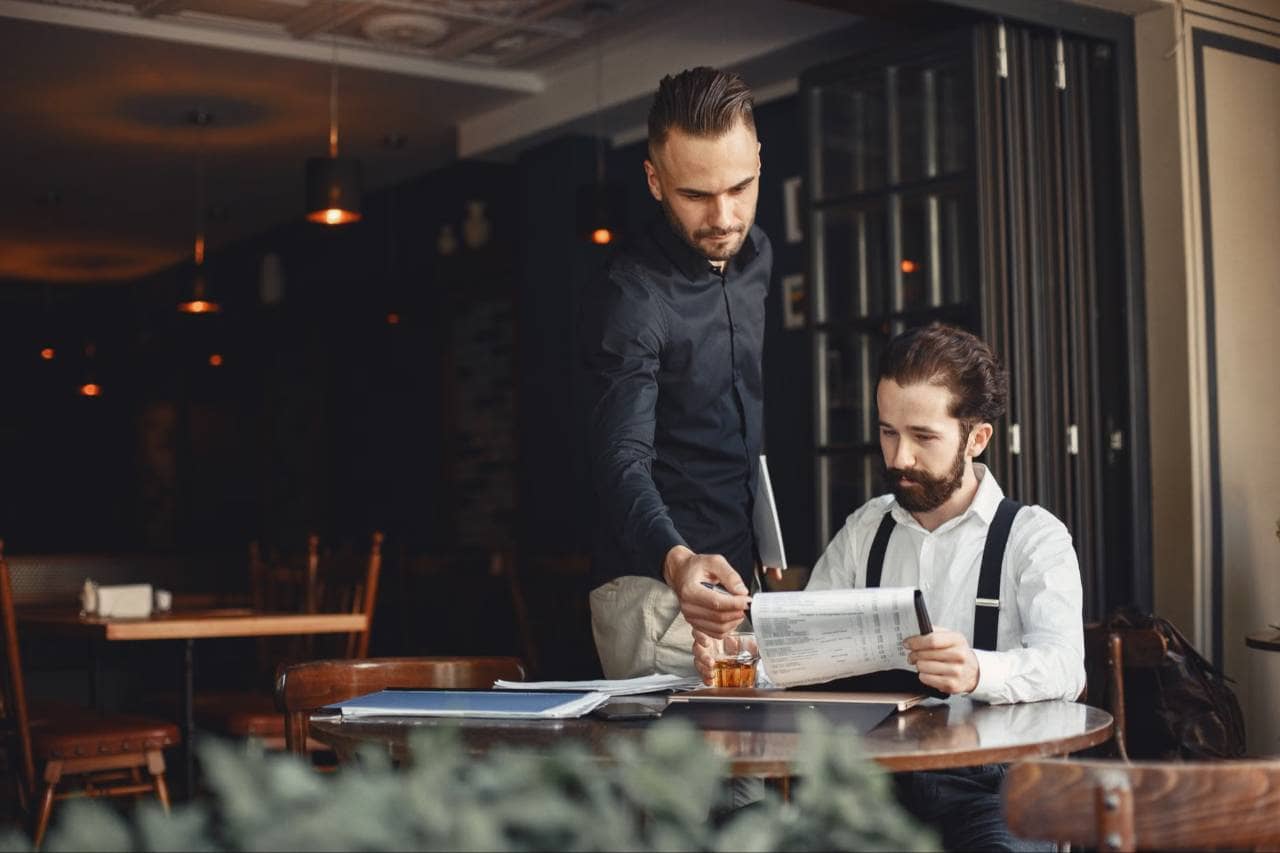
Avoiding common restaurant payroll mistakes - misclassification, tip credit errors, overtime miscalculations - protects businesses from costly penalties, back pay, and compliance risks.
Sep 4, 2026
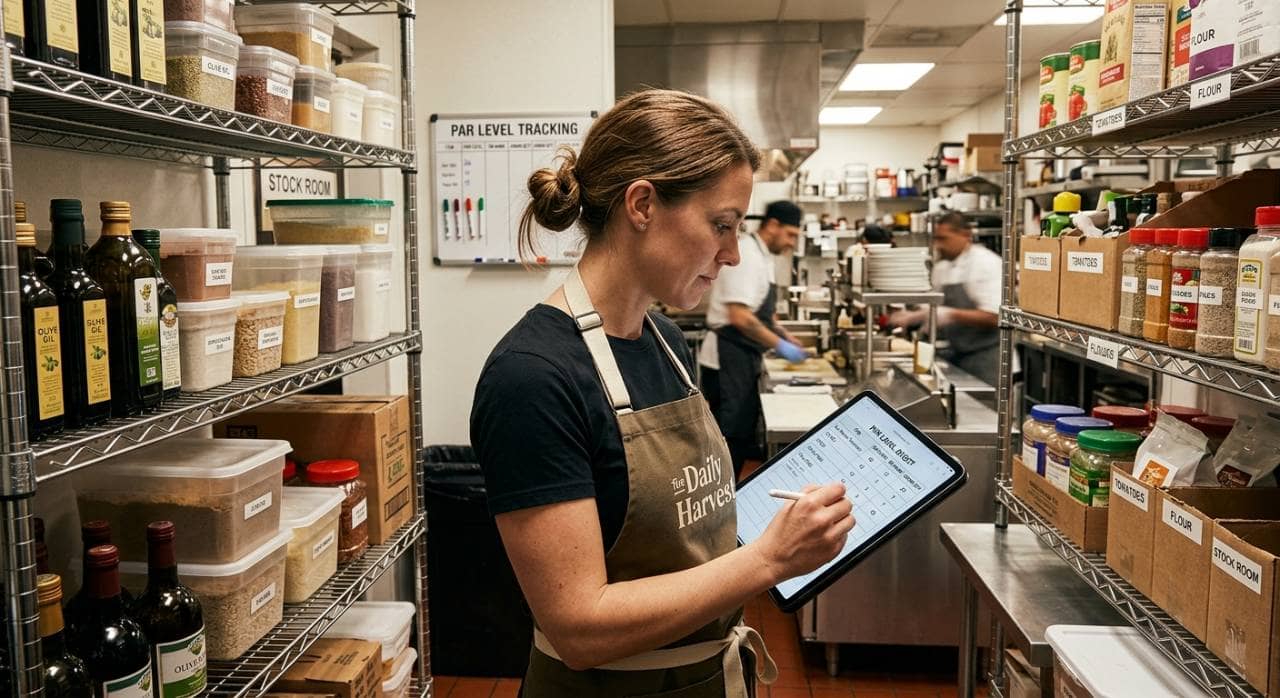
Learn to calculate par levels for restaurant food, beverages, and packaging inventory, preventing stockouts and waste through proper formulas.
Sep 4, 2026
Caribou Coffee appoints Zane Thomas-Rogers as Chief Operations Officer to strengthen execution across its expanding coffeehouse network.
Sep 4, 2026
Compare the top 10 restaurant POS systems in the USA for 2026. Explore features, pricing, pros, cons, and the best POS options for every restaurant type.
Jul 1, 2026

Unlock Exclusive Access To Webinars, Events, And The Latest News For Free!
A harbor icon evolves into a media-forward destination through immersive storytelling, a viral docudrama, and bold expansion.

Photo by Mia de Jesus
In the harbor that hugs the southern edge of Los Angeles, a family business began as a quiet counter selling seafood with a gentle rhythm. Vista Seafood opened in 1956 under Mackey Ungaro, and what started as a simple counter grew into something people linger for. The space kept a steady, welcoming pulse, fish on ice, conversations over chowder, and a memory of harbor light that felt older than its weathered docks. Over the decades the Ungaro family steered the course from humble counter to waterfront destination, quietly weaving hospitality into every order. The bigger question, as guests slip into soft chairs and share stories, is this: how did a neighborhood counter become a stage for a brand's evolving story?
Today the footprint is a 55,000-square-foot stage designed to welcome a bustling seafood audience, with seating for 3,000 guests at a time. The scale matters because it creates a social rhythm, sunlit decks, clinking glasses, and conversation that flows as freely as the waves. The menu has long carried the lure of the World Famous Shrimp Tray, while the brand's appetite for storytelling reaches beyond plates: The Kings Of Fi$h is an award-winning web series that has carried the market's voice farther than any inked advertisement ever did. When food, setting, and narrative work in harmony, a harbor staple becomes a living, breathing experience.

Yet the arc of reinvention encountered the sharp realism of redevelopment. The Port of Los Angeles asked the Fish Market to vacate its longtime home as West Harbor rose, nudging the family toward temporary quarters. The move demanded resilience: a citywide project, a brand that thrives on space for crowds, and a plan for a new kind of waterfront experience. The transition was more than relocation; it was a recalibration of what hospitality could mean when the shoreline itself was reimagined. Guests learned to trust a story that stayed steady even as its stage shifted.
By late 2022 the timeline grew tighter, 60-day window to relocate, followed by a period operating from a parking-lot setup. On October 1, 2023, the team settled into a more robust temporary facility described as a 1,500-seat kitchen complex built from retrofitted shipping containers. The West Harbor project promises a flagship footprint with the capacity to anchor a broader oceanfront destination. Industry coverage notes the goal of a 3,000-seat restaurant in time for the Los Angeles Olympics, signaling a long arc of expansion and place-making rather than a single opening.

Behind the scenes, the restaurant’s story extended beyond the dining room. The market’s digital pivot centers on The Kings Of Fi$H, an award-winning docudrama that traces four generations of the Ungaro family. What began as a YouTube project grew into a national conversation when it found its way to streaming platforms. The series offers guests a backstage pass to a family enterprise that has learned to move with the tides of business and culture alike. In a crowded hospitality landscape, the show became more than entertainment, it became a doorway into the brand’s memory and values.
Today Kings Of Fi$H runs on Amazon Prime, serving as a core element of the brand’s storytelling engine. Immersive media and personal narratives invite online followers and visiting guests to feel connected with a living family business. The series demonstrates how content can extend a restaurant's reach without shifting away from its core product: seafood, service, and a waterfront sensibility. In short, storytelling is not an accessory here; it is a strategic asset that complements the kitchen and the dockside view.
Storytelling at San Pedro Fish Market is framed as a deliberate asset, not a distraction. It counteracts negative narratives and highlights distinctive selling points, seasoned family hands, a seaside setting rich with memory, and a tempo that invites guests to linger. In leadership circles, the aim is to make the brand irreplaceable by shaping perceptions and experiences that people want to be part of. This is storytelling-as-habits: a steady cadence of immersive media, transparent history, and a community that grows with every post, review, and sunrise on the harbor.
Operationally, the approach translates into tangible outcomes: a welcoming online presence that mirrors the warmth of a dockside welcome, and a guest experience that feels personal even when crowds swell. Immersion is not about spectacle alone but about shared rituals, watching a story together, tasting a familiar tray, and recognizing a family narrative that spans generations. The result is a resilient hospitality brand that navigates competition by inviting guests into a living narrative rather than a one-off advertisement.

Voices from the leadership pepper the coverage with memorable color. A founder reflects on adaptability with the line, "My grandfather was a bookie," a remark that hints at a flexible, never-static mindset. Guests and reporters alike note the pace of change and the courage to try new channels. As one observer pointed out, ‘People tell me they only wait in lines at Disneyland and here.’ The tone is gentle, the message clear: improvisation and a willingness to embrace new media can become the most reliable seasoning for growth.
Behind the scenes the team experimented with tools like Toast and QR codes to reinvent processes when older locations limited capabilities. The hustle became a blueprint for smoothing operations without compromising the harbor’s spirit. The leadership’s voice remains practical and hopeful: the lines may be long, but the experience, the storytelling, the flavors, the view, keeps guests coming back. It is a quiet kind of expansion that says the story is as important as the menu.

Looking ahead, the West Harbor redevelopment anchors the growth trajectory from a neighborhood staple to a large-scale destination. A flagship footprint of 55,000 square feet is described as the anchor for an oceanfront experience that can seat 3,000 diners, joining a network of multiple formats and experiences. Plans include new locations, including a Monterey site, as the company expands its footprint toward a broader coastal audience. The path is long and deliberate, balancing construction timelines with guest expectations, and signaling that this is less about a single opening than about a sustained, media-forward evolution.
Industry observers describe a multi-year arc: relocation during redevelopment, the launch of temporary facilities, and a future flagship capable of hosting thousands. Public reporting and the brand’s own materials sketch a trajectory that embraces growth without abandoning its harbor roots. The broader takeaway is simple and comforting: when a business writes its own narrative, it crafts a durable channel for growth, resilience, and hospitality that feels as inevitable as the tide.
