
California Penalizes Dickey's for Franchise Disclosure Violations
California shifts to public enforcement strategy against Dickey's for deceptive franchise disclosures, signaling stricter state-level franchise oversight.
Franchising
Sep 10, 2026
California shifts to public enforcement strategy against Dickey's for deceptive franchise disclosures, signaling stricter state-level franchise oversight.
Sep 10, 2026
Paul Brown temporarily steps away from Inspire Brands as Scott Murphy assumes interim CEO role during confidential IPO filing process targeting late 2026.
Sep 10, 2026
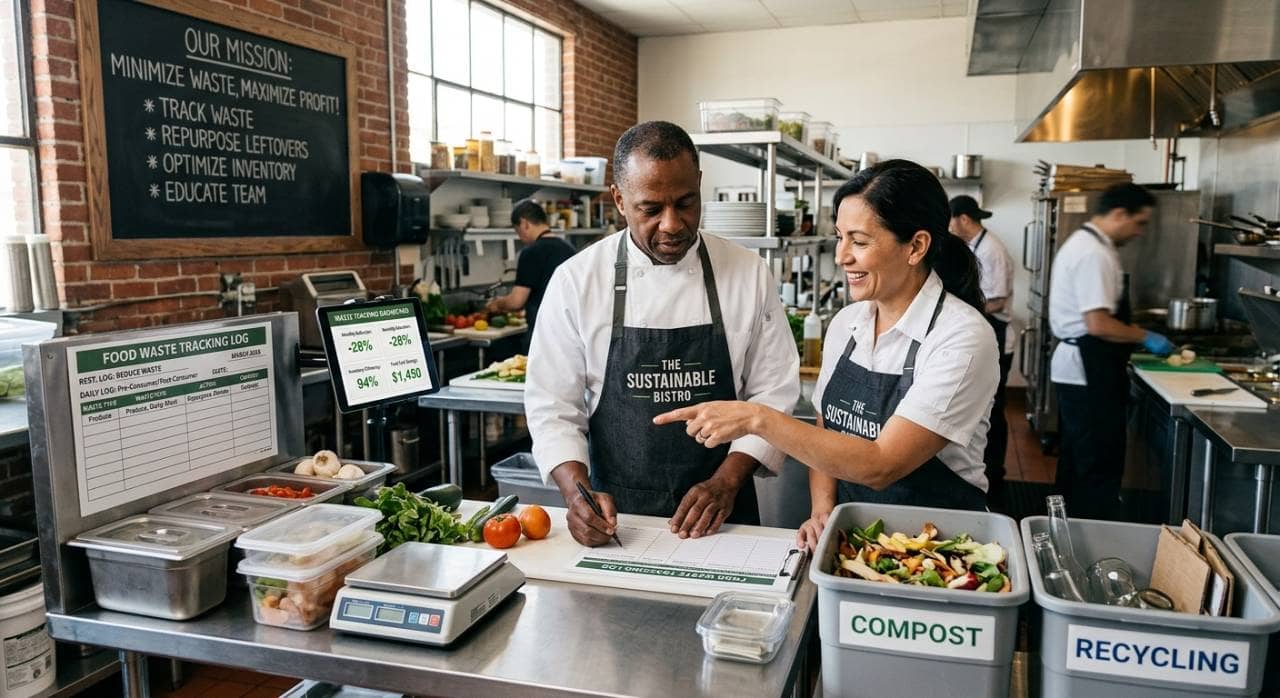
Learn how to reduce food waste in restaurants through smarter purchasing, storage, preparation, and service strategies that cut costs.
Sep 9, 2026
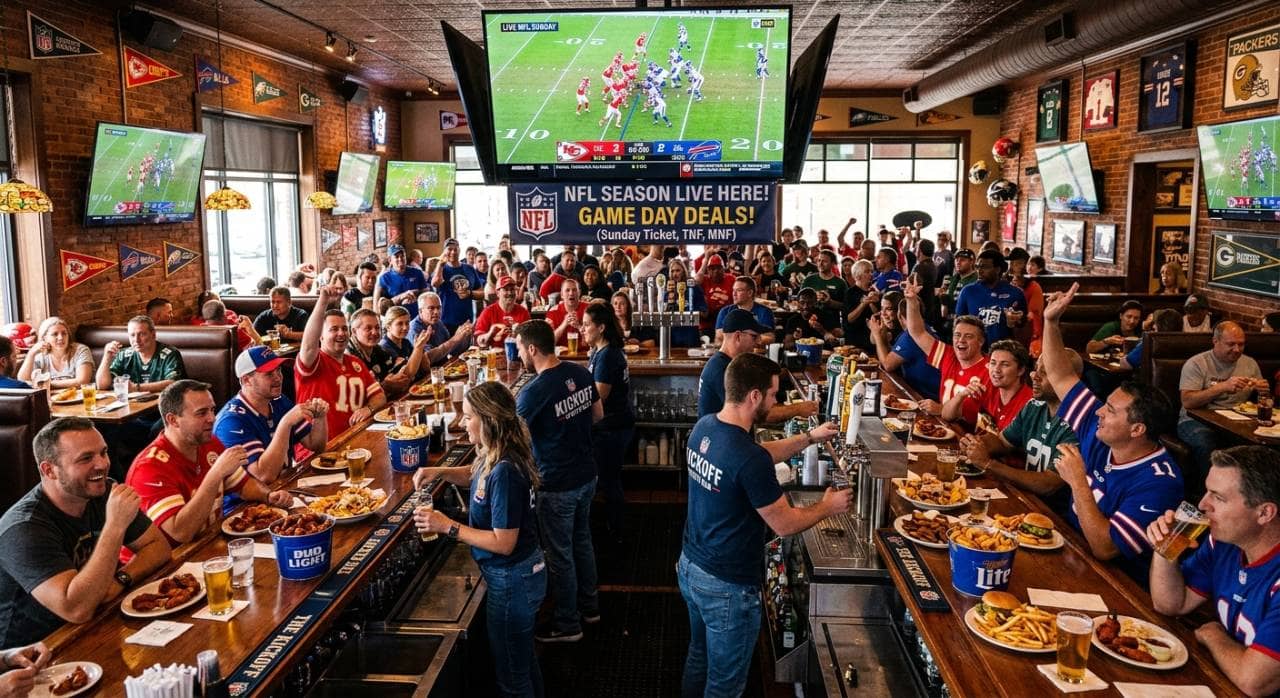
Prepare your restaurant for NFL season with smart menu planning, staffing, marketing, technology, and atmosphere strategies that boost season-long revenue.
Sep 9, 2026
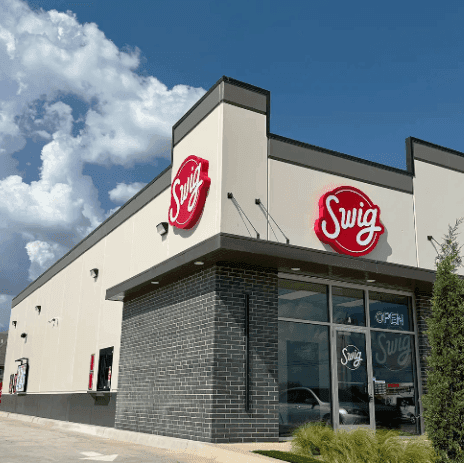
Swig signs franchise agreement for 11 South Denver locations, marking Colorado entry and validating its national expansion strategy.
Sep 8, 2026

Complete guide helping restaurant owners choose essential kitchen equipment - covering cooking, refrigeration, prep, sanitation, ventilation, safety, and long-term maintenance planning.
Sep 7, 2026

QR code menus let restaurants replace paper menus digitally, enabling instant updates, contactless browsing, ordering, and payment through simple smartphone scanning.
Sep 7, 2026

Avoiding common restaurant payroll mistakes - misclassification, tip credit errors, overtime miscalculations - protects businesses from costly penalties, back pay, and compliance risks.
Sep 4, 2026
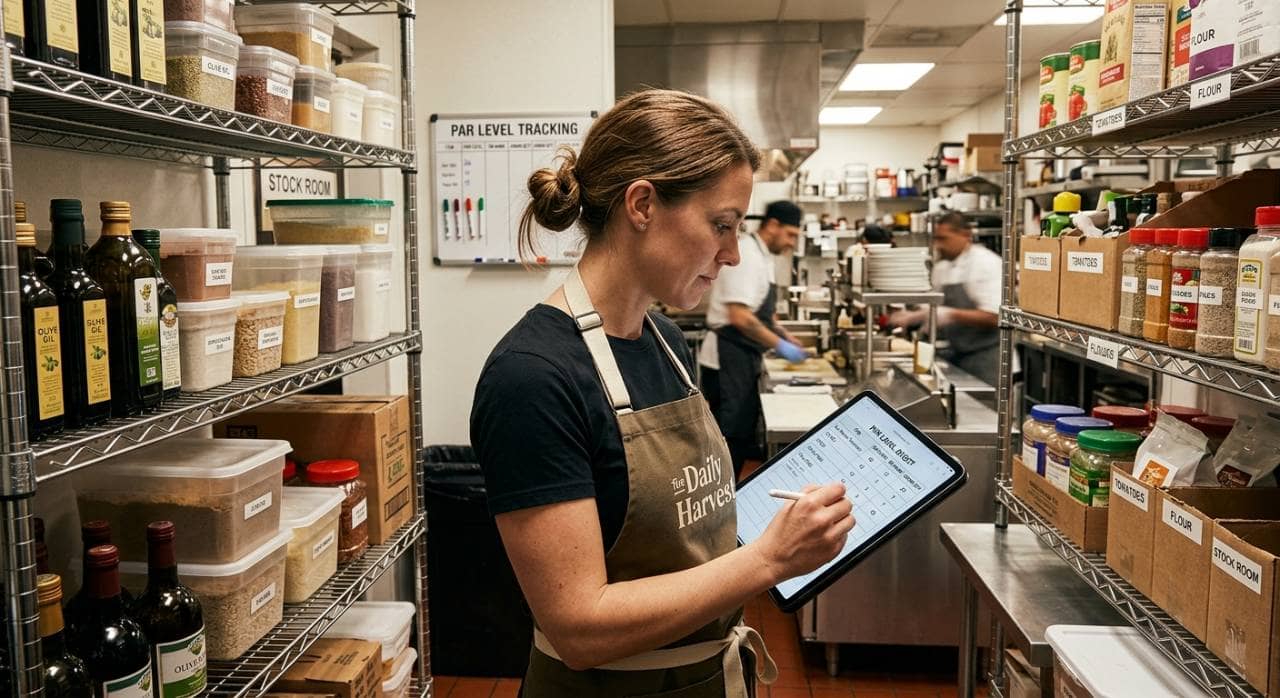
Learn to calculate par levels for restaurant food, beverages, and packaging inventory, preventing stockouts and waste through proper formulas.
Sep 4, 2026
Caribou Coffee appoints Zane Thomas-Rogers as Chief Operations Officer to strengthen execution across its expanding coffeehouse network.
Sep 4, 2026

Unlock Exclusive Access To Webinars, Events, And The Latest News For Free!
A lender-led $40 million bid reshapes Rubio’s Coastal Grill, trimming to 86 units and launching a TREW Capital-backed turnaround.

Photo by Patrick Perkins
Rubio’s Coastal Grill is stepping out of the shadows of bankruptcy with a pointed plan and a clear buyer. In an uncontested bid, The Original Fish Taco LLC, an affiliate of TREW Capital Management, agreed to acquire Rubio’s for $40 million. The agreement ends a chapter that began two months earlier when Rubio’s filed for Chapter 11 protection, the chain’s second filing in five years. The outcome leaves Rubio’s with a pared-down footprint, 86 locations across California, Arizona, and Nevada after a round of California closures earlier this year. It’s not a retreat; it’s a reset designed to preserve the brand while dialing in a more sustainable capital structure.
From the bankruptcy docket to the courtroom, the process moved with unusual clarity. The bid was a single, $40 million credit offer with no competing bids, a sign that the lender group wanted a clean, efficient reset. As part of the deal, a portion of Rubio’s secured debt would be forgiven, a common tactic in lender-led restructurings that aims to stabilize operations while protecting the ongoing business. In the months before the sale, TREW Capital Management, through its affiliate, had already assumed more than $72 million of Rubio’s debt, signaling a deep commitment to the turnaround. A hearing was set for August 5, 2024, and the disposition followed on August 7, finalizing the transfer of ownership and control.
Rubio’s story is one of repeated strain within a tough market. The chain pursued Chapter 11 protection twice in five years, with the first filing in 2020 as the industry wrestled with the pandemic. The 2024 filing followed a period of sustained pressure from costs and fierce competition in fast casual. Industry data from Technomic noted a 4.5% unit closure rate for Rubio’s between 2022 and 2023, a sign of serious headwinds compared with peers. In the wake of the downturn, Rubio’s abruptly shuttered roughly 50 California locations, reducing its footprint to 86 units across the Western United States. It’s a stark reminder of the liquidity crisis and the need for a more sustainable operating model.
Those shifts created a momentum for a tighter, more focused operation. The pull toward lender-led restructuring rested on a simple premise: preserve what works, shed what drags, and realign the business around a lean, capital-friendly model. The large California footprint, a victim of rising costs and intense competition, forced Rubio’s to rethink where to invest, where to cut, and how to rebuild relationships with suppliers and shoppers. The plan now faces a test: can the 86 remaining units, spread across three Western states, sustain a brand built on coastal fish tacos and family meals while adapting to a post-pandemic menu and economics?
Turning the page was a clean narrative: a single $40 million credit bid to acquire Rubio’s assets, with no backup bid, according to court filings. The purchase structure forgave a portion of Rubio’s secured debt, a standard feature in lender-led restructurings that aims to stabilize operations while preserving the core business. In the months leading up to the sale, TREW Capital Management had already assumed more than $72 million of Rubio’s debt, signaling a deep, early commitment to the turnaround. A hearing was scheduled for August 5, 2024, and the disposition followed on August 7, transferring ownership and operational control to the lender group while preserving 86 remaining locations.
Leadership matters in a reboot, and this one lands with Jeff Crivello, the veteran executive who helms the lender-backed effort. The move signals a shift toward tighter cost controls and sharper menu positioning, with the expectation that a private-credit-backed ownership model can move quicker on restructure than a traditional equity-led turnaround. Yet realignment will hinge on rebuilding vendor relationships and restoring customer loyalty after months of closures. Public reaction reflects both caution and guarded optimism: the brand remains rooted in a coastal fish-taco concept, but the path forward must prove it can deliver steady unit economics, reliable supplies, and a compelling value proposition to regional diners.
Industry watchers regard the move with guarded curiosity. A lender-backed turn can unlock the discipline investors want, but it comes with a sting: turning a regional concept into a tighter, more defensible operation. Rubio’s spokesperson highlighted that the rising cost of doing business in California helped drive store reductions, underscoring the real estate and cost pressure that haunted the brand even before the sale. As the new owners map what to restore and what to rework, the question remains: can the loyalty that the brand built over years survive the stress tests of tighter debt and reorganized vendor networks?
Observers are watching not just the top line, but the bottom line: how quickly vendors reengage, how menus are reimagined to fit price and appetite, and how store-level economics improve. A successful reboot would show disciplined cost controls, selective real estate optimization, and a sharper plan for growth that respects Rubio’s regional identity while embracing TREW’s capital and playbook. If the model works, it could influence other mid-market chains wrestling with debt to consider lender-backed turnarounds as a viable path.
Rubio’s saga mirrors a broader surge of debt-driven restructurings in fast-casual Mexican brands. Across the sector, chains face higher costs, fierce competition, and changing customer habits in a post-pandemic economy. Analysts have noted a wave of closures and reorganizations as players recalibrate real estate footprints and capital structures. The use of debt-based acquisitions and lender-led restructurings has become more common as stakeholders seek to preserve viable brands while clearing untenable liabilities.
Going forward, integration of the Nevada-adjacent stores into the new plan, the pace of unit improvements, and the ability to rebuild a coherent brand experience will shape Rubio’s long‑term viability. Execution risk remains high, and market response will depend on tangible improvements in product, service, and unit economics. For the industry, Rubio’s may become a case study in how private-credit-backed ownership can stabilize and reposition a regional concept, testing whether TREW’s turnaround playbook can translate into sustained growth beyond the stabilizing phase.
