
California Penalizes Dickey's for Franchise Disclosure Violations
California shifts to public enforcement strategy against Dickey's for deceptive franchise disclosures, signaling stricter state-level franchise oversight.
Franchising
Sep 10, 2026
California shifts to public enforcement strategy against Dickey's for deceptive franchise disclosures, signaling stricter state-level franchise oversight.
Sep 10, 2026
Paul Brown temporarily steps away from Inspire Brands as Scott Murphy assumes interim CEO role during confidential IPO filing process targeting late 2026.
Sep 10, 2026
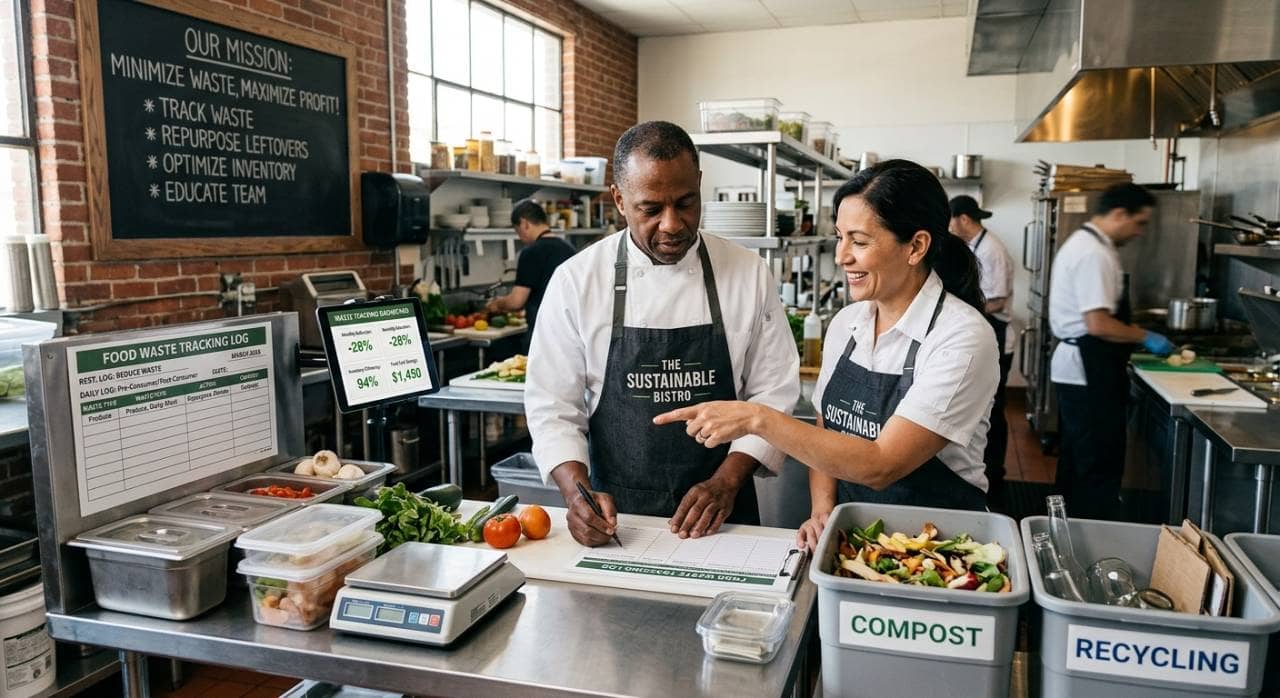
Learn how to reduce food waste in restaurants through smarter purchasing, storage, preparation, and service strategies that cut costs.
Sep 9, 2026
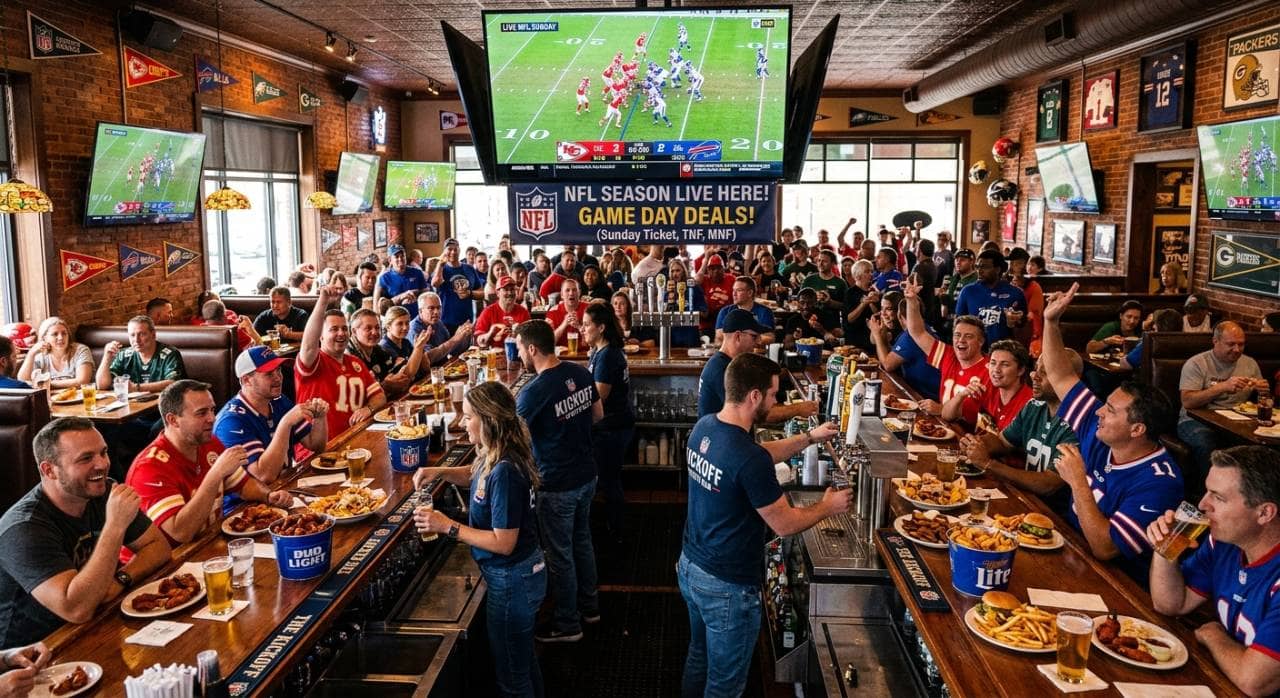
Prepare your restaurant for NFL season with smart menu planning, staffing, marketing, technology, and atmosphere strategies that boost season-long revenue.
Sep 9, 2026
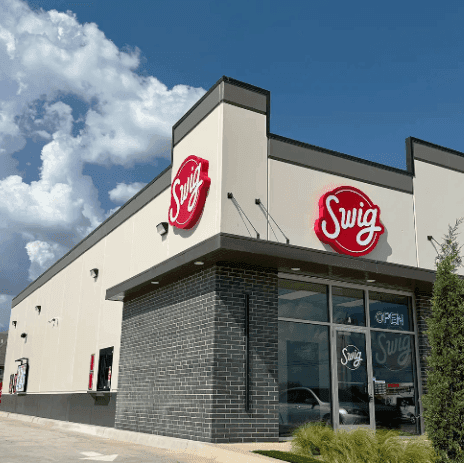
Swig signs franchise agreement for 11 South Denver locations, marking Colorado entry and validating its national expansion strategy.
Sep 8, 2026
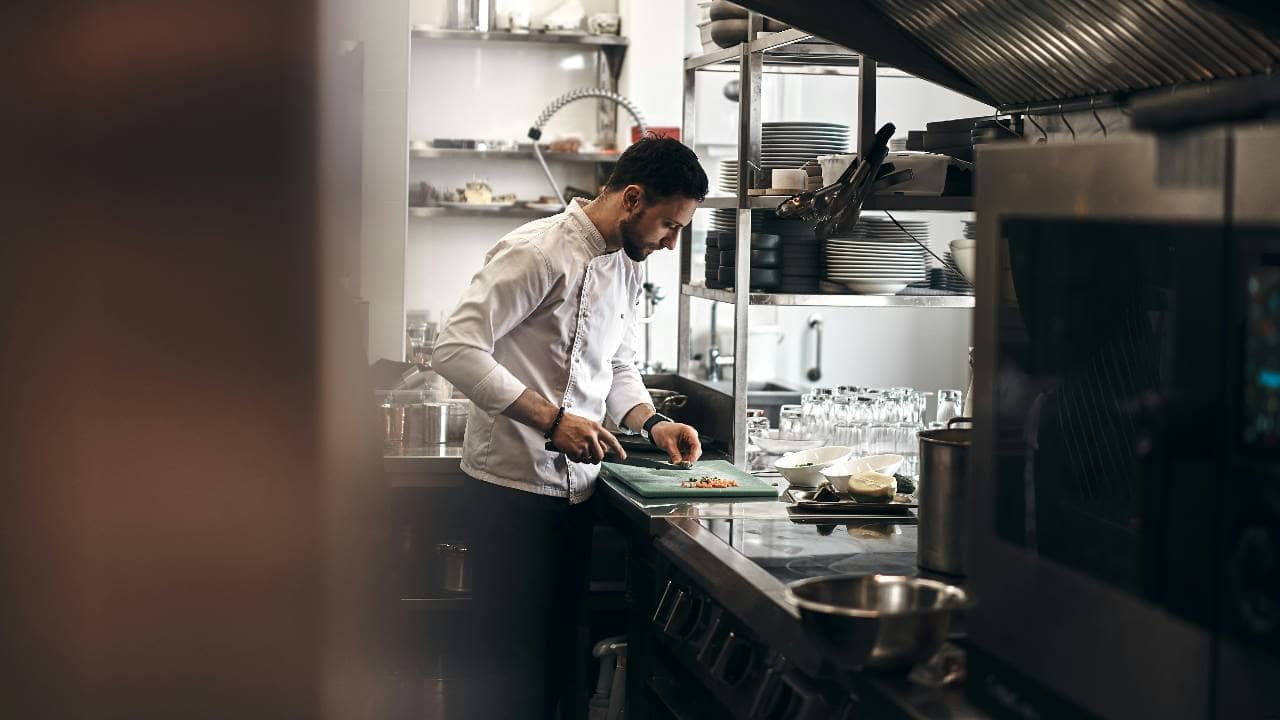
Complete guide helping restaurant owners choose essential kitchen equipment - covering cooking, refrigeration, prep, sanitation, ventilation, safety, and long-term maintenance planning.
Sep 7, 2026
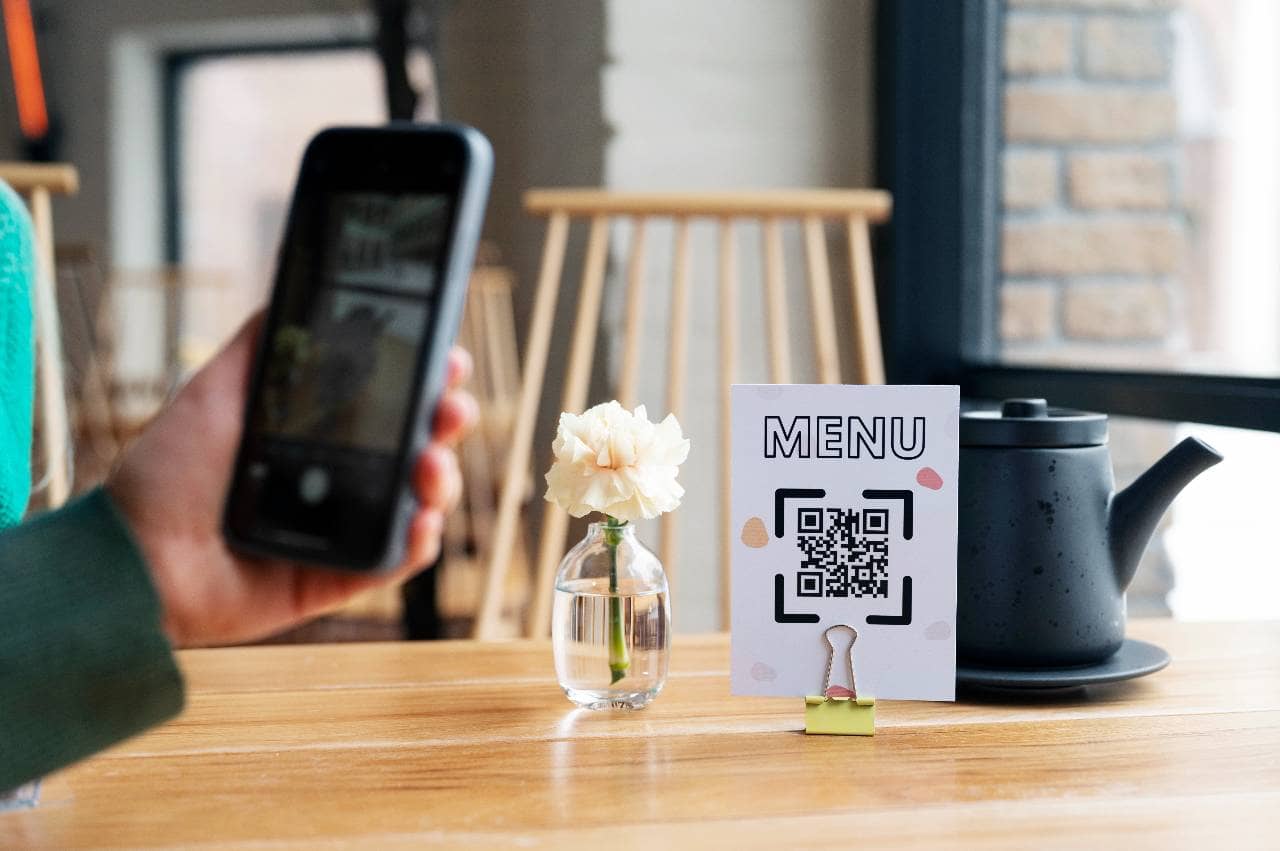
QR code menus let restaurants replace paper menus digitally, enabling instant updates, contactless browsing, ordering, and payment through simple smartphone scanning.
Sep 7, 2026

Avoiding common restaurant payroll mistakes - misclassification, tip credit errors, overtime miscalculations - protects businesses from costly penalties, back pay, and compliance risks.
Sep 4, 2026
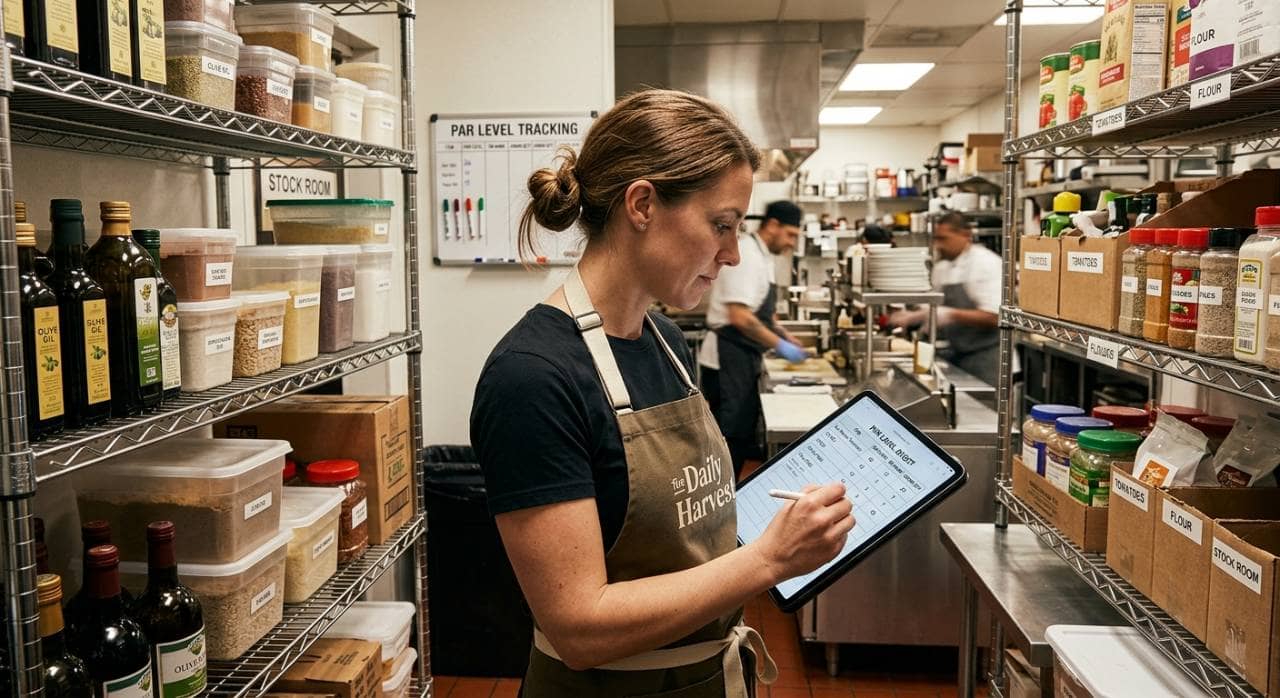
Learn to calculate par levels for restaurant food, beverages, and packaging inventory, preventing stockouts and waste through proper formulas.
Sep 4, 2026
Caribou Coffee appoints Zane Thomas-Rogers as Chief Operations Officer to strengthen execution across its expanding coffeehouse network.
Sep 4, 2026

Unlock Exclusive Access To Webinars, Events, And The Latest News For Free!
Shake Shack refines growth around speed, expanding drive-thru formats and streamlined kitchens to reach 1,500 stores.

Photo by Dan Gold
In the past year, Shake Shack has quietly recalibrated its ambitions, not only in where it opens but how quickly guests are served. The chain known for walk-up hospitality is embracing speed as a strategic growth engine, extending beyond urban cores into drive-thru capable formats and simplified kitchens. This is not a retreat from hospitality, but a deliberate redesign of the guest journey, consistent, reliable service that travels across markets with distinct rhythms. The question now is not whether speed matters, but how the organization will embed it into culture, cadence, and craft, from checkouts to the last bite:
2025 revenue near $1.45 billion, a double-digit improvement that sits beside rising same-Shack sales and a path to 22.6% restaurant-level margins. The company also achieved meaningful cost discipline in development, with net build costs under $2 million for new Shacks, about a 20% reduction year over year. Looking ahead, Shake Shack frames 2026 as a foundation for broader growth, targeting 55–60 Company-operated Shacks and 40–45 licensed Shacks. The 4Q25 shareholder letter underscores disciplined execution and hospitality-forward service, positioning speed as a driver of margin and access to more communities.

To operationalize speed, Shake Shack is rewriting the choreography of its kitchens and dining rooms. The company has discussed an assembly-line approach in back-of-house operations, moving away from fixed-post staffing toward an expo-driven flow where orders converge along a faster throughput line. In parallel, management is exploring drive-thru combos and scalable menu options designed to shorten service times without sacrificing core quality. Industry observers note a shift to activity-based labor that improves guest service and reduces observed hours, even as overall costs remain a hurdle. These changes are carefully designed to preserve product freshness and accuracy while delivering meaningful time savings.
Shake Shack’s 2025 net build-cost performance underpins this operational gamble: the company’s ability to deploy new Shacks at a lower upfront price supports faster scale, especially in drive-thru contexts. With net build costs down ~20% year over year, leadership can reinvest in kitchen layouts, equipment, and staff training to push throughput without eroding quality. Executives emphasize that speed must not outpace freshness or order accuracy, a balance essential as the model expands into more diverse geographies.
