
California Penalizes Dickey's for Franchise Disclosure Violations
California shifts to public enforcement strategy against Dickey's for deceptive franchise disclosures, signaling stricter state-level franchise oversight.
Franchising
Sep 10, 2026
California shifts to public enforcement strategy against Dickey's for deceptive franchise disclosures, signaling stricter state-level franchise oversight.
Sep 10, 2026
Paul Brown temporarily steps away from Inspire Brands as Scott Murphy assumes interim CEO role during confidential IPO filing process targeting late 2026.
Sep 10, 2026
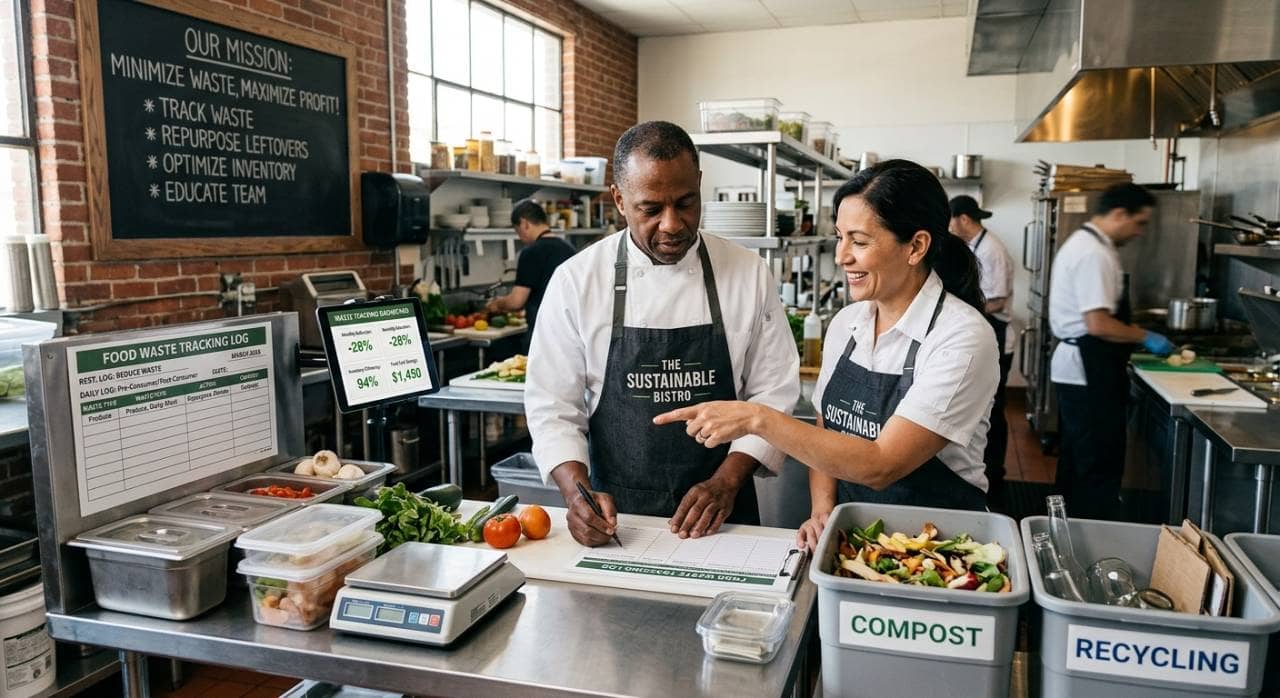
Learn how to reduce food waste in restaurants through smarter purchasing, storage, preparation, and service strategies that cut costs.
Sep 9, 2026
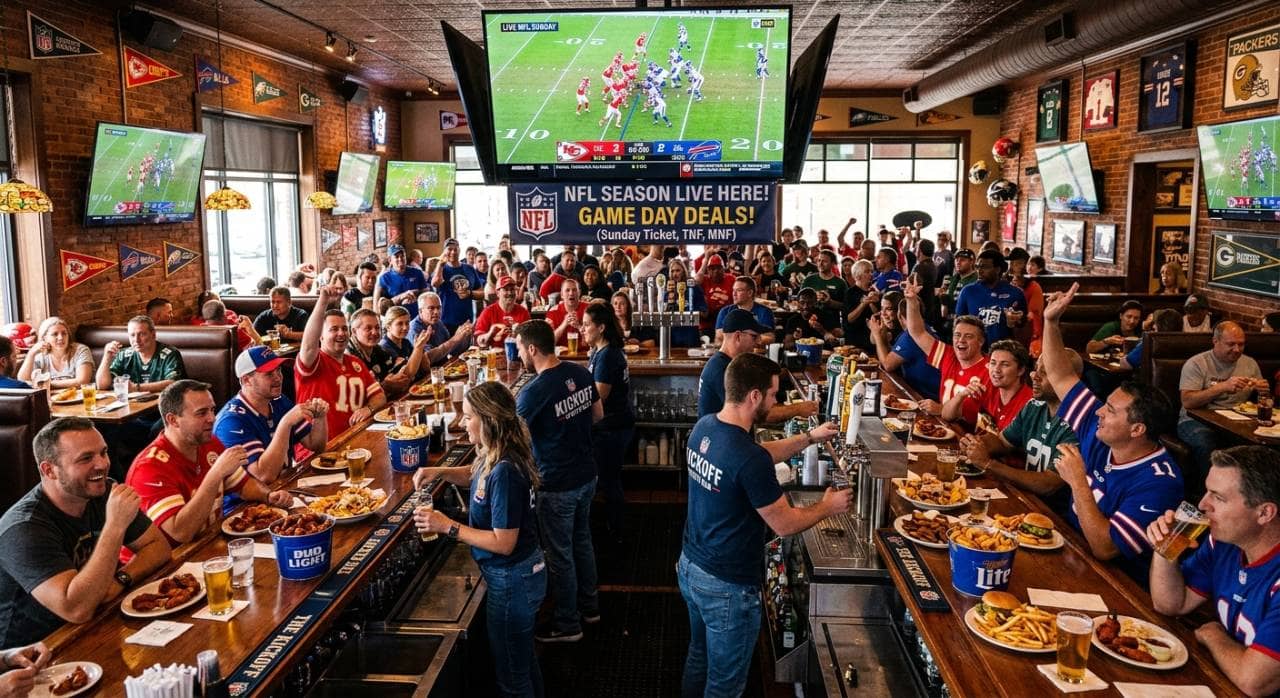
Prepare your restaurant for NFL season with smart menu planning, staffing, marketing, technology, and atmosphere strategies that boost season-long revenue.
Sep 9, 2026
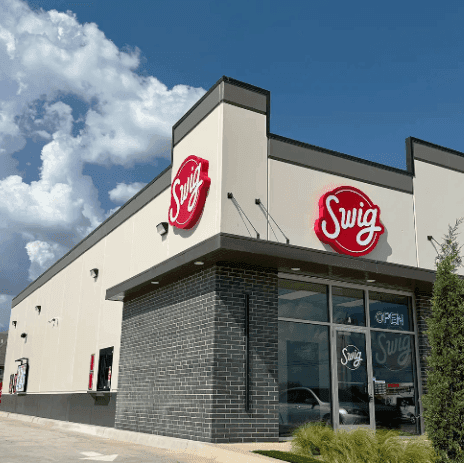
Swig signs franchise agreement for 11 South Denver locations, marking Colorado entry and validating its national expansion strategy.
Sep 8, 2026

QR code menus let restaurants replace paper menus digitally, enabling instant updates, contactless browsing, ordering, and payment through simple smartphone scanning.
Sep 7, 2026

Complete guide helping restaurant owners choose essential kitchen equipment - covering cooking, refrigeration, prep, sanitation, ventilation, safety, and long-term maintenance planning.
Sep 7, 2026

Avoiding common restaurant payroll mistakes - misclassification, tip credit errors, overtime miscalculations - protects businesses from costly penalties, back pay, and compliance risks.
Sep 4, 2026
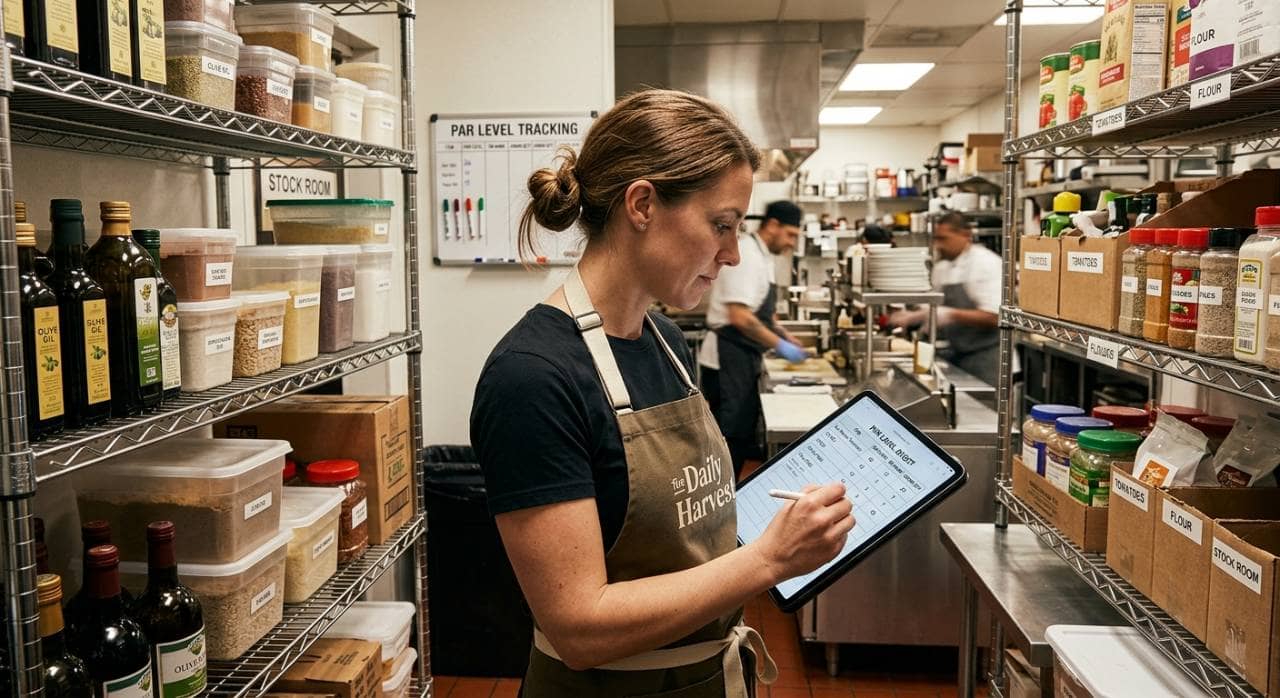
Learn to calculate par levels for restaurant food, beverages, and packaging inventory, preventing stockouts and waste through proper formulas.
Sep 4, 2026
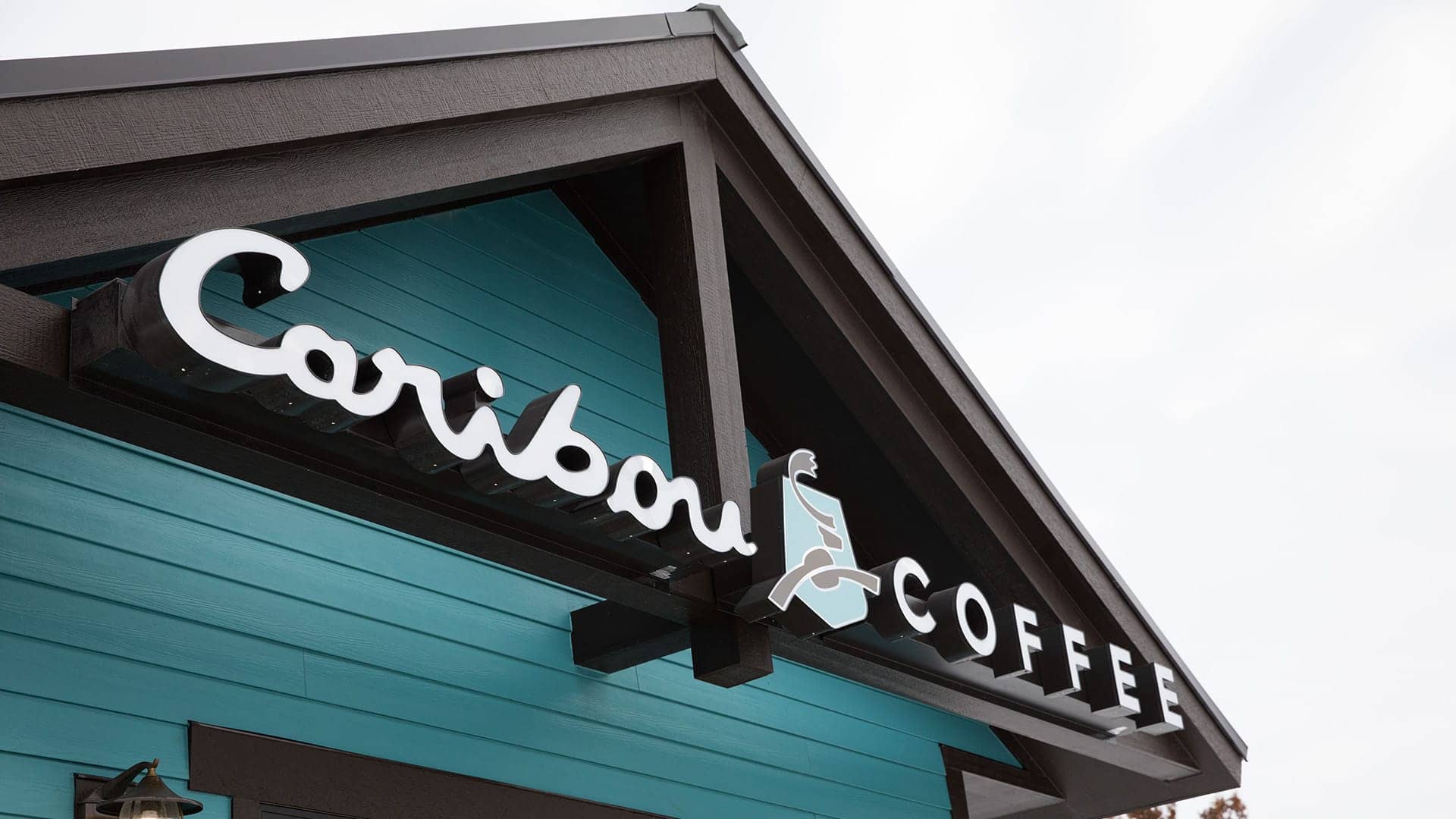
Caribou Coffee appoints Zane Thomas-Rogers as Chief Operations Officer to strengthen execution across its expanding coffeehouse network.
Sep 4, 2026

Unlock Exclusive Access To Webinars, Events, And The Latest News For Free!
A narrative on fast-food traffic declines, legacy brands, and how operators recalibrate through pricing, channels, and leadership.

Photo by mafe estudio
Across the fast-food landscape, a quiet recalibration is taking place. In the second quarter, visits fell by 2.3%, following a 3.5% drop in the prior quarter. The data from RMS points to a downbeat trajectory rather than a swift rebound, as markets reposition rather than uniformly recover. The picture is dominated by price-driven caution among diners: as menus rise, households tighten budgets and seek value. Yet the broader conversation includes a shift toward off-premise access, with brands testing mix and promotions to cushion receipts while staying nourished. This is the opening chapter of a longer, more nuanced story about how people eat, and why.
Within this quieter landscape, the channels are shifting. Takeout and delivery have gained momentum as substitutes for in-restaurant traffic, a pattern brands are actively testing with different combinations of menu items and pricing. RMS trend summaries note that even as visits remain pressured, the realignment is visible in the numbers: takeout up 7.6% and delivery up 12.8% for the quarter. The improvement from quarter to quarter is real but modest, and the underlying cause remains unclear, with observers pointing to the tug-of-war between menu inflation and consumer budgets. In this way, the industry is recalibrating, neither collapsing nor roaring back, but rebalancing toward off-premise nourishment.
Why the drop matters goes beyond a single quarter. The trend sits inside a larger tension: persistent price sensitivity that shapes consumer choices and operators’ margins. In RMS analyses, menu price increases have been a steady driver of avoidance behavior, complicating the effort to sustain visits while protecting profitability. The industry’s navigation between higher prices and affordable options is visible in the channel mix, slower dine-in volumes compensated by growth in takeout and delivery. The result is a reshaped map of value and experience, where people seek convenience as well as nourishment.
For operators seeking diversified growth, international markets provide an attractive opportunity. said David Portalatin, Circana’s senior vice president and food industry advisor. The message is clear: growth may hinge not just on price or promotions at home, but on opportunities abroad that diversify risk and broaden reach.
How operators respond to the shifting tides reads as a practical playbook. The data describe a two-front story: defend margin through pricing and promotions, while expanding convenient channels that can sustain traffic even as menu prices rise. Despite a dip in visits, net sales rose by 1.7% for the period, demonstrating how higher prices and larger average orders can compensate for fewer trips. At the same time, delivery traffic grew by double digits as consumers shifted to off-premise access, with takeout up 7.6% and delivery up 12.8% in the quarter.
That dual approach reflects a disciplined balancing act. Operators aim to protect unit economics while meeting demand for speed and convenience. The result is a meal‑factory mindset that prioritizes efficient delivery, reliable takeout, and value‑driven menus, all designed to keep people nourished even when wallets feel stretched.
Steak and Ale Returns traces nostalgia as a serious growth lever. Legendary Restaurant Brands revived Steak and Ale and opened a new location in Burnsville, Minnesota, just south of Minneapolis. The chain first launched in 1966 and was once a large casual-dining concept before shuttering in 2008 when Metromedia Restaurant Group entered Chapter 7 bankruptcy. The reopening, described by Restaurant Business Online, signals how lineage and fan memory can be leveraged in a crowded market, even as brands face broader cost pressures.
This revival embodies a larger industry pattern: defunct concepts resurfacing to capitalize on legacy value. It offers optimism about the strength of shared memory, while also highlighting the risk that revival bets must survive against newer formats and tightening margins. The Burnsville launch serves as a thoughtful case study in how nostalgia can spark interest while requiring careful alignment with current economics and labor realities.
Beyond the United States, Circana’s 2025 global foodservice performance results show traffic edging up by about 0.2% year over year, even as macro headwinds persist. The data emphasize how incremental traffic gains can coexist with ongoing inflationary pressure, while per-visit spend continues to rise, suggesting brands are extracting more value from each transaction. For operators seeking diversified growth, international markets provide an attractive opportunity. said David Portalatin, Circana’s senior vice president and food industry advisor. The commentary underscores a broader shift toward global expansion and the continued relevance of mix, pricing, and operational efficiency as levers for growth.
Gaps, uncertainties, and the road ahead remind us that the equation remains unsettled. The drivers behind traffic stabilization aren’t fully understood, and data stay noisy across brands, markets, and channels. The Steak and Ale revival demonstrates nostalgia’s pull, but it must contend with labor costs in a fragile macro environment. The personal dimension within the industry is underscored by Naomi Pomeroy’s death, the culinary community’s loss and a sobering reminder of the stakes behind the metrics. As pricing, promotions, and new concepts are tested, the trajectory will hinge on inflation easing and sentiment moving toward stability, while chefs and operators continue to nourish communities with thoughtful, sustainable dining.
