California Penalizes Dickey's for Franchise Disclosure Violations
California shifts to public enforcement strategy against Dickey's for deceptive franchise disclosures, signaling stricter state-level franchise oversight.
Franchising
Sep 10, 2026
California shifts to public enforcement strategy against Dickey's for deceptive franchise disclosures, signaling stricter state-level franchise oversight.
Sep 10, 2026
Paul Brown temporarily steps away from Inspire Brands as Scott Murphy assumes interim CEO role during confidential IPO filing process targeting late 2026.
Sep 10, 2026
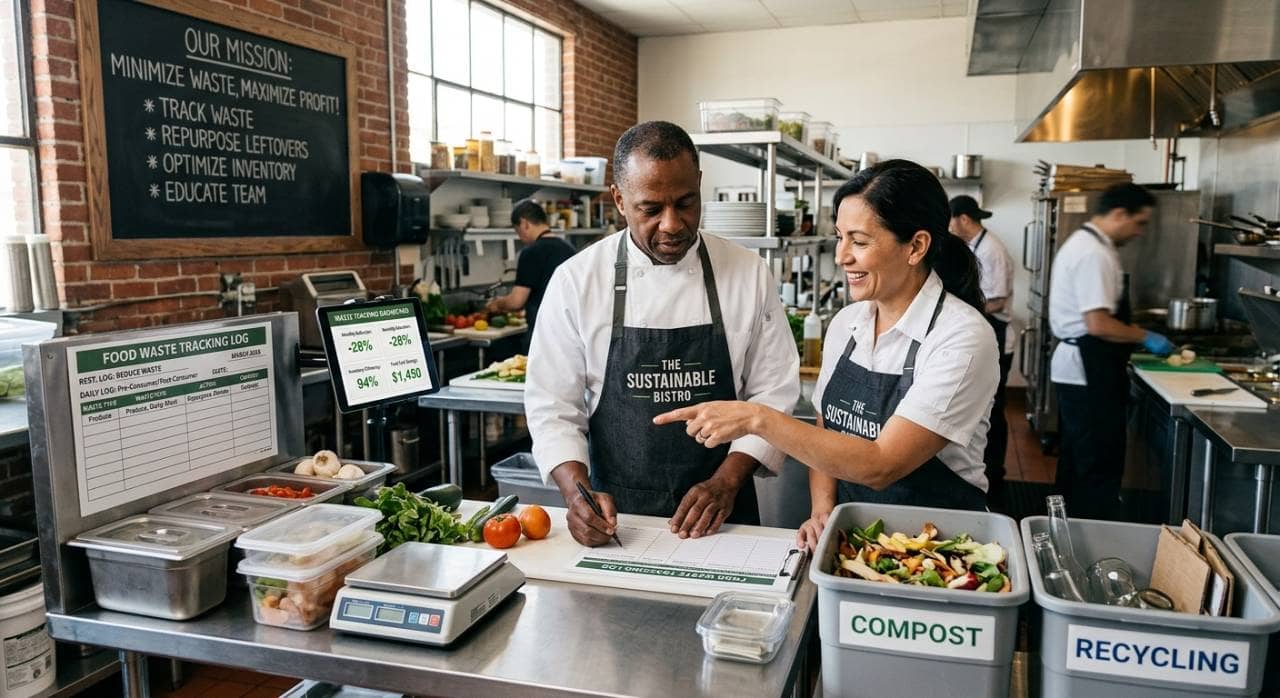
Learn how to reduce food waste in restaurants through smarter purchasing, storage, preparation, and service strategies that cut costs.
Sep 9, 2026
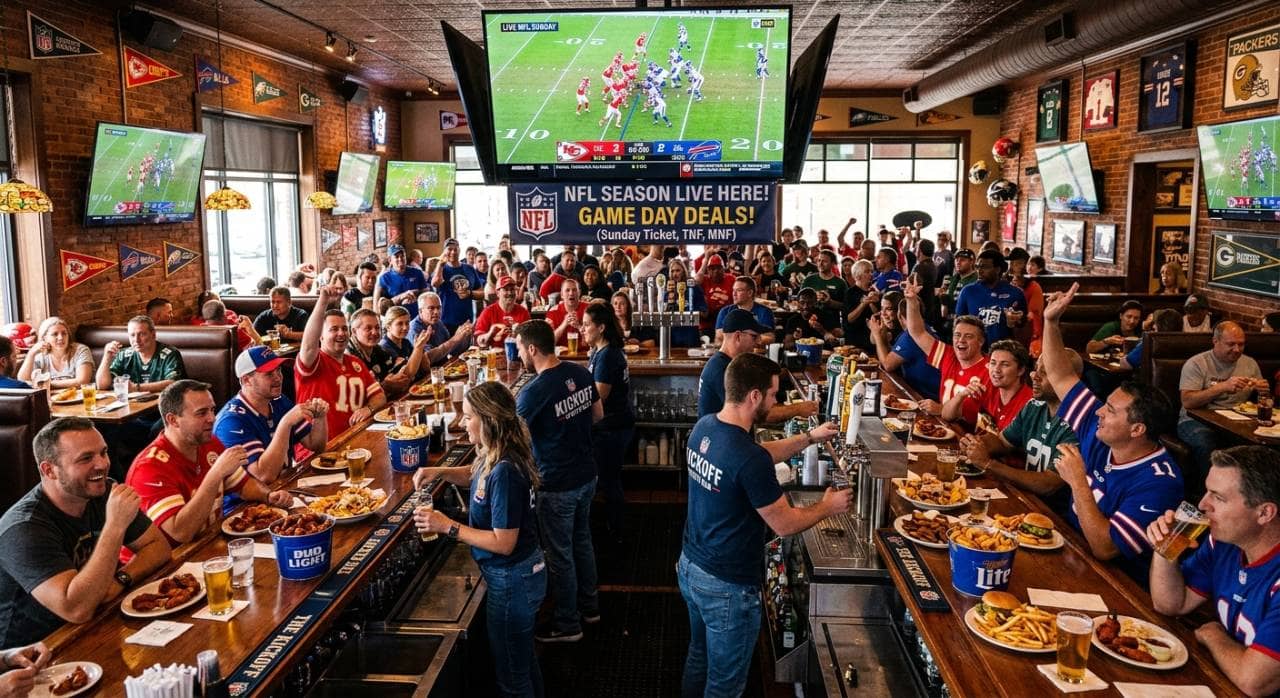
Prepare your restaurant for NFL season with smart menu planning, staffing, marketing, technology, and atmosphere strategies that boost season-long revenue.
Sep 9, 2026
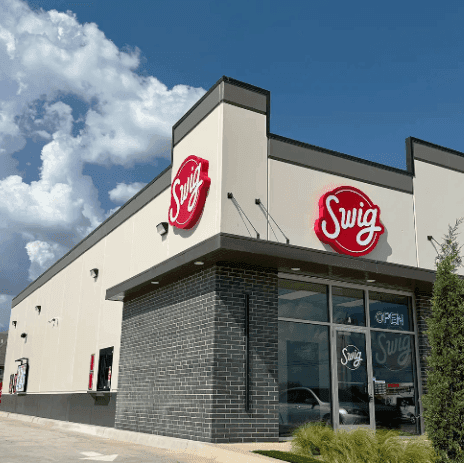
Swig signs franchise agreement for 11 South Denver locations, marking Colorado entry and validating its national expansion strategy.
Sep 8, 2026
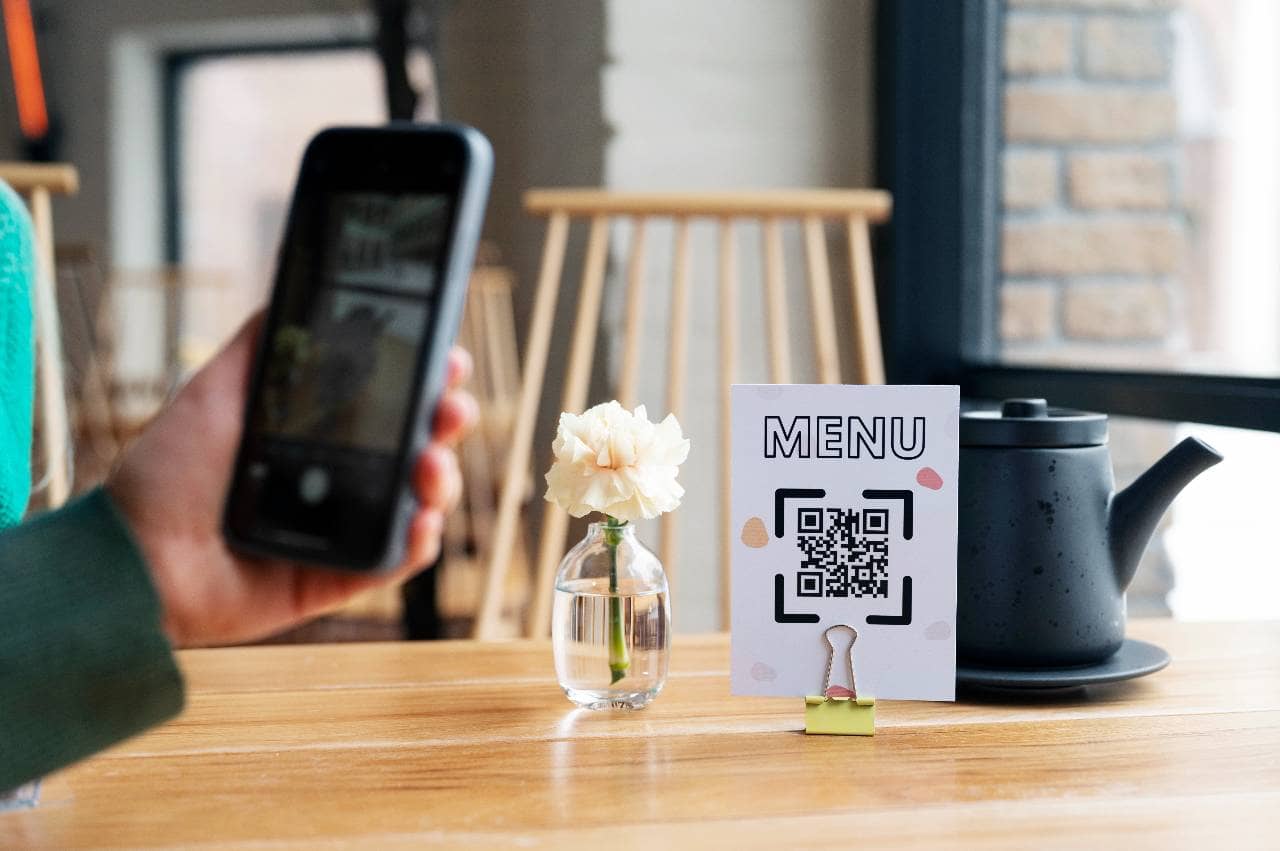
QR code menus let restaurants replace paper menus digitally, enabling instant updates, contactless browsing, ordering, and payment through simple smartphone scanning.
Sep 7, 2026
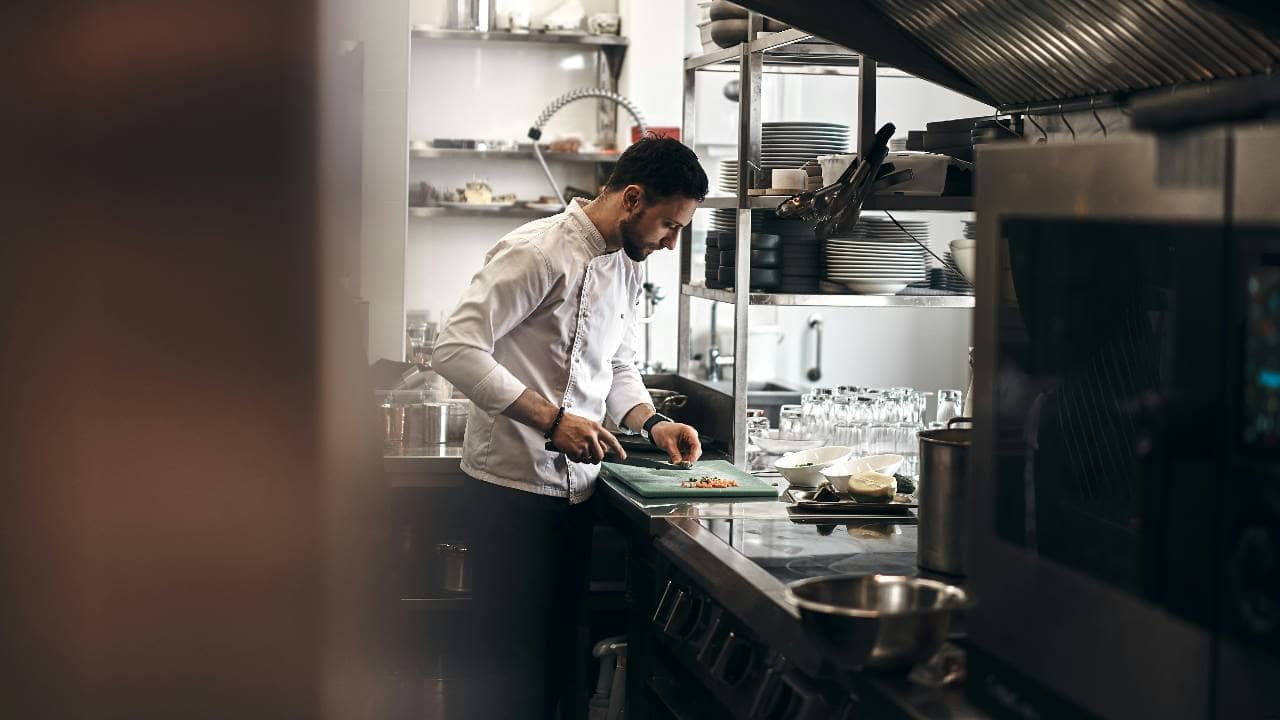
Complete guide helping restaurant owners choose essential kitchen equipment - covering cooking, refrigeration, prep, sanitation, ventilation, safety, and long-term maintenance planning.
Sep 7, 2026

Avoiding common restaurant payroll mistakes - misclassification, tip credit errors, overtime miscalculations - protects businesses from costly penalties, back pay, and compliance risks.
Sep 4, 2026
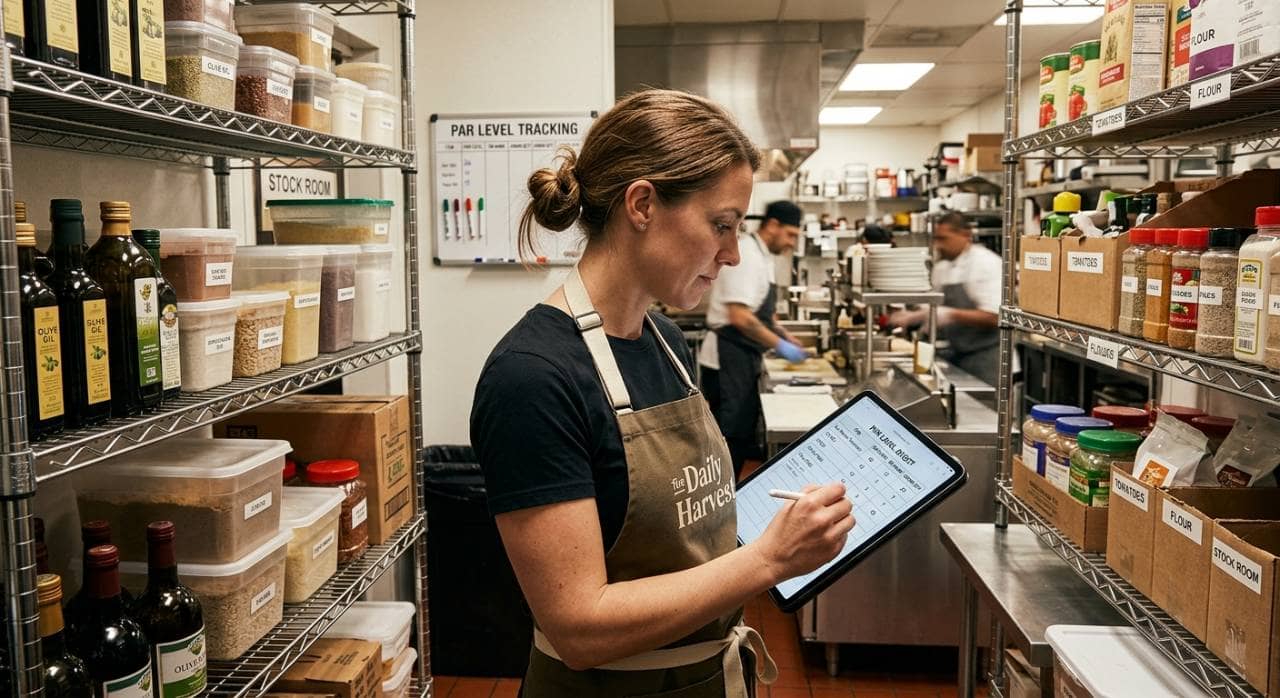
Learn to calculate par levels for restaurant food, beverages, and packaging inventory, preventing stockouts and waste through proper formulas.
Sep 4, 2026
Caribou Coffee appoints Zane Thomas-Rogers as Chief Operations Officer to strengthen execution across its expanding coffeehouse network.
Sep 4, 2026

Unlock Exclusive Access To Webinars, Events, And The Latest News For Free!
Fast casual's push is forcing QSRs to modernize with digital ordering, drive-thru efficiency, and sharper value.

Photo by Sergej Karpow
Speed, value, and a growing digital spine are redefining how diners choose between quick-service and fast casual. The older playbooks, speed of service and low prices, still matter, but they're no longer the entire script. Modern fast casual concepts push meals with up-to-date ingredients at prices that stay competitive, and they do it with apps, drive-thru lanes, and highly customizable menus that speak to busy lives. The industry conversation now centers on a broader equation: can a guest order, receive value, and feel the brand's care in every touchpoint within minutes? As September approaches, the QSR Evolution Conference in Atlanta (Sept 8–10, 2026) looms large as a proving ground for these ideas: will operators keep their edge as the landscape evolves?
Panda Express, Whataburger, and Chick-fil-A are topping the digital ordering charts, underscoring how app-centric experiences are becoming non-negotiable for growth. The conversation isn't just about convenience; it's about a smarter mix of speed, value, and customization. Ipsos's 2024 Digital Ordering Performance study highlights how top performers win on timing and loyalty, while a 2025 NRN survey shows that 43% of quick-service customers aged 55–75 use a brand app to place orders ahead of time, signaling deep-rooted behavioral shifts that demand scalable digital solutions. In short, the industry is chasing faster service plus a richer digital experience.

Operational lines are being drawn around technology-driven efficiency and guest engagement. QSRs press ahead with expanded mobile ordering, faster drive-thru throughput, and more tailored menus to keep speed while boosting personalization. Fast casual entrants respond in kind: digital ordering platforms, drive-thrus, and more customizable menus have moved from novelty to standard. The result is a landscape where convenience meets choice, and the top players deliver consistently high-quality options at speed. Digital ordering channels, kiosks, mobile apps, and voice interfaces, are core capabilities, not add-ons, with brands differentiating themselves by saving time, delivering deals, and keeping customization parity with in-restaurant experiences.
Digital-first operations are the backbone of today’s success, allowing brands to save time, present value through deals, and preserve customization parity with the in-restaurant experience. The ecosystem is evolving toward operational efficiency and customer-centricity working in tandem. The result is a guest journey that feels personal, even when a guest is ordering on a phone, through a kiosk, or at the counter. As expectations rise, investments in reliable apps, fast order fulfillment, and cohesive branding across channels become non-negotiable.

Industry leaders weigh in as the pace quickens. Meredith Sandland, CEO of Empower Delivery, is slated to address the changes at the upcoming QSR Evolution Conference in Atlanta, signaling the growing importance of partnerships and tech-enabled guest journeys. Ipsos’s digital ordering study underscores the competitive imperative, with top performers emphasizing time savings, value through deals, and robust customization within app experiences, saving time, offering deals, and providing the same availability of customization as would be found in-restaurant.
That emphasis on a seamless, personalized digital interface is driving restaurants to invest in app reliability, faster order fulfillment, and cohesive branding across channels. As operators share real-world experiences, from in-store workflow improvements to app-driven loyalty programs, the consensus is clear: the consumer is steering the speed and sophistication of these changes.

From a strategic lens, ideas are being mapped to real timelines. Data from 2025–2026 shows a rebound in traffic between QSR and fast casual in several markets, a sign that value now includes more than price, it's a compelling digital experience and smarter menus. The QSR Evolution Conference agenda for September 2026 reinforces this focus on collaboration, technology adoption, and practical guidance for operators seeking to preserve leadership in a fast-changing space.
Menu optimization, streamlined workflows, and digital-first operations are the norm rather than the exception. The industry is learning to balance speed with personalization and turn ideas into measurable action. The conference agenda promises concrete steps and case studies that operators can adapt. Leadership in quick service today is less about horsepower and more about orchestration, driven by data, powered by technology, and tuned for guest satisfaction.
Across the restaurant world, digital ordering continues to expand as a dominant channel. App-led ordering shapes behavior across generations, reinforcing that convenience, quality, and customization are now the baseline, not the exception. The broader market watches labor dynamics, delivery penetration, and in-store efficiency as levers for margins, all part of a larger digital ecosystem that unifies ordering, loyalty, and curbside pick-up.
Across the industry, digital ordering continues to expand as a dominant channel. App-led ordering shapes behavior across generations, reinforcing that convenience, quality, and customization are now the baseline, not the exception. The broader market watches labor dynamics, delivery penetration, and in-store efficiency as levers for margins, all part of a larger digital ecosystem that unifies ordering, loyalty, and curbside pick-up.
Despite a robust amount of data, several uncertainties persist. It remains to be seen how consumer comfort with increasingly automated ordering and payment experiences will evolve, and how retailers will balance automation with human touch at the point of sale. Early research on self-order kiosks has raised questions about design ethics and data practices as these systems scale. As the market experiments with new models, stakeholders will monitor customer satisfaction, order accuracy, and loyalty signals to determine which approaches translate into durable advantages. The evolving regulatory and competitive landscape will also influence the speed and direction of investment in digital and in-person experiences.
Consumers Stand to Benefit, the convergence of speed, value, and enhanced digital engagement promises more choice, better quality, and fewer trade-offs between price and experience. Restaurants across both sectors are refining service models and embracing technology to deliver faster, more personalized interactions while maintaining a strong emphasis on value. When executed well, this dynamic can expand brand loyalty and broaden demographic appeal, turning convenience into a more holistic dining experience that aligns with evolving expectations around health, customization, and seamless digital integration.