
California Penalizes Dickey's for Franchise Disclosure Violations
California shifts to public enforcement strategy against Dickey's for deceptive franchise disclosures, signaling stricter state-level franchise oversight.
Franchising
Sep 10, 2026
California shifts to public enforcement strategy against Dickey's for deceptive franchise disclosures, signaling stricter state-level franchise oversight.
Sep 10, 2026
Paul Brown temporarily steps away from Inspire Brands as Scott Murphy assumes interim CEO role during confidential IPO filing process targeting late 2026.
Sep 10, 2026
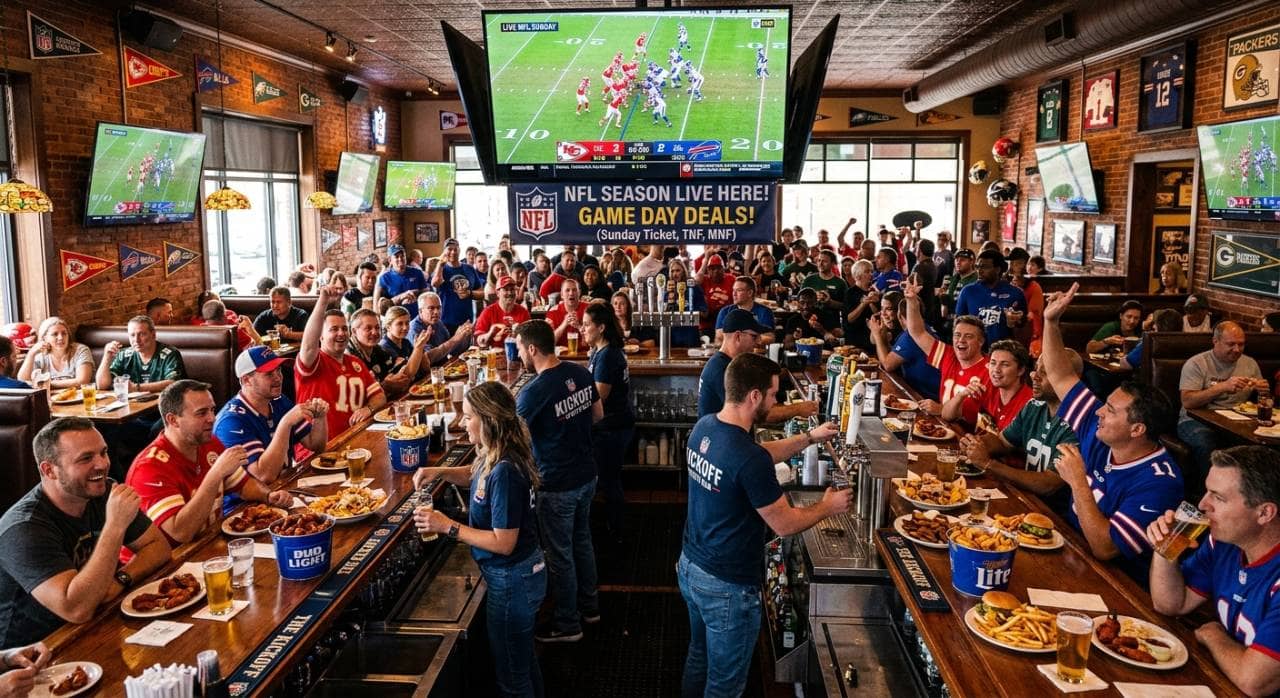
Prepare your restaurant for NFL season with smart menu planning, staffing, marketing, technology, and atmosphere strategies that boost season-long revenue.
Sep 9, 2026
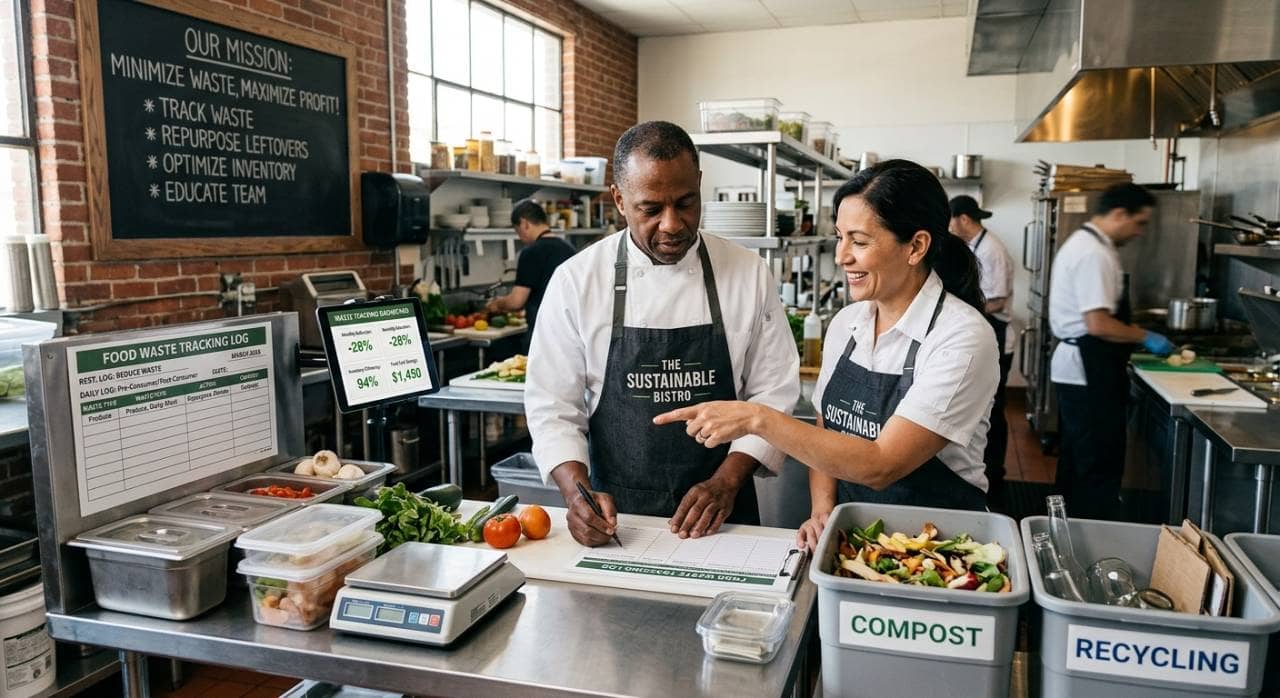
Learn how to reduce food waste in restaurants through smarter purchasing, storage, preparation, and service strategies that cut costs.
Sep 9, 2026
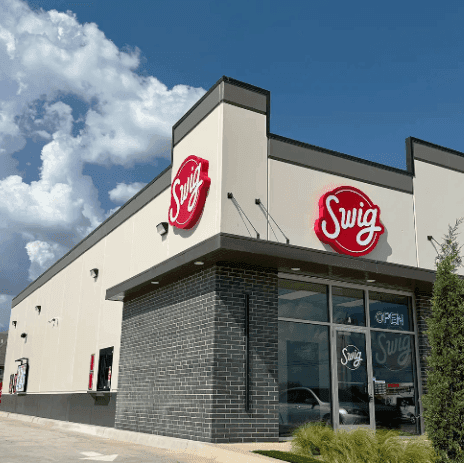
Swig signs franchise agreement for 11 South Denver locations, marking Colorado entry and validating its national expansion strategy.
Sep 8, 2026
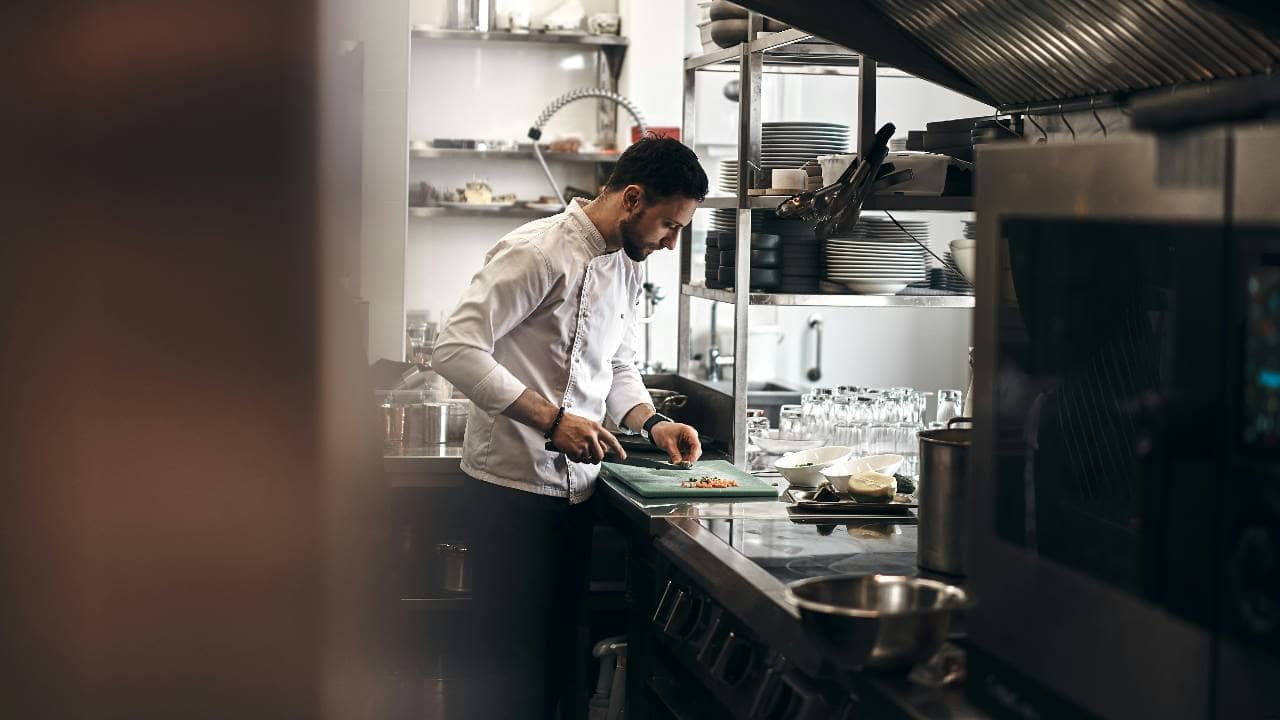
Complete guide helping restaurant owners choose essential kitchen equipment - covering cooking, refrigeration, prep, sanitation, ventilation, safety, and long-term maintenance planning.
Sep 7, 2026
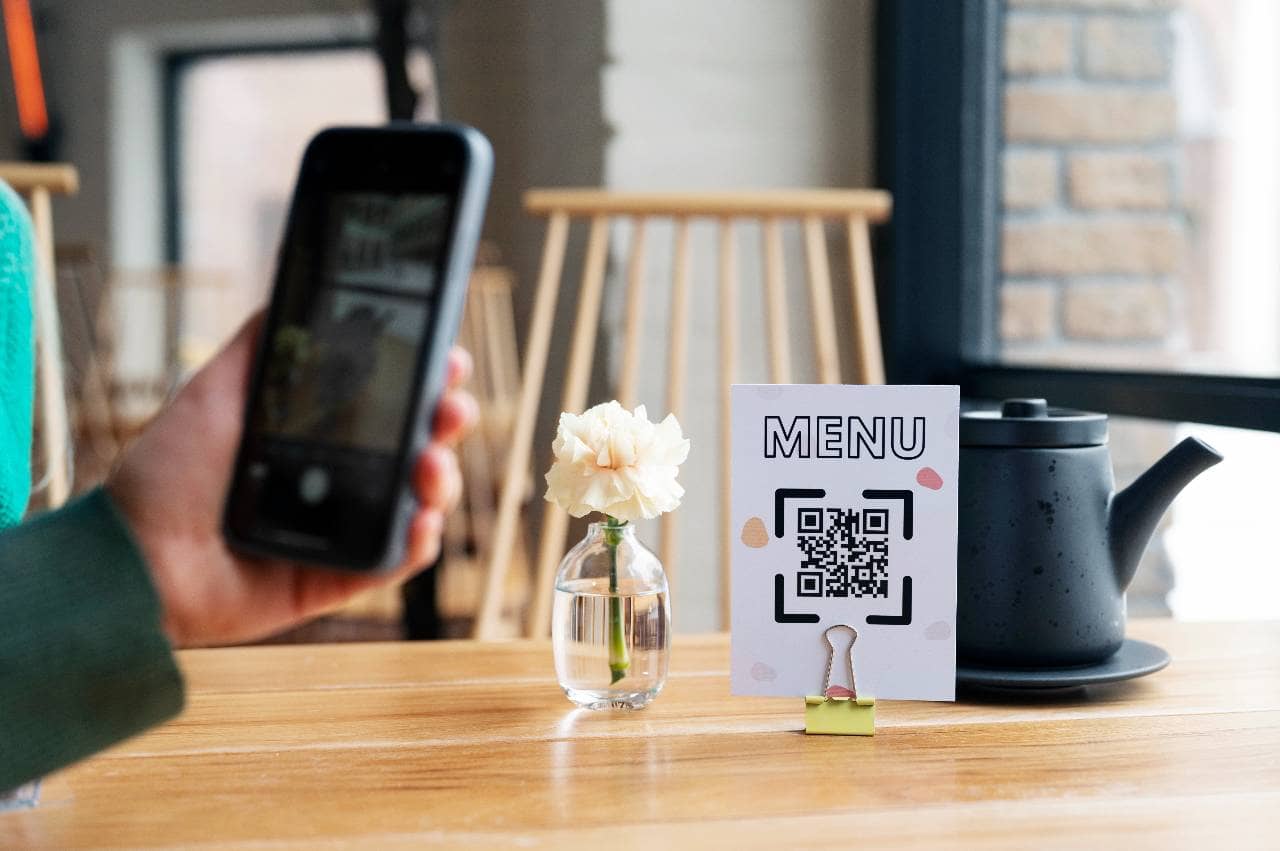
QR code menus let restaurants replace paper menus digitally, enabling instant updates, contactless browsing, ordering, and payment through simple smartphone scanning.
Sep 7, 2026

Avoiding common restaurant payroll mistakes - misclassification, tip credit errors, overtime miscalculations - protects businesses from costly penalties, back pay, and compliance risks.
Sep 4, 2026
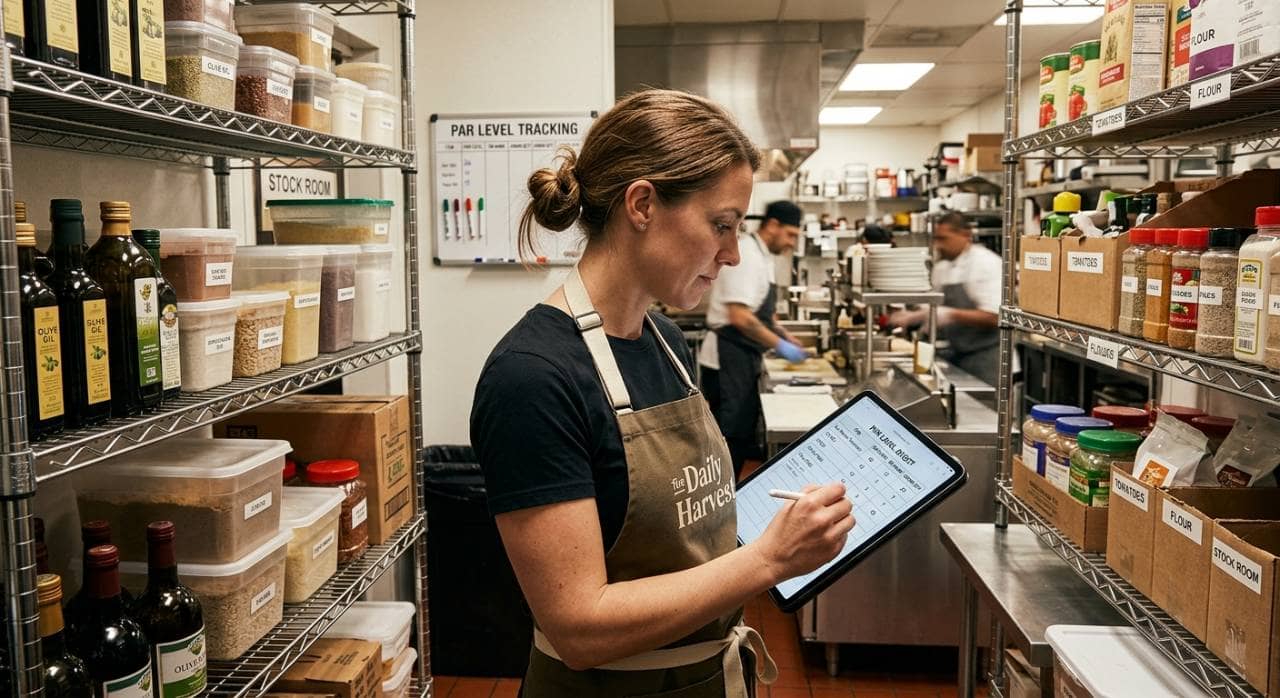
Learn to calculate par levels for restaurant food, beverages, and packaging inventory, preventing stockouts and waste through proper formulas.
Sep 4, 2026
Caribou Coffee appoints Zane Thomas-Rogers as Chief Operations Officer to strengthen execution across its expanding coffeehouse network.
Sep 4, 2026

Unlock Exclusive Access To Webinars, Events, And The Latest News For Free!
Elliott Management pushes for board influence as Starbucks reshapes leadership, signaling a broader shift in governance and turnaround strategy.

Photo by Roman Denisenko
In a quiet corner of the business world, the aroma of espresso mingles with headlines about a beloved brand and a restless investor. The scene feels almost pastoral, two forces wrestling over a kettle of value, while the rest of us lean in as if listening to a shared story across a café table. Starbucks is navigating a leadership shakeup after activist investor Elliott Management asserted influence. On the Q3 earnings call, Laxman Narasimhan confirmed Elliott is a shareholder and described exchanges with the firm as constructive but offered no further detail. The timing dovetailed with a late-April selloff after negative same-store sales data, a pandemic-era low that unsettled investors and then found some steadiness as chatter about Elliott surfaced. This is a story that blends boardroom strategy with the cadence of a morning café.
Behind the headlines lie the core questions: Elliott Management has pursued a substantial, undisclosed stake with the potential for board representation and governance improvements. This aligns with Elliott’s activist playbook that seeks strategic resets when a turnaround seems plausible. In Starbucks, chatter around a board seat intensified as Laxman Narasimhan guides the company through performance debates and capital decisions. The market watches the dialogue as investors weigh governance signals alongside earnings and growth plans. The immediate effect has been a modest lift for the stock, a momentary calm that sits next to ongoing questions about customer experience, pricing, and long-term strategy.
That lift feels like a pause rather than a verdict. The real work sits in governance, strategy, and execution, and those chapters are still being written. In the chapters ahead, the activist playbook meets the restaurant world, reshaping how leadership, and appetite for change, is discussed.
Activist investors are not new to the restaurant world, but their timing always seems to arrive with the aroma of risk and opportunity. The current Starbucks moment sits alongside a wider pattern, where activists press for governance changes to unlock value when a brand falters. Starboard Value LLP has been cited as a parallel force, with past engagements at Darden Restaurants in 2014, Papa Johns in 2020, and Bloomin’ Brands in recent years. The narrative around Elliott’s approach suggests a potential rebalancing of board power and a reordering of priorities for leadership, should the appetite for change prove actionable.
These campaigns reveal a shared logic: external voices can accelerate shifts in governance and strategy, but the outcome depends on how the company reads and executes the new direction. If Elliott gains traction, Starbucks could recalibrate risk management, capital allocation, and customer-experience investments more quickly than through internal debate alone. The precise ends, whether a board seat, governance concessions, or just a public show of board-room alignment, are still unfolding and depend on the company’s response. Yet the broader implication is clear: the restaurant and foodservice space are becoming theaters for governance experimentation, where governance changes may tilt the balance toward investors who see a sharper path to value.
How Starbucks navigates those pressures will matter far beyond its own cups of coffee. If the playbook gains traction, it may rewrite how brands balance investor expectations with everyday experiences.

Industry chatter often arrives with the aroma of coffee and a cautionary tone. At Starbucks, tensions at the top have spilled into the conversation about direction and customer experience. The encounter delivers a human dimension to a complex equation: investors pressing for a path forward, leaders balancing fiscal discipline with the craft of hospitality. The Financial Times reported that Elliott clashed with Howard Schultz, the former Starbucks CEO, as both sides sought an accord on the company’s direction. Schultz publicly questioned Narasimhan’s stewardship, posting on LinkedIn that the company was 'biting off more than it could chew' and stressing the need for a maniacal focus on customer experience. The stores require a maniacal focus on the customer experience, through the eyes of a merchant.
CNBC reported that Elliott advanced a proposal to expand Starbucks’ board and leave Narasimhan in place as CEO, a structure Starbucks had not publicly endorsed. The public exchange underscores the delicate balance between inviting external perspective and preserving current leadership. In these moments, governance discussions become as tangible as quarterly earnings, shaping expectations around board power, decision rights, and the tempo of strategic changes. The signals early in this saga suggest a possibility of broader oversight without an immediate replacement, a dynamic that will influence how both sides read the table as negotiations continue.
That lift is a pause rather than a verdict. The real work sits in governance, strategy, and execution, and those chapters are still being written. In the chapters ahead, the activist playbook meets the restaurant world, reshaping how leadership, and appetite for change, is discussed.

Late in 2024, the leadership transition many analysts had anticipated materialized: Brian Niccol, fresh from another brand-building turnaround, was named chairman and chief executive officer, effective September 9, 2024. Narasimhan stepped aside, and Mellody Hobson moved from chair to lead independent director as part of a broader governance reset. A reorganized executive team followed, reshaping priorities and capital allocation. By March 2026, proxy materials show Niccol remains chairman and CEO, with Hobson continuing on the board, anchoring a governance frame that will guide how Elliott’s influence is weighed against the company’s own strategy.
This anchoring of leadership to Niccol’s arrival frames how Elliott's influence could play out. The new structure gives the company stability to pursue strategy and capital allocation while still leaving room for external insights. The board remains a site where external perspectives can be weighed against the day-to-day needs of a consumer-brand turnaround.
Ultimately, the negotiation between investor activism and brand stewardship will shape Starbucks' trajectory in the years ahead.
This Starbucks episode sits within a broader industry theme: activist investors increasingly engage foodservice players during downturns to push for governance, efficiency, and strategic refocusing. Notable precedents include Starboard Value LLP’s interventions at Darden Restaurants in 2014, Papa Johns in 2020, and Bloomin’ Brands last year, which collectively illustrate a spectrum of outcomes, from governance adjustments to leadership changes, that activists can influence.
These cases underscore how stock volatility, public scrutiny, and the prospect of board-level influence shape corporate decisions in this sector. The examples point to a future where governance shifts may come with faster execution, but with the challenge of preserving brand integrity and long-term profitability.
Starbucks’ path forward will be watched as a bellwether for how activists engage with strong consumer brands, honing a future where governance and hospitality touch at the same table.
